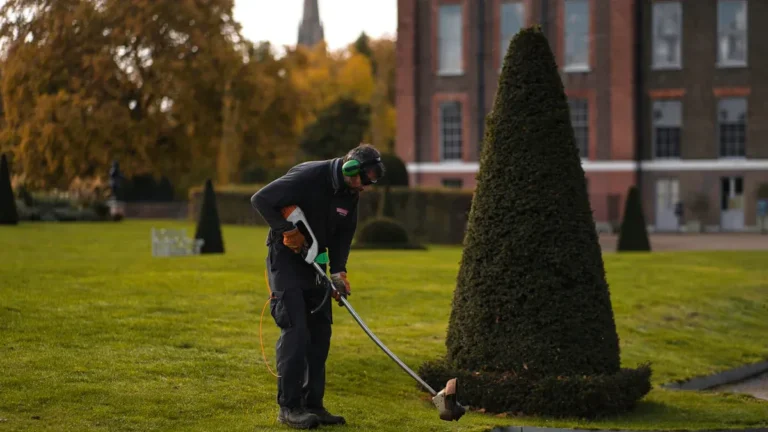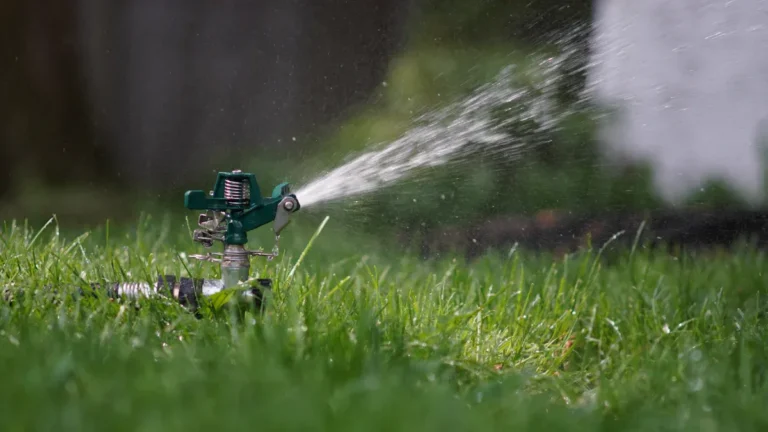

Taking care of your lawn doesn’t have to harm the planet. Eco-friendly lawn care offers plenty of benefits, not just for your yard but also for the environment. More homeowners are choosing organic treatments, with studies showing that 56% are willing to participate in initiatives like No Mow May. These eco-friendly practices not only enhance your lawn’s beauty but also improve soil health. Switching to organic methods can boost microorganisms and help sequester carbon, making your lawn a part of the solution to climate change. So, think about the impact your lawn care choices have on the world around you!
Key Takeaways
Switching to organic lawn care makes your yard safer for kids and pets by eliminating harmful chemicals.
Healthy soil is key to a thriving lawn; it supports strong roots and reduces the need for synthetic fertilizers.
Implementing water conservation techniques, like using drought-tolerant plants, helps save water while keeping your lawn lush.
Mowing at a higher setting encourages deeper roots, making your grass more resilient to drought and pests.
Creating a long-term lawn care plan with seasonal tasks ensures your yard stays healthy and beautiful year-round.
Eco-Friendly Lawn Care Overview
When you think about lawn care, you might picture bright green grass and perfectly manicured edges. But eco-friendly lawn care goes beyond aesthetics. It focuses on creating a healthy environment for your lawn and the planet. By adopting organic practices, you can enjoy numerous benefits that enhance both your yard and the ecosystem.
Benefits of Organic Practices
Switching to organic lawn care means you’re choosing methods that are safer for your family and pets. Here are some key benefits:
Safe for Your Family: Organic practices eliminate synthetic pesticides and herbicides, making your lawn a safer place for kids and pets to play.
Healthier Soil: Organic treatments, like compost, nurture soil health. They encourage microbial activity and improve soil structure, which is vital for plant growth.
Improved Lawn Resilience: Organic methods promote strong root systems, making your lawn more resilient to drought, pests, and diseases.
Long-Term Sustainability: By building healthy ecosystems, you create self-sustaining lawns that require less maintenance over time.
Importance of Soil Health
Healthy soil is the foundation of a thriving lawn. It supports strong root systems and enhances nutrient absorption. Here’s why soil health matters:
Nutrient Cycling: Healthy soil promotes beneficial microbial activity, which helps break down organic materials and release nutrients back into the soil.
Reduced Chemical Dependency: When your soil is rich in organic matter, it naturally nourishes your grass. This reduces the need for synthetic fertilizers, creating a safer environment.
Biodiversity: Organic practices encourage a diverse range of plants and beneficial insects, which contribute to a balanced ecosystem. For instance, introducing native plants can enhance local biodiversity and provide habitats for wildlife.
By focusing on soil health, you not only improve your lawn’s appearance but also contribute to a healthier environment. Embracing eco-friendly lawn care practices can lead to a vibrant, sustainable yard that benefits both you and the planet.
Organic Lawn Care Techniques
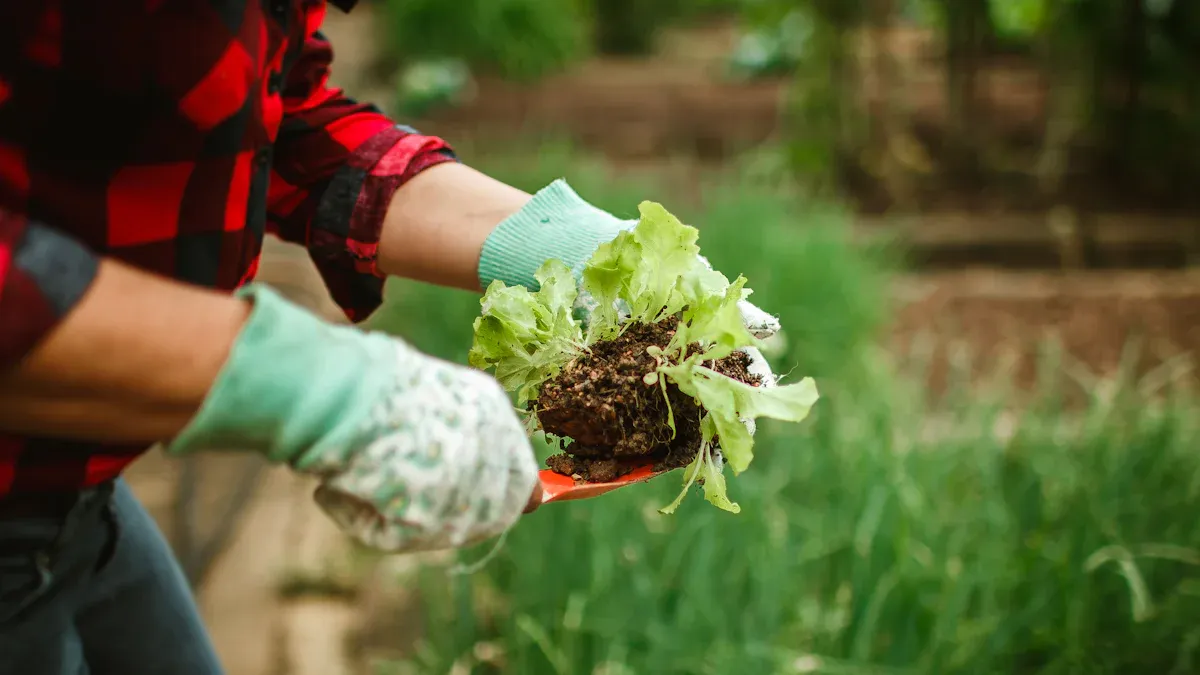
When it comes to maintaining a healthy lawn, using organic methods can make a big difference. Let’s dive into two essential techniques: organic lawn fertilization and natural weed control.
Organic Lawn Fertilization
Organic lawn fertilization is all about using natural ingredients to nourish your grass. Unlike synthetic fertilizers, which can harm the environment, organic fertilizers release nutrients slowly. This gradual release benefits soil health and improves its structure. Here are some key points to consider:
Nutrient Release: Organic fertilizers provide a steady supply of nutrients over time. This helps your grass absorb what it needs without overwhelming it.
Soil Health: They enhance soil structure and increase water-holding capacity. Healthy soil means a healthier lawn!
Choosing Wisely: It’s crucial to select organic fertilizers based on your soil’s nutrient availability. This prevents excess phosphorus, which can lead to environmental issues.
Here’s a quick comparison of organic and synthetic fertilizers:
Feature | Organic fertilizers | Synthetic fertilizers |
|---|---|---|
Nutrient release rate | Gradual release, optimal for plant uptake | Rapid release, potentially excessive for plant uptake |
Effects on soil | Enhances soil health and structure | Can degrade soil microbiology and structure over time |
Environmental impact | Minimal risk of pollution | High risk of leaching and greenhouse gas emissions |
Using organic fertilizers not only supports your lawn but also contributes to a healthier ecosystem.
Natural Weed Control
Weeds can be a nuisance, but you can manage them effectively with natural weed control methods. These techniques reduce reliance on synthetic chemicals and promote a balanced ecosystem. Here are some effective strategies:
Cultural Practices: Implement crop rotation, intercropping, and mulching. These practices suppress weed growth naturally.
Mechanical Methods: Use physical removal techniques like tilling and mowing to keep weeds in check.
Biological Control: Introduce natural enemies, such as beneficial insects or specific bacteria and fungi, to target weed populations. This method is gaining popularity for its effectiveness and sustainability.
Tip: Electric weed control minimizes harm to non-target species. It uses high-voltage electricity to target weeds specifically, preserving beneficial soil organisms.
By combining these methods, you can create an integrated weed management plan that enhances your lawn’s health while protecting the environment.
In addition to weed control, consider using natural pest control methods. Here are some popular options:
Neem oil: This natural insecticide disrupts pests’ feeding patterns.
Beneficial insects: Ladybugs and praying mantises can help control aphids and caterpillars.
Homemade garlic spray: A simple and effective repellent for common garden pests.
Diatomaceous earth: This powder creates a hostile environment for crawling pests.
Essential oils: Oils like lavender and peppermint can repel various pests.
Using these natural lawn care products not only helps manage weeds and pests but also keeps your lawn safe for your family and pets.
Sustainable Lawn Care Practices

Maintaining a beautiful lawn doesn’t have to drain our precious water resources. By adopting sustainable lawn care practices, you can keep your yard healthy while conserving water. Let’s explore some effective water conservation strategies and the importance of proper mowing techniques.
Water Conservation Strategies
Did you know that outdoor water use accounts for about 30% of total household water usage? More than half of that is dedicated to lawn and garden irrigation, which means lawn irrigation alone can account for approximately 15% of total residential water use. Here are some smart water conservation techniques you can implement:
Choose drought-tolerant plants and native flora: These plants thrive in your local climate and require less water.
Implement efficient irrigation systems: Consider using drip irrigation or smart controllers to minimize water waste.
Focus on soil improvement and mulching: Enhancing soil quality helps retain moisture, reducing the need for frequent watering.
Incorporate regular maintenance and monitoring: Regular checks on your irrigation systems and plant health ensure efficient water use.
By following these strategies, you can significantly reduce your water consumption while still enjoying a lush, green lawn.
Mowing for Lawn Health
Mowing isn’t just about keeping your lawn looking neat; it plays a crucial role in its overall health. Proper mowing height can influence your lawn’s drought resistance and resilience. When you maintain a higher mowing height, you encourage deeper root growth. This deeper root system allows your grass to access moisture and nutrients more effectively. Taller grass blades also improve photosynthesis, helping your lawn produce more energy to withstand environmental stresses.
Here are some sustainable lawn care tips for mowing:
Practice | Benefit |
|---|---|
Mow Less Frequently | Reduces carbon emissions and conserves resources. |
Raise the Mower Blade | Promotes deeper roots and reduces water evaporation. |
Switch to Electric Mowers | Generates zero direct emissions, unlike gas mowers. |
Leave Grass Clippings | Acts as natural fertilizer, reducing reliance on synthetic alternatives. |
Use Organic Fertilizers | Helps reduce carbon emissions compared to synthetic fertilizers. |
Avoid Overwatering | Conserves water and maintains a carbon-neutral status. |
By adopting these mowing practices, you not only promote a healthy lawn but also contribute to a more sustainable environment. Remember, every small step counts when it comes to green lawn maintenance!
Long-Term Lawn Care Plan
Creating a long-term lawn care plan helps you maintain a healthy and sustainable yard. By following seasonal maintenance tips and choosing the right grass type, you can enjoy a vibrant lawn year-round.
Seasonal Maintenance Tips
Each season brings unique tasks to keep your lawn thriving. Here’s a quick guide to what you should do throughout the year:
Spring:
Clear away debris and any leftover snow.
Test your soil’s pH and nutrient levels.
Apply organic fertilizers and pre-emergent weed control.
Mow at the highest setting to encourage growth.
Summer:
Water deeply but only during droughts.
Apply organic weed and grub control as needed.
Spread compost to enrich the soil.
Fall:
Overseed to repair summer damage.
Fertilize with potassium-rich feeds to prepare for winter.
Raise your mower height to protect the grass.
Winter:
Perform maintenance on your mower.
Clear debris to prevent mold and disease.
By following these seasonal tips, you can ensure your lawn stays healthy and beautiful.
Choosing the Right Grass Type
Selecting the right grass type is crucial for a sustainable lawn. Here are some factors to consider:
Factor | Description |
|---|---|
Sun Exposure | Assess how much sunlight each area receives. Some grasses thrive in full sun, while others prefer shade. |
Soil Composition | Test your soil’s pH and nutrient levels. Different grasses have specific soil preferences that affect their growth. |
Foot Traffic | Think about how much use your lawn will get. Durable grasses work better for high-traffic areas, while others may be suited for decorative purposes. |
Maintenance Needs | Some grasses require more care than others. Low-maintenance options are ideal for sustainable lawns. |
By choosing native grasses, you can reduce maintenance and water needs. Native species adapt well to local conditions, saving you time and resources.
Remember, a well-planned lawn care strategy not only enhances your yard but also benefits the environment.
You’ve learned how adopting eco-friendly lawn care can transform your yard and benefit the environment. By using organic treatments, you enhance soil health, support local ecosystems, and create a safe space for your family and pets. Remember, even small changes can lead to significant improvements.
Here are a few steps you can take to start your journey:
Test your soil and apply organic fertilizers.
Choose drought-resistant plants to conserve water.
Mow at a higher setting to promote healthy grass growth.
Every little effort counts! Embrace these practices for a healthier lawn and a greener planet.
FAQ
What are the benefits of organic lawn care?
Organic lawn care promotes a safer environment for your family and pets. It improves soil health, enhances biodiversity, and reduces chemical runoff, making your lawn more resilient to pests and diseases.
How often should I water my lawn?
Water your lawn deeply but infrequently. Aim for about 1 inch of water per week, including rainfall. Adjust based on your grass type and local climate conditions to prevent overwatering.
Can I use homemade fertilizers?
Absolutely! Homemade fertilizers, like compost or diluted fish emulsion, provide essential nutrients. They enrich your soil naturally and support healthy grass growth without harmful chemicals.
What grass type is best for my area?
Choose grass types suited to your local climate and soil conditions. Native grasses often require less water and maintenance, making them ideal for sustainable lawns.
How can I control pests naturally?
You can control pests using natural methods like introducing beneficial insects, applying neem oil, or using homemade sprays. These options protect your lawn while keeping it safe for your family and pets.