

Winter overseeding can feel confusing because the right seed depends on your climate, your soil, and how much traffic the lawn takes. Some mixes fill in fast for a temporary green-up, while others are better for long-term turf or even non-lawn cover. You’ll see warm-season and cool-season options side by side here, plus a few specialty seed choices that make sense for acreage, plots, and forage use. That mix matters, because the wrong bag can leave you with extra work and thin coverage.
Quick Look At The Shortlist

Jonathan Green Blue Panther Southern Lawn Grass Seed 3 lb

Jonathan Green Black Beauty Ultra Grass Seed 7 lb

Pennington Annual Ryegrass Seed 10 Lb
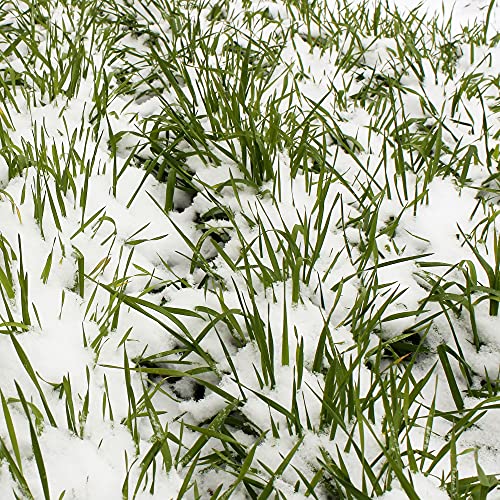
Mountain Valley Seed Co No-Till Winter Rye Seeds 5 Lbs

Whitetail Institute Winter-Greens Deer Food Plot Seed

Outsidepride Perennial Alfalfa Seeds for Planting 5 lbs

Grass Seed Premium RYE Gulf Annual Oregon Grown 50 LBS

Pennington Bermudagrass Grass Seeds for Lawn 5 lb
Blue Panther makes the most sense in southern states and transitional zones, where warm-season grass needs a seed that fits the climate instead of fighting it. The 3 lb bag suits a smaller repair job, a thin front strip, or a test patch before you commit to more coverage.
The listing points to Bermudagrass, whose botanical name is Cynodon dactylon, so you’re looking at a turf type meant for warm weather growth. The honest trade-off is simple, it’s less useful in truly cold stretches, so cool-climate lawns should look elsewhere.
What We Like
- Built for southern and transition-zone lawns.
- Good fit for thickening warm-season turf.
- Smaller bag is easier to store in a garage or shed.
- Works well for targeted patching, not just full reseeding.
Things To Consider
- Warm-season turf fits the right climate, but not every yard.
- The 3 lb size can feel modest for a larger spread-out lawn.
- You’ll want to match it carefully to your existing grass type.
Feature Snapshot
Who It Suits Best
Warm-climate homeowners with a Bermudagrass lawn get the clearest fit here, especially for patching or seasonal touch-ups.
Where A Sibling Pick Shines
Pennington Bermudagrass Grass Seeds for Lawn 5 lb suits you better for a larger southern yard that needs a bit more coverage from one bag.
Black Beauty Ultra is the cool-season answer in this group, so it suits lawns that need a denser, deeper green look through colder months. The 7 lb size gives you more room to tackle a broader repair zone, which helps around walkways, bare corners, and spots that get worn by kids or pets.
Compared with Blue Panther, this one belongs in a cooler climate or in a lawn that already leans toward cool-season turf. The catch is that the right grass family matters more than the bag size, so a sunny southern yard still needs a different fit.
Highlights
- Cool-season grass choice for temperate and colder regions.
- Useful for thicker-looking lawn repairs.
- 7 lb bag supports wider coverage than the smaller Jonathan Green option.
- Good match for home lawns that see steady foot traffic.
- Familiar brand name for repeat lawn maintenance.
Softer Spots
- Cool-season turf can struggle in hot southern stretches.
- The larger bag takes more storage space than the 3 lb option.
- Results depend heavily on whether your existing lawn is already cool-season.
Core Details
Built With In Mind
Homeowners in cooler regions who want a fuller lawn repair get the clearest value from this bag size and grass type.
Another Choice May Suit
Jonathan Green Blue Panther Southern Lawn Grass Seed makes more sense for southern lawns that need warm-season growth instead of a cool-season mix.
Annual ryegrass earns its place by moving quickly, which is useful for a lawn that needs temporary green cover after thinning or wear. The product notes full sun and 6 to 8 hours of light, so placement matters more than with some of the broader-purpose options above.
The listing also points to visible results in 3 to 7 days, so you’re choosing speed over long-term permanence. That trade-off suits transitional spots and seasonal fill-ins, but not a lawn plan built around lasting turf.
Best Bits
- Fast-turning grass for seasonal coverage.
- Works well in sunny southern lawn spaces.
- 10 lb bag helps cover a practical mid-size project.
- Good choice for quick visual fill after bare patches open up.
Points To Note
- Annual ryegrass is a short-term solution, not a permanent turf plan.
- Needs decent sunlight to perform as described.
- Larger coverage jobs may still require more than one bag.
Details At A Glance
Right Fit For
Southern homeowners who want quick cover on sunny sections of lawn get the most from this bag.
Look Elsewhere When
Jonathan Green Black Beauty Ultra Grass Seed suits you better for a more permanent cool-season lawn repair.
This bag belongs to a different job entirely, since the listing calls it a cover crop rather than lawn grass. That makes it useful for no-till ground cover, soil protection, or seasonal field use, but it’s not the right substitute for a backyard turf seed.
The cold-hardy, heirloom, non-GMO description points to a seed meant for field work and practical cover rather than a polished lawn finish. For homesteads and garden plots, that distinction saves you from buying the wrong rye for the wrong patch of ground.
Upsides
- No-till use suits soil-conscious planting plans.
- Cold-hardy rye works in harder seasonal conditions.
- Non-GMO positioning appeals to many garden and field projects.
- 5 lb bag is manageable for targeted cover crop work.
Room For Improvement
- This is not lawn grass, so turf shoppers should look elsewhere.
- Best fit depends on a cover-crop or field use case.
- The seed role is more functional than ornamental.
Technical Sheet
Whose Shelf It Belongs On
Gardeners and homestead growers who need a cover crop for seasonal ground protection are the right match here.
Swap It Out When
Pennington Annual Ryegrass Seed suits you better for a true lawn fill-in with a faster ornamental result.
Winter-Greens is built for food plots, not front-yard turf, so it belongs on land managed with deer in mind. The brassica blend and added turnip component point to a plot designed for early and late season use, which matters more than lawn appearance in this category.
The 3 lb and 12 lb coverage notes make sizing easier, especially for small openings or larger acreage. The trade-off is clear: it’s a specialty planting, so the lawn-only shopper should move on, while land managers may find the fit exacting.
Reasons To Buy
- Brassica blend suits food-plot use.
- Designed for fall planting and seasonal attraction.
- Coverage options help with small or larger plots.
- Useful for land managers who want a dedicated plot seed.
Areas To Watch
- Not intended for a residential lawn.
- Best value comes only in a deer plot setting.
- The specialty role limits day-to-day yard usefulness.
Feature Card
Best Suited To
Landowners managing deer food plots will get the clearest purpose from this brassica mix.
Reach For A Different Pick When
Jonathan Green Blue Panther Southern Lawn Grass Seed fits you better for a regular yard that needs warm-season turf.
Perennial alfalfa sits in the forage category, so it serves pastures, hay ground, and other working spaces better than a typical home lawn. The nitrocoated and inoculated treatment suggests the seed is aimed at stronger establishment support, which can matter on ground that needs more than basic overseeding.
For livestock use, that kind of utility is a plus, and the winter-hardy label makes the plant choice feel more durable through colder stretches. The compromise is straightforward, you’re buying for function first, not a manicured front-yard look.
Standout Traits
- Forage-focused seed suits pasture and hay use.
- Winter-hardy positioning helps in tougher seasons.
- Nitrocoated and inoculated treatment supports establishment.
- Useful for larger working properties.
- Can pull double duty across grass-like ground cover and forage goals.
Small Caveats
- Not a true lawn seed.
- Best for land with a livestock or forage purpose.
- More involved than casual yard seeding.
Core Details
The Right Fit
You get the best match here on pasture ground, hay fields, or mixed-use acreage where forage matters more than turf appearance.
A Better Fit Elsewhere
Pennington Bermudagrass Grass Seeds for Lawn 5 lb suits a conventional southern yard far better than this forage legume.
This Gulf annual rye package stands out mainly because of scale, since the 50 lb bag is built for broad coverage rather than a tiny repair. The coverage note up to 10,000 sq. ft. makes that plain, and the zone range gives you a sense of where it can slot into seasonal use.
It’s a practical choice for property owners who need a lot of seed in one purchase, especially for field edges, large patches, or repeated overseeding work. The trade-off is storage and handling, because a bag this large is less friendly for casual yard use than the smaller seed packs in this list.
Bright Spots
- Large 50 lb bag suits wide-area coverage.
- Coverage up to 10,000 sq. ft. is useful for bigger jobs.
- Annual rye gives you a fast seasonal grass option.
- Useful for repeated overseeding across a broad property.
Worth Noting
- The bulk size is less convenient to store.
- Best fit depends on having enough ground to cover.
- Annual rye stays in the seasonal category, not permanent turf.
At A Glance
Who Should Grab It
Large-property owners and anyone handling repeated seasonal coverage work will get the most from this bulk bag.
Where Shoppers Go Wrong
Pennington Annual Ryegrass Seed 10 Lb suits smaller lawn jobs better, especially when you don’t need a bulk sack.
Pennington’s Bermudagrass seed keeps the southern-lawn focus but adds improved cold tolerance and fewer clippings, which makes it more forgiving than a plain warm-season bag. That matters for homeowners who want a Bermuda lawn without quite as much cleanup after mowing.
The 5 lb size lands in a comfortable middle ground, larger than the small Jonathan Green bag and easier to manage than the bulk rye sack. The honest read is that it still belongs to the right climate, so the value comes from fit as much as from the added lawn-care convenience.
Positives
- Good match for southern Bermudagrass lawns.
- Improved cold tolerance adds some seasonal flexibility.
- Fewer clippings can make mowing feel less busy.
- 5 lb bag suits moderate-size repair jobs.
Minor Gripes
- Still a warm-season option, so climate fit matters.
- Not as targeted as a full cool-season repair bag.
- Mid-size packaging may be more than a tiny patch needs.
Feature Rundown
Who Will Love This
Southern homeowners who want Bermudagrass with a bit less mowing mess get a sensible fit here.
Skip It When
Jonathan Green Black Beauty Ultra Grass Seed suits cool-season lawns better, especially in colder regions.
How To Choose The Right Seeds For Winter Lawn
Match The Grass Type To Your Climate
Cool-season and warm-season grasses solve different problems, so the first step is knowing which one belongs in your yard. A southern Bermuda lawn, for example, usually needs a different seed than a northern cool-season yard that stays active later into autumn. That climate match matters more than bag size, packaging, or marketing language.
You also want to think about how long you need the coverage to last. Annual ryegrass can give quick seasonal fill, while perennial turf seed is better when you want a more lasting lawn structure. A wrong-season choice may green up briefly, then leave you redoing the work.
Size The Bag To The Job
Small repair areas are better served by smaller bags, because extra seed sitting in storage can clump or get forgotten. Larger lawns and bulk overseeding projects need more seed than a decorative patch, so the coverage estimate should come before anything else. That sounds obvious, but people often overbuy or underbuy by guessing instead of measuring.
Walk the yard or sketch the section you plan to seed. The more precise your area estimate, the easier it becomes to compare a 3 lb bag, a 5 lb bag, a 10 lb bag, or a bulk sack that covers thousands of square feet.
Separate Lawn Seed From Specialty Seed
Some items in this list are true turf seed, while others serve cover crops, food plots, or forage. Those roles are easy to mix up in a quick search, especially when product names sound similar. A cover-crop rye or deer plot blend can be excellent for its job and still be wrong for a home lawn.
Look at the intended use first, then the bag size, then the climate note. That order keeps you from buying seed that performs well in the field but looks out of place on a front lawn.
What To Weigh Before You Commit
Wrong Turns To Avoid
One common mistake is treating every winter seed like a turf seed. A food plot blend, a forage legume, and a cover crop all serve useful jobs, but they do not replace a lawn mix.
Another slip is ignoring sunlight and climate notes. Annual ryegrass that wants strong sun won’t solve a shaded yard, and warm-season Bermudagrass won’t behave like cool-season grass in a cold region.
The Upgrade Payoff
Higher-tier seed usually costs more because it’s tied to more specific turf goals, specialty treatment, or broader performance notes. That can mean improved lawn fit, better seasonal tolerance, or a seed selected for a narrower use case instead of a generic bag.
Spending up makes sense when your yard has clear pressure points, such as heavy foot traffic, a southern Bermuda lawn, or a large plot that needs consistent coverage. For a tiny patch or a temporary seasonal fill, a simpler bag often makes more sense.
Frequently Asked Questions
Can You Use Winter Seed On A Summer Lawn?
You can, but the seed has to match the lawn type and the climate. A warm-season Bermuda lawn needs different seed from a cool-season yard.
Is Annual Ryegrass A Permanent Lawn Fix?
No, annual ryegrass is mainly a short-term solution. It works well for seasonal cover and quick fill-ins.
How Do You Tell Lawn Seed From Cover Crop Seed?
Check the product’s stated purpose first. If the listing says cover crop, food plot, or forage, it usually isn’t meant for a standard lawn.
What Bag Size Makes Sense For Small Repairs?
Smaller bags usually fit patch jobs better because they are easier to store and use up. A 3 lb or 5 lb bag often suits that kind of work.
Does More Seed Always Mean Better Results?
No, the right seed matters more than the largest bag. Oversized bags are helpful only when the area is large enough to justify them.
Closing Thoughts
The right winter seed depends on the ground in front of you, not on a generic promise in the listing. Southern Bermuda lawns, cool-season turf, fast annual rye, cover crops, deer plots, and forage seed all serve different jobs, so the smart move is matching the plant to the space. Once you do that, the rest becomes a sizing question more than a guessing game. Pick the bag that fits your climate and your real project, and the lawn work gets a lot calmer from there.
