

You’re probably sorting through a mix of riding mowers, robotic options, and a few accessories that only make sense once you know your yard. This roundup keeps the focus on real use: wide lawns, tight turns, low-maintenance mowing, and the odd heavy-duty setup that needs more than a standard tractor. You’ll also see where a smaller push mower still earns a spot, because not every yard needs a full-size ride-on machine.
Quick Look At The Shortlist

PowerSmart EasyGlide 21-Inch Gas Lawn Mower

EGO Power+ Electric Riding Lawn Mower TR4204

EGO Power+ Z6 Zero Turn Electric Riding Lawn Mower ZT4214L

ECOVACS Goat A2000 LiDAR PRO Robotic Lawn Mower

LawnMaster OcuMow™ VBRM601YCM MAX Robot Lawn Mower
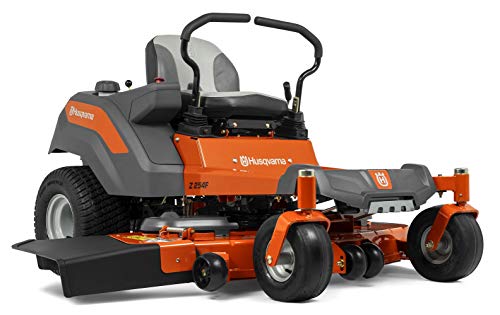
Husqvarna Z254F 54 in. 23 HP Kawasaki Zero Hydrostatic Turn Riding Mower
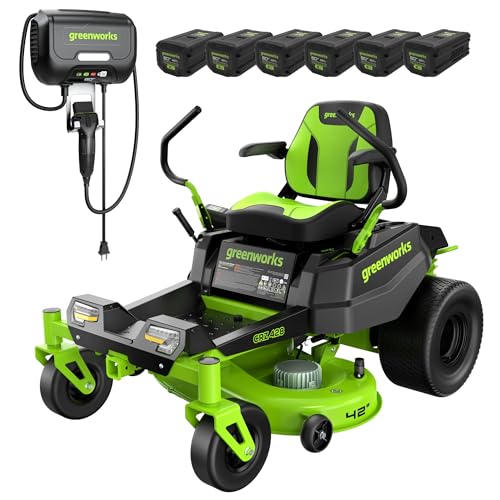
Greenworks Original 42Inch Residential Bagger Kit

INFRONT Remote Control Lawn Mower
More Details On Our Top Picks
For small yards, this is the plain-spoken option in the group, especially compared with the riding models later on. A 21-inch steel deck gives you a manageable cutting path, while the 144cc four-stroke OHV engine means you’re looking at a gas-powered walk-behind rather than a full-size tractor.
The 3-in-1 setup handles mulching, bagging, and side discharge, so you can match clippings to season and lawn condition. The trade-off is obvious, you’re pushing it yourself, which suits tighter spaces and trim-heavy yards more than long, open acreage.
What We Like
- Steel deck construction should feel sturdier than a lighter shell during regular storage and handling.
- Three clipping paths let you leave mulch in place, collect debris, or throw it aside as needed.
- Six height settings help you match grass length to the season without much fuss.
- The compact 21-inch cut width makes it easier to weave around beds, trees, and narrow side yards.
Points To Note
- Because it’s a push mower, mowing larger lots takes more effort than with any ride-on option here.
- Gas ownership usually means more routine upkeep than electric alternatives, especially around fuel storage and cleaning.
Feature Snapshot
Who It Suits Best
This fits homeowners with smaller lawns who want a straightforward mower and don’t mind the push format.
Where A Sibling Pick Shines
The EGO Power+ Electric Riding Lawn Mower TR4204 suits you better for larger properties where seated mowing saves time and effort.
Compared with the push mower above, this EGO setup is about reclaiming time on a residential lawn. The 42-inch deck gives you a broad cutting path, so each pass covers more ground, and the ride-on format means less physical strain during routine mowing.
For suburban lots with open stretches and a few landscape obstacles, that kind of size lands in a sweet spot. The honest read is that a riding tractor makes more sense here than on cramped property lines, where a smaller machine turns more easily.
Highlights
- Electric operation keeps the setup simpler than a gas tractor with more engine-related upkeep.
- The 42-inch deck helps shorten mowing time on medium-sized lawns.
- Seated steering is a real help for anyone covering lawn space every weekend.
- The lawn tractor shape suits general yard work better than a pure zero-turn machine in many suburban layouts.
Worth Noting
- Riding tractors still need garage or shed space, so storage matters before you commit.
- On very tight turns, a zero-turn model like the EGO Power+ Z6 may feel more agile.
Core Details
Made For
This suits homeowners with medium lawns who want a calmer ride and a simpler routine than a gas tractor often brings.
Another Choice May Suit
The EGO Power+ Z6 Zero Turn Electric Riding Lawn Mower ZT4214L fits better for people who want quicker turning and a more agile mowing style.
Right after the TR4204, this zero-turn version makes the difference clear: it’s built for sharper maneuvering rather than the calmer tractor feel. The 42-inch deck keeps the footprint familiar, but the steering style is better suited to yards with trees, beds, and tight cornering.
For people who care about cutting time as much as cutting grass, that matters a lot. A zero-turn machine can feel a bit more demanding at first, though, so the comfort zone here is usually a lawn with enough room to let the steering pay off.
Upsides
- Zero-turn steering helps you pivot around obstacles with less back-and-forth correction.
- The electric setup keeps day-to-day ownership simpler than a gas-powered mower of similar size.
- Its 42-inch deck offers the same broad coverage as the TR4204, with more agility.
- Well suited to yards that mix open stretches with detailed trimming around plantings.
Minor Gripes
- Zero-turn control feels different from a tractor, so there’s a learning curve for some people.
- Like any riding unit, it still needs meaningful storage space and charging or power planning.
- On narrow properties, the speed advantage matters less than simple maneuverability.
At A Glance
Best Suited To
This fits you best when your yard has enough open space to benefit from quicker turning and you want a more agile ride-on setup.
Reach For A Different Pick When
The Husqvarna Z254F suits larger properties better, especially when a 54-inch deck and gas power feel more natural for long mowing sessions.
After two ride-on options, this robot changes the whole job into an automation question. Dual-LiDAR mapping means it can build a layout of the lawn without perimeter wire, and that matters most for yards where you’d rather avoid a setup-heavy installation.
The built-in edge trimming, 3D obstacle avoidance, and app control make it feel more like a property manager than a mower in the old sense. The catch is that robotic mowing works best in a reasonably defined outdoor space, and very rough layouts can make setup more involved.
Bright Spots
- Wire-free mapping removes one of the more tedious parts of older robot mower setups.
- LiDAR helps the mower understand the yard layout in a more structured way.
- Built-in edge trimming can reduce the amount of follow-up work along borders.
- App-based control fits busy households that want to schedule yard care from a phone.
Small Caveats
- Robot mowing still depends on yard layout, so irregular spaces can take more planning.
- Seasonal debris and uneven ground can affect how hands-off the routine feels.
- Stock status may vary, so planning ahead matters more than it does with basic manual mowers.
Details At A Glance
Whose Shelf It Belongs On
This suits homeowners who want an automated routine and have a yard layout that can support wire-free mapping.
Look Elsewhere When
The LawnMaster OcuMow VBRM601YCM MAX fits better for small, simpler lawns where the size and setup stay more modest.
Where the ECOVACS aims for a broader, more feature-heavy setup, this LawnMaster keeps its focus tight and simple. It’s built for small lawns between 2,000 and 3,500 square feet, so you’re looking at a compact robot that makes sense in townhomes, side yards, and smaller suburban lots.
Optical navigation, obstacle avoidance, low noise, and a no-go function give it a sensible safety net for routine mowing. The trade-off is that the smaller coverage range leaves it in a narrower lane than the ECOVACS Goat A2000, which suits larger yards more comfortably.
Reasons To Buy
- Small-lawn sizing keeps the machine aligned with modest property footprints.
- Optical navigation adds structure without requiring a wire-based layout.
- Low noise helps it fit shared neighborhoods where louder mowing can be intrusive.
- The no-go function gives you a way to steer it away from spots you’d rather protect.
Softer Spots
- The coverage range is tuned for small lawns, not broad acreage.
- Robot upkeep still means clearing debris and checking the lawn path regularly.
Quick Facts
The Right Fit
This works best for homeowners with smaller lawns who want a compact robotic routine without stepping up to a larger mapping system.
Skip It When
The ECOVACS Goat A2000 LiDAR PRO is a better match for yards that need broader coverage and more advanced mapping behavior.
After the smaller robot mowers, the Husqvarna Z254F feels like a serious step up in scale. A 54-inch deck covers a wide path, and the 23 HP Kawasaki engine gives this zero-turn a more workhorse character than the electric riders earlier in the list.
For large lawns and broad open acreage, that combination is hard to ignore. The bigger footprint is the trade-off, of course, so you need storage room and enough yard to justify a deck this wide.
Standout Traits
- The 54-inch deck can cover a lot of ground in fewer passes.
- The Kawasaki engine adds the kind of gas-driven muscle that suits bigger mowing jobs.
- Zero-turn control helps around obstacles, even on large properties.
- It fits the kind of property where mowing time matters every week.
Areas To Watch
- The larger frame asks for more storage space than the 42-inch options.
- Gas upkeep brings more hands-on ownership than the electric riders in this roundup.
- The wide deck can feel excessive on small or tightly segmented yards.
Core Details
Who Should Grab It
This suits property owners with large lawns who want a wide deck and stronger gas performance for frequent mowing.
Where Another Pick Suits Better
The EGO Power+ Z6 Zero Turn Electric Riding Lawn Mower ZT4214L fits better for people who want a quieter electric route with a smaller 42-inch deck.
Unlike the mower-focused entries around it, this Greenworks kit is about cleanup, not cutting. For anyone using a compatible zero-turn or tractor, a bagger can make the finished yard look much tidier by collecting clippings instead of leaving them scattered.
That matters most during peak growth periods or after a stretch of damp weather, when a simple pass leaves more debris than you want on the lawn. The trade-off is that you’re adding another piece of equipment to store, attach, and empty.
Positives
- Bagging helps keep clippings under control after a fresh mow.
- The 42-inch design is tuned for residential machines rather than oversized commercial gear.
- It gives you a cleaner finish for lawns where visible clippings feel messy.
- Accessory ownership can extend the usefulness of a mower you already have.
Honest Caveats
- You’ll need storage room for the bagging hardware as well as the mower itself.
- Attachment and emptying add extra steps to each mowing session.
- Compatibility matters, so this fits only the zero-turn or tractor setups it was designed around.
Feature Rundown
Built With In Mind
This is for homeowners who already have a compatible mower and want a cleaner finish after cutting.
Swap It Out When
The Husqvarna Z254F makes more sense for the main mowing job itself, especially on larger lawns where a wide deck matters more than collection.
This one stands apart from everything else here because it’s remote controlled and built on tracks, not a conventional seat-and-steer layout. For slopes, uneven ground, or awkward terrain, that setup changes the way you think about mowing, almost like swapping a regular ladder for a platform on wheels.
The gas-electric hybrid design adds another layer of flexibility, and the 45-degree slope climbing claim points to a machine made for difficult terrain rather than polished suburban turf. The honest read is that it’s very specialized, so the value comes from a yard that really needs those traits.
Best Bits
- Remote operation helps keep you off the machine during tough mowing jobs.
- Tracked movement can make sense on rough ground where wheels may struggle.
- The slope-climbing angle matters for properties with steep grades or uneven transitions.
- Hybrid power broadens the appeal for demanding outdoor work.
Room For Improvement
- This is far more specialized than a standard riding mower, so many lawns won’t need it.
- Hybrid and remote-control gear tends to ask for more learning and more attention during setup.
- Storage and maintenance may feel more involved than with a basic tractor or robot mower.
Technical Sheet
Perfect Match For
This suits property owners who deal with rough, sloped, or hard-to-reach ground and want remote operation instead of a seated mower.
A Better Fit Elsewhere
The Husqvarna Z254F is the better match for large but more conventional lawns where a powerful ride-on mower makes more sense.
How To Choose The Right Riding Lawnmowers
Match the machine to the yard size
The first filter is simple, how much ground you cover and how often you mow it. A 42-inch riding mower can feel just right for a suburban lot, while a 54-inch deck starts making more sense when the lawn is broad enough to justify fewer passes. Smaller properties often benefit more from a push mower or a compact robot than from a large tractor that spends its time turning around.
Think about terrain before engine power
Flat lawns and rough, sloped lawns need different tools. A zero-turn like the EGO Power+ Z6 helps around trees and landscape beds, while the INFRONT remote-control unit suits steep or uneven ground far better than a standard ride-on shape. The right choice here depends less on horsepower bragging rights and more on how the mower actually moves across your property.
Decide how hands-on you want to be
Some setups ask for your attention every time, and others quietly handle the routine for you. A robot mower such as the ECOVACS Goat A2000 fits a busy schedule, while a gas tractor like the Husqvarna Z254F gives you direct control and a more traditional mowing rhythm. The trade-off is maintenance, because automation reduces effort but usually adds setup logic, and gas equipment adds fuel and service chores.
Don’t ignore storage and cleanup
A ride-on mower takes real room, which sounds obvious until garage shelves and lawn gear start competing for space. Add-ons like the Greenworks bagger kit can improve the finish, but they also add another component to store, attach, and empty. For most households, the best choice is the one that fits your storage, your clipping habits, and the time you want to spend after the cut.
A Quick Reality Check
Common Shopping Slip Ups
Many people fixate on deck size and forget turning room, storage space, and yard layout. That’s how a mower that looks efficient on paper ends up feeling awkward around fences, beds, or narrow gates.
Another common miss is choosing a robot mower for a lawn that isn’t well suited to automation. Wire-free mapping helps, but uneven edges, clutter, and complex zones still need attention.
The Upgrade Payoff
Higher-tier machines usually cost more because you’re paying for control style, cutting width, sensing hardware, and tougher build components. A wider deck saves time on bigger properties, while features like LiDAR mapping or zero-turn steering save effort in specific layouts.
The upgrade makes sense when your lawn regularly exposes the limits of a basic machine. For a broad, well-kept property, the extra spend can feel sensible; for a small lawn, the simpler option usually stays smarter.
Frequently Asked Questions
Are riding lawnmowers better than push mowers for every yard?
No, smaller lawns often make a push mower the more sensible tool. Riding mowers start paying off when lawn size, time, or physical effort becomes a real factor.
What’s the main difference between a tractor and a zero-turn mower?
A tractor usually feels steadier and more familiar, while a zero-turn mower turns more tightly around obstacles. The zero-turn style tends to suit lawns with lots of landscaping or a need for faster maneuvering.
Do robotic mowers work well on larger lawns?
They can, but the yard has to fit the mower’s mapping and coverage range. Smaller, cleaner layouts usually make the experience smoother than irregular properties.
Is a bagger kit worth it?
It can be, especially during heavy growth or when you want a tidier finish. The trade-off is extra storage, extra handling, and more time after mowing.
What matters most for hilly property?
Traction, slope handling, and control style matter more than a flashy deck size. The INFRONT remote-control mower stands out here because it’s built for difficult ground rather than standard flat turf.
Closing Thoughts
You’re not just choosing a mower, you’re choosing how your yard gets handled week after week. A small lawn may call for the PowerSmart push mower, while a broad property starts making a stronger case for the Husqvarna Z254F or one of the EGO ride-ons. Robot models like the ECOVACS and LawnMaster shift the job toward automation, and the Greenworks bagger adds polish to an existing setup. Pick the machine that matches your space, your storage, and how much effort you want to spend after the grass is cut.
