

Riding mower engines matter most when your machine is already down and the grass is still growing. You need the right shaft style, displacement, and starting setup so the swap fits your mower instead of creating another repair job. This roundup focuses on engines and a full riding mower option that suit different deck sizes, power needs, and repair comfort levels.
Quick Look At The Shortlist

Briggs & Stratton 33S877-0019-G1 Professional Series 19 HP 540cc Vertical Engine
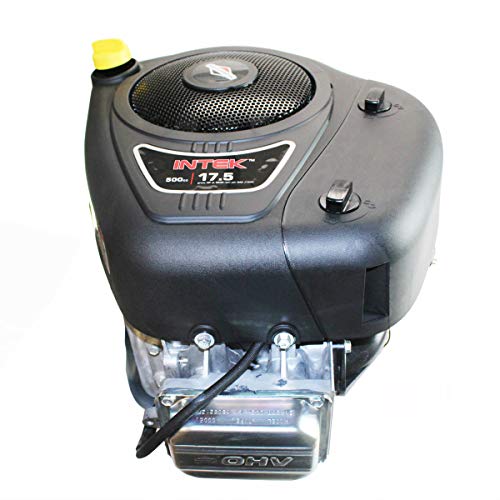
Briggs and Stratton Vertical 17.5 HP 500cc INTEK Engine #31R977-0054

Briggs and Stratton 13R232-0001-F1 Engine

BRIGGS & STRATTON 44S977-0033-G1 25 GHP Vertical Shaft Engine

BILT HARD 420cc 15HP Gas Engine with Electric Start

Gas Engine Vertical Shaft, 4.4HP 173cc 4-Stroke OHV Gas Motor
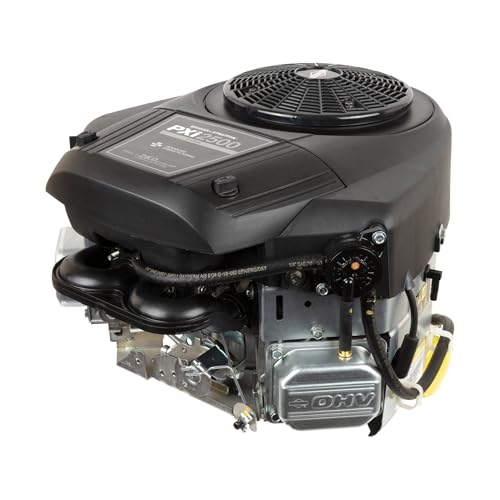
Briggs & Stratton 44S977-0032-G1 25 GHP Vertical Shaft Engine
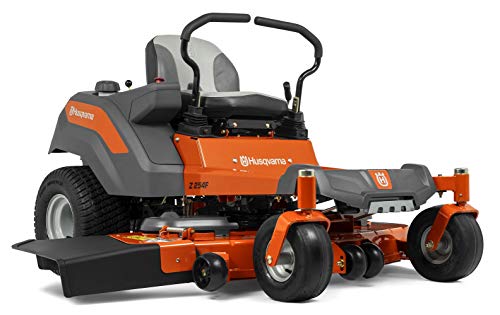
Husqvarna Z254F 54 in. 23 HP Kawasaki Zero Hydrostatic Turn Riding Mower
More Details On Our Top Picks
That 540cc vertical layout gives you a serious replacement path for many riding mowers that need familiar shaft orientation and enough output for regular yard work. Compared with the smaller Aceup Energy engine later in the list, this one sits much higher in the power range, so it suits larger decks and heavier cutting loads better.
The honest read is that this kind of engine makes sense for you only when the rest of the mower is worth saving. For a homeowner with a mid-size property, it can feel like the practical middle ground between undersized and overbuilt.
Strong Points
- 540cc displacement gives you room for demanding cutting conditions.
- Vertical shaft design fits many riding mower replacements.
- Good match for keeping a sound mower frame in service.
- Less likely to feel underpowered than smaller 173cc or 500cc picks.
Things To Consider
- Installation still depends on matching mounts and shaft details.
- This is more engine than a small yard usually needs.
- Maintenance on a replacement engine can be a longer-term job than replacing a whole mower.
Feature Snapshot
Who It Suits Best
You get the most from this engine when your riding mower needs a capable replacement for medium to larger residential use and the original setup was vertical shaft based.
A Better Fit Elsewhere
Briggs & Stratton 44S977-0033-G1 suits you better for a power-hungry mower, while the Aceup Energy vertical shaft engine makes more sense for a lighter-duty machine.
Compared with the 19 HP Briggs & Stratton above, this INTEK engine trims output a bit while keeping the same vertical-shaft logic that matters for many riding mower swaps. The 500cc class is still substantial, so you are not stepping down into a small-engine compromise.
For a typical yard, that can be a sensible balance, especially when your mower frame is good but the original engine has given out. The 1 inch by 3-5/32 inch shaft detail is the sort of detail that saves headaches later, because fit matters more than brochure language.
What We Like
- 500cc displacement leaves healthy breathing room for routine mowing.
- Vertical configuration suits many riding mower replacement jobs.
- Shaft sizing is clearly spelled out for compatibility checks.
- Good middle-ground option between smaller and heavier-duty engines.
Worth Noting
- The listing notes hazardous-material shipping rules, so delivery planning matters.
- It is marked non-returnable, which raises the stakes on measuring twice.
- Installation still calls for careful match-up with your original hardware.
Core Details
Who Will Love This
You are the best match for this engine when you need a straightforward vertical-shaft replacement and your mower already sits in the common residential power range.
Where A Sibling Pick Shines
Briggs & Stratton 33S877-0019-G1 is the better call for a more muscular replacement, while the Aceup Energy 173cc engine suits lighter repair needs.
The smaller footprint matters here more than raw power, which is exactly why this Briggs & Stratton engine earns a place in a repair-minded list. At 14.5 by 12 by 13.5 inches, it looks better suited to tighter engine bays than the larger 540cc and 500cc options ahead of it.
That makes it a sensible option for a mower that needs a close dimensional match, not just a broad category match. In a busy garage, that kind of restraint can save a lot of backtracking.
Positives
- Compact dimensions help in tighter mower compartments.
- Works as a focused replacement part rather than a full machine swap.
- Good fit for owners who value exact hardware alignment.
Minor Gripes
- Dimensions are the main clue here, so you need to confirm fit carefully.
- Lower-size replacement engines naturally suit lighter work better than big yards.
- Nothing in the source points to extra convenience features.
Details At A Glance
Made For
You should look at this engine for a mower repair where physical fit matters more than chasing larger displacement numbers.
Another Choice May Suit
Briggs & Stratton 44S977-0032-G1 is a better fit for heavier mowing demands, while the Aceup Energy vertical shaft engine works well for simpler small-engine replacements.
This 25 GHP Briggs & Stratton sits near the top of the power range in this roundup, so it naturally suits mowers that ask more from the engine. Compared with the 17.5 HP INTEK, you are looking at a more muscular replacement path for larger or more demanding yard work.
For a property with thicker grass or a wider deck, that extra headroom can feel worthwhile. The trade-off is simple: you need a mower chassis and drivetrain that can genuinely make use of it.
Upsides
- 25 GHP output supports tougher mowing conditions.
- Vertical shaft format lines up with many riding mower designs.
- Good choice for saving a strong mower frame from retirement.
- Feels better matched to larger residential properties than smaller engines.
Areas To Watch
- This much output is wasted on a light-duty mower.
- Fit checks still matter just as much as power numbers.
- Replacement engines like this are most sensible when the rest of the machine is in decent shape.
Technical Sheet
Built With In Mind
You fit this engine best when your riding mower needs stronger output and you want a replacement that keeps a capable machine working.
Look Elsewhere When
Briggs & Stratton 33S877-0019-G1 makes more sense for a slightly lower-output vertical replacement, and the Aceup Energy engine is the simpler path for lighter-duty repairs.
Electric start changes the day-to-day experience here, because you skip the usual pull-cord routine and move straight to getting the machine running. That makes this BILT HARD engine feel different from the Briggs & Stratton replacements above, since it leans into convenience as much as output.
The horizontal shaft also shifts its role away from the vertical-shaft mower swap crowd. For gardeners who keep multiple pieces of equipment around, that multi-use angle can make sense, though the fit work needs extra attention.
Best Bits
- Electric start adds real convenience for routine use.
- 420cc size gives it enough presence for general-purpose work.
- Horizontal shaft widens the kinds of projects it can suit.
- 4-stroke OHV design is a familiar layout for many small-engine jobs.
Softer Spots
- Horizontal shaft means it is not a simple fit for every riding mower.
- Multi-use engines can still require careful mounting and alignment.
- It makes more sense for a project-minded setup than a direct like-for-like mower swap.
Feature Rundown
The Right Fit
You are in the right lane with this engine when your project values electric start and horizontal-shaft compatibility more than a strict mower-only replacement.
Reach For A Different Pick When
Briggs & Stratton 44S977-0033-G1 suits a vertical riding mower swap better, while the Aceup Energy engine is the leaner choice for a basic lawn-mower refresh.
This Aceup Energy engine takes a more stripped-down route, and that can be a relief when you only need a workable replacement for a smaller mower. The primer bulb, recoil start, and 0.9-gallon fuel tank make it feel built around straightforward day-to-day use rather than fancy extras.
Compared with the larger Briggs & Stratton options, it clearly belongs in lighter-duty territory. You may find it especially useful for a basic lawn mower that needs a fresh start without a complicated install.
Bright Spots
- 173cc size keeps the engine compact and approachable.
- Primer-assisted starting helps with cold starts.
- Vertical shaft design suits many lawn mower replacements.
- Simple layout makes it easier to understand at a glance.
- 4.4 HP rating is enough for basic mowing tasks.
Small Caveats
- Power is clearly lower than the bigger Briggs & Stratton picks.
- The shaft dimensions need careful checking before installation.
- Best suited to lighter mowing rather than large-property work.
- Recoil start means you still have a manual pull to manage.
Core Details
Whose Shelf It Belongs On
You should look at this engine for modest lawn care needs, especially where a compact vertical replacement is enough to keep the mower useful.
Swap It Out When
Briggs & Stratton 13R232-0001-F1 is better if you need a more dimension-focused replacement, and Briggs & Stratton 33S877-0019-G1 suits larger mowing loads far better.
This 25 GHP engine follows the same heavy-output logic as the 44S977-0033-G1, so the comparison between the two is less about raw category and more about which exact part number your mower needs. For a repair that has to stay close to factory matching, that distinction matters more than most people expect.
In a large yard, the extra power class can help a mower feel less strained. The catch is that a high-output replacement still needs a frame, belt setup, and mounting pattern that can support it cleanly.
Reasons To Buy
- 25 GHP output supports demanding mowing needs.
- Vertical shaft design aligns with riding mower replacement work.
- Good fit for restoring stronger mowing performance in an aging machine.
- Useful when you want a powerful engine without replacing the full mower.
Room For Improvement
- Part-number matching is important, because this is a specific replacement path.
- Higher output can be overkill for smaller yards.
- Owners usually need to plan for careful installation and routine engine upkeep.
Feature Card
Perfect Match For
You are looking at a strong match for a riding mower repair that needs a vertical-shaft engine with serious output.
Skip It When
Briggs & Stratton 44S977-0033-G1 is the closer sibling for a similar heavy-duty role, while the Aceup Energy engine is easier to justify for lighter mowing jobs.
Unlike the other entries here, this Husqvarna is a full riding mower rather than a replacement engine, so it belongs in the list as the out-of-the-box option. The 54-inch deck and 23 HP Kawasaki setup point toward a machine meant to cover more ground with less fuss.
That makes it a strong fit for you if the old mower is too far gone to justify an engine swap. In that situation, the hydrostatic turn setup can feel smoother to manage than a basic sit-down mower, especially around obstacles.
Highlights
- 54-inch deck covers a wide mowing path.
- 23 HP Kawasaki engine gives it a stronger power profile.
- Zero-turn design helps around trees, beds, and corners.
- Hydrostatic drive usually appeals to shoppers who want smoother speed control.
Points To Note
- This is a full mower, not a replacement engine.
- It makes sense only when you want to replace the entire machine.
- Storage space and routine maintenance matter more than with a loose engine.
Feature Rundown
Right Fit
You belong here when replacing the whole mower makes more sense than putting money into an engine swap.
Where Another Pick Suits Better
Briggs & Stratton 33S877-0019-G1 is the better route for a repair-focused vertical engine project, while BILT HARD 420cc 15HP makes more sense for a horizontal-shaft equipment build.
How To Choose The Right Riding Lawn Mower Engines
Match Shaft Layout Before Anything Else
Vertical shaft and horizontal shaft are the first checks that matter, because the wrong orientation can turn a good engine into a dead end. Vertical-shaft engines suit many riding mower layouts, while horizontal-shaft options fit a different class of equipment and are not a simple swap.
Measure the old engine’s mounting points, shaft length, and keyway before you get drawn in by horsepower. That’s the difference between a repair that settles in nicely and one that keeps demanding extra parts.
Size The Power To The Yard
Displacement, usually shown in cc, helps you compare engine size, while horsepower gives a plain power reference. A 173cc engine works better for a lighter mower or modest lawn, while 500cc and 540cc engines sit in a stronger class for bigger decks and tougher growth.
You do not need the biggest engine on paper. You need enough power for your grass, your deck width, and the pace you expect on a Saturday morning.
Think About Starting And Service Habits
Electric start can be a real convenience, especially for anyone who uses the mower often or dislikes repeated pull starts. Primer bulbs and recoil starts are more basic, but they keep the setup simpler and often cheaper.
Also look at what regular upkeep will feel like in real life. Oil changes, air filter access, and general mounting access matter more than glossy listing language once the engine is in the shed.
Decide Between Repair And Replacement
Some mowers deserve a new engine, while others are better off as a full machine replacement. A solid frame, good deck, and otherwise healthy drivetrain make a replacement engine worth serious thought.
On the other hand, a worn-out mower with multiple weak points can soak up time and parts money. In that case, a full riding mower like the Husqvarna option may be the cleaner path.
What To Weigh Before You Click Through
Common Shopping Slip Ups
People often start with horsepower and skip fit details, which is backwards for engine swaps. Shaft direction, dimensions, and starting setup should come first, because those decide whether the part actually belongs on your machine.
Another common mistake is treating a replacement engine like a universal fix. It rarely is, and a little measuring now saves a lot of wrench time later.
What The Higher Tier Buys
Higher-output engines usually bring more metal, more displacement, and a stronger parts set around the core assembly. That extra material and output are what you pay for, not just a bigger number on the label.
The upgrade makes sense for wider decks, heavier grass, or mowers that need to keep going after a lot of seasons. For lighter yards, the simpler engine often leaves you with less complexity and less weight to manage.
Frequently Asked Questions
How do you know whether a riding mower needs a vertical shaft engine?
Look at the original engine orientation and the way the deck is driven. Riding mower swaps usually demand the same shaft style as the machine already uses.
Is more horsepower always better?
No, because the mower frame and drivetrain still need to match the engine. Extra power helps only when the rest of the machine can use it well.
What does cc mean on a lawn mower engine?
Cubic centimeters, or cc, describe engine displacement, which is a rough measure of engine size. Bigger cc numbers usually point to a stronger engine class, though setup still matters.
Should you replace the engine or the whole mower?
Repairing the engine makes sense when the deck and frame are still in good shape. A full mower replacement is often cleaner when several major parts are worn out.
Why do shaft dimensions matter so much?
The shaft has to match the mower’s mounting and drive setup, or the engine will not fit correctly. Even a powerful engine becomes a poor choice when the shaft details are off.
Closing Thoughts
You get the best result by matching the engine to the machine first, then looking at power and convenience. For a straight riding mower repair, the Briggs & Stratton vertical-shaft picks make the most sense, while the BILT HARD option suits a different kind of project entirely. The Aceup Energy engine covers lighter needs, and the Husqvarna belongs in the full-replacement lane. Choose the fit that saves you the most time, not the one with the loudest spec sheet.
