

Remote lawn mowers make sense when your yard has steep grades, awkward edges, or too much ground for a push mower to feel practical every week. You get a cleaner routine, less physical strain, and a setup that fits everything from a small suburban lawn to a rough estate slope. The right choice depends on how much grass you cover, how much terrain changes under the tires, and whether you want wire-free automation or hands-on control. This roundup keeps those differences front and center.
Quick Look At The Shortlist

ECOVACS Goat A2000 LiDAR PRO Robotic Lawn Mower 1/2 Acre Wire-Free
ECOVACS Goat A3000 LiDAR PRO Robotic Lawn Mower 3/4 Acre
18HP Remote Control Lawn Mower 31.5-Inch Tracked Slope Mower

WORX Robot Lawn Mower WR320 1/2 Acre No Perimeter Wire

LawnMaster OcuMow VBRM601YCM MAX Perimeter Wire Free Robot Lawn Mower
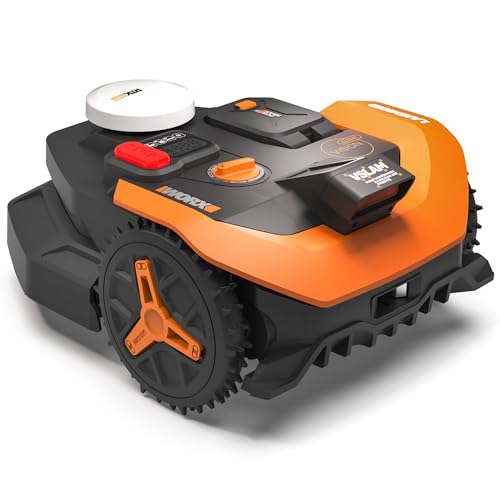
WORX Robot Lawn Mower WR310 1/4 Acre No Perimeter Wire
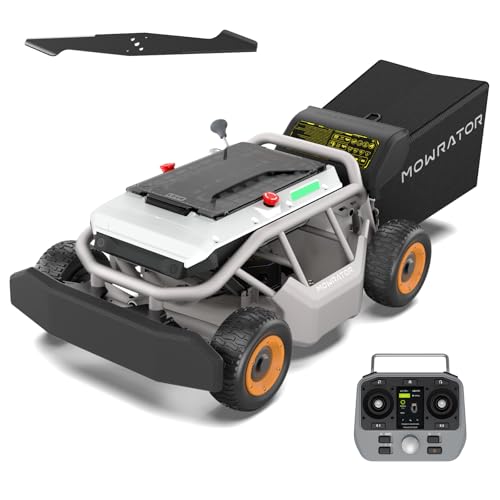
Mowrator S1 4WD 12Ah Remote Control Lawn Mower 21-Inch

AIWEIYA Remote Control Lawn Mower Oil-Electric Hybrid Crawler Track Mower
More Details On Our Top Picks
The Goat A2000 makes sense for yards that need mapping without perimeter wire fuss. Dual-LiDAR uses laser sensing to read the yard layout, which helps the mower understand boundaries and routes without the old buried-cable routine.
The built-in edge trimmer matters most around patios and fence lines, where unfinished borders stand out fast. Compared with the WORX models later in this list, this one leans more toward hands-off automation than broad slope muscle, so it fits homeowners who want less setup and fewer manual corrections.
Strong Points
- Wire-free setup keeps the yard from needing a buried boundary cable.
- Dual-LiDAR mapping helps it orient itself in a structured way.
- Edge trimming support can reduce the amount of follow-up work near borders.
- App control suits routine scheduling from the porch or garage.
Points To Note
- Half-acre coverage is a better fit for modest suburban lawns than sprawling acreage.
- Like most robotic mowers, it needs a tidy yard with fewer stray objects left out.
Core Details
Who It Suits Best
Homeowners with a medium-size yard who want wire-free convenience and app-based control fit this model well.
A Better Fit Elsewhere
The Mowrator S1 4WD 12Ah Remote Control Lawn Mower suits you better for steep, hands-on mowing where traction matters more than autonomy.
The A3000 steps up for yards that need more mowing capacity without jumping to a commercial machine. Its fast charging and stated mowing output up to 400 m²/h point to a machine built for shorter windows between passes, which helps on larger lawns that still need regular touch-ups.
Compared with the A2000, this version is the stronger fit for a lawn that feels a little too big for the half-acre model. The trade-off is simple, it makes more sense on properties where you want throughput and coverage first, not just a neat wire-free setup.
What We Like
- Three-quarter-acre coverage gives it room to handle larger suburban lots.
- Fast charging helps shorten the wait between mowing cycles.
- Up to 400 m²/h mowing output suits lawns that need efficient routine upkeep.
- Dual-LiDAR navigation keeps the wire-free setup theme consistent with the A2000.
Worth Noting
- The added capacity only matters fully on lawns that actually need it.
- A larger robot can take more planning around storage and placement.
Feature Snapshot
Who Will Love This
You get the most from this model on a larger residential lawn that needs efficient upkeep and less waiting between runs.
Another Choice May Suit
The ECOVACS Goat A2000 LiDAR PRO Robotic Lawn Mower suits smaller yards better, especially where half-acre coverage already feels sufficient.
This one speaks to rough ground, steep banks, and work zones where a robotic mower would feel out of place. The tracked undercarriage and dual brushless motors give it a very different personality from the ECOVACS models, because it’s built for direct control rather than automatic mapping.
For an overgrown slope, that 45° climbing spec is the detail that tells you where it belongs. It suits property owners, landscapers, and estate managers who need a machine that stays composed on difficult terrain, though the size and purpose make it more specialized than a general yard helper.
Upsides
- Tracked drive helps it keep traction on uneven ground.
- Dual brushless motors point to a stronger, lower-maintenance drive setup than basic motor designs.
- The 31.5-inch deck covers a wider path with each pass.
- Remote control operation fits sites where you want direct steering.
- 45° climbing ability makes steep sections less intimidating.
Small Caveats
- Its specialized format is more machine than casual lawn tool.
- Tracked equipment usually deserves more storage space and more cleaning after muddy work.
- It suits terrain work better than polished suburban routines.
Technical Sheet
Made For
You get the most from this mower on steep, uneven, or rugged land where hands-on control matters more than automation.
Where A Sibling Pick Shines
The Mowrator S1 4WD 12Ah Remote Control Lawn Mower suits mixed slope work better for homeowners who still want remote control but with a more lawn-focused footprint.
The WR320 leans into wire-free setup and cloud-guided navigation, so it feels approachable for homeowners who want less installation work. RTK cloud navigation uses positioning data to help the mower understand where it’s going, which makes the system feel more structured than a simple random-path robot.
Compared with the ECOVACS models, this one stands out more for the WORX ecosystem and its stated 30% slope handling than for raw acreage expansion. In most yards, that makes it a sensible middle ground, especially for people who want automation without moving up to a bigger machine than the lawn really needs.
Bright Spots
- No perimeter wire keeps installation simpler than older robot-mower setups.
- AI obstacle avoidance helps it steer around common yard objects.
- Auto mapping and app control make routine adjustments easier.
- 30% slope capability broadens its fit beyond flat lawns.
Areas To Watch
- Cloud-based navigation can feel more dependent on a connected setup than a fully manual mower.
- Half-acre coverage is useful, but not the right answer for very large properties.
Details At A Glance
The Right Fit
This suits you best when you want a wire-free robot for a medium lawn and prefer a fairly straightforward setup.
Swap It Out When
The ECOVACS Goat A3000 LiDAR PRO Robotic Lawn Mower fits better for a larger property that needs more mowing capacity.
The OcuMow MAX is aimed at smaller lawns where wire-free mowing still sounds appealing, but you don’t need the heavier capabilities of the larger ECOVACS or WORX models. Optical navigation means it uses visual sensing to help guide movement, and that can feel like a good fit for simple yard shapes.
The no-go function is handy in the everyday sense, because it lets you define places you’d rather the mower leave alone. You may find it especially practical for compact yards with garden beds, play areas, or other fixed obstacles that don’t move from week to week.
Reasons To Buy
- Designed for small lawns, so it’s easier to size correctly for compact properties.
- Perimeter wire-free setup keeps installation lighter.
- Optical navigation helps it work from visual cues instead of buried cable layout.
- Low-noise operation suits close neighborhoods and early mowing routines.
- No-go function adds a simple way to protect defined spaces.
Honest Caveats
- Its size range is much smaller than the half-acre and three-quarter-acre robots in this roundup.
- Visual navigation usually works best when the lawn layout stays orderly.
- Small-yard focus means it is less appealing once property size starts climbing.
Core Details
Whose Shelf It Belongs On
This belongs with homeowners who have a compact, orderly lawn and want a simpler robot mower without a lot of setup complexity.
A Better Fit Elsewhere
The WORX Robot Lawn Mower WR320 suits a larger yard better, especially where half-acre coverage and 30% slope handling matter more.
The WR310 feels like the smaller sibling to the WR320, and that difference matters a lot for property fit. A quarter-acre cap makes it easier to place in compact suburban yards where the bigger WORX model would be more mower than you need.
Its no-perimeter-wire approach, app control, and mapping features keep the convenience story intact. The honest read is that it makes the most sense for smaller lawns with decent layout simplicity, not for yards that keep changing shape with every season.
Best Bits
- Quarter-acre coverage keeps the scale focused on smaller properties.
- No perimeter wire lowers installation hassle.
- AI obstacle avoidance helps in day-to-day yard clutter.
- Auto mapping and app control help you manage routine mowing with less manual effort.
Room For Improvement
- Smaller coverage means it is not the right step-up for larger lawns.
- Like the other robot models here, it works best when the yard stays reasonably tidy.
Feature Rundown
Built With In Mind
You suit this model best when your lawn is smaller and you want wire-free mowing without paying for oversized capacity you won’t use.
Look Elsewhere When
The ECOVACS Goat A2000 LiDAR PRO Robotic Lawn Mower suits larger lawns better, especially when half-acre coverage feels too tight.
The Mowrator S1 sits in a very different lane from the robot mowers above it. Four-wheel drive, a 21-inch cutting width, and a remote-control format make it a practical answer for owners who want direct steering on hills rather than a machine that thinks its way around the yard.
The LiFePO4 battery, a lithium iron phosphate pack, matters because that chemistry is known for stable, work-oriented power delivery. For a long driveway slope or a broad backyard incline, you may find the remote format easier to trust than an autonomous unit that has to interpret the whole scene on its own.
Positives
- 4WD gives it traction confidence on sloped ground.
- Remote control steering feels more direct for tricky terrain.
- 21-inch width helps cover a usable strip without becoming unwieldy.
- 12Ah LiFePO4 power supports longer mowing sessions than smaller packs usually do.
- Height settings from 1.5 to 4.3 inches give useful trimming range for common lawn styles.
Softer Spots
- Remote operation asks more attention from you than a robot mower.
- Its strengths show up most on slopes and open working areas.
- Flat, tidy suburban lawns may not need this much machine.
At A Glance
Perfect Match For
You fit this model best when your property has slopes, uneven patches, or areas that feel better handled through direct remote control.
Where Shoppers Go Wrong
The AIWEIYA Remote Control Lawn Mower suits heavy estate work better, especially when crawler tracks and hybrid power matter more than a lighter lawn-focused machine.
AIWEIYA’s hybrid crawler design puts it firmly in the heavy-duty camp. The oil-electric format and tracked chassis point to a machine built for large turf areas and steep land where traction, endurance, and stability matter as much as the cut itself.
The cutting-height range from 1.1 to 5.9 inches gives it a wide working window, which is useful on estates that move between cleaner lawn sections and rougher grass. Compared with the Mowrator S1, this feels less like a general hillside mower and more like a specialized landscape tool for demanding ground.
Highlights
- Hybrid oil-electric power gives it a different operating profile from battery-only models.
- Crawler tracks help it hold its footing on difficult terrain.
- 45° slope capability suits severe grades.
- Wide cutting-height range adds flexibility across mixed turf conditions.
- Remote control operation keeps steering direct on large properties.
Things To Consider
- Its scale is better matched to estate or professional use than casual suburban mowing.
- Tracked machines usually call for more cleanup after muddy or dusty work.
- The hybrid setup will feel more specialized than a standard lawn robot.
Core Details
Who Should Grab It
You suit this mower best when you manage large turf, estate land, or steep sections that need a more industrial approach.
Where Shoppers Go Wrong
The Mowrator S1 4WD 12Ah Remote Control Lawn Mower is the better fit for homeowners who want slope control without moving into this much machine.
How To Choose The Right Remote Lawn Mowers
Match The Machine To Your Yard Shape
Yard size comes first, because coverage numbers tell you more than flashy feature names do. A half-acre robot makes sense for a standard suburban property, while a quarter-acre model suits tighter lawns that do not justify extra capacity. Remote-control machines are a different story, since they focus on terrain and access rather than automated route planning.
Shape matters almost as much as acreage. Narrow runs, tree-heavy corners, and island beds tend to favor wire-free robot mowers with mapping or obstacle avoidance, while open slopes often belong to tracked remote-control units. That split is the quickest way to avoid underbuying or overbuying.
Think About Terrain Before Features
Slopes change the whole conversation. A 30% slope robot is fine for moderate hills, but a 45° tracked mower belongs on steeper, rougher ground where traction matters more than app polish. The difference is a bit like choosing hiking boots versus sneakers, the surface decides the gear.
Look at drive style, too. Four-wheel drive and crawler tracks are useful on loose soil, wet banks, and bumpy edges, while lighter robots are easier to live with on flatter lawns. The trade-off is usually weight, storage space, and how much manual involvement you want.
Pay Attention To Setup And Control
No-perimeter-wire models save time during installation, which helps a lot when you do not want to bury cable or reshape the yard around a boundary. LiDAR, RTK cloud navigation, and optical navigation are different ways of helping the mower understand where it is, and each one works best in a yard that matches its design. For the average homeowner, simpler setup often beats clever features you will rarely use.
App control is handy for scheduling and status checks, while remote control is better for direct steering and difficult ground. The honest choice depends on whether you want the mower to think for itself or stay under your hand the whole time.
A Quick Reality Check
Wrong Turns To Avoid
Shoppers often focus on acreage alone and miss the terrain details. A mower sized for the right lawn area can still feel wrong on a steep bank, and a slope-capable model can feel oversized on flat turf.
Another common miss is setup complexity. Wire-free looks simple on paper, but your yard still needs decent layout discipline, fewer loose objects, and a path that suits the navigation system.
The Upgrade Payoff
Higher-tier remote lawn mowers usually cost more because they mix stronger drive systems, smarter navigation, and better terrain handling. LiDAR, RTK mapping, brushless motors, 4WD, and crawler tracks all add capability that basic lawn robots usually skip.
That extra spend makes sense when your property pushes the limits, especially on steep slopes, larger lawns, or mixed surfaces. For a straightforward small yard, a simpler model often gives you enough help without excess complexity.
Frequently Asked Questions
What makes a remote lawn mower different from a robot mower?
A remote mower stays under your direct control, which helps on slopes and uneven ground. A robot mower handles mowing more independently through mapping or boundary guidance.
Do wire-free models need less setup?
They usually avoid the buried perimeter cable step, which saves time and cleanup work. You still need a yard layout that suits the navigation system.
Which kind works better on steep ground?
Tracked remote-control machines and 4WD models handle steep terrain more naturally. Robotic models are better for moderate slopes and more regular lawn shapes.
How much lawn area should you match to the mower?
Choose the mower around your real grass area, not the whole property. Half-acre, quarter-acre, and smaller-square-foot ranges are the clearest guideposts here.
Is app control useful on a lawn mower?
Yes, especially for scheduling and status checks without walking out to the machine. It matters most on robotic models that stay in routine use.
Closing Remarks
The right remote lawn mower depends on what your yard asks from you, not on the longest feature list. A half-acre robot works well for a tidy home lawn, a tracked remote machine makes sense on steep ground, and a compact model keeps things practical on smaller turf. Once you match coverage, slope, and control style, the rest falls into place more cleanly. That’s the real shortcut to a calmer mowing routine.
