

Weed prevention gets easier when you match the product to your lawn’s timing, size, and maintenance style. Some choices suit large suburban yards, while others fit smaller spaces, mixed turf, or setups that need a fertilizer pairing. The right pre-emergent can save you from chasing crabgrass later, but the wrong one can feel like overkill or miss the window entirely.
This roundup keeps the focus on practical use, not marketing gloss. You’ll see granular, concentrate, and combo options, plus a few choices that make more sense for early spring, fall, or broader turf programs. That makes it easier to choose a product that fits the way you actually care for your yard.
Quick Look At Our Top Picks

The Andersons Barricade 50 lb Bag

Prodiamine 65 Wdg 5lbs Pre-emergent Grass Broadleaf Weeds

Scotts Halts Crabgrass & Grassy Weed Preventer 20.12 lbs.

The Andersons Professional Surge Weed and Feed 16-0-9

DOW Snapshot 2.5 TG Granular Pre-emergent Herbicide
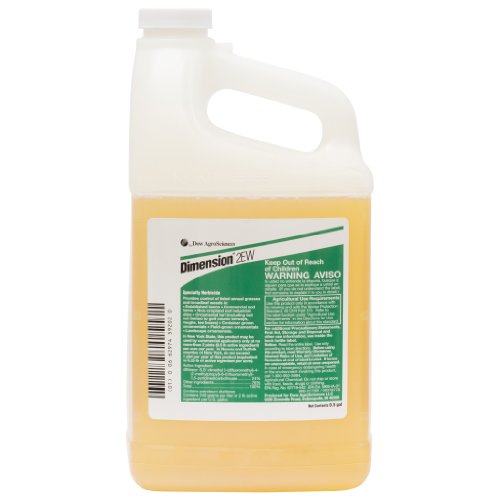
Dimension 2EW Herbicide 0.5 Half Gallon

The Andersons 18-0-4 Barricade Fertilizer with Pre Emergent Weed Control 10,000 sq ft 40 lbs
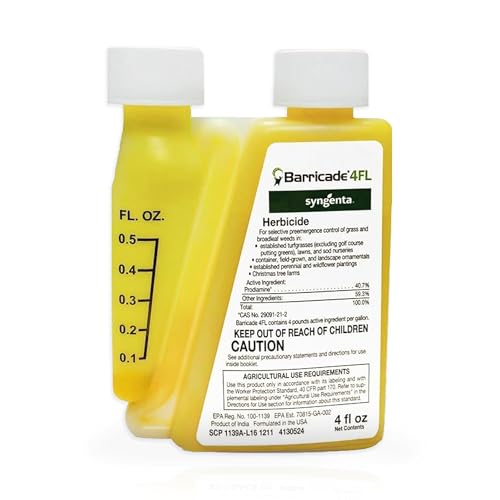
Barricade 4FL Herbicide Concentrate 4 Fl Oz
More Details On Our Top Picks
Large lawns benefit from a bag like this because it leans into straightforward coverage and a pro-style prodiamine formula. It’s made for early spring and fall timing, so it fits the classic pre-emergent window rather than a rescue job after weeds are already up.
The honest trade-off is simple, it won’t fix an existing weed problem, so you need a clean timing plan. That said, turf managers and serious home lawn caretakers usually appreciate the long-view approach, especially on property that gets repeated crabgrass pressure.
What We Like
- Prodiamine at 0.48% gives you a clear pre-emergent barrier for planned applications.
- It’s labeled for more than 30 grass and broadleaf weeds, which helps simplify seasonal upkeep.
- The 50 lb bag suits larger yards or multi-zone lawn care without constant repurchasing.
- It lines up well with professional turf routines, so you get a familiar program style.
Things To Consider
- It does not handle weeds that are already visible.
- The timing window matters, so it rewards organized lawn care more than casual use.
- The bag format takes storage space in a garage or shed.
Feature Snapshot
Who It Suits Best
You’ll get the most from this one on a larger lawn where you want a dedicated pre-emergent plan and don’t need fertilizer mixed in.
A Better Fit Elsewhere
The Andersons 18-0-4 Barricade Fertilizer with Pre Emergent Weed Control suits you better when you want one pass to feed turf and guard against new weeds at the same time.
This Quali-Pro option makes sense for you know the ingredient you want and prefer a smaller, more concentrated package than a big bag. Compared with The Andersons Barricade 50 lb Bag, it looks more like a focused tool than a broad turf supply.
The trade-off is that the sourcing and application planning matter more, because a dry concentrate asks for a little more care than a ready-to-spread bag. For targeted crabgrass control on a serious lawn program, that extra attention can be worth it.
Highlights
- Prodiamine 65 WDG format gives you a concentrated pre-emergent option.
- It targets crabgrass control and broadleaf weed prevention in one product path.
- The smaller package can fit better in a shelf or cabinet than bulk bags.
- Good match for lawn caretakers who already plan precise seasonal applications.
Small Caveats
- Application planning matters more than with a simple spreader bag.
- It’s less forgiving for casual use or quick weekend lawn work.
Quick Facts
Built With In Mind
You’ll appreciate this most on a lawn where you already manage spray or mix-based treatments and want a concentrated prodiamine option.
Another Choice May Suit
Scotts Halts Crabgrass & Grassy Weed Preventer 20.12 lbs. works better for a simpler spread-and-go routine on standard home lawns.
This Scotts bag is easy to understand, which matters more than fancy wording for most home lawns. It’s built around weed prevention before germination, so it fits the person who wants a familiar seasonal lawn routine without a lot of guesswork.
Compared with the concentrated Quali-Pro option, this one feels simpler to handle in a typical yard with a spreader. The practical upside is straightforward coverage, while the catch is that you still need to stay ahead of timing and apply it before weeds start growing.
Strong Points
- Simple pre-emergent use is a good fit for routine lawn care.
- It’s aimed at crabgrass and grassy weed prevention before germination.
- The 20.12 lb size is convenient for many suburban yards.
- It can fit into a standard seasonal maintenance plan without much complexity.
Worth Noting
- Like any pre-emergent, it works best before weeds appear.
- Smaller or more specialized properties may not need this much product.
Technical Sheet
Right Fit For
You’ll probably like this most if you want a plain, spreader-friendly option for a regular yard and prefer an easy seasonal routine.
Where A Sibling Pick Shines
Dimension 2EW Herbicide 0.5 Half Gallon suits you better when you want a liquid-style pre-emergent with early-to-midseason flexibility.
This pick goes beyond pre-emergent work, because it combines weed control with fertilizer in a 16-0-9 blend. That N-P-K format, meaning nitrogen, phosphorus, and potassium, gives you a feeding step along with lawn cleanup, which suits someone managing a visibly active lawn.
It differs from the Barricade-only products by serving a broader maintenance job. The honest read is that this is less about pure prevention and more about keeping a lawn moving in the right direction while also addressing weeds that have already shown up.
Upsides
- Weed control and feeding happen in the same application.
- The 16-0-9 blend suits turf that needs routine nutrition.
- Covers up to 16,000 sq ft, which helps for larger lawns.
- The product fits a more complete lawn-care pass than a standalone pre-emergent.
Areas To Watch
- It’s a post-emergent weed control plus fertilizer, so it’s not a pure pre-emergent choice.
- It’s better for active turf maintenance than for simple prevention-only plans.
Details At A Glance
Who Will Love This
You’ll get the most value from this on a lawn that needs both nutrition and weed management in one pass.
Skip It When
DOW Snapshot 2.5 TG Granular Pre-emergent Herbicide is the better fit when your main goal is barrier-style prevention rather than feeding existing turf.
Granular pre-emergent products suit property owners who want a spreadable form without switching to a liquid sprayer. Snapshot 2.5 TG leans in that direction, which makes it appealing for lawns, beds, and broader landscape jobs where consistency matters.
Compared with the Scotts bag, this one reads more like a landscape-control tool than a simple home-lawn product. The trade-off is that it asks for more careful handling, especially since the listing notes hazardous-material transport limits and a non-returnable status.
Best Bits
- Granular format makes spreading straightforward in many yard setups.
- It works well for broader landscape use beyond a single lawn strip.
- The pre-emergent approach fits seasonal prevention programs.
Honest Caveats
- The transport and return limits add a practical ownership wrinkle.
- Storage and handling deserve care because this is a regulated shipment item.
- It suits organized lawn work better than last-minute touchups.
Core Details
The Right Fit
You’ll likely prefer this for a yard or landscape plan that already uses granular treatments and needs a broad prevention layer.
Another Choice May Suit
Scotts Halts Crabgrass & Grassy Weed Preventer 20.12 lbs. is easier to place on a standard lawn-care schedule for a typical residential yard.
Dimension 2EW stands out because it handles an awkward middle ground, it’s designed for pre-emergence and also offers early post-emergence crabgrass control. That flexibility can be a relief on lawns where the timing window got tight, especially across mixed cool-season and warm-season turf.
It also brings safety coverage across established turfgrasses and more than 440 ornamental plants, which broadens where you can use it. The catch is that a liquid concentrate usually asks for more measuring and setup than a bag, so it suits careful applicators more than casual weekend work.
Positives
- Early post-emergent crabgrass control gives you more timing flexibility.
- It works on established cool-season and warm-season turfgrasses.
- More than 440 ornamental plants widen its landscape usefulness.
- Registered in every state, which helps simplify shopping and planning.
Minor Gripes
- Liquid handling takes more measuring discipline than granular products.
- It fits careful applicators better than a quick spreader routine.
Feature Rundown
Perfect Match For
You’ll like this most when you need flexibility around crabgrass timing and manage both turf and ornamentals.
Look Elsewhere When
The Andersons Barricade 50 lb Bag works better for a simple bulk-prevention routine on a large lawn that doesn’t need liquid handling.
This one suits you when lawn feeding and weed prevention need to happen together. The 18-0-4 analysis gives you a clear fertilizer profile, while the Barricade label keeps the pre-emergent side familiar for anyone already using Andersons lawn products.
Compared with the pure prevention picks earlier in the list, this option is broader in purpose and more efficient for routine turf care. That said, it’s a better fit for people who want a maintenance pass rather than a dedicated weed-only treatment.
Reasons To Buy
- Combines fertilizer with pre-emergent weed control in one application.
- 18-0-4 analysis supports a straightforward feeding routine.
- Covers up to 10,000 sq ft, which suits many home lawns.
- Reduces the number of separate steps in seasonal lawn care.
Points To Note
- It’s a combination product, so it’s less specialized than a standalone pre-emergent.
- Storage is easier than huge bulk bags, though still worth planning for.
Feature Card
Whose Shelf It Belongs On
You’ll get the most from this if you prefer a combined maintenance product and want fewer separate lawn tasks.
Where A Sibling Pick Shines
DOW Snapshot 2.5 TG Granular Pre-emergent Herbicide is the cleaner fit for a prevention-only landscape plan.
A 4 fl oz concentrate like this makes sense when space, mixing, and application control matter more than a heavy bag on a shelf. It’s a concentrated pre-emergent option for lawns, turf grass, ornamentals, and mixed landscape areas, so it feels more adaptable than the straight lawn-only picks.
The trade-off is the usual concentrate trade, more precision in mixing and more attention during application. For a property with different treatment zones, that flexibility can feel worth the extra setup.
Positives
- Compact bottle size makes storage easy in a crowded shed or garage.
- Concentrate format supports more controlled application planning.
- Works across lawns, turf grass, and ornamentals.
- Good fit for mixed property layouts with varied treatment needs.
Trade Offs
- Mixing requires more care than a simple spreader product.
- It suits organized applicators better than quick spot routines.
Core Details
Made For
You’ll appreciate this most if your yard has several treatment zones and you want a compact concentrate rather than a bulk lawn bag.
Reach For A Different Pick When
The Andersons Barricade 50 lb Bag is the better fit for large lawn coverage where simple spreader use matters more than mixing.
How To Choose The Right Pre-Emergents For Lawns
Match The Chemistry To Your Weed Pressure
Pre-emergents work before weeds break the soil surface, so ingredient choice matters more than packaging gloss. Prodiamine is a familiar lawn-care ingredient for long-season prevention, while Dimension adds a useful bridge because it can handle early post-emergence crabgrass control too.
Your lawn’s pressure points should guide the choice. A yard with repeated crabgrass trouble benefits from a focused barrier, while mixed turf with ornamental beds nearby may need broader landscape flexibility.
Choose Granular, Liquid, Or Combo Based On Routine
Granular products suit spreader use and feel natural for larger lawns that already get regular feeding or seasonal treatment. Liquid concentrates ask for more measuring and mixing, but they can be more flexible in tighter or more varied spaces.
Combo products can trim steps for busy weekends, though they usually trade away some specialization. That’s useful when you want fewer passes across the lawn, not when you need a pure prevention tool.
Timing Beats Size Almost Every Time
Most pre-emergents reward planning more than enthusiasm. Early spring is a common prevention window, while some products also fit fall use or extended seasonal scheduling depending on the label.
That timing habit matters because pre-emergents are built to stop new growth, not rescue a lawn already full of weeds. You’ll get better results from a modest bag used at the right moment than from a larger product applied too late.
Think About Coverage, Storage, And Setup
Coverage numbers matter, but so does where the product lives between uses. A 50 lb bag needs dry storage space, while a 4 fl oz concentrate takes far less room but demands more care during mixing.
For a large property, bulk format can make more sense than a compact bottle. For a smaller yard or mixed landscape, easier handling and tighter storage may matter just as much as raw coverage.
Things Worth Knowing First
Wrong Turns To Avoid
One common mistake is treating a pre-emergent like a weed killer after the problem is visible. That usually leaves you disappointed, because the product is built for prevention first.
Another slip is matching the wrong format to the job, such as choosing a heavy bag for a tiny yard or a concentrate for a weekend task you want to keep simple. The smoother path is the one that matches your routine, not just the label language.
The Upgrade Payoff
Higher-tier options often cost more because they give you more control, more coverage, or a more specific use window. A liquid that bridges pre-emergence and early post-emergence, for example, asks a lot more of the formulation than a basic spread-and-wait bag.
That upgrade can make sense for larger lawns, mixed properties, or anyone who wants fewer compromises in timing. For a small, uncomplicated yard, a simpler product often does the job with less setup.
Frequently Asked Questions
What does a pre-emergent do on a lawn?
It forms a barrier that keeps weed seeds from becoming established plants. You apply it before the weeds show up above the soil.
Can you use these products after weeds appear?
Most pre-emergents are not built for that job. A few products in this roundup, like Dimension 2EW, offer some early post-emergence flexibility.
Is granular or liquid better for home lawns?
Granular formats are easier for many spreader-based routines. Liquid concentrates suit careful applicators who want more control over placement and mixing.
Why do some products pair fertilizer with weed control?
That combination helps you feed turf and manage new weeds in one pass. It’s useful when you want fewer steps in seasonal lawn care.
How do you choose the right size package?
Match the package to your actual lawn size and how often you treat. Bigger lawns usually justify larger bags, while smaller spaces may be easier to manage with a concentrate or compact package.
Closing Thoughts
For lawn prevention, the right product usually comes down to timing, form, and how much work you want the package to do. The Andersons Barricade 50 lb Bag fits large, prevention-first lawns, while Scotts Halts Crabgrass & Grassy Weed Preventer keeps things simple for standard yards. Dimension 2EW earns attention for its timing flexibility, and the Barricade fertilizer blend makes sense when feeding belongs in the same pass. Match the product to your routine, and the whole job feels far less fussy.
