

Weed prevention gets easier once you match the right formula to your turf, timing, and space. These eight picks cover granular spreads, water-dispersible concentrates, and a few blended options for lawns that need more than one kind of help. The useful part is sorting out what blocks weeds before they sprout, what also feeds the grass, and what fits a spring, fall, or longer-season plan. That’s what this roundup is built to clarify.
Quick Look At The Shortlist

The Andersons Barricade 50 lb Bag

Prodiamine 65 Wdg 5lbs Pre-emergent Grass Broadleaf Weeds

Scotts Halts Crabgrass & Grassy Weed Preventer 20.12 lbs.

The Andersons Professional Surge Weed and Feed 16-0-9
DOW Snapshot 2.5 TG Granular Pre-emergent Herbicide

BioAdvanced Season Long Lawn Weed Killer for Southern Lawns 10 lb Bag
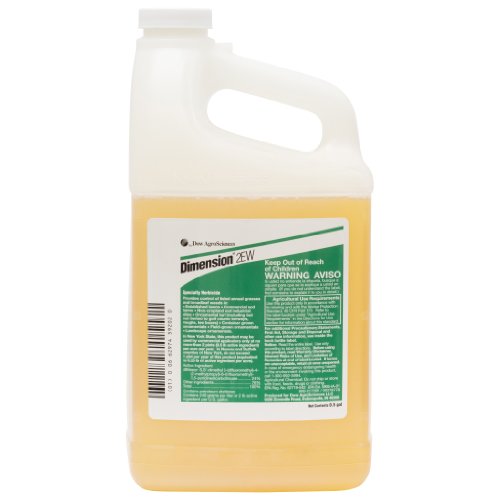
Dimension 2EW Herbicide 0.5 Half Gallon

The Andersons 18-0-4 Barricade Fertilizer with Pre Emergent Weed Control
More Details On Our Top Picks
Spring and fall timing matters here, and that makes this bag feel like a steady-season tool rather than a quick fix. Prodiamine is the active ingredient, a pre-emergent that blocks weed seeds from settling in, so you’re looking at prevention instead of cleanup.
For most suburban lawns, that distinction saves a lot of frustration after weeds already show up. The trade-off is simple, it won’t help with weeds that are already growing, so you need the right calendar and a yard that benefits from a long-view plan.
What We Like
- Designed for early spring and fall use, which fits the two windows many lawns need most.
- 0.48% prodiamine targets prevention, not rescue work, so expectations stay realistic.
- Labeled for more than 30 grass and broadleaf weeds, giving you broader coverage planning.
- Trusted by turf care professionals, which matters in yards that need a more disciplined schedule.
- Big-bag format suits larger properties, so you’re not constantly restocking mid-season.
Things To Consider
- It does nothing for existing weeds, so timing and follow-through matter.
- The large bag can be awkward to store in a tight garage shelf.
- You need to apply it with care around your seasonal schedule, not on impulse.
Core Details
Whose Shelf It Belongs On
You benefit most here if your yard is large and you already know your application windows. It suits steady lawn caretakers who want prevention on a schedule rather than a rescue product.
Where A Sibling Pick Shines
Quali-Pro Prodiamine 65 Wdg 5lbs Pre-emergent Grass Broadleaf Weeds fits better for someone who wants a concentrated, mixable format instead of a heavy bag.
This one speaks to the yard owner who prefers mixing a concentrate rather than hauling a bulky bag around. The prodiamine-based formula points to the same prevention-first approach as The Andersons Barricade, but the smaller package changes the day-to-day handling quite a bit.
That format can feel more flexible in a garage with limited storage or for someone managing several lawn zones. The catch is that mixing precision matters, so it suits you best when you’re comfortable measuring and applying with care.
Upsides
- Concentrate format gives you more control over how you handle the product.
- Works for both crabgrass control and broadleaf weed prevention.
- Smaller package is easier to store than a full-size granule bag.
- Good fit for repeat users who already know their application routine.
Small Caveats
- Mixing adds a step, so it’s less grab-and-spread than a granule.
- You need to pay close attention to application timing.
- The product page gives limited practical guidance, so label reading matters.
Feature Rundown
Built With In Mind
You’ll get the most from this pick when you already own the equipment and routine for liquid-style or mixable lawn care. It fits detail-oriented users who want a compact, concentrate-driven option.
Another Choice May Suit
Scotts Halts Crabgrass & Grassy Weed Preventer 20.12 lbs. suits someone who wants a simpler granule spread without mixing steps.
For a standard home lawn, this one feels straightforward in the best sense. It’s built to prevent germination of listed weeds, which means the lawn gets protection before crabgrass and similar trouble starts pushing through.
The 20.12 lb bag also points to a practical middle ground between a compact yard and a bigger one. Compared with Quali-Pro’s concentrate, this is the easier pick for someone who wants to spread granules and get back to the day.
Bright Spots
- Granular format is simple to apply with standard lawn spreaders.
- Designed to stop weed germination, which aligns with true pre-emergent use.
- Fits many residential yards without feeling oversized.
- Good match for routine spring weed prevention in everyday neighborhoods.
Areas To Watch
- The product information is narrower than some of the more specialized picks.
- You still need to apply before germination, so timing remains the whole game.
- The larger bag can be more storage than a small yard truly needs.
Details At A Glance
Who Should Grab It
You fit this pick well if your lawn care routine is simple and you want a familiar granular spreader workflow. It’s a sensible match for homeowners who value convenience over specialty handling.
Swap It Out When
Dimension 2EW Herbicide works better for a turf manager who wants more advanced timing flexibility and a specialty liquid format.
This one shifts away from pure prevention and into a weed-and-feed approach, so it suits a lawn that needs nourishment as well as cleanup. The 16-0-9 analysis means the fertilizer side is part of the story, which matters for turf that looks tired after a rough season.
Compared with the Barricade products, it’s less about stopping future weeds alone and more about helping the lawn recover while dealing with visible growth. That blend can be very useful, though it’s not the right fit for someone who only wants pre-emergent control.
Reasons To Buy
- Combines weed control with fertilizer, saving you a separate feeding step.
- Large coverage claim suits more extensive residential lawns.
- Good choice for lawns that need both cleanup and nutritional support.
- The 16-0-9 ratio gives clear guidance on the feeding side.
Worth Noting
- It is post-emergent, so it plays a different role than the true pre-emergent picks here.
- You need to manage fertilizer timing with the rest of your lawn schedule.
- Not the simplest choice for someone who only wants weed prevention.
Technical Sheet
Right Fit For
You’ll like this most if your lawn needs feed and weed control in the same pass. It fits homeowners who want a more complete seasonal treatment rather than just a weed barrier.
Look Elsewhere When
The Andersons Barricade 50 lb Bag is the better match for someone focused on pure pre-emergent prevention and seasonal timing.
Snapshot sits in a different lane from the lawn-only products, because it’s the kind of granular herbicide you see chosen for areas that need more targeted pre-emergent planning. The listing details point to shipping restrictions, so this is a product for someone comfortable working with regulated landscape materials.
That makes it more specialized than Scotts Halts or the Andersons granules, and that specialization is the point. You’ll appreciate it most in managed landscape spaces where the application plan matters as much as the formula itself.
Best Bits
- Granular format is easy to distribute where a controlled spread matters.
- Specialty positioning makes sense for more deliberate landscape programs.
- Good fit for established property care, not just casual yard work.
- Useful when you want a pre-emergent focused on planned use.
Room For Improvement
- The transport regulation note means handling and ordering take more attention.
- Not a casual grab for someone who wants a simple bag-and-spread routine.
- Storage and compliance planning matter more with this one than with basic granules.
At A Glance
Made For
You fit this pick best if you manage ornamental or landscaped spaces and you’re already comfortable with regulated materials. It’s less for quick lawn chores and more for controlled property upkeep.
Skip It When
BioAdvanced Season Long Lawn Weed Killer for Southern Lawns is the simpler route for someone who wants a warmer-climate lawn product with a more conventional homeowner feel.
Warm-climate lawns need a different kind of planning, and this bag is shaped for that reality. The southern-lawns focus matters because turf in hotter regions tends to live under a different weed and weather rhythm than cooler-zone yards.
You may find it especially useful for routine care on a smaller property where a 10 lb bag feels manageable. The main trade-off is that it’s more specialized than the broad-purpose picks, so it makes the most sense in the right climate rather than as a universal grab.
Highlights
- Made specifically for southern lawns, which helps narrow the fit.
- Granular format works well for standard home application routines.
- The 10 lb bag is easier to handle than heavier options.
- Good choice for homeowners who want one product for lawn-wide use.
Softer Spots
- Climate focus means it’s not the broadest match in the roundup.
- Smaller bag size may require more frequent restocking on larger yards.
- Less specialized than the turf-pro tools in the list.
Core Details
Best Suited To
You fit this pick well if you maintain a southern lawn and want a straightforward granular product. It suits homeowners who value a clear climate fit over broad regional flexibility.
Reach For A Different Pick When
The Andersons 18-0-4 Barricade Fertilizer with Pre Emergent Weed Control is a stronger match for someone who wants feeding and prevention in one pass.
Dimension is the most specialist-feeling option in the group, and that comes through in how it handles crabgrass timing. The listing says it offers early postemergence control too, which gives you a little more room than a strict pre-emergent only product.
It also covers both cool- and warm-season turfgrasses and more than 440 ornamental plants, so it speaks to a wider landscape job than a plain lawn bag. The honest read is that this suits experienced applicators or property managers more than casual weekend use.
Standout Traits
- Combines preemergence and early postemergence crabgrass control.
- Broad turf and ornamental compatibility expands its use case.
- Useful from early to midseason without needing a product swap right away.
- Registered in every state, which simplifies geographic fit.
Points To Note
- Specialty positioning makes it more complex than standard lawn granules.
- You need to be comfortable with precise application timing.
- Best suited to managed landscapes, not the most casual yard care routine.
Feature Snapshot
The Right Fit
You benefit most here if your lawn care is detailed and you want a liquid option with wider timing flexibility. It fits advanced users and property managers better than a simple residential setup.
Where A Sibling Pick Shines
Scotts Halts Crabgrass & Grassy Weed Preventer 20.12 lbs. is a better match for someone who wants a simpler granular spread and a less technical workflow.
This is the easiest all-in-one style pick in the list, because it blends fertilizer with pre-emergent weed control in a smaller residential size. The 18-0-4 analysis tells you it’s built to feed the grass while Barricade handles the weed-prevention side.
Compared with The Andersons Professional Surge, this one is more about simple lawn maintenance than rescue treatment. For a yard that just needs a tidy, seasonal pass without a lot of product juggling, that balance feels sensible.
Positives
- Combines lawn feeding and weed prevention in one product.
- 5,000 sq. ft. coverage suits smaller residential yards well.
- 18-0-4 analysis gives a clear nutrition-and-prevention mix.
- Simplifies the routine for homeowners who prefer fewer steps.
Minor Gripes
- Smaller coverage means it is less suited to wide-open lawns.
- Like other Barricade-based products, timing still matters a lot.
- The combo format is less specialized than a pure turf-only barrier.
Feature Card
Who Will Love This
You fit this pick best if you want one bag to handle feeding and prevention on a modest-sized lawn. It’s a clean match for homeowners who prefer a simple seasonal routine.
A Better Fit Elsewhere
The Andersons Barricade 50 lb Bag suits a larger yard and a more prevention-focused lawn plan.
How To Choose The Right Pre-Emergents For Lawn
Match The Form To Your Routine
Granules suit you when a spreader and a simple walk pattern already feel natural. Concentrates and liquids suit more careful applicators, especially on mixed turf or larger properties with specific zones.
The form also changes storage and cleanup. A bag is easy to move but bulky, while a concentrate is compact yet asks for measuring and dilution.
Respect The Timing Window
Pre-emergents work by stopping weed seeds before they become visible problems, so the calendar matters more than brute force. Spring and fall timing show up repeatedly for a reason, because that’s when many lawns get the most practical benefit.
Some products here stay strictly in the prevention lane, while others, like Dimension, allow a little early postemergence flexibility. That extra room is useful for advanced care, but it does not replace a good application window.
Use Coverage And Turf Fit To Narrow The Field
Coverage numbers help you avoid overbuying or coming up short in the middle of a season. A 5,000 sq. ft. bag makes sense for smaller suburban yards, while larger properties may call for the heavier Andersons options or a more concentrated format.
Turf fit matters just as much. Southern lawns, cool-season turf, and mixed landscape beds do not all live by the same rules, so the product that sounds broadest is not always the one that fits your yard best.
Choose Between Prevention Only And Feed-And-Prevent
Pure pre-emergents make sense for lawns that are already in decent shape and just need weed pressure held back. Combo products help more when the grass also looks tired and could use a feeding step.
The honest read is that combo bags save time, but they also ask you to accept a compromise in focus. That’s fine for many home lawns, less so for people who want a very specific turf program.
What To Weigh Before You Choose
Traps First Timers Fall Into
Many people pick by coverage alone and miss the timing rule. A bag with a big square-foot figure still fails if it goes down after weeds already germinate.
Another common miss is choosing a product that doesn’t match the yard’s climate or turf type. A southern-lawn formula, for example, is a poor match for a cooler northern yard.
The Case For Spending Up
Higher-tier options usually buy you tighter timing control, broader turf compatibility, or a more specialized format. That matters in managed landscapes, larger properties, and yards with mixed ornamental plantings.
You also pay for convenience in some cases, like a combo feed-and-prevent bag that cuts a step from the routine. The upgrade makes sense when it saves time or matches a more demanding lawn plan, not just because it sounds more advanced.
Frequently Asked Questions
What does a pre-emergent do in a lawn?
It forms a barrier that interrupts weed seeds before they sprout. That makes timing the key part of the job.
Can you use pre-emergent on an already weedy yard?
It won’t clear out weeds that are already growing. A post-emergent product or a weed-and-feed option fits that situation better.
Are granules easier than concentrates?
Granules are usually easier because you spread them with standard lawn equipment. Concentrates save space, but they ask for measuring and mixing.
Why does lawn type matter so much?
Cool-season and warm-season turf often follow different care calendars. Southern-lawn formulas and specialty turf products are built around that difference.
Do combo fertilizer products replace a pre-emergent?
They still count as pre-emergent products, but they do more than prevention alone. That makes them useful for routine care, not for every lawn problem.
Closing Thoughts
Your best match depends on whether you want simple weed prevention, a feed-and-prevent blend, or a more specialized tool for landscape work. The Andersons Barricade models suit steady seasonal planning, Scotts Halts keeps things simple, and Dimension gives you more technical flexibility. For southern lawns or mixed-use yards, the fit narrows even more. Choose the product that matches your timing and turf, and the rest of the job gets a lot easier.
