

Choosing the right lawn tractor comes down to your yard size, terrain, and how much effort you want to save on a weekly cut. A compact push mower, a riding model, a robot, and a tow-behind deck all solve different problems, so this roundup keeps the differences plain. You’ll see which pick fits a small suburban lot, which one belongs on a larger property, and which ones make sense for less hands-on mowing. The goal is simple, less guesswork and fewer mismatched machines.
The Shortlist At A Glance

LiTHELi 14 Inch Cordless Lawn Mower

Greenworks 80V 30-Inch Cordless Riding Lawn Tractor

LawnMaster OcuMow VBRM601YCM MAX Robot Lawn Mower
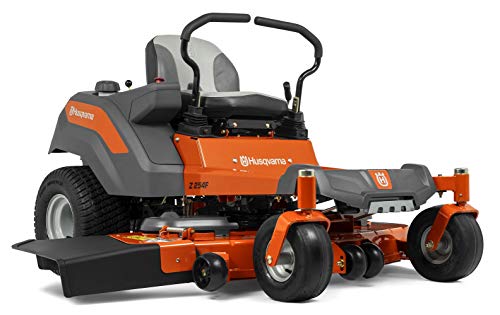
Husqvarna Z254F 54 in. 23 HP Kawasaki Zero Hydrostatic Turn Riding Mower

Earthquake Acreage Tow-Behind Mower 44” Steel Deck Model 42795
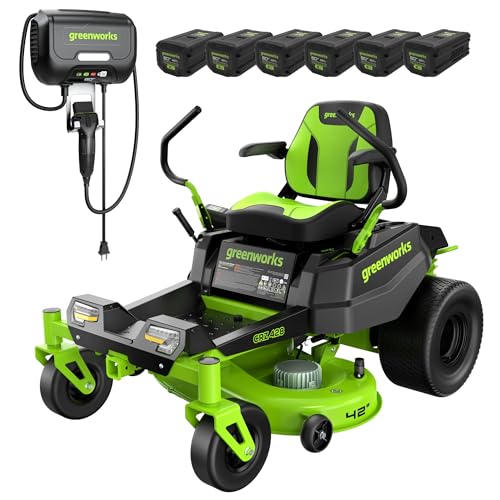
Greenworks 80V 42-Inch CrossoverZ Zero Turn Riding Lawn Mower
More Details On Our Top Picks
For a small or mid-sized yard, this cord-free push mower keeps the footprint light and the routine simple. The 14-inch cutting width means tighter turns around beds and fences, while the brushless motor setup usually suits shoppers who want a quieter, lower-fuss machine than a gas unit. The 9-gallon bag also gives you a place to collect clippings instead of leaving piles behind.
The trade-off is plain, you’re working with a walk-behind mower, so larger lawns will take more passes and more time. Still, the five cutting heights make it easier to match seasonal growth, and the included 5.0Ah battery is a practical fit for everyday trimming around a home lot. Compared with the riding models in this roundup, it’s far easier to store in a garage or shed.
Strong Points
- Light build makes it easier to guide across narrow paths and corners.
- Cordless operation avoids extension-cord management in a busy yard.
- Five height settings help you adjust for thicker spring growth or shorter summer cuts.
- Collection bag keeps clippings contained, which helps on tidier front lawns.
Points To Note
- Fourteen inches is compact, so bigger lawns will need more overlap.
- Bagging grass means you’ll need to empty and clean the catcher after use.
Feature Snapshot
Who It Suits Best
It suits homeowners with small to mid-sized yards who want a light, straightforward mower for routine weekly use.
Swap It Out When
Earthquake Acreage Tow-Behind Mower 44” Steel Deck Model 42795 makes more sense for acreage owners who already have a tow vehicle and need wider coverage.
This one shifts the conversation from walk-behind convenience to seated mowing, which matters on bigger lawns or properties with longer straight runs. The 30-inch deck is compact for a riding machine, so you get a tighter turning feel than a full-size garden tractor, and the cordless setup keeps fuel handling out of the picture.
Four 6.0Ah batteries and the 600W charger point to a setup built around battery management rather than a gas tank, so driveway charging and storage planning matter more here. In most yards, that trade-off makes sense for owners who want quieter operation and less routine maintenance than a gas rider. Compared with the Husqvarna Z254F below, it leans cleaner and simpler, while giving up some raw deck width.
What We Like
- Riding format reduces fatigue on larger properties and longer mowing sessions.
- Battery-powered setup skips fuel storage and the mess that comes with it.
- 30-inch deck fits tighter gates and storage areas more easily than wider riders.
- Four batteries provide a more practical setup for home use than a single pack.
Small Caveats
- Battery charging and storage take a little planning after each use.
- The narrower deck covers less ground per pass than the 42-inch Greenworks model.
- Seat time is easier than walking, but this still needs regular attention to charging routines.
Details At A Glance
Who Will Love This
It suits homeowners with larger yards who want a seated, battery-powered machine and prefer simpler day-to-day upkeep.
Another Choice May Suit
Husqvarna Z254F 54 in. 23 HP Kawasaki Zero Hydrostatic Turn Riding Mower suits acreage-style mowing where a wider deck and a gas powertrain make more sense.
This is the hands-off choice in the group, and it makes the most sense for small lawns where daily upkeep matters more than raw cutting speed. The optical navigation helps it move with more awareness than a plain random-pattern bot, while the perimeter-wire-free design cuts out the installation step that can slow other robotic setups.
The no-go function is useful in real yards with flower beds, play areas, or narrow corners that you’d rather keep untouched. That said, the 2,000 to 3,500 square foot target range means it belongs on compact property, not on a broad suburban spread. Compared with the LiTHELi mower, it trades manual control for more automation, and that’s the whole point.
Upsides
- Wire-free setup reduces the work of getting started.
- Optical navigation helps it read the yard more intelligently than simple bump-and-turn designs.
- Low-noise operation suits early or late mowing windows in close neighborhoods.
- No-go zones help protect landscaping and tight garden sections.
Areas To Watch
- It fits small lawns only, so larger properties need a different class of machine.
- Robot mowers still need periodic clearing, blade care, and surface checks.
Core Details
Made For
It suits small-yard homeowners who want automated mowing and don’t mind a little setup time for zone planning.
Where A Sibling Pick Shines
Greenworks 80V 30-Inch Cordless Riding Lawn Tractor fits you better for larger open lawns where sitting down and covering more ground per session matters.
Once the lawns get large, a 54-inch zero-turn machine starts to make a lot more sense than the smaller Greenworks rider. The zero-turn setup, meaning the mower can pivot with a very tight turning radius, helps around trees, islands, and long fence lines, while the Kawasaki 23 HP engine points to a serious gas-powered pace for bigger properties.
The hydrostatic drive, which uses fluid pressure for smooth motion instead of manual gear shifting, tends to make direction changes feel easier on broad acreage. The honest trade-off is size, storage space, and gas-engine upkeep, so this suits established yards more than compact suburban plots. For a tall, wide lawn, though, it looks like the kind of machine that keeps chores from stretching all afternoon.
Highlights
- 54-inch deck covers a wide path, which helps reduce pass count on large lawns.
- Zero-turn steering makes it easier to work around obstacles and landscaped features.
- Kawasaki 23 HP engine gives it a strong gas-powered setup for demanding yards.
- Hydrostatic drive smooths motion and makes control feel less clunky than a basic gear system.
Room For Improvement
- Its size calls for more storage space and a larger turning area.
- Gas power means more routine upkeep than the battery riders in this roundup.
- The wide deck is less friendly for narrow gates or small yard sections.
Technical Sheet
Best Suited To
It suits property owners with large, open lawns who want a gas rider built for speed, width, and turning around obstacles.
Look Elsewhere When
Greenworks 80V 42-Inch CrossoverZ Zero Turn Riding Lawn Mower fits better for shoppers who want similar coverage but prefer a cordless setup.
This tow-behind mower is built for a very different kind of yard work, usually on acreage where a tractor, ATV, or utility vehicle already does the pulling. The 44-inch steel deck gives you a wider path than the walk-behind LiTHELi, and the electric start with battery support keeps startup easier than a pure pull-start setup.
The manual blade lever and adjustable tow and height controls are useful because they let you tailor the cut without jumping between separate machines. The flip side is obvious: you need compatible towing equipment, and storage gets less convenient than with a stand-alone mower. For owners with a lot of ground to cover, that trade-off can still make sense.
Reasons To Buy
- 44-inch steel deck helps cover more ground than compact walk-behind mowers.
- Tow-behind format suits acreage and larger outbuildings where a vehicle already handles transport.
- Electric start adds convenience compared with older manual-start mower setups.
- Adjustable tow and cutting height give you more control over how it follows the terrain.
Worth Noting
- You need a tow-capable machine, so it’s not a stand-alone solution.
- Steel deck ownership usually means paying attention to cleaning and rust prevention after wet use.
Feature Card
Whose Shelf It Belongs On
It suits acreage owners who already have a towing vehicle and want a broad-cut mower for repeated large-property use.
Skip It When
LiTHELi 14 Inch Cordless Lawn Mower makes more sense for small yards where storage space and simple push mowing matter more than tow-behind width.
This is the cordless rider that pushes hardest toward large-property convenience. The 42-inch deck gives you more coverage than the 30-inch Greenworks model, and the six 6.0Ah batteries point to a setup built for longer mowing sessions without changing platforms mid-yard. For bigger lawns with open stretches, that matters a lot.
The zero-turn layout helps around trees and landscape islands, and the battery system keeps fuel storage out of your garage. The trade-off is weight, charging logistics, and the reality that a larger battery machine asks for more planning than a compact push mower like the LiTHELi. Still, for shoppers who want cordless riding and a wider deck, this is the more grown-up fit.
Best Bits
- 42-inch deck gives you broader coverage than the smaller Greenworks rider.
- Zero-turn steering helps with maneuvering around beds, trees, and fence lines.
- Six 6.0Ah batteries support a more substantial cordless mowing setup.
- Riding format reduces fatigue on large lawns and long mowing days.
Things To Consider
- Battery charging space becomes part of the ownership setup.
- The larger format needs more storage room than compact or walk-behind models.
- For very small lawns, the machine can feel like more mower than you need.
Feature Rundown
The Right Fit
It suits homeowners with large lawns who want zero-turn convenience and prefer a cordless system over gas.
Reach For A Different Pick When
Husqvarna Z254F 54 in. 23 HP Kawasaki Zero Hydrostatic Turn Riding Mower fits better for even larger areas where a wider gas-powered deck helps shorten mowing time.
How To Choose The Right Lawn Tractors
Match Deck Size To Your Property
Deck width is the first number worth respecting. A 14-inch walk-behind like the LiTHELi suits tight spaces and storage limits, while 42-inch and 54-inch riders make sense once the lawn starts feeling like a real weekly project. Bigger decks save passes, but they also need more turning room and more storage space.
Think About Power Style And Upkeep
Battery power keeps things simpler for homeowners who want cleaner storage and less routine engine care. Gas riders still matter for large properties, especially when you need long run time and don’t want to manage charging cycles, but they bring fuel, oil, and more maintenance into the picture. Robot mowers sit in their own lane, since they trade manual control for automation and usually fit smaller lawns best.
Choose The Format That Matches Your Routine
Push mowers work well for smaller homes, riding models fit bigger yards, and tow-behind decks belong with acreage owners who already have the right towing setup. The useful question is not which machine sounds strongest, it’s which one fits your storage, terrain, and weekly schedule. A mower that suits your habits will get used more consistently, which is the real win.
Don’t Overlook Yard Shape
Trees, narrow gates, garden beds, and uneven edges change the story fast. Zero-turn riders help around obstacles, compact deck sizes help through tighter spaces, and robot mowers need a lawn layout that suits their navigation pattern. A flat open lawn is forgiving, but a busy property rewards the machine that handles corners without fuss.
What To Weigh Before You Narrow It Down
Common Shopping Slip Ups
A lot of people focus on engine size or battery count and skip the part that matters most, yard fit. A wide machine can be a poor match for narrow gates, and a compact mower can feel too slow on an acre or more. The cleaner move is to start with lawn size, then work outward to power and format.
Another common miss is storage planning. Riding mowers, especially wider zero-turn models, need real garage room, and battery machines still need a charging spot that stays dry and organized.
Why Top Tier Costs More
Higher-tier machines usually spend their money on wider decks, stronger power systems, and better control layouts. In this list, that means the difference between a compact push mower and a 54-inch gas rider is not just size, it’s a different pace of work and a different ownership rhythm.
The upgrade makes sense when your lawn size, terrain, or weekly schedule turns mowing into a long session. For a small city lot, that extra capability can be overkill, but on larger properties it starts paying you back in time and effort saved.
Frequently Asked Questions
Are lawn tractors better than push mowers for small yards?
Not usually. A compact walk-behind often fits small lawns more neatly and stores with less trouble.
What is a zero-turn mower good at?
It handles obstacles and turning around landscape features with less wasted motion. That helps on lawns with trees, beds, and long straight edges.
Do battery riding mowers make sense for large properties?
They can, especially when you want to skip fuel handling and keep the garage cleaner. Battery planning matters more, though, so larger lawns need a machine with enough pack capacity for your routine.
What is a tow-behind mower for?
It attaches to a compatible vehicle and lets you cut larger ground areas from a seated or driven setup. It fits acreage owners better than someone with a small suburban lawn.
How do you choose between a 30-inch and 42-inch riding mower?
The 30-inch size fits tighter storage and narrower paths better. The 42-inch model covers more lawn per pass, which is useful on bigger open properties.
