

Dead batteries have a way of turning a simple mowing job into a stalled afternoon. This roundup focuses on 12-volt replacements and one smart maintainer, so you can match the right fit to your tractor, mower, scooter, or backup power setup without guessing from a long product page.
You’ll see lighter lithium options, sealed lead acid units, AGM batteries, and a charger that helps keep a battery ready between uses. The goal is practical fit, not flashy claims, so you can choose the right size, terminal style, and power level for your own yard routine.
The Shortlist At A Glance
TYKOOL LFP4L-BS-STD 12V Lithium Battery
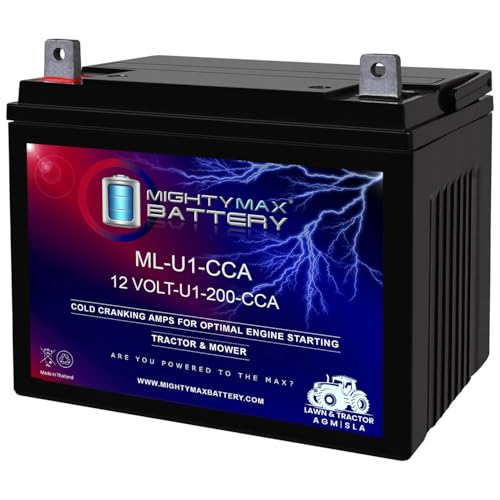
Mighty Max Battery ML-U1 12V 200CCA Battery

Mighty Max Battery ML-U1-CCAHR 12V 320CCA Battery

Uplus 12V 18Ah Rechargeable AGM Battery

Interstate Batteries SLA Battery 12V 35Ah AGM VRLA

Aowel Automatic Trickle Charger, 12V 2A Smart Battery Maintainer
ML-U1 12V 200CCA Battery for Troy-BILT 361106
More Details On Our Top Picks
TYKOOL’s lithium format keeps this pick compact, and that matters in smaller mower bays where every inch counts. The digital readout adds a simple status check, so you’re not guessing whether the battery is ready before yard work.
The listed YTX4L-BS replacement fit makes it useful for compact powersports machines and certain lawn mowers, including the Troy-Bilt and Honda Grom references in the listing. The trade-off is capacity, since 2.8Ah is tuned more for lighter-duty starts than long runtime demands, so this suits specific swap-ins better than larger riding tractors.
Strong Points
- Light lithium construction helps keep handling simple during swaps.
- Digital readout gives you a quick readiness check at a glance.
- YTX4L-BS replacement sizing helps narrow fit for compact equipment.
- 140CCA gives a clear starting target for lighter engines.
Things To Consider
- 2.8Ah is better for smaller machines than heavy yard tractors.
- The listing points to a specific fit range, so matching matters.
- Owners who want a broader all-purpose battery may prefer a larger AGM unit.
Feature Snapshot
Who It Suits Best
You get the most from this one in a compact ATV, scooter, or lawn mower that calls for the listed replacement style and lighter battery weight.
Where A Sibling Pick Shines
Mighty Max Battery ML-U1-CCAHR 12V 320CCA Battery suits you better when your mower needs stronger starting reserve, especially on larger John Deere setups.
This ML-U1 battery is the plain-spoken replacement many Craftsman-style tractors need, and the fit details are doing the heavy lifting here. With a sealed lead acid design, it suits owners who want a familiar, low-fuss format rather than a specialty setup.
The left-positive, right-negative polarity note is important, because terminal layout can make installation either straightforward or annoying in a hurry. You also get the battery and screws only, so this works best for a clean replacement job where you already have the rest of the hardware in place.
What We Like
- 200CCA gives a solid starting point for many riding mowers.
- Sealed lead acid construction keeps maintenance simple.
- Clear size details help you check tray fit before ordering.
- Polarity is spelled out, which reduces guesswork at install time.
Room For Improvement
- No wire harness comes with the battery, so plan on reusing your own parts.
- The size is specific, which is helpful only when your tray matches it.
- It suits direct replacements more than flexible custom installs.
Core Details
Built With In Mind
You fit this pick well when you’re replacing a Craftsman 25780 lawn tractor battery and want the job to stay simple.
Skip It When
Interstate Batteries SLA Battery 12V 35Ah AGM VRLA suits you better when you need more reserve capacity for longer runs or heavier accessory loads.
Compared with the 200CCA ML-U1 above, this higher-output version is aimed at stronger starting demands. That extra headroom matters on equipment that has more compression or tends to feel sluggish in colder storage sheds.
It sits in the same replacement family as the earlier Mighty Max pick, but the 320CCA rating gives it a more confident edge for larger tractors like the JohnDeere X320 reference. The trade-off is simple, this is less about keeping things small and more about supporting a sturdier start profile.
Upsides
- 320CCA offers more starting reserve than the 200CCA version.
- The replacement format keeps it easy to compare against similar lawn mower batteries.
- Useful for owners who want extra confidence in demanding starts.
- Fits the needs of heavier-duty riding mower setups more naturally.
Areas To Watch
- The stronger output is useful, but only when the mower actually calls for it.
- Matching model fit still matters, even with better cranking strength.
Details At A Glance
Best Suited To
You want this version for a riding mower or tractor that needs more cranking strength than a basic replacement can give.
Another Choice May Suit
Mighty Max Battery ML-U1 12V 200CCA Battery is the simpler match for smaller Craftsman-style machines that don’t ask for as much starting reserve.
AGM, short for absorbed glass mat, means the electrolyte is held in a fiberglass mat instead of sloshing around, which is why this format is popular for compact power jobs. That makes this Uplus a useful fit for mobility scooters and jump starter boxes, and it can also make sense in small auxiliary setups around the garage.
The nut-and-bolt terminal style is worth noting, because it gives you a secure connection but asks for the right cables and a bit more care during install. Compared with the lawn-tractor-focused picks above, this one feels more like a specialty battery for equipment with tighter power needs than a general riding mower workhorse.
Bright Spots
- AGM design suits compact, sealed-power use.
- 18Ah gives a practical middle ground for many smaller systems.
- Nut-and-bolt terminals help keep connections firm.
- Works well in equipment that benefits from a tidier battery layout.
Small Caveats
- Terminal style may need matching hardware for a clean install.
- The size and capacity point more toward specialty equipment than full-size riding mowers.
- Storage and cable routing deserve a little extra attention with NB terminals.
Technical Sheet
Who Will Love This
You’ll get the most from this battery in a mobility scooter, compact equipment, or a small backup-power role where the terminal style matches the hardware.
Look Elsewhere When
Interstate Batteries SLA Battery 12V 35Ah AGM VRLA is the better route for a lawn tractor owner who wants more storage capacity and a larger, heavier-duty footprint.
This Interstate unit stands out for capacity, not flash. The 35Ah rating gives you a bigger energy reservoir than the smaller 18Ah Uplus pick, which can matter in setups that need longer support between charges or a steadier supply for more demanding equipment.
The AGM VRLA format, which means valve-regulated sealed lead acid, is a practical match for owners who want a closed battery design with less day-to-day mess. Its 7.72 x 5.12 x 6.22 inch size is also useful to check before ordering, because a larger battery can be a gift or a headache depending on your tray space.
What We Like
- 35Ah capacity gives it a stronger reserve than smaller compact batteries.
- AGM VRLA design suits sealed, straightforward ownership.
- Flag terminals are common in this category and easy to plan around.
- The larger format can support longer use between charges.
Worth Noting
- The bigger housing needs enough tray space to fit comfortably.
- It may be more battery than a light-duty mower actually needs.
- Heavier size can make handling a little less convenient during replacement.
Core Details
The Right Fit
You suit this battery best when your equipment has room for a larger sealed battery and benefits from more reserve capacity.
Swap It Out When
Mighty Max Battery ML-U1 12V 200CCA Battery is the cleaner match for a narrower mower tray and a more basic direct replacement.
Not every good setup is another battery, and this maintainer earns its place by helping the one you already own stay ready. The microprocessor-controlled program is the main story here, since it manages charging for lead-acid, flooded, sealed maintenance-free, AGM, Gel Cell, and lithium LiFePO4 batteries.
That broad compatibility makes it especially handy in a garage with more than one machine, from a riding mower to a motorcycle or ATV. The 2A output is gentle rather than hurried, so it suits upkeep and storage better than a fast turnaround charge after a deep drain.
Reasons To Buy
- Supports several battery chemistries, including AGM and lithium LiFePO4.
- Microprocessor control helps keep charging more measured.
- Useful for seasonal equipment that sits between uses.
- Works across a mixed garage, not just one mower.
Softer Spots
- 2A charging is deliberate, so it suits upkeep more than speed.
- You still need to match the maintainer to the battery chemistry.
Feature Rundown
Whose Shelf It Belongs On
You benefit most from this charger when your garage holds a mower, bike, or ATV that spends part of the year parked.
Reach For A Different Pick When
TYKOOL LFP4L-BS-STD 12V Lithium Battery makes more sense when you need a replacement battery first and a maintainer second.
Here’s the cleanest answer for Troy-BILT owners who want a model-matched replacement without sorting through extra fit questions. The ML-U1 format keeps the focus on compatibility, and that can save time when your mower is down in the middle of yard season.
Its 200CCA rating puts it in the same general strength range as the Craftsman-oriented ML-U1 above, so the real advantage is the listed Troy-BILT match. The honest read is that this is for direct replacement shoppers first, not for anyone chasing bigger capacity or broader multi-use flexibility.
Best Bits
- Model-specific fit helps narrow the search quickly.
- 200CCA suits many riding mower starting needs.
- Simple replacement path keeps the job less complicated.
- Works well for Troy-BILT owners who want a familiar format.
Minor Gripes
- It is built around a narrow fit target rather than broad versatility.
- You still need to match tray space and cable layout carefully.
Spec Overview
Made For
You get the best match here when your Troy-BILT mower needs a straightforward battery replacement and you value the listed fit over extra features.
Where Another Pick Suits Better
Mighty Max Battery ML-U1-CCAHR 12V 320CCA Battery is the stronger choice for a tractor that wants more cranking reserve than this 200CCA model offers.
How To Choose The Right Lawn Tractor 12 Volt Battery
Match The Size Before Anything Else
Battery length, width, and height matter more than a glossy product title. A battery that looks right on paper can still miss the tray or snag the cable path, especially in older tractors with tight compartments.
Use the listing dimensions, terminal position, and polarity as your first filter. That keeps you from ordering a unit that needs awkward rerouting or a return trip to the garage because the leads land on the wrong side.
Choose The Right Battery Chemistry
Sealed lead acid, AGM, and lithium each bring a different feel. AGM, or absorbed glass mat, is a sealed lead acid style that usually suits low-maintenance ownership, while lithium tends to be lighter and more compact.
The trade-off shows up in fit, weight, and how you plan to use the machine. A lawn tractor that sits all winter may benefit from a maintainer, while a smaller mower or powersports machine can sometimes favor a lighter battery with a more focused role.
Pay Attention To Starting Strength
CCA means cold cranking amps, a rating that helps describe starting power. More CCA can help when an engine is larger, older, or parked in a cold shed, but too much battery for a small machine is just extra bulk.
You want enough starting reserve for reliable ignition without oversizing the tray or buying a battery that does more than the machine asks for. For many riding mowers, the right balance sits in the middle, where fit and starting strength agree.
Think About Maintenance And Storage
A battery maintainer makes sense for seasonal equipment that spends weeks idle. It can help you avoid the common headache of finding a mower flat right before the grass starts moving again.
Connections, terminal style, and storage space matter too. A nut-and-bolt terminal can feel secure, while flag terminals stay familiar for many lawn tractors, so the better choice usually depends on your cables and how often you remove the battery.
Things Worth Knowing First
Common Shopping Slip Ups
Many lawn tractor headaches start with a battery that almost fits. Terminal orientation, tray size, and CCA are easy to skim past, yet any one of them can turn a simple swap into a frustrating afternoon.
The cleaner move is to check the old battery label and measure the compartment before you order. That matters just as much as brand name in a category where several batteries share similar model codes.
What The Higher Tier Buys
Higher-tier batteries usually spend the extra cost on stronger starting output, larger capacity, or more specialized construction such as AGM or lithium. In practical terms, that can mean fewer struggles on bigger tractors and less worry in colder storage conditions.
That upgrade makes sense when your machine works hard, sits unused for stretches, or needs a more exact fit with better reserve. For a small mower that only does short jobs, the extra spend can be more than you need.
Frequently Asked Questions
What does CCA mean on a lawn tractor battery?
CCA stands for cold cranking amps, a measure of starting power. Higher numbers generally help an engine turn over with less strain.
Can you use a lithium battery in a lawn tractor?
You can, as long as the fit, voltage, and intended application line up with the listing. Smaller machines often benefit from the lighter weight, while larger tractors may need a different format.
Why does terminal position matter so much?
Terminal position affects cable reach and how cleanly the battery installs. A mismatched layout can force awkward routing or prevent a proper connection.
Do you need a charger for a seasonal mower battery?
A maintainer helps keep a seasonal battery ready between uses. That matters most when the machine sits for long stretches without running.
How do you avoid ordering the wrong replacement?
Check the old battery’s dimensions, terminal layout, and voltage before you order. Matching the model reference on the product page is useful, but the physical fit still decides the job.
