

Healthy turf starts below the blades, and the wrong soil mix can leave seed patchy, plugs slow, or low spots uneven after rain. This roundup focuses on lawn soils, topsoil blends, and soil conditioners that fit common yard jobs, from filling holes to helping new grass settle in. You get a clear path for repair work, seeding, leveling, and garden-to-lawn crossover use.
Some mixes are built for quick patch jobs, while others are better for broad surface prep or moisture control around seedlings. The right pick depends on your yard’s shade, drainage, and how much work you want to do before planting. That’s the difference between a tidy weekend fix and a repeating chore.
Quick Look At The Shortlist
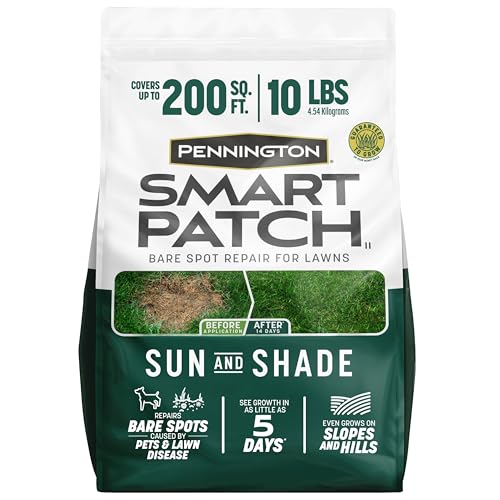
Pennington Smart Patch Grass Seeds for Lawn, Sun and Shade Lawn Grass Repair Mix 10 LB


Scotts Turf Builder LawnSoil 1 Cu. Ft.

Earth Science Fast Acting Gypsum Granules 5 lb

R&M Organics Compost Soil Amendment Fertilizer 10 lb

Scotts Organic Group 0.75 Cu.Ft. Proom Top Soil
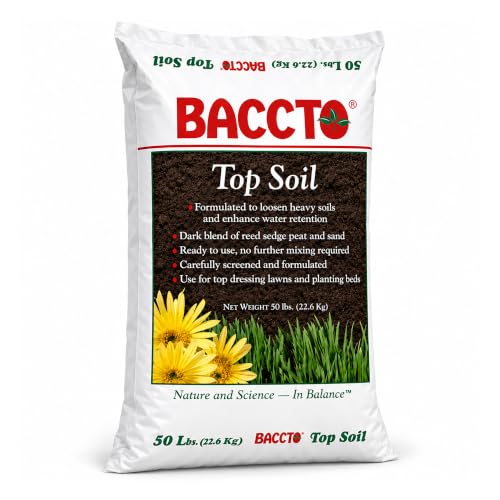
Michigan Peat Baccto Topsoil with Reed Sedge, Peat and Sand 50 lb

Michigan Peat Baccto Top Soil for Lawns, Gardens and Raised Planting Beds 50 lb 2 Pack
More Details On Our Top Picks
Spot repairs need a mix that behaves well in mixed light, and this Pennington blend is built around that kind of yard. The added fertilizer and microbials give it more support than plain seed, which helps in worn strips near walkways or under tree edges.
You may find it especially useful for patching a front yard that gets sun in one section and shade in another. The trade-off is simple, it’s a repair mix, so larger grading jobs call for a true topsoil instead of a seed-heavy blend.
What We Like
- Handles sun and moderate shade, so you do not need separate repair products for every corner.
- Fertilizer support helps new grass get a stronger start after thinning or bare spots.
- Microbial content adds a soil-health angle that matters in tired turf with frequent foot traffic.
- Well suited to quick patching around sprinkler heads, mailbox strips, and other small trouble spots.
Points To Note
- Works best as a repair blend, not as a bulk fill for low yard sections.
- Seed success still depends on watering and surface prep, so cleanup before spreading matters.
Feature Rundown
Who Will Love This
Homeowners fixing scattered bare spots in mixed-light lawns will get the most from it.
Swap It Out When
Scotts Turf Builder LawnSoil 1 Cu. Ft. fits better for larger seeding areas that need more moisture control and a deeper soil layer.
This bagged topsoil keeps the formula straightforward, which is useful for small jobs that don’t need a fancy blend. The added sphagnum peat moss and organic matter help loosen up tired ground, so seedbeds and garden edges feel less compacted.
For a homeowner who wants to prep a narrow strip before seeding, it’s an easy fit. The smaller bag also keeps handling simpler than a heavy bulk load, though it will not cover a wide yard in one pass.
Positives
- Includes peat moss and organic matter, which helps improve lean native soil.
- Useful for lawn prep before seeding, so you can build a better starting layer.
- Fits both yard work and garden amendments, which makes storage and planning simpler.
Softer Spots
- Small bag size suits spot work better than broad coverage.
- Needs mixing into native soil for best results, so there’s still some prep involved.
Core Details
Best Suited To
Small-yard gardeners and patch-level lawn projects benefit most from this bag.
Another Choice May Suit
Michigan Peat Baccto Topsoil with Reed Sedge, Peat and Sand 50 lb suits bigger areas where you want a heavier supply in one bag.
This blend leans into moisture retention, which matters a lot for seed starting in dry spells or on slopes that lose water fast. The added fertilizer gives seedlings a better runway than plain native soil, and that’s useful for overseeding or setting sod and plugs.
Compared with the first Pennington pick, this one is more about the soil base than patching a specific area. In most backyards, that makes it a stronger fit for broader renovation work rather than tiny touch-ups.
Bright Spots
- Water-smart mix helps soil hold moisture around young roots.
- Fertilizer support gives new grass a steadier start.
- Works for sod and grass plugs, so it fits several install styles.
- Useful for overseeding where ordinary dirt dries out too quickly.
- Better moisture balance can make weekend lawn work feel less fussy.
Areas To Watch
- More focused on lawn establishment than broad garden amending.
- Bag size suits planned projects, though larger yards will need multiple bags.
Technical Sheet
Right Fit For
Homeowners reseeding or laying sod in dry, exposed, or unevenly watered yards benefit most here.
Reach For A Different Pick When
Pennington Smart Patch Grass Seeds for Lawn, Sun and Shade Lawn Grass Repair Mix 10 LB is the better call for scattered bare spots in mixed sun and shade.
Gypsum is a soil conditioner, meaning it changes the soil’s structure more than it acts like a standard fill material. That matters in yards with compacted or salt-stressed ground, where water movement and root space often become the bigger problem.
Compared with Scotts Turf Builder LawnSoil, this one is less about seed starting and more about improving the ground beneath established turf. You may find it especially useful in problem strips near driveways or walkways where runoff and salt exposure show up first.
Upsides
- Fast-acting gypsum format suits soil correction work.
- Supplies calcium, which supports soil balance in many yard setups.
- Designed for runoff reduction through Nutri-Bond technology.
- Can help make difficult lawn sections less stubborn over time.
Room For Improvement
- Works as a conditioner, so it is not a stand-alone soil fill.
- Most useful in problem soils, not in every routine lawn task.
Details At A Glance
The Right Fit
Shoppers dealing with compacted, salt-affected, or hard-to-manage turf sections will get the most out of it.
Where A Sibling Pick Shines
R&M Organics Compost Soil Amendment Fertilizer for Garden Plants & Lawns 10 lb is a better match for enrichment work that leans more toward organic matter than soil correction.
This compost-style amendment feels broader than the previous gypsum pick, since it aims to improve the soil itself instead of only correcting one condition. The manure-based blend and moisture retention angle make it useful in lawn edges, raised beds, and planting areas that need a richer base.
The honest read is that this suits gardeners who want one bag to do several jobs. It can work for lawns, but it also crosses neatly into vegetable plots, flowers, herbs, and indoor or outdoor planting mixes, so storage is easier than keeping separate specialty products around.
Strong Points
- Moisture retention helps soil stay a bit steadier between watering sessions.
- Low-odor handling is easier to live with in close-in yard spaces.
- Manure-based compost adds organic matter to lawns and beds.
- Flexible enough for flowers, herbs, vegetables, and general planting work.
Small Caveats
- Compost amendments can be messier to spread than plain topsoil.
- Best used as part of soil-building, not as a quick cosmetic cover.
- Storage matters, since bagged organic material is usually more space-hungry than a small conditioner.
Feature Card
Whose Shelf It Belongs On
Garden-focused homeowners who also want lawn enrichment in the same bag will appreciate this one.
Look Elsewhere When
Scotts Premium Topsoil 0.75-Cu. Ft. is the cleaner fit for simple lawn prep where you want a more basic amendment.
This top soil leans lighter than standard heavy fill, which makes it easier to spread across low spots without feeling like a workout. The peat moss blend gives it a more refined feel for leveling holes in lawns and tidying up garden edges.
For most small repairs, that lighter build is the selling point, though the smaller bag means you’ll still need more than one for larger bare sections. Compare that with Michigan Peat Baccto’s 50-pound bags, and you can see the difference between quick patching and broader yard coverage.
Best Bits
- Lighter organic blend is easier to spread than dense topsoil.
- Good for leveling holes and smoothing small uneven areas.
- Peat moss support adds a more garden-friendly texture.
- Handy for smaller jobs where a large bag would be awkward to move.
Worth Noting
- Bag size suits compact repair work more than wide lawn prep.
- Best results still depend on proper leveling and watering after placement.
Core Details
Made For
Homeowners fixing low spots, shallow holes, or tight garden edges will get the most from it.
Where Shoppers Go Wrong
Pennington Smart Patch Grass Seeds for Lawn, Sun and Shade Lawn Grass Repair Mix 10 LB fits better for bare patches that need seed as part of the fix.
Large-bag topsoil makes sense once the job moves beyond a small repair strip, and this Baccto mix fits that broader use case well. Reed sedge, peat, and sand give it the kind of structure many homeowners want for lawns, raised beds, shrub work, and transplants.
Depending on your yard, this can feel like the practical middle ground between a lightweight amendment and a more general fill material. It is also the kind of bag you want nearby during a full weekend yard refresh, since the larger size handles more of the work at once.
Reasons To Buy
- Large 50-pound bag supports bigger yard projects.
- Blended with reed sedge, peat, and sand for a more layered soil structure.
- Fits lawns, gardens, raised beds, shrubs, and transplant jobs.
- Good match for homeowners who prefer fewer bag changes during a project.
Honest Caveats
- Heavier bag takes more effort to move and store.
- Large capacity can be more than a small patio or tiny repair needs.
Key Specs
Built With In Mind
Homeowners handling larger outdoor refresh work or multiple planting zones will benefit most from this bag.
Skip It When
Scotts Organic Group 0.75 Cu.Ft. Proom Top Soil is easier to manage for tiny patch jobs and quick leveling work.
This two-pack follows the same Baccto blend idea as the single 50-pound bag, but it gives you more room to handle repeated projects. That suits homeowners who are fixing several beds, refreshing multiple lawn sections, or simply prefer to keep a backup bag on hand.
Compared with Item 7, the main difference is quantity, not a new formula. That makes it a sensible step up for larger yards, though the extra bulk does ask for more storage space than a single-bag option.
Highlights
- Two-bag setup supports more than one project without reordering midstream.
- Same reed sedge, peat, and sand mix gives familiar handling across uses.
- Works across lawns, gardens, and raised beds, which keeps the bag useful beyond one task.
- Good for homeowners who like keeping extra material ready for the next repair.
Things To Consider
- Needs more storage space than the single-bag version.
- Best suited to ongoing yard work, not a one-and-done patch.
Spec Overview
Who Should Grab It
Homeowners with steady yard projects or multiple outdoor beds will appreciate the two-bag format.
Consider Something Else When
Scotts Premium Topsoil 0.75-Cu. Ft. makes more sense for compact jobs where storage and handling need to stay light.
How To Choose The Right Lawn Soils
Match The Mix To The Job
Repair blends, topsoil, compost amendments, and gypsum all solve different problems. Seed patches need a mix that supports germination, while hole filling and leveling need a material that spreads cleanly and settles evenly.
Think in terms of the task in front of you, not the broad label on the bag. A seed-heavy repair product helps with bare spots, but it is a poor stand-in for a soil conditioner in compacted ground.
Check Moisture Behavior And Texture
Moisture retention matters in yards that dry fast, especially under sun, along slopes, or near heat-reflecting pavement. A looser, peat-based blend can help young roots stay steadier, while denser material may be better for filling and leveling.
Texture also affects handling. Lighter blends spread more easily, but heavier mixes often feel sturdier under broader lawn work.
Think About Yard Size And Storage
Bag volume changes how practical a product feels in real use. Small bags are easier to store and carry, while 50-pound options reduce repeat trips during wider repairs or multi-bed projects.
For compact patios, tight garages, or small sheds, storage can matter as much as performance. A great formula still becomes inconvenient when the packaging takes over your workspace.
Use Compatibility To Narrow The Field
Some products lean toward lawns alone, while others cross into gardens, raised beds, shrubs, or transplant work. That overlap can be useful, but it only helps when your soil jobs really share the same needs.
Mixed-use blends suit homeowners who want fewer products on hand. Specialized repair mixes make more sense when the lawn problem is narrow and specific.
What To Weigh Before You Decide
Common Shopping Slip Ups
One easy mistake is treating every bag of dirt like the same thing. A topsoil blend, a compost amendment, and a lawn repair mix behave differently once you spread them.
Another misstep is underbuying coverage. Small bags are convenient, but larger lawn refresh jobs often need more material than people expect.
What The Higher Tier Buys
More expensive lawn soil options usually bring more targeted ingredients, better moisture handling, or broader use cases. That extra layering matters when you’re trying to help seed establish in dry ground or improve difficult soil instead of simply filling space.
The upgrade makes sense for problem yards, raised beds, or repeated seasonal work. For a tiny patch or a quick level job, a simpler bag often does the same basic job with less fuss.
Frequently Asked Questions
What’s the difference between topsoil and lawn soil?
Topsoil is usually a general-purpose fill or amendment, while lawn soil is shaped more toward grass work. Lawn soil often focuses on seed support and moisture behavior.
Can you use compost amendment on a lawn?
Yes, compost amendments can support turf when the goal is richer soil, not just surface fill. They also suit garden beds, so one bag can serve more than one part of the yard.
Is gypsum useful for every yard?
No, gypsum is most useful where soil structure, salt stress, or compaction are the main issues. A healthy, easy-draining lawn usually has less need for it.
How much topsoil do you need for leveling?
That depends on the size of the low spots and how deep they are. Small dips can use compact bags, while broad uneven areas call for larger volumes.
Should you choose a single bag or a two-pack?
A single bag fits spot repairs and smaller yard tasks. A two-pack works better for repeated projects or broader coverage across the season.
