

Cold-season lawn care gets tricky fast, especially when your yard needs thicker coverage before winter settles in. The right seed can help patch thin spots, support overseeding, or keep a southern lawn looking greener through cooler stretches without guessing at the label jargon.
This roundup focuses on how each mix fits real yards, from small patch jobs to larger overseeding projects. You’ll see where ryegrass-based blends make sense, where tall fescue brings more staying power, and where a cover crop belongs in the garden instead of the front lawn.
Quick Look At The Shortlist

Barenbrug Winter Wonderlawn Over Seeding Lawn Mix 24048

Barenbrug Winter Wonderlawn Grass Seed 10-Lbs.

Jonathan Green Black Beauty Heat & Drought Resistant Grass Seed 3 lb

Jonathan Green Black Beauty Ultra Grass Seed 7 lb

Jonathan Green Black Beauty Original Grass Seed Blend 15 lb

Pennington Annual Ryegrass Seed 10 Lb
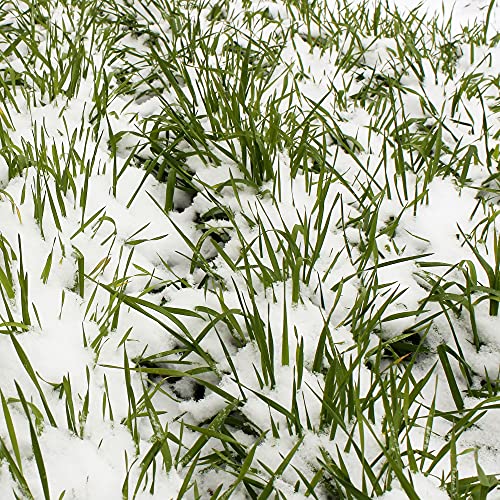
Mountain Valley Seed Co No-Till Winter Rye Seeds 5 Lbs

Premium RYE Gulf Annual Oregon Grown 50 LBS
More Details On Our Top Picks
This Barenbrug blend speaks to yards that need a winter reset without a full renovation. Overseeding mixes are made to fill in thinning turf, so you get a cleaner seasonal refresh than a random all-purpose seed would provide.
The trade-off is focus, not versatility, because an overseeding blend serves a narrower job than a broad tall-fescue mix like Jonathan Green Black Beauty Original. Homeowners dealing with patchy cool-season turf or mild-winter lawns will get the most out of it.
Strong Points
- Built for overseeding, so it fits seasonal touch-ups without overcomplicating the job.
- The mix format suits homeowners who want faster visual fill-in across thin areas.
- It pairs well with cooler-weather lawn care routines, especially on established turf.
- Good match for winter maintenance where the goal is a tidier look, not a full rebuild.
Things To Consider
- Its purpose is narrower than a full lawn-renovation seed, so expectations matter.
- Overseeded areas usually still need careful mowing and watering habits afterward.
Feature Snapshot
Who It Suits Best
Homeowners with established cool-season lawns who need winter overseeding for a cleaner finish will get the most from this mix.
Where A Sibling Pick Shines
Barenbrug Winter Wonderlawn Grass Seed 10-Lbs. suits southern lawns better when you want a more clearly defined winter-greening option.
This one is the cleaner fit for southern homeowners who want winter color without having to decode a long ingredient list. The source points to Italian and perennial ryegrass, which are both common overseeding grasses known for quicker establishment and a deep green look.
That speed can be handy on busy weekends or around a front yard you want to improve before guests see it, though the trade-off is the usual ryegrass habit of favoring seasonal coverage over long-term permanence. Compared with Barenbrug Winter Wonderlawn Over Seeding Lawn Mix 24048, this feels more direct and easier to read for a specific winter lawn job.
What We Like
- Italian and perennial ryegrass make the use case easy to understand.
- The blend is aimed at faster winter establishment, which helps yards recover visually sooner.
- Deep green color suits curb appeal focused front lawns.
- Ten pounds is a workable size for a modest overseeding project.
Minor Gripes
- It is tuned for Southern and Southwest conditions, so colder regions need a different approach.
- Ryegrass-style seasonal coverage may not match the staying power of a tall-fescue blend.
Core Details
Made For
Homeowners in Southwest and Southern climates who want a greener winter lawn with a relatively straightforward overseeding plan will like this pick.
A Better Fit Elsewhere
Jonathan Green Black Beauty Original Grass Seed Blend 15 lb suits you better when you want a broader cool-season blend with deeper-rooting tall fescue.
Small renovation jobs are where this Jonathan Green pack makes the most sense. The 3-pound size is easier to handle for patching a side yard, refreshing a worn strip by the driveway, or handling a modest cool-season overseed without extra bulk.
Compared with the Barenbrug winter-focused options above, this feels less seasonal and more about resilience in a typical cool-season lawn. The honest read is that a compact bag suits touch-up work better than a wide open lawn that needs a full reseed.
Upsides
- Compact bag size makes storage and handling simpler.
- Fits small repairs without leaving a large amount of seed unused.
- The heat and drought resistant positioning suits yards that see rough summer stretches.
- Good entry point for homeowners who want a branded cool-season seed in a manageable quantity.
Worth Noting
- Three pounds can disappear fast on larger lots.
- Small packaging means you may need a second bag for broader projects.
At A Glance
Built With In Mind
Homeowners handling small cool-season repairs or a compact overseeding area will find this size easiest to manage.
Another Choice May Suit
Jonathan Green Black Beauty Original Grass Seed Blend 15 lb fits you better for bigger lawn areas that need deeper coverage from one bag.
This bag sits in a useful middle ground, bigger than the 3-pound Jonathan Green pack but not as committed as the 15-pound Original blend. That makes it a sensible fit for yard touch-ups, average-size overseeding jobs, or homeowners who want enough seed to cover more than a corner without going oversized.
The name suggests a premium cool-season approach, and the 7-pound format supports that practical middle path. You may find it easier to store and portion than the heavier options, especially when you want to seed in stages rather than all at once.
Bright Spots
- Seven pounds is a comfortable middle size for many home lawns.
- Works well for overseeding projects that are larger than a patch job.
- Still manageable to carry, pour, and store.
- Gives you more coverage flexibility than the small Jonathan Green 3 lb bag.
Points To Note
- It still may not be enough for a full-property renovation.
- The middle size can leave you calculating coverage more carefully than with a larger sack.
Details At A Glance
Right Fit For
Homeowners who want a mid-size cool-season bag for mixed patchwork and light overseeding will appreciate the balance here.
Look Elsewhere When
Barenbrug Winter Wonderlawn Grass Seed 10-Lbs. suits you better for a more winter-specific Southern overseeding plan.
This is the most substantial Jonathan Green option in the list, and the 15-pound size tells the story before the bag is even opened. Large lawns, renovation work, and broad overseeding projects benefit from that kind of capacity, especially when you’d rather avoid splitting coverage across multiple smaller packs.
The source also points to 100% tall fescue, which means a cool-season blend built around a grass type known for deeper roots and tougher yard conditions. That can be a good match for sunny and shady spots alike, though the larger bag and more specific seasonal timing ask for a bit more planning than the Barenbrug winter mixes.
Positives
- Large 15-pound format suits bigger lawns and renovation projects.
- 100% tall fescue gives the blend a clear cool-season identity.
- The deeper-rooting grass type is a practical fit for yards that see dry spells.
- Useful across sunny and shady zones, which cuts down on patch-by-patch guesswork.
- Good for homeowners who want one heavier bag instead of several small ones.
Softer Spots
- The larger pack takes more storage space than the 3-pound or 7-pound options.
- Its planting window calls for more seasonal timing than a casual fill-in job.
- Heavy coverage can mean extra cleanup and more careful spreading.
Spec Overview
Whose Shelf It Belongs On
Homeowners with a larger cool-season lawn and a need for broad coverage will get the most out of this bag.
Skip It When
Barenbrug Winter Wonderlawn Over Seeding Lawn Mix 24048 makes more sense for a lighter winter overseeding task on established turf.
Annual ryegrass is the kind of seed you reach for when you want a fast seasonal cover and a greener look during cooler weather. The source calls out southern lawns, full sun, and a 3 to 7 day result window, so the use case is plain enough for homeowners who want quick fill on a sunny stretch.
That speed is useful, but annual ryegrass is more about temporary coverage than long-term lawn structure. Compared with Barenbrug Winter Wonderlawn Grass Seed 10-Lbs., this feels more straightforward for short-term seasonal color and less about a polished permanent lawn plan.
Reasons To Buy
- Fast seasonal coverage suits lawns that need a visible fill-in soon.
- The southern-lawn focus keeps the use case clear.
- Full-sun guidance helps you place it where it has the best chance to take hold.
- Ten pounds gives you a reasonable amount for a moderate project.
Areas To Watch
- Annual ryegrass is usually chosen for temporary coverage, not a long-term stand-in.
- The full-sun emphasis makes it a poor match for shaded sections.
- Cooler-season lawn owners outside the southern range may want a different seed type.
Feature Card
Who Should Grab It
Southern homeowners wanting quick seasonal coverage in full sun will find this the most direct fit.
A Better Fit Elsewhere
Jonathan Green Black Beauty Original Grass Seed Blend 15 lb is the stronger pick for a more permanent cool-season lawn project.
This is the outlier in the group, and that matters because it is not lawn grass at all. The source describes it as a non-GMO cover crop, which makes it better for soil coverage, garden beds, or off-season ground protection than for a front-yard grass replacement.
That distinction saves you from a common mistake, because winter rye cover crop and lawn ryegrass can sound similar without doing the same job. The 5-pound size suits small garden areas, and the cold-hardy, heirloom positioning makes sense for seasonal soil work rather than a polished suburban lawn.
Best Bits
- Clear cover-crop purpose keeps it from being mistaken for turf seed.
- Non-GMO positioning may matter to gardeners who want a simpler seed source.
- Cold-hardy use makes sense for fall or spring ground coverage.
- Five pounds is convenient for smaller garden beds or patch areas.
Small Caveats
- It does not belong on a lawn if your goal is turf grass.
- The cover-crop role means cleanup and follow-up depend on your garden plan.
Core Details
The Right Fit
Gardeners who want a winter cover crop for soil protection or no-till work will get the real value here.
Where Shoppers Go Wrong
Barenbrug Winter Wonderlawn Grass Seed 10-Lbs. is the better choice when the goal is lawn overseeding instead of cover-crop use.
The bulk format makes this the broad-coverage option in the set, aimed at large properties and wide open seeding jobs. Since it’s an annual ryegrass product, the strongest use case is fast seasonal lawn coverage rather than a permanent turf solution.
The source also points to hardiness zones 1 through 7, which gives it a wide climate reach on paper, though your actual lawn plan still depends on how you want the grass to behave through the season. Compared with Pennington Annual Ryegrass Seed 10 Lb, this is the heavier-duty route when the job area is simply much larger.
Positives
- The 50-pound size is useful for large yards and broad seeding coverage.
- Annual ryegrass supports fast seasonal lawn fill-in.
- Hardiness zones 1 through 7 give it wide climate relevance.
- Bulk sizing can reduce the need to juggle multiple smaller bags.
- Good fit for property-scale projects where quantity matters most.
Room For Improvement
- The bulk bag takes real storage space.
- Annual ryegrass points more toward seasonal use than long-term turf structure.
- The listing is plain, so you need to know your own lawn goal before choosing it.
Feature Rundown
Whose Shelf It Belongs On
Homeowners with a large lawn or broad seasonal coverage need will benefit most from this bulk ryegrass bag.
Swap It Out When
Pennington Annual Ryegrass Seed 10 Lb makes more sense for a smaller sunny lawn and a lighter seasonal project.
How To Choose The Right Lawn Seeds For Winter
Match The Seed To The Job
Winter lawn seed starts with one question, what are you actually fixing? Overseeding blends like the Barenbrug options fit established turf that needs a thicker look, while full reseed jobs call for a broader cool-season mix such as Jonathan Green Black Beauty Original.
Annual ryegrass sits in a different lane. It gives fast seasonal coverage, which suits southern lawns and short-term color, but it does not do the same job as a permanent turf blend.
Read The Grass Type, Not Just The Bag Size
Grass type tells you more than packaging does. Ryegrass tends to establish quickly and is often used for winter color, while tall fescue brings a more durable cool-season profile for lawns that need depth and staying power.
That difference matters in everyday use. A 10-pound bag may be perfect for a front-yard overseed, while a 15-pound tall-fescue blend makes better sense for a larger lawn that needs more ground covered with fewer interruptions.
Pay Attention To Your Climate And Sun Exposure
Climate is the part many people gloss over, and that’s where problems start. Southern and Southwest lawns usually work well with winter ryegrass-based overseeding, while cooler regions often need a more traditional cool-season blend.
Sun exposure matters too. Pennington Annual Ryegrass Seed is aimed at full sun, so shaded corners can underperform, and even tough-looking seed can struggle in spots that stay damp or compacted.
Think Beyond Germination
Fast sprouting looks great on the bag, but ongoing upkeep matters just as much. Watering, mowing height, and how the existing lawn is already behaving all affect the final result, especially with overseeding mixes.
Storage and handling matter too. A small 3-pound bag is easy to manage for patch work, while a 50-pound sack makes sense only when the project is large enough to justify the bulk.
Things Worth Knowing First
Mistakes Worth Dodging
A common slip-up is choosing lawn seed without checking whether it is meant for turf or for a cover crop. Mountain Valley Seed Co No-Till Winter Rye Seeds belongs in garden soil work, not on a front yard lawn.
Another easy miss is picking annual ryegrass for shaded ground. The label on Pennington calls out full sun, so that matters more than the bag size when placement is uneven.
The Upgrade Payoff
Higher-tier seed usually costs more because it carries a clearer grass blend, a more specific use case, or a larger amount of seed in a single bag. Jonathan Green Black Beauty Original, for example, brings 100% tall fescue and a large 15-pound format, which helps on bigger or tougher lawns.
That extra spend makes sense when you want fewer compromises. It is less compelling for a tiny touch-up, where a smaller bag or a focused winter overseed can do the same practical job.
Frequently Asked Questions
What Is The Difference Between Winter Lawn Seed And Cover Crop Seed?
Winter lawn seed is made for turf coverage, overseeding, or lawn renewal. Cover crop seed, like Mountain Valley Seed Co No-Till Winter Rye Seeds, is for soil work rather than a finished lawn look.
Is Ryegrass A Good Choice For Winter Color?
Ryegrass is a common choice for faster seasonal greening, especially in southern lawns. Pennington Annual Ryegrass Seed and Barenbrug’s winter ryegrass-based mix both point in that direction.
Why Do Some Winter Seeds Focus On Tall Fescue?
Tall fescue is often used in cool-season lawns because it brings a tougher, more durable profile. Jonathan Green Black Beauty Original uses 100% tall fescue, which suits broader lawn projects.
How Do You Choose The Right Bag Size?
Small bags work well for patch jobs and side-yard repairs, while mid-size and bulk bags suit larger lawns. A 3-pound pack handles touch-up work more neatly than a 50-pound sack.
Can You Use One Seed Type For Every Yard?
No single seed matches every lawn, because climate, shade, and project size all change the answer. A southern overseeding lawn and a large cool-season yard usually need different choices.
