

Shade can turn a lawn into a patchwork of thin spots fast, especially under trees, along fences, and beside north-facing walls. These seven lawn seed options suit that kind of uneven light, with mixes aimed at dense shade, sun-and-shade zones, repair work, and broader cool-season coverage. You’ll see where each pick fits best, what trade-offs come with it, and which bag makes sense for your yard’s layout.
The shortlist leans on turf-type tall fescue, fine fescue, and repair blends, since those grasses tend to handle low-light areas better than many standard mixes. That matters most for yards where mowing, watering, and foot traffic all happen in the same stubborn spots.
Quick Look At The Shade-Friendly Shortlist

Jonathan Green Black Beauty Dense Shade Grass Seed 1 lb

Jonathan Green Black Beauty Ultra Grass Seed 7 lb

Jonathan Green Black Beauty Original Grass Seed Blend 15 lb

GreenView Pure Grass Seed Turf Type Tall Fescue Sun & Shade Blend 3 lb
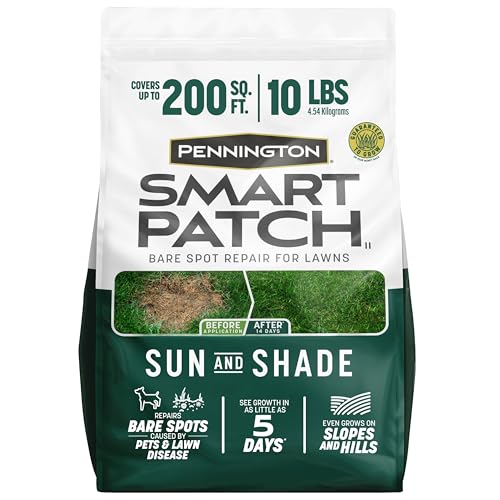
Pennington Smart Patch Grass Seeds for Lawn Sun and Shade Repair Mix 10 lb

Outsidepride Legacy Fine Fescue Grass Seed Mix 5 lb

Scotts Kentucky 31 Grass Seed Mix 20 lb
More Details On Our Top Picks
Smaller shaded patches are where this bag makes the most sense. The 1 lb size fits a side strip, tree ring, or a thin run along a fence where the light stays uneven and the soil dries slowly.
Compared with the wider-use Jonathan Green Black Beauty Ultra and the larger Original blend, this one feels more focused on modest projects. The honest read is that the compact bag keeps things simple, but you’ll want a bigger option for broad overseeding.
Strong Points
- Handy size for spot work around trees and corners
- Targets medium to denser shade more directly than broader mixes
- Cool-season fit suits yards with cooler springs and falls
Things To Consider
- Small bag means it runs out fast on open areas
- Focused use makes it less flexible for full-lawn projects
Feature Snapshot
Who It Suits Best
You’ll get the most from this bag in a yard with a few stubborn shaded sections, especially where you want a quick, tidy fix without extra leftovers.
Where A Sibling Pick Shines
Jonathan Green Black Beauty Original Grass Seed Blend 15 lb suits homeowners covering broader shade and sun zones at once.
This 7 lb bag sits in a comfortable middle ground for yards that need more than patch repair but less than a large overseed project. It suits a front lawn with mixed light, where part of the strip gets sun and another part sits under tree cover.
Compared with Item 1, you get more reach without stepping up to the heavier Original blend. That makes it a steadier option for routine reseeding, and you may find the size easier to manage in storage than the 15 lb bag.
What We Like
- Middle-size bag works well for steady maintenance
- Useful for lawns that mix sunlight and shade
- Less bulky than larger bags for storage
Small Caveats
- Still not the right scale for very large lawns
- Shade performance depends on how dense the cover is overhead
Details At A Glance
Made For
You’ll appreciate this one for routine overseeding in a yard that needs a tidy middle-size bag rather than a specialty repair mix.
Another Choice May Suit
GreenView Pure Grass Seed Turf Type Tall Fescue Sun & Shade Blend 3 lb suits smaller projects that need a quicker start and lighter bag weight.
Large yards with both sun and shade have a different rhythm, and this 15 lb blend suits that kind of stretch. The tall fescue mix is built for cool-season lawns, and the source details point to roots that can reach deep, which helps in dry spells and under tree canopies.
It also gives you one of the broadest use cases in this roundup, since it works in sunny and shaded spots rather than leaning hard toward one extreme. The trade-off is simple, a larger bag asks for more storage space and makes the most sense when you’ve got enough square footage to justify it.
Reasons To Buy
- Deep-rooting tall fescue blend supports drier stretches
- Works across sunny and shaded sections of the lawn
- 15 lb size suits larger projects and overseeding jobs
- Dark-green, turf-type fescue gives a more even look
Honest Caveats
- Bulkier bag takes more storage room
- Best planted in the listed seasonal windows, so timing matters
Technical Sheet
Built With In Mind
This fits homeowners who want one bag for a larger cool-season lawn that sees both strong light and lingering shade.
Look Elsewhere When
Outsidepride Legacy Fine Fescue Grass Seed Mix 5 lb suits a finer-textured lawn in especially shady parts of the yard.
Small repair jobs tend to reward a bag like this. The 3 lb size suits a side yard, a worn walkway edge, or a few patchy zones where you want a turf-type tall fescue blend without committing to a bulkier sack.
The listed coverage of up to 750 square feet gives you a workable sense of scale, and the quick-germination note matters in bare spots that you want to fill in sooner rather than later. Compared with the Jonathan Green bags, this GreenView option feels more compact and easier to handle on tight weekend projects.
Upsides
- Compact bag is easy to carry and store
- Coverage note helps you plan smaller projects
- Turf-type tall fescue suits mixed-light lawns
- Quick-start focus helps bare patches fill in sooner
Points To Note
- Smaller size is less efficient for broad lawn coverage
- Lightweight bag makes it a better match for spot work than full reseeding
At A Glance
The Right Fit
You’ll like this most for modest projects where easy handling matters as much as the seed mix itself.
Skip It When
Scotts Kentucky 31 Grass Seed Mix 20 lb makes more sense for a wider lawn that needs heavier coverage.
Patch repair calls for a different kind of bag, and this Pennington mix is built around that job. It targets lawns with sun in some areas and moderate shade in others, so it fits the kind of yard where one side never behaves like the other.
The source details also mention grass fertilizer and microbials, which points to a more layered repair mix than a plain seed bag. That can be useful in thin spots, though the added ingredients also mean this is more specialized than the simpler Jonathan Green or GreenView options.
Best Bits
- Repair-focused mix suits bare or thinning sections
- Includes fertilizer support for a more complete patch blend
- Sun and moderate shade fit covers many suburban lawns
- 10 lb size offers room for recurring repairs
Areas To Watch
- Specialized repair mix is less about whole-lawn reseeding
- Heavier bag may be more than a small spot needs
- Best results still depend on matching the lawn’s light pattern
Core Details
Whose Shelf It Belongs On
This belongs with homeowners who regularly patch worn spots and want a mix aimed at both growth support and varied light.
Where Another Pick Suits Better
GreenView Pure Grass Seed Turf Type Tall Fescue Sun & Shade Blend 3 lb suits lighter touch-ups that need a smaller, simpler bag.
Fine fescue is a smart direction for yards that spend a lot of time under filtered light, and this blend goes hard on that idea. The mix includes hard fescue, chewings fescue, and creeping red fescue, so the texture tends to be finer than the turf-type tall fescue options earlier in the list.
Outsidepride also points to OptiGrowth coating, which is meant to support establishment. That detail matters for new lawns or overseeding, though the trade-off is that the finer texture may feel less rugged under heavier foot traffic than the bulkier tall fescue choices.
Positives
- Fine fescue blend suits shaded, lighter-use areas
- Three-grass mix brings texture variety to the lawn
- OptiGrowth coating supports a smoother start
- Works across full sun to dense shade
Room For Improvement
- Finer turf may not suit rough, high-traffic spots
- 5 lb bag is better for medium projects than huge lots
Feature Card
Who Will Love This
You’ll appreciate this most in a yard where shade is the main problem and you want a finer look than many standard tall fescue mixes provide.
A Better Fit Elsewhere
Jonathan Green Black Beauty Original Grass Seed Blend 15 lb suits larger lawns that need a sturdier all-around bag.
This is the bag for bigger ground coverage, plain and simple. The 20 lb size and stated coverage up to 5,000 square feet make it a natural fit for larger yards, open strips, and broad reseeding jobs where a small bag would feel like a drip under a bucket.
It does not lean as hard into dense shade language as some of the other picks, so it makes the most sense where shade is part of the picture rather than the whole story. For homeowners handling large outdoor spaces, that wider reach can matter more than a highly specialized shade blend.
Highlights
- Large bag suits broad lawn coverage
- Coverage figure helps with planning before spreading
- Works well for expansive cool-season areas
Softer Spots
- Less specialized for heavy shade than the most focused picks here
- Bulky bag is harder to store and move
- Best value comes from actually needing the larger coverage
Core Details
Best Suited To
You’ll want this for a large yard where coverage matters more than a tiny, shade-only formula.
Reach For A Different Pick When
Outsidepride Legacy Fine Fescue Grass Seed Mix 5 lb suits lawns that lean harder into shade and finer texture.
How To Choose The Right Lawn Seeds For Shade
Match The Grass Type To The Light
Shade tolerance starts with the grass family. Fine fescue tends to work well under trees and along fence lines, while turf-type tall fescue gives you more toughness in mixed light and is often easier to live with in ordinary suburban yards.
Cool-season blends suit cooler springs and falls, so they fit many northern lawns better than warm-season grasses. That matters because a shaded corner is already under stress, and the wrong grass type makes the job harder from the start.
Pay Attention To The Shape Of The Problem
A thin strip beside the garage does not need the same bag as a half-acre front lawn. Small repair areas are better served by compact bags, while broader overseeding jobs reward larger sacks with better coverage and less repeat shopping.
Measure the rough square footage before you choose. A coverage note on the bag helps you avoid overbuying, which is especially useful in shade projects where the seed often goes down in more than one pass.
Look For More Than Just Seed
Some mixes add fertilizer or coating, and those extras can help with early establishment. Seed coating is a light treatment around the seed that can support moisture retention and handling, which can be handy in dry shade under mature trees.
The trade-off is cost and complexity. Plain seed bags stay simpler, while mixed repair formulas make more sense for patchy lawns that need a little extra support from the start.
Think About Maintenance After Seeding
Shade lawns often need cleaner mowing habits, more patient watering, and less foot traffic while new growth fills in. A denser blend can help, but overhanging branches, compacted soil, and poor airflow still matter a lot.
Choose a mix that matches the real conditions, not the lawn you wish you had. That approach keeps the seed choice practical instead of optimistic.
A Quick Reality Check Before You Choose
Common Shopping Slip Ups
One common mistake is buying a bag that suits sun first and shade second, then expecting it to solve deep-cover problems. Another is choosing more seed than you can use before the season window closes.
Shade lawns also punish vague planning. Measure the area, note how many hours of light it gets, and avoid treating every shady spot the same.
What The Higher Tier Buys
Higher-tier shade blends often cost more because they use more specialized grass types, finer texture mixes, or added coatings. Those details can help in difficult yards, especially where the lawn sits under trees or gets only broken light.
The upgrade makes sense when you’re repairing a prized front lawn, managing a tricky slope, or trying to improve a thin area that has failed with simpler seed before. For ordinary overseeding in mixed light, a simpler bag usually does enough.
Frequently Asked Questions
What grass type usually handles shade better?
Fine fescue and turf-type tall fescue are common choices for shaded lawns. The better fit depends on whether your yard needs a finer look or a tougher all-around blend.
Can shade seed still work in partial sun?
Yes, many shade-oriented mixes are also built for mixed light. That flexibility helps in yards where trees move the light around during the day.
Should you choose a repair mix or a full-lawn blend?
A repair mix fits thin spots and patchy corners. A full-lawn blend makes more sense when you’re overseeding a broader area.
Does bag size matter that much?
Bag size matters because it affects both coverage and storage. A small yard can be easier to handle with a compact bag, while larger lawns need more volume.
How do you know which shade level your lawn has?
Look at how long the area stays out of direct light and whether the shade is light, partial, or dense. Under tree cover and beside buildings, the difference can be the deciding factor.
