

Uneven turf, mole ridges, and loose seedbeds can make a yard feel unfinished fast. You need a roller that matches your space, your tow setup, and how much weight you can actually manage without turning routine lawn care into a chore.
This roundup focuses on practical fits for homeowners, garden-maintenance projects, and larger properties that need steady compaction after seeding or leveling work. Some picks lean light and easy to move, while others are built for heavier passes behind a tractor.
The Shortlist At A Glance

JouZYA Lawn Leveler Rake 17 x 10 In, 27 to 80 In Handle
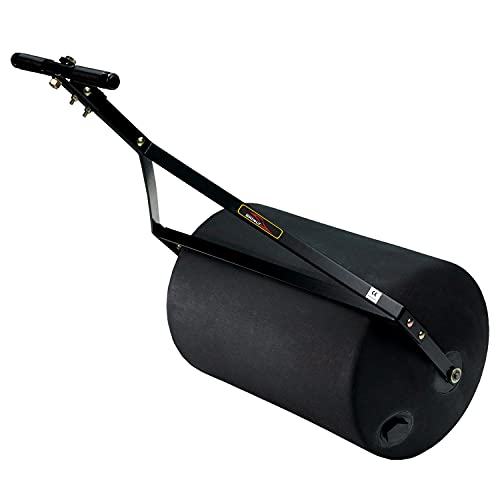
Brinly 270 lb. Combination Push/Tow Poly Lawn Roller
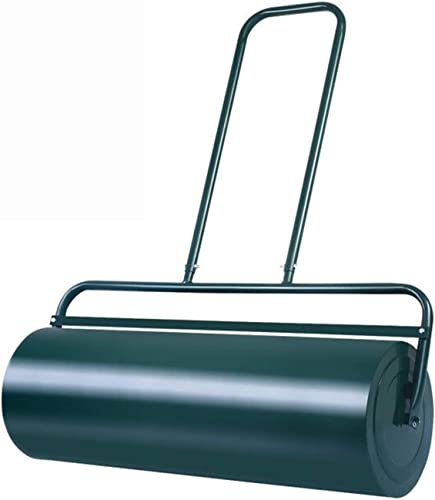
Goplus Lawn Roller 17 Gallon, 36 x 12 In

VEVOR Compost Spreader 24 In, Adjustable Handle

VINGLI 20 In Lawn Roller, Water Filled

COSTWAY 17 Gallon Lawn Roller Tow Behind

VEVOR Lawn Roller 13 Gallon, Steel Drum

VEVOR Lawn Roller 61L, Ergonomic Handle
More Details On Our Top Picks
This rake-style leveler suits yards that need more finesse than brute force. The wide 17 by 10 inch working head and the 27 to 80 inch adjustable handle make it easier to reach uneven patches without bending over constantly.
Compared with the drum-style rollers lower in this list, this pick is more about spreading and smoothing than adding mass. That makes it handy after topdressing, especially in garden spaces, golf-lawn style turf, or small farm areas where a lighter touch feels more practical.
Strong Points
- Wide working head helps cover more ground per pass.
- Adjustable handle length supports different users and reach needs.
- Aluminum rollers pair with a stainless steel build for steady handling.
- Better suited to leveling work than heavy compaction, which many yards actually need.
Points To Note
- It serves a different job than a true fillable lawn roller, so packed soil work needs another tool.
- The long handle can feel a bit bulky in tight storage spaces.
Feature Rundown
Who It Suits Best
Homeowners dealing with topdressing marks, shallow low spots, or carefully maintained turf will get the most out of this style.
Where A Sibling Pick Shines
Brinly 270 lb. Combination Push/Tow Poly Lawn Roller fits better for deeper compaction after seeding, especially across bigger lawns.
For a property that needs real rolling weight, this Brinly model looks like the most serious option in the lineup. The 270 lb. capacity gives you the kind of mass that helps flatten fresh seedbeds and settle uneven ground after a lot of lawn work.
The push and tow combination matters because it gives you flexibility, which is handy on mixed-size properties. The tethered plug is a small but welcome touch, since fill-and-drain steps usually become the annoying part of ownership with any water-filled roller.
Highlights
- High fill capacity supports heavier passes on compacted or lumpy turf.
- Push or tow use gives you more freedom around the yard.
- Tethered plug reduces the chance of misplacing a small part.
- Poly body should be easier to rinse off than bare metal after muddy work.
Small Caveats
- Once filled, it’s not a casual carry-around tool.
- Large-capacity rollers take a little more attention during storage and draining.
Core Details
Built With In Mind
Property owners with broad open lawns and regular compaction jobs will appreciate the weight and tow flexibility here.
A Better Fit Elsewhere
VINGLI 20 In Lawn Roller, Water Filled suits smaller yards more comfortably, especially where storage space feels tight.
This Goplus roller lands in the middle ground nicely, with a steel drum that can be filled with either water or sand. That flexibility helps you tune the weight to the job, which is useful on a backyard where some areas need a gentle pass and others need more pressure.
The 36 x 12 inch size feels suited to general yard maintenance rather than huge acreage. The U-shaped handle also gives you a more natural grip for pushing or pulling, and that makes a difference on uneven ground where a straight handle can feel awkward.
What We Like
- Water or sand filling lets you choose the weight that fits the task.
- Push, pull, or tow use makes it easy to match the tool to the job.
- Steel drum construction suits regular outdoor use.
- U-shaped handle gives you a more stable hold during longer passes.
Areas To Watch
- Fillable rollers need draining and rinsing after use, so upkeep takes a little attention.
- The size is practical, but it won’t feel as compact as the VEVOR 13 gallon option.
At A Glance
Right Fit For
Homeowners who want one roller for routine lawn maintenance and occasional heavier passes will likely find this shape easy to live with.
Swap It Out When
Brinly 270 lb. Combination Push/Tow Poly Lawn Roller makes more sense for larger lawns where maximum fill weight matters more than flexibility.
This pick plays a different role from the rollers around it, since it’s built for spreading peat moss or compost rather than compacting soil. The 24 inch width can cover a good amount of ground, which helps on larger lawns where even distribution matters more than brute weight.
The three-height adjustment on the T-shaped handle should help with posture, especially during longer topdressing sessions. You may find it best suited to planting prep or seasonal lawn care, not to the kind of packing pressure you’d expect from the Brinly roller.
Reasons To Buy
- Wide spread path helps cover lawn areas efficiently.
- Adjustable handle height supports different working positions.
- Powder-coated steel is a sensible choice for outdoor use.
- Better fit for compost and peat moss jobs than a drum roller.
Worth Noting
- It serves spreading work, so it’s not a stand-in for a true lawn roller.
- The larger width may feel a little much in narrow side yards.
Technical Sheet
Whose Shelf It Belongs On
Gardeners who topdress lawns regularly and want a more even spread than hand tossing can provide will appreciate this setup.
Look Elsewhere When
Goplus Lawn Roller 17 Gallon, 36 x 12 In fits better for straightforward turf compaction and general lawn repair.
The VINGLI roller keeps the formula simple, which can be a relief in a category that sometimes gets overly heavy and bulky. Its 20 inch drum and 10.5 gallon fill capacity suit smaller lawns, backyard touch-ups, and seedbed settling without asking you to manage a giant piece of equipment.
A removable drain plug and a steel drum make ownership easier to live with, especially for seasonal use. Rounded drum ends are a thoughtful detail too, since they help the roller turn with less scuffing around the edges of the lawn.
Upsides
- Moderate capacity keeps the roller usable for smaller outdoor spaces.
- Removable drain plug makes emptying more straightforward.
- Steel drum adds sturdiness for regular yard work.
- Rounded ends help the roller move more smoothly through turns.
Minor Gripes
- It’s a fillable roller, so draining and drying are part of ownership.
- Gardeners with large open yards may want more mass than this model provides.
Details At A Glance
The Right Fit
Homeowners with modest lawns, patch repair projects, or seasonal seed rolling will probably find this size easy to handle.
A Better Fit Elsewhere
COSTWAY 17 Gallon Lawn Roller Tow Behind gives you more capacity for broader yards and tractor-assisted use.
This COSTWAY roller is aimed at bigger grounds where tractor towing makes the job practical. The 17 gallon capacity sits in a useful middle zone, enough for meaningful lawn pressing without moving into the heavier territory of the Brinly model.
It also makes sense for park, farm, or turf maintenance where the roller may be stored with other outdoor attachments. You may find the tow-behind setup more efficient than pushing, especially across broader, flatter ground that takes repeated passes.
Best Bits
- Tow-behind format suits tractor-assisted property care.
- 17 gallon capacity gives useful working weight.
- Fits garden, park, farm, and turf use cases.
- Good middle-ground choice between compact and heavy models.
Things To Consider
- It makes the most sense with towing equipment nearby.
- Storage and maneuvering are less convenient than on compact hand-push rollers.
Spec Overview
Made For
Landowners and groundskeepers who already tow implements around the property will get the cleanest fit here.
Another Choice May Suit
VEVOR Lawn Roller 13 Gallon, Steel Drum is easier to handle for smaller spaces and lighter seasonal work.
Compared with the bigger Brinly roller, this VEVOR option looks better suited to modest yards and more frequent hand use. The 13 gallon fill capacity keeps the body more manageable, while the steel build and easy-turn plug give it a straightforward, no-nonsense feel.
The U-shaped handle should help with push and pull control, which matters on lawn edges and shorter runs where a tow setup would be overkill. For most backyards, that balance between weight and storage convenience is the real appeal here.
Bright Spots
- Smaller size makes the roller easier to live with in tight storage areas.
- 13 gallon capacity keeps it practical for routine yard care.
- Steel construction supports everyday outdoor use.
- U-shaped handle improves comfort during hand-guided passes.
Room For Improvement
- It’s not built for the kind of weight some larger properties need.
- Owners who prefer machine towing will probably want a different style.
Core Details
Best Suited To
Smaller-property owners and weekend lawn caretakers will likely appreciate how easy this one is to store and move.
Where A Sibling Pick Shines
Goplus Lawn Roller 17 Gallon, 36 x 12 In is the better call when you want a larger drum and more flexibility on mixed-size jobs.
This VEVOR roller brings the most rounded feature set in the group, especially for someone who wants a fillable drum with a more refined maintenance story. The 61L capacity, which is roughly a 61-liter drum volume, gives you room for substantial water or sand fill, and that matters when repeated passes are part of the routine.
The sealed bearing system, scraper bar, and double-layer rust-resistant coating are the kinds of details that tend to matter over time rather than on day one. Compared with the simpler VINGLI roller, this model feels more engineered for frequent outdoor storage, and the wall-hanging storage note is a nice practical touch.
Positives
- 61L capacity supports heavier rolling work.
- Thickened high-carbon steel drum adds a more durable feel.
- Sealed bearings help keep dust and water out of moving areas.
- Rust-resistant coating is a useful detail for outdoor storage.
- Scraper bar helps knock off dirt after use.
- Wall-hanging storage note suits sheds and garages with limited floor room.
Honest Caveats
- The fuller feature set makes it more involved than a basic compact roller.
- Extra capacity can mean more effort during filling and draining.
Feature Card
Who Should Grab It
Frequent lawn caretakers and property owners who want a more durable fillable roller will get the most out of this one.
Reach For A Different Pick When
VINGLI 20 In Lawn Roller, Water Filled is the easier choice for a lighter, simpler setup on a smaller yard.
How To Choose The Right Lawn Rollers
Match The Weight To The Ground
Heavier rollers press seed and soil together more firmly, which helps after seeding or patch repair. Lighter rollers are easier to manage for small lawns, tight side yards, and people who don’t want to wrestle a huge drum.
Weight matters because it changes both the force on the turf and the effort you spend moving the tool. A 270 lb. fillable roller belongs on bigger, flatter areas, while a 13 gallon or 10.5 gallon model makes more sense for routine cleanup work.
Choose The Right Motion Style
Push-and-pull rollers suit hand guidance and smaller spaces, especially where you want more control around beds and edges. Tow-behind rollers make sense once the yard gets larger or a tractor is already part of your routine.
The trade-off is simple: hand use gives more precision, towing saves energy. The best fit comes down to how often you want to walk the yard versus let equipment carry the load.
Think About Fill, Storage, and Maintenance
Water-filled and sand-filled drums let you adjust weight, but they also need draining, rinsing, and drying after use. That matters more than it sounds, because standing moisture and leftover grit can make ownership feel messy over time.
Steel drums usually bring a sturdier feel, while poly bodies often rinse down more easily. If your shed is tight, a compact roller with a handle that stores cleanly can save you frustration later.
Use Case Comes First
Topdressing and leveling work call for a different shape of tool than heavy soil packing. A leveling rake helps smooth high and low spots, while a drum roller is better for bringing seed into close contact with the ground.
That difference is easy to miss, but it matters. The right tool keeps you from overworking the lawn and makes the whole job feel more controlled.
Things Worth Knowing First
Mistakes Worth Dodging
Many people focus on capacity alone and miss the real fit. A roller that sounds powerful can be awkward on a small yard, while a compact roller can feel underbuilt on a large property.
Storage gets overlooked too. Fillable models need draining and cleanup, so you want a setup that fits your shed, garage, or equipment area without becoming a burden.
Where The Extra Money Goes
Higher-tier rollers usually spend the money on thicker steel, better handle design, easier plugs, and more durable bearings. Those details don’t sound flashy, but they shape how the tool feels after the fifth or tenth use.
That upgrade makes sense for frequent lawn care, bigger properties, or anyone who wants the roller to feel less fussy to own. For occasional use, a simpler build may be enough.
Frequently Asked Questions
What does a lawn roller actually do?
A lawn roller presses soil and seed into better contact, which helps smooth light bumps and settle fresh work. It also helps flatten minor disturbances after garden or turf projects.
Should you choose water or sand fill?
Water is easier to add and remove, so it suits seasonal use and quick cleanup. Sand gives you a different weight feel, but it usually asks for a little more effort during filling and draining.
Is a tow-behind roller worth it for a small yard?
A tow-behind model usually feels oversized in a compact space. Hand push and pull rollers fit small lawns more naturally and are easier to store.
Do you need a heavy roller for new seed?
New seed work benefits from contact with the soil, but more weight is not always better. A moderate roller often makes more sense than a very heavy drum unless the yard is broad and fairly open.
How do you store a lawn roller after use?
Drain the fillable drum, rinse out residue, and let it dry before putting it away. A compact model or one that can hang in a garage saves space and stays easier to manage.
