

Choosing the right lawn pre-emergent gets easier once you match the product to your grass type, weed timing, and how much follow-up you want to do. Some yards need a straight prevention plan, while others need a product that handles visible weeds and feeding at the same time.
You’ll see both granular and liquid options below, along with a few herbicides that work well in tight problem areas. The right match can save a season of guesswork, especially in a yard that deals with crabgrass, broadleaf weeds, or patchy growth after warm weather settles in.
The Shortlist At A Glance

Fertilome (13915) St. Augustine Weed & Feed 15-0-4, 12.8 lbs

Jonathan Green (12197) Lawn Weed Control

Fertilome (11907) Crabgrass Preventer + Lawn Food 20-0-3, 16 lbs

Yard Mastery 24-0-6 Flagship Granular Lawn Fertilizer

Scotts Liquid Green Max Lawn Food, 32 oz.
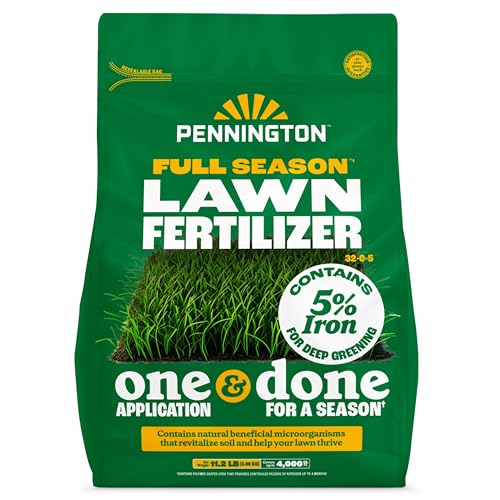
Pennington Full Season Lawn Fertilizer 4M 32-0-5 RF 3/11.2Lb
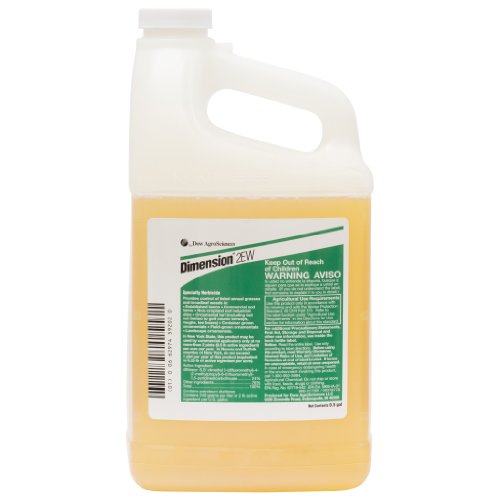
Dimension 2EW Herbicide 0.5 Half Gallon

Liquid Harvest Mesotrione Bundle 8 Ounces
More Details On Our Top Picks
This bag fits yards that need weed control and feeding in the same pass, especially warm-season lawns such as St. Augustine, centipede, and zoysia. The 15-0-4 blend signals a nitrogen-heavy feed, while the weed-control side leans toward both prevention and cleanup, which can save time in a busy yard.
The trade-off is turf selectivity, so the label matters more here than it does on a general-purpose fertilizer like Yard Mastery’s granular feed. The honest read is simple, this is a strong fit for the right grass, but not a casual grab for mixed or northern lawns.
Strong Points
- Combines feeding and weed control, so your lawn care routine stays shorter.
- Matches St. Augustine, centipede, and zoysia needs, which helps narrow the guesswork.
- The granular format spreads easily with a standard lawn spreader.
- Useful for yards that want visible weed pressure handled alongside nutrition.
Points To Note
- Not suited to Bermuda or northern grass types, so label checks really matter.
- The selective nature means it’s less flexible than Jonathan Green’s broadleaf-only option.
Feature Snapshot
Who It Suits Best
You benefit most here when your yard is planted in one of the listed warm-season grasses and you want fewer separate lawn products on hand.
A Better Fit Elsewhere
Jonathan Green (12197) Lawn Weed Control suits you better when broadleaf weeds are the main issue and you want a post-emergent-only product for active growth.
This one speaks to lawns that already have weeds showing, not to prevention duty. It targets broadleaf troublemakers such as dandelions, chickweed, oxalis, and thistle, so it fits the kind of cleanup job that appears after a rain cycle or a neglected corner of the yard.
Compared with Fertilome’s weed-and-feed formulas, this is more focused and less about feeding the turf. That narrower job makes it easier to understand, and for most backyards, that simplicity is the appeal.
What We Like
- Covers a wide list of broadleaf weeds, so it handles many common lawn problems.
- Works in both cool-season and warm-season grass, which broadens placement options.
- Can be used when weeds are actively growing, making timing more flexible.
- Second applications are allowed for stubborn spots, which helps with recalcitrant patches.
Minor Gripes
- It does not address crabgrass, so grassy weeds need a different tool.
- The bag is for existing weeds, not early-season prevention.
- Moist grass helps the granules cling, so lawn conditions matter at spread time.
Core Details
Who Will Love This
You get the most from this pick when broadleaf weeds are already visible and your lawn is large enough to use the full coverage well.
Look Elsewhere When
Fertilome (11907) Crabgrass Preventer + Lawn Food 20-0-3 fits better for a spring-prevention plan that also adds lawn food.
Spring lawn care gets easier with a pick that handles prevention and feeding together, and that’s the role this Fertilome formula fills. The dithiopyr-based setup is aimed at crabgrass prevention with some broadleaf help, so it suits the kind of early-season work that many yards need before weeds become obvious.
Compared with Jonathan Green’s post-emergent approach, this one is about getting ahead of the mess instead of cleaning it up later. That makes it a sensible fit for homeowners who like to solve the crabgrass problem before it shows up in the middle of the lawn.
Reasons To Buy
- Pre-emergent control helps you target crabgrass before it breaks through.
- The 20-0-3 feed supports lawn growth while you handle weed prevention.
- Broadleaf control adds a little more range than a crabgrass-only product.
- Good for spring routines that favor one combined pass.
Softer Spots
- It is built around early-season timing, so late weed pressure calls for a different product.
- Coverage details were not provided in the source data, so planning takes more label reading.
- Like many granules, it depends on even spreading for best consistency.
Details At A Glance
Made For
You fit this pick best when early spring crabgrass prevention sits at the top of your lawn-care list.
A Better Fit Elsewhere
Dimension 2EW Herbicide suits you better when you want a more specialized crabgrass-focused herbicide with early post-emergent reach.
This formula leans into steady feeding, not weed killing, and that makes it a different animal from the first three picks. The 24-0-6 ratio brings a strong nitrogen base with potassium support, while the slow-release portion means nutrients are meant to feed over time instead of disappearing all at once.
For a lawn that needs richer color and a more even growth pattern, the added iron and Bio-Nite pairing give it a little more depth than a plain fertilizer bag. The catch is that you are buying a nutrition plan, not a weed-control product, so it works best beside a separate pre-emergent.
Upsides
- Slow-release nitrogen helps stretch feeding across the season.
- Iron support can help lawns look richer and more even in color.
- Micronutrients and Bio-Nite give the blend a more rounded feeding profile.
- Coverage for 15,000 sq. ft. makes it useful for larger lawns.
- Granular application keeps it familiar for standard lawn-care routines.
Areas To Watch
- It is fertilizer first, so weed prevention needs another product.
- Heavy nutrient bags mean storage and spreading take a little more planning.
Spec Overview
Best Suited To
You get the most value from this pick when your lawn care plan already includes a separate weed-prevention step and you want deeper seasonal feeding.
Swap It Out When
Fertilome (13915) St. Augustine Weed & Feed 15-0-4, 12.8 lbs makes more sense for warm-season lawns that want weed control and feeding in one spread.
Liquid feeding makes sense for small lawns, spot touch-ups, and owners who want something fast to mix and spray. This bottle combines fertilizer with an iron supplement, so it leans more toward quick color support than slow, season-long feeding.
Compared with the granular Yard Mastery bag, it trades long coverage for convenience and faster application. You may find it handy on a short weekend window, especially when a hose-end or sprayer setup already lives in your shed.
Bright Spots
- Liquid format spreads quickly and works well for small or patchy lawns.
- Fertilizer plus iron means fewer separate steps in a simple routine.
- Any-grass-type use broadens the fit across common turf setups.
- Useful for a fast color lift before guests arrive or weekend mowing.
Small Caveats
- Liquid products usually ask for more careful mixing and sprayer cleanup.
- It does not replace a true pre-emergent, so timing still matters.
- Small bottle size means it suits touch-up work more than broad acreage.
Quick Facts
The Right Fit
You’ll like this most for quick color support on a modest lawn where convenience matters more than long-run feeding.
Another Choice May Suit
Pennington Full Season Lawn Fertilizer 4M 32-0-5 RF 3/11.2Lb suits you better when you want a slower feeding schedule with less frequent application.
Pennington takes the low-maintenance route, which is appealing for anyone who prefers a once-per-season style of lawn feeding. The 32-0-5 formula signals strong nitrogen with potassium support, and the slow-release setup is built for steadier growth rather than fast, flashy color.
That makes it less hands-on than Scotts Liquid Green Max, and it’s a calm option for people who do not want to keep revisiting the lawn every few weeks. Depending on your soil and grass response, the gentler pace can be a real advantage.
Best Bits
- Designed for a single seasonal application, which simplifies the calendar.
- Slow-release feeding helps extend nutrition without frequent top-ups.
- 32-0-5 ratio supports growth with potassium included for balance.
- Good fit for owners who prefer set-it-and-manage-it lawn care.
Room For Improvement
- It is not a weed-control product, so separate prevention is still needed.
- Season-long feeding may feel too gradual for lawns that want a quick visual boost.
- Bag handling and storage take some space compared with liquid products.
Feature Rundown
Whose Shelf It Belongs On
You are the right match for this bag when you want a calmer, less frequent feeding routine and do not mind waiting for gradual results.
Where Shoppers Go Wrong
Yard Mastery 24-0-6 Flagship Granular Lawn Fertilizer suits you better if you want more micronutrient detail and a fuller seasonal feed profile.
Dimension sits closer to a specialist tool than a general lawn bag, and that’s exactly why it belongs in this roundup. It is designed for preemergence use with early postemergence crabgrass control, so it gives you a wider timing window than a basic prevention-only product.
For turf managers or serious home users who want one herbicide that keeps working after germination has started, the flexibility stands out. The trade-off is that it asks for a more deliberate application mindset, which is not always worth it for a tiny yard.
Positives
- Preemergence and early postemergence capability gives you timing flexibility.
- Works on established cool- and warm-season turfgrasses.
- Also listed for more than 440 ornamental plants, which broadens planning options.
- Lets you stay on one product after crabgrass starts to show.
- Registered in every state, which simplifies purchase confidence for many homes.
Honest Caveats
- It is more specialized than a simple feed-and-protect lawn product.
- Liquid herbicide handling needs careful measuring and sprayer upkeep.
Technical Sheet
Built With In Mind
You get the best fit here when you manage a larger property or want a more flexible crabgrass timing tool.
Where A Sibling Pick Shines
Fertilome (11907) Crabgrass Preventer + Lawn Food 20-0-3 suits a simpler spring lawn routine where feeding and prevention stay bundled together.
This bundle is aimed at selective weed control rather than feeding, and that makes it a useful tool for yards with mixed weed pressure. Mesotrione is the active ingredient named here, and the included surfactant helps spray solutions cling better to plant surfaces, which matters in real-world spot treatment.
Compared with Dimension’s broader herbicide profile, this one feels more like a precision kit for lawn and turf grass work. You may prefer it for problem patches where a careful, targeted application makes more sense than covering the whole yard.
Highlights
- Pre- and post-emergent use gives you two timing paths in one bundle.
- The included surfactant helps the spray solution stick and spread more evenly.
- Liquid format works well for spot treatment on problem patches.
- Useful for lawn and turf grass areas that need selective control.
Worth Noting
- It is more hands-on than a bagged spreader product.
- Spot-treatment focus means it is less convenient for large, uniform lawns.
- Measuring and mixing matter, so storage and cleanup need care.
Feature Card
Perfect Match For
You fit this bundle best when you need a selective spray for stubborn spots and want the added surfactant in the same package.
Reach For A Different Pick When
Jonathan Green (12197) Lawn Weed Control suits you better if broadleaf weeds are your main problem and you want a simpler post-emergent bagged option.
How To Choose The Right Lawn Pre-Emergents
Match The Product To The Weed Timing
Pre-emergents work before weeds appear, while post-emergents work after growth is visible. That difference matters more than brand names or bag size, because crabgrass prevention and broadleaf cleanup solve separate problems.
For spring prep, products like Fertilome (11907) and Dimension 2EW sit closer to prevention. For lawns that already show weeds, Jonathan Green and the Liquid Harvest mesotrione bundle speak to cleanup, not prevention.
Check Grass Compatibility Before Anything Else
Grass type is the first filter worth using. Fertilome (13915) is built for St. Augustine, centipede, and zoysia, while the Jonathan Green broadleaf product works on cool- and warm-season grasses.
That kind of detail keeps you from buying a strong product that simply does not fit your lawn. In mixed yards, the label matters more than the marketing language.
Decide Between Granules And Liquid
Granules usually fit routine spreader work and larger areas, while liquids suit spot treatment, hose-end setups, and more exact targeting. The trade-off is simple, granules are easier for broad coverage, liquids are better for precision.
Yard Mastery and Pennington are the smoother match for a standard spreader. Scotts Liquid Green Max and Liquid Harvest fit better when your lawn is smaller or your treatment area is patchier.
Think About Feeding, Not Just Weed Control
Some lawn pre-emergents also feed the grass, and that can save a step. Fertilome’s weed-and-feed formula, Yard Mastery’s slow-release blend, and Pennington’s season-long fertilizer all serve different care styles.
The honest question is whether your yard needs nutrition, prevention, or both. A combined product is handy, but a dedicated weed-control product can be cleaner when your feeding plan is already set.
Things Worth Knowing First
Wrong Turns To Avoid
One common mistake is matching the product to the calendar instead of the weed. Crabgrass prevention needs early timing, while visible broadleaf weeds call for a post-emergent option like Jonathan Green.
Another mistake is treating all grass types alike. Fertilome (13915) has a clear warm-season focus, so a mismatched purchase can become a shelf ornament instead of a lawn solution.
The Upgrade Payoff
Higher-tier formulas usually cost more because they add timing flexibility, slow-release feeding, or extra ingredients such as iron and surfactant. That extra structure can make lawn care easier, especially on larger yards or in seasons where the grass needs more than a simple feed.
Dimension 2EW and the Liquid Harvest bundle sit in that more specialized lane. You feel the value most when precise control matters more than plain coverage.
Frequently Asked Questions
What Is A Lawn Pre-Emergent?
A lawn pre-emergent is a product used before weed seeds sprout. It helps interrupt common lawn weeds at the early stage.
Can You Use A Pre-Emergent And Fertilizer Together?
Yes, some products combine weed prevention with feeding. Fertilome and several granules in this list follow that combined approach.
Do Granular Products Work Better Than Liquids?
Neither format is automatically better. Granules suit wider coverage, while liquids are often easier for spot treatment and tighter areas.
Why Does Grass Type Matter So Much?
Different turf grasses tolerate different active ingredients and feeding styles. A good match keeps the product aligned with your lawn instead of fighting it.
Do You Need A Separate Product For Crabgrass And Broadleaf Weeds?
Often, yes. Crabgrass prevention, crabgrass cleanup, and broadleaf control are not all handled the same way.
