

Healthy grass usually comes down to the right nitrogen source, the right format, and the right coverage for your yard. Some lawns need a simple granular feed for steady upkeep, while others do better with liquid options that spread quickly across stressed patches or smaller spaces.
This roundup keeps the focus on real yard situations, like a suburban front lawn, a patchy side strip, or a larger property that needs fewer applications. You’ll see which picks suit quick greening, long feeding, and easy handling, so you can match the fertilizer to your routine instead of guessing.
Quick Look At The Shortlist

Jonathan Green Veri-Green Nitrogen Lawn Fertilizer 29-0-3 (15,000 Sq. Ft.)

Petramax Liquid Nitrogen Fertilizer 28-0-0 NPK 32 Oz

Petramax Liquid Nitrogen Fertilizer 28-0-0 NPK 1 Gallon

PetraMax Neighbor’s Envy Grass Fertilizer 1 Gallon

Yard Mastery 24-0-6 Flagship Granular Lawn Fertilizer 45 lb Bag

GreenView Fairway Formula Lawn Fertilizer 33 lb. Bag

Scotts Liquid Green Max Lawn Food 32 oz.
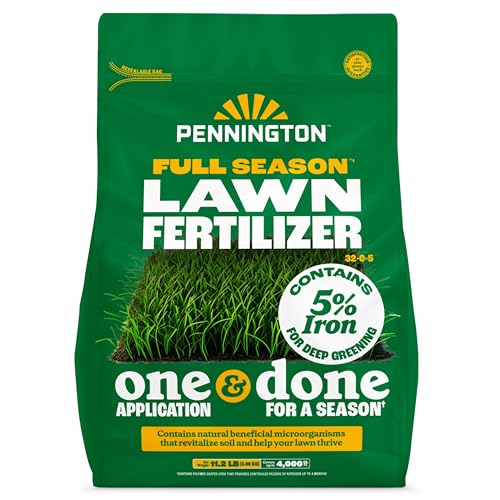
Pennington Full Season Lawn Fertilizer 4M 32-0-5 RF 3/11.2Lb
More Details On Our Top Picks
A 29-0-3 blend points to a strong nitrogen-forward formula with added potassium, which helps the bag make sense for a broad lawn routine. The 15,000 square foot coverage suits bigger yards, so you’re not stopping every weekend to restock.
Compared with the liquid picks below, this one fits a more traditional spreader routine and usually feels less fussy once your coverage pattern is set. The honest read is that granules are not as fast to apply as spray mixes, but they do suit homeowners who want straightforward, even feeding across large turf areas.
Strong Points
- Granular format works well with standard spreaders, which helps you cover broad turf with less spray prep.
- 15,000 square feet of coverage makes sense for larger front and back yards.
- The 29-0-3 ratio puts the emphasis on nitrogen, which is the nutrient most closely tied to green growth.
- The potassium support adds a useful extra for general lawn maintenance.
Things To Consider
- Granules take more setup than a hose-end liquid, so your application day needs a little more planning.
- Coverage depends on spreader calibration, which matters more than many first-timers expect.
- For tiny yards, the bag size may feel oversized.
Feature Snapshot
Who It Suits Best
Homeowners with medium to large lawns and a regular spreader routine will get the most out of this pick.
A Better Fit Elsewhere
Petramax Liquid Nitrogen Fertilizer 28-0-0 NPK 32 Oz suits you better for small lawns or quick touch-ups where spray application feels simpler.
That 32-ounce bottle is built for quick use, especially on smaller lawns or stubborn spots that need a simpler routine. Spray-on liquid fertilizer cuts out spreader setup, so the task feels lighter on a busy spring weekend.
It stands apart from Jonathan Green’s granules because the liquid format is easier to direct along edges, narrow strips, and patchy areas. You may find the trade-off in more frequent refills, though the smaller bottle makes storage and handling easy in a crowded shed.
What We Like
- Liquid application makes it easy to target thin grass or irregular sections.
- 28-0-0 formula keeps the focus on nitrogen for greener turf growth.
- The 32-ounce size stores neatly and travels well between lawn care sessions.
- Spray application saves time for small to mid-size yards.
Worth Noting
- Liquid formats usually need more frequent use than a long-feeding granular bag.
- Coverage depends on hose setup or sprayer control, so uneven passes can happen.
- Very large lawns may go through the bottle quickly.
Details At A Glance
Built With In Mind
Small-yard owners and anyone who likes spray-on yard work will appreciate the low-friction format.
Another Choice May Suit
Yard Mastery 24-0-6 Flagship Granular Lawn Fertilizer fits better for shoppers who want a single granular bag that feeds for longer.
This 1-gallon version follows the same liquid logic as the smaller Petra bottle, but the larger container better suits wider coverage and repeat treatments. In a yard that gets regular warm-season upkeep, that extra volume can make the routine feel less stop-and-start.
It’s the more sensible Petra liquid for someone who liked the 32-ounce format but outgrew it quickly. The catch is simple, liquid still asks for more attention than a slow-feeding granular bag, so storage, mixing, and sprayer cleanup matter more here.
Highlights
- 1-gallon size gives you more runway for larger lawns or repeated applications.
- 28-0-0 nutrient profile keeps the formula centered on nitrogen.
- Spray use helps you work around landscaping edges and uneven turf shapes.
- Good fit for homeowners who prefer liquid control over spreader work.
Areas To Watch
- Liquid fertilizer needs cleaner storage habits than a sealed granular bag.
- Application consistency depends on the sprayer and your walking pace.
Core Details
Right Fit For
You’ll get the best use from this bottle on medium lawns that need a liquid approach with more volume in reserve.
Swap It Out When
GreenView Fairway Formula Lawn Fertilizer suits you better for a set-it-and-wait granular routine with longer feeding between applications.
This one leans into a more layered lawn routine, with nitrogen joined by iron, humic ingredients, and sea kelp. Humic ingredients are organic soil components that help support nutrient handling, while kelp is a seaweed-based input often used in lawn blends for broader plant support.
That makes it a stronger match for homeowners who want more than basic green-up and do not mind a more involved formula. Compared with the simpler Petra liquids, this pick asks a little more of your attention, but the broader ingredient mix gives it a distinct place in the lineup.
Positives
- Multi-ingredient blend gives you a wider lawn-care formula than plain nitrogen.
- One gallon covers up to 16,000 square feet, which is useful for bigger turf areas.
- Iron support can help lawns look richer and more even in color.
- Liquid format still keeps application straightforward with the right sprayer.
- Works well for property owners who want one bottle to cover more ground.
Small Caveats
- The broader ingredient mix may feel unnecessary for simple feeding needs.
- Liquid handling still calls for sprayer cleanup after use.
- Coverage claims depend on application rate and lawn condition.
Spec Overview
The Right Fit
Yard owners who want a more layered liquid fertilizer and have a sizable lawn will find this one especially practical.
Where A Sibling Pick Shines
Petramax Liquid Nitrogen Fertilizer 28-0-0 NPK 1 Gallon is the simpler choice for shoppers who want a more direct nitrogen-led formula.
This is the bag for shoppers who want a fuller lawn program in one place. The 24-0-6 ratio, 3% iron, Bio-Nite, micronutrients, and 24% slow-release nitrogen give it a denser feature set than Jonathan Green’s more straightforward 29-0-3 bag.
Slow-release nitrogen means the feed is designed to break down over time instead of all at once, which can help reduce the stop-and-start feel of frequent applications. The trade-off is weight, because a 45-pound bag takes more storage room and more lifting than a liquid bottle.
Best Bits
- Slow-release nitrogen supports steadier lawn feeding between applications.
- 3% iron and micronutrients add more lawn-care depth than a plain nitrogen bag.
- Bio-Nite broadens the formula for homeowners who want a more complete granular option.
- 45-pound bag suits larger yards and regular spreader use.
- 24-0-6 ratio gives balanced support beyond nitrogen alone.
Worth Noting
- The bag is heavy, so storage and moving it from garage to lawn takes effort.
- Granular spread patterns matter, especially around walkways and edges.
Technical Sheet
Whose Shelf It Belongs On
Serious lawn caretakers with a spreader and enough storage space will make the most of this granular formula.
Look Elsewhere When
Scotts Liquid Green Max Lawn Food fits better for quick, hose-ready use on smaller or more irregular lawns.
GreenView keeps things more focused than Yard Mastery, with a 30-0-12 blend and slow-release nitrogen built for a longer feeding window. The 12-week feeding claim matters to anyone who wants less reapplication juggling through the season.
At 33 pounds, it stays lighter than the 45-pound Yard Mastery bag, while still covering 10,000 square feet. That middle-ground size works well for a standard suburban lawn, though a very large property may need more than one bag.
Upsides
- Slow-release nitrogen helps stretch feeding over a longer period.
- 10,000 square feet of coverage fits many average-size lawns.
- 33-pound bag is easier to handle than heavier bulk bags.
- 30-0-12 ratio gives you more potassium support than basic nitrogen-only blends.
Points To Note
- The bag is still granular, so spreader setup remains part of the routine.
- Very large lawns may need more than one bag.
Quick Facts
Made For
You’ll appreciate this most on a typical home lawn where steady feeding matters more than a complex ingredient list.
A Better Fit Elsewhere
Pennington Full Season Lawn Fertilizer 4M 32-0-5 RF 3/11.2Lb suits you better for a season-long approach with a more compact bag.
Scotts adds iron to a liquid fertilizer base, so it speaks to homeowners who want faster-looking color support without moving to a full granular routine. The 32-ounce size keeps it easy to grab for quick spot treatments or smaller lawns after mowing day.
Compared with Petra’s liquid products, this one feels more streamlined because it focuses on a simple two-part use case, fertilizer plus iron. That simplicity helps in mixed-grass yards, though larger spaces may still call for more bottle handling than a bag would.
Bright Spots
- Two-in-one liquid format keeps application simple.
- Iron support adds another useful input beyond nitrogen alone.
- Works on any grass type, which makes it easy to slot into mixed yards.
- 32-ounce bottle stores neatly in small sheds or garage shelves.
Room For Improvement
- Liquid format still means more hands-on application than a slow-release bag.
- Smaller bottle size may suit spot use better than a large property.
Feature Card
The Right Fit
Homeowners who want a small liquid bottle for routine green-up and iron support will feel right at home with this one.
Consider Something Else When
Jonathan Green Veri-Green Nitrogen Lawn Fertilizer 29-0-3 fits better for a bigger lawn that benefits from a spreader and more coverage per bag.
Pennington leans into low-maintenance feeding, with a season-long format that suits someone who wants one application to carry a lot of the load. The 32-0-5 ratio keeps nitrogen front and center, while the 4M notation points to a branded slow-release approach that aims for extended feeding.
That puts it in a similar low-fuss lane as GreenView, but with a lighter bag at 11.2 pounds, which is easier to store or haul from the garage. For smaller storage spaces and less frequent lawn work, that difference matters more than it looks on paper.
Positives
- Season-long format suits a simpler lawn-care schedule.
- 11.2-pound bag is easy to carry and store.
- 32-0-5 ratio keeps nitrogen as the main focus.
- Slow-release approach helps reduce constant reapplication.
Areas To Watch
- The smaller bag may not cover the needs of a large property.
- Granular use still calls for a spreader and an even pass pattern.
Feature Rundown
Best Suited To
You’ll like this most for a compact lawn or a low-maintenance routine where one seasonal feeding makes sense.
Reach For A Different Pick When
Yard Mastery 24-0-6 Flagship Granular Lawn Fertilizer suits larger lawns and shoppers who want more ingredient depth in a heavier bag.
How To Choose The Right Lawn Nitrogen Fertilizers
Start With Your Lawn Size And Format
Coverage is the first filter, because a 32-ounce liquid bottle and a 45-pound granular bag solve different problems. Large yards usually benefit from higher-coverage bags such as Jonathan Green, Yard Mastery, or GreenView, while smaller yards often feel easier with Petra or Scotts liquid bottles.
The format matters just as much as the numbers. Granules suit spreaders and broad, even passes, while liquids fit spot work, narrow side yards, and fast touch-ups after mowing.
Match The Nitrogen Profile To Your Goal
Nitrogen drives green growth, so the first number in an NPK analysis tells you how heavily the formula leans in that direction. A high-nitrogen blend like 29-0-3 or 32-0-5 suits a lawn that needs clear feeding support, while a more layered formula can make sense when you want extra iron or potassium in the mix.
The trade-off is focus versus breadth. Pureer nitrogen-led products are simpler to understand, but multi-ingredient picks can feel more complete for yards that need color support, soil support, or a longer feeding window.
Think About Feeding Rhythm And Storage
Slow-release formulas are built for fewer application cycles, which helps when you want a steadier routine through the season. That’s why GreenView, Pennington, and Yard Mastery feel attractive for homeowners who would rather spread once and move on.
Liquids ask for more hands-on use, but they store neatly and usually make sense for quick jobs. A bottle in the garage is easier to lift than a heavy bag, though you may need more frequent refills over the season.
Choose For Your Actual Yard Routine
The best pick is the one that fits your schedule, your storage space, and your lawn size all at once. A busy homeowner with a medium yard may prefer a long-feeding granular bag, while someone managing a small front strip may appreciate a spray bottle that handles fast, targeted work.
Think about setup time too. A spreader, hose-end sprayer, and cleanup routine all change the experience, even when the nutrient numbers look similar on the page.
Things Worth Knowing First
Mistakes Worth Dodging
One common slip is choosing by nitrogen number alone and ignoring coverage. A strong formula in the wrong container can leave you with too little product for the area you need to feed.
Another easy miss is forgetting the format. Granular products need spreading gear and more cleanup, while liquids need a sprayer and a little more attention during application.
Where The Extra Money Goes
Higher-tier lawn fertilizers often pay for slow-release tech, added minerals, or a more complete nutrient blend. That matters most when you want steadier feeding, richer color support, or fewer application rounds during the season.
The upgrade makes sense for bigger properties and for homeowners who notice the difference between basic green-up and a more controlled, even result. For small lawns, a simpler bottle or bag can be enough.
Frequently Asked Questions
What does the first number in an NPK formula mean?
That number shows the nitrogen percentage in the blend. In lawn care, it matters because nitrogen is the nutrient most closely tied to leafy growth and color.
Should you choose liquid or granular fertilizer?
Liquid works well for quick application, edge work, and smaller lawns. Granular usually fits larger yards and slower, more predictable feeding schedules.
What does slow-release mean?
Slow-release fertilizer is designed to feed over a longer stretch instead of all at once. That can help reduce how often you need to reapply during the season.
How do you judge coverage?
Start with your lawn’s square footage and compare it with the product coverage listed on the bag or bottle. A little extra coverage room helps more than a too-tight estimate.
Is a higher nitrogen number always better?
Not always, because the right choice depends on lawn size, feeding schedule, and the rest of the formula. A balanced product can make more sense than a very nitrogen-heavy one in some yards.
