

Steep ground changes everything. A mower that feels fine on flat turf can struggle, slip, or feel awkward once the grade tilts, so you need a machine matched to the slope, the grass, and how much control you want in your hands.
This roundup focuses on wire-free robots and remote-control machines that make more sense for hillside yards, orchards, rough property edges, and thick growth. You’ll see where a compact robotic option fits, where a tracked gas-electric machine earns its keep, and where a heavier-duty cutter is the better call for uneven land.
The Shortlist At A Glance
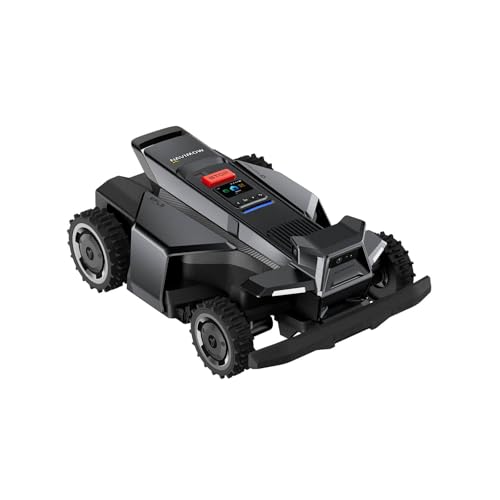
Segway Navimow X430 Robot Lawn Mower Wire Free
Segway Navimow X450 Robot Lawn Mower Wire Free

Remote Control Flail Mower with 459cc High-Power Engine

INFRONT Remote Control Lawn Mower All Terrain Tracks

YARBO Robot Lawn Mower Wire-Free Modular Design
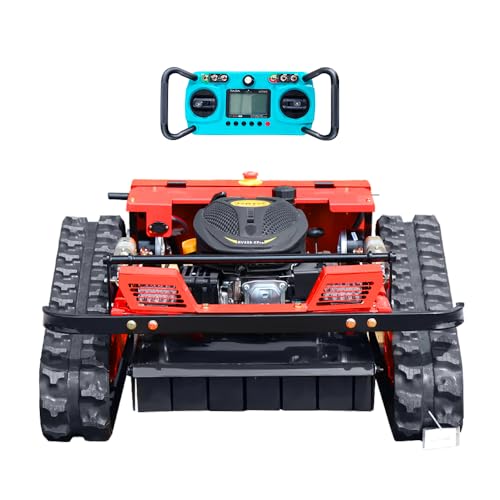
Infront Remote Control Lawn Mower 20 Inch Cutting Width

Remote Control Lawn Mower 9HP Gas Powered Tracked
More Details On Our Top Picks
The X430 makes sense for yards that need slope help without turning the whole lawn into a project. Four-wheel drive gives it a more planted stance than a basic robot mower, and the wire-free setup removes the perimeter cable headache that often slows down first-time setup.
For a property around an acre, that mix feels practical rather than flashy. The 0.75 to 4 inch cutting range gives you room to keep turf tidy without forcing a very short cut, and the zero-turn steering should help around tight paths or delicate edges.
Strong Points
- Wire-free operation cuts out the buried-cable chore.
- 4WD adds confidence on steeper, uneven ground.
- Zero-turn steering helps with tight yard geometry.
- Adjustable cutting height gives you more lawn control.
Things To Consider
- Wire-free setup still asks for careful planning around boundaries.
- The acre coverage suits mid-size properties more than larger estates.
- Robot mowers need routine cleaning around the deck and wheels.
Feature Snapshot
Who It Suits Best
You’ll get the most from this on a sloped suburban yard where you want daily upkeep handled with less hands-on work.
A Better Fit Elsewhere
YARBO Robot Lawn Mower Wire-Free Modular Design suits larger estates better, especially when your property pushes well beyond the X430’s coverage range.
This model follows the X430 formula but stretches it for a bigger yard. That extra half-acre of coverage matters more than it looks on paper, because it can be the difference between a mower that feels comfortable and one that’s always running near its limit.
For a long, sloped property with open lawn sections, the wire-free format and 4WD make daily trimming feel less hands-on. The trade-off is simple, it’s a bigger commitment than the X430, so the fit improves as lawn size and path length increase.
What We Like
- Larger coverage suits broader hillside lawns.
- Four-wheel drive helps on rougher grades.
- Zero-turn control aids tight turns near landscaping.
- Wire-free setup avoids cable routing work.
Small Caveats
- Still a robot mower, so complex debris fields can slow progress.
- Bigger lawns usually mean more planning for zones and edges.
- Routine blade and wheel cleaning remains part of ownership.
Core Details
Right Fit For
You’ll appreciate this most on a larger home lot where a robot mower can quietly handle regular upkeep across a long lawn layout.
Swap It Out When
Segway Navimow X430 Robot Lawn Mower Wire Free makes more sense for smaller hillside yards, especially when you do not need the X450’s extra coverage.
This is the rough-country option in the group. A 459cc engine, hybrid crawler design, and flail setup point toward brushy ground, uneven slopes, and land that needs more than a tidy pass.
For farms, large roadside cuts, or overgrown hillside strips, the remote-control format keeps you farther from the machine while it does the hard work. The honest read is that it suits serious property maintenance better than ordinary lawn chores, and that’s exactly why it stands out here.
Reasons To Buy
- Flail cutting suits thicker grass and rough growth.
- Hybrid crawler layout helps on difficult terrain.
- Remote operation keeps you out of the rough patch.
- 55° slope claim points to serious hill capability.
Areas To Watch
- It feels more like land equipment than a typical yard mower.
- Maintenance and storage needs are likely higher than with robot models.
- The scale makes it less practical for simple suburban lawns.
- Fuel-based ownership brings more routine upkeep than battery-only picks.
Technical Sheet
Built With In Mind
You’ll get the most from this on rough acreage, where brush control and hillside traction matter more than a manicured finish.
Another Choice May Suit
INFRONT Remote Control Lawn Mower All Terrain Tracks makes more sense for homeowners who want a simpler track-style machine for mixed slopes without stepping up to this much cutting muscle.
Compared with the flail mower above, this INFRONT model sounds more approachable for mixed terrain that still leans steep. The tracked base is the key point, because tracks spread grip over more surface and can feel steadier than small wheels on loose soil or patchy ground.
The gas-electric hybrid layout also makes sense for property owners who want a machine built for harder work without stepping into the most specialized land-clearing category. For uneven yards, embankments, and long grassy banks, that middle-ground shape can be the sensible one.
Upsides
- Tracked base helps with grip on uneven slopes.
- Hybrid power setup broadens its use across tougher property types.
- Remote control keeps operation straightforward from a distance.
- Well suited to mixed terrain where wheels can feel twitchy.
Points To Note
- Tracked machines usually need more space to store.
- Owners should expect regular cleaning around the track system.
- It’s a stronger match for rough land than for polished lawn detail.
Details At A Glance
Best Suited To
You’ll like this most for sloped properties where traction matters as much as cutting strength.
Where A Sibling Pick Shines
Infront Remote Control Lawn Mower 20 Inch Cutting Width fits better for shoppers who want a broader deck and a more width-focused cut across tall grass.
YARBO moves into estate-sized territory, and that changes the conversation fast. Six acres of coverage, AI vision, and RTK navigation, which is satellite-based positioning paired with correction data, make it a strong automation play for large properties with slope sections and multiple lawn zones.
The 20-inch cutting width and 1.2 to 4.0 inch height range reinforce that it’s built for big jobs, not just tidy weekly touch-ups. Against the X450, this one is the larger, more ambitious pick, though the payoff only shows up when the property actually needs that scale.
Highlights
- Large coverage suits estate-style properties.
- Dual motors support steadier movement and cutting load.
- AI vision and RTK navigation suit complex layouts.
- Auto-charging reduces hands-on management.
- IPX5 rating suggests better resistance to routine water exposure.
Softer Spots
- Its scale makes more sense for big, varied grounds than for compact yards.
- Modular systems tend to ask for more planning at setup time.
- Robot care still includes blade, wheel, and underside cleaning.
Quick Facts
Who Will Love This
You’ll appreciate this most on a large property where mowing time, layout complexity, and slope management all matter at once.
Look Elsewhere When
Segway Navimow X450 Robot Lawn Mower Wire Free fits better for medium-large yards that need hill handling without moving into six-acre territory.
This Infront machine leans into breadth and adjustability. A 20-inch cutting width means fewer passes across a wide section, while the 0.79 to 5.9 inch height span gives you a wider trim range than some of the more specialized hillside robots.
Track design keeps it relevant for sloped land, and that combination makes sense for tall grass on bigger lots. It sits between the smaller robotic picks and the more aggressive land-clearing machines, which is handy for property owners who want range without overcommitting.
Best Bits
- Wide deck helps cover large lawns faster.
- Height range supports both shorter and taller cuts.
- Track layout adds stability on sloped ground.
- Good fit for rougher grass that needs a broader pass.
Room For Improvement
- Track systems usually mean a bulkier machine to store.
- Cleaning around the undercarriage can take patience after muddy use.
- It lacks the autonomous convenience of the robot options above.
Spec Overview
The Right Fit
You’ll find this most useful on a larger yard with hills and taller growth where a wide cut saves time.
Reach For A Different Pick
HISATORX Remote Control Lawn Mower 9HP Gas Powered Tracked suits heavier farm or orchard work better, especially when you want more engine muscle.
This HISATORX model looks built for people who treat mowing as property work, not just lawn touch-up. The 9HP gas engine, tracked base, and 21.7-inch cutting width point toward hillside brush, farm edges, orchards, and heavy growth that would slow lighter machines.
Compared with the Infront track models, it reads as the more muscular choice for thicker grass and broader land tasks. For steep banks and rough field margins, the remote-control format keeps the operator away from the worst of the terrain, which is a very practical touch.
Plus Points
- 9HP engine gives the machine strong cutting authority.
- Tracked drive improves bite on sloped and uneven ground.
- Wide 21.7-inch deck helps on larger areas.
- Well matched to orchards, farms, and thick growth.
Honest Caveats
- It is more machine than many suburban yards need.
- Gas-powered ownership brings routine fuel and maintenance tasks.
- Storage space matters more with a tracked mower of this size.
Core Details
Whose Shelf It Belongs On
You’ll want this for large, uneven property where brush cutting and hillside traction both matter.
Skip It When
Segway Navimow X430 Robot Lawn Mower Wire Free is the calmer fit for homeowners who want slope help without stepping into a heavy-duty gas machine.
What To Weigh Before Choosing A Hillside Mower
Grip, Drive, And Ground Contact
Steep ground rewards machines that stay planted. Four-wheel drive and tracked bases usually matter more than raw cutting width once the slope starts to work against you, because traction keeps the mower moving in a controlled way.
Remote-control models suit rougher land because you stay in command without standing on the incline with the machine. Robot models suit homeowners who want less hands-on work, but they still need stable terrain, clean boundaries, and a layout that makes sense for automated movement.
Cut Width Versus Yard Shape
Wide decks save time on open stretches, yet a broader cutter can feel awkward in narrow side yards or around dense landscaping. A 20-inch or 21.7-inch deck fits large, open areas better than tight suburban corners.
Smaller robotic mowers, especially the Segway Navimow pair, trade width for easier daily upkeep. That trade works well for shaped lawns with slopes, while the larger tracked machines make more sense once the ground gets rough, brushy, or sprawling.
Power Source And Upkeep
Battery-driven robots tend to bring quieter ownership and less routine fueling, though they also rely on charging and boundary planning. Gas or gas-electric machines offer more muscle for steep, overgrown land, but they ask more from you in storage, fuel handling, and cleaning.
For a modest hillside yard, automation can feel like the smart path. For acreage, orchards, and thick growth, engine power often earns its place, especially when the slope and vegetation are both working against the mower.
Cut Height And Season Flexibility
Adjustable cutting height matters more than it first appears. A lower setting helps with a neat finish, while a taller range is useful for grass that gets stressed by heat or for areas that are left longer between trims.
The X430 and X450 stay in a moderate range, the YARBO gives you a little more cut-height flexibility, and the Infront 20-inch model stretches taller. That spread helps you match the mower to both the hillside and the way your grass actually grows.
Things Worth Knowing First
Mistakes Worth Dodging
One common slip is choosing slope ability without checking the whole property layout. A mower can handle the hill on paper and still feel wrong in a yard packed with narrow passages, trees, or awkward transitions.
Another is underestimating upkeep. Tracked machines and brush cutters need more cleaning and storage space, while robot mowers need clear boundaries and periodic attention around blades and wheels.
What The Higher Tier Buys
More expensive hillside mowers usually pay for stronger traction systems, larger coverage, smarter navigation, and sturdier cutting hardware. That matters on big or difficult property because the machine has to keep working without bogging down in the same problem spots.
Spending up makes sense when the land is large, steep, or overgrown enough that lighter equipment becomes frustrating. For smaller suburban slopes, a simpler robot mower often covers the need without the extra bulk.
Frequently Asked Questions
Can a robot mower handle steep hills?
Yes, but only within the slope limits the model is built for. The Segway Navimow X430, X450, and YARBO are the strongest robot-style options in this roundup for inclined lawns.
Are tracked mowers better than wheeled ones on slopes?
Tracked machines usually offer steadier grip on uneven ground. They also feel more suited to rough terrain, thick grass, and long hillside runs.
Do wire-free mowers need a lot of setup?
They still need thoughtful placement and boundary planning, even without a perimeter cable. That setup effort is often lighter than burying wire, but it is still part of the process.
Which pick suits large properties best?
YARBO stands out for very large acreage, while the X450 is the more contained choice for big residential lawns. The right one depends on whether you need six acres of reach or just a wide, sloped yard.
What matters most for heavy grass on hills?
Traction and cutting muscle matter first, then deck width and height range. The HISATORX and the flail mower are the strongest fits here for thick growth and rough land.
