

Worn tires can turn a clean mow into a slow, bumpy chore. You feel it most on damp grass, uneven ground, or tight turns around trees and beds, where tread, width, and load handling all start to matter.
This roundup keeps the focus on practical fit, not marketing noise. You’ll see tubeless turf options, solid front caster styles, and a few sizes that suit riding mowers, utility carts, and garden tractors without guesswork.
Quick Look At The Shortlist

TUFFIOM 24×12.00-12 Lawn Mower Tires Set of 2

20×10.00-8 Lawn Mower Tires, 4 Ply Tubeless, Set of 2

15×6.00-6 Lawn Mower Tire Riding Mower Tire and Wheel Front Tire
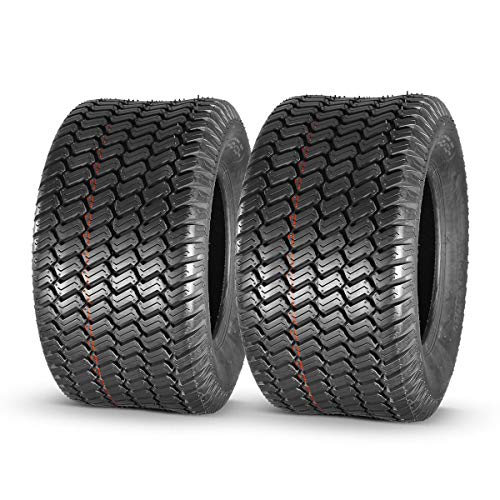
MaxAuto 20×10.00-10 Lawn Mower Tires 4-Ply 20x10x10 Tire

RONPOW 13×6.50-6 Flat Free Zero Turn Lawn Mower Tires, Black

RONPOW 13×6.50-6 Flat Free Zero Turn Lawn Mower Tires, Gray

YITAMOTOR 16×6.50-8 Lawn Mower Tires, 4 Ply Tubeless Tractor Turf Tire

YITAMOTOR 20×10.00-8 Lawn Mower Tires, 4 Ply Tubeless Tractor Turf Tire
More Details On Our Top Picks
Large utility machines need more than a tire that just fits, and this TUFFIOM set leans into that job with a broad 24×12.00-12 profile and 8-ply rating. That extra casing strength matters on rough property edges, especially for yard carts or garden vehicles that carry heavier loads across uneven ground.
The tubeless build keeps the setup simpler, though matching the exact size to your rim still matters. Compared with the narrower 20×10-8 options from MOTOOS and YITAMOTOR, this one suits bigger rear positions where footprint and stability count more than nimble turning.
Positives
- Wide tread footprint helps spread weight across grass and softer soil.
- 8-ply construction brings a sturdier feel for heavier garden equipment.
- Tubeless layout trims one more maintenance step from the swap process.
- Set of two works well for paired rear replacements.
Worth Noting
- The large size limits use to equipment that matches this exact fit.
- Wider tires can feel less nimble in tight shed access or narrow paths.
- The heavier build is sensible, but it can be more effort to handle during installation.
Feature Snapshot
Who It Suits Best
Homeowners with larger garden tractors or utility vehicles get the most from this size and casing style.
Where A Sibling Pick Shines
MOTOOS 20×10.00-8 suits smaller riding mowers more neatly, especially when you need a narrower rear tire and a lighter feel.
For a lot of riding mowers and small garden tractors, this MOTOOS set lands in the sweet spot between common sizing and easy-going turf behavior. The Turf-S tread is meant to stay gentle on grass, which helps around finished lawns where deep bite would be overkill.
Unlike the larger TUFFIOM set, these 20×10-8 tires fit more compact rear applications and are easier to store on a shelf between seasons. The honest read is that they suit standard residential use better than heavy hauling, so the fit stays practical rather than ambitious.
What We Like
- 4-ply tubeless construction keeps the setup straightforward.
- Turf-S tread gives a lawn-friendly feel for weekly mowing.
- Set format works well for matching left and right replacements.
- Common 20×10-8 sizing suits many riding mower layouts.
Areas To Watch
- Most useful on machines that already call for this exact size.
- Less suited to heavy-duty cargo work than thicker, higher-capacity options.
- Turf tread favors grass care over aggressive grip on loose ground.
Core Details
Built With In Mind
You get the most value from this set on a standard riding mower that needs a familiar turf tire size.
A Better Fit Elsewhere
MaxAuto 20×10.00-10 suits property owners who need a touch more diameter and a firmer-duty rear tire for turf equipment.
Front tires take a beating from curb edges, driveways, and quick steering corrections, so a wheel-and-tire combo like this HLHgirl option can simplify a common repair. Because the wheel is included, you avoid matching a separate rim, which helps when an old front assembly is worn enough that replacement parts have become a puzzle.
That convenience is the main reason it stands apart from the other picks here. It makes sense for owners of John Deere, Craftsman, or Husqvarna machines who want a straightforward front swap more than a deep catalog search.
Highlights
- Tire and wheel together reduce the guesswork of front-end replacement.
- Compatible with several well-known mower brands.
- 15×6.00-6 sizing is a familiar front application for many riding mowers.
- Useful when an old rim is bent, rusted, or simply worn out.
Points To Note
- Wheel assemblies need closer fit checking than loose tires alone.
- The included combo can be more specific than a bare tire swap.
- Front tires are easy to overlook during maintenance, so measuring first helps.
At A Glance
Right Fit For
Owners replacing a damaged front caster or steering wheel on a compatible riding mower get the clearest benefit here.
Swap It Out When
YITAMOTOR 16×6.50-8 is a better match for turf vehicles that need a wider front tire and a larger rim size.
MaxAuto brings a more technical profile to the list, and the published measurements make that plain. The 20×10-10 size, 4PR/B rating, 8-inch rim width, and 1160-pound maximum load at 22 psi point to equipment that carries more weight or sees more demanding turf work.
The tread depth is listed at 8 mm, which gives you a clearer picture of how much bite the tire is meant to offer on grass. Compare that with the lighter MOTOOS set, and you’ll see this one is aimed more at groundskeepers and utility use than casual weekend mowing.
Reasons To Buy
- Detailed sizing info helps match the tire to the right rim and machine.
- 4-ply tubeless design suits heavier turf equipment.
- Published load and pressure figures make fit selection easier.
- Turf-friendly tread aims for better control on grassy slopes.
- Useful for golf carts and tractors, not just mowers.
Room For Improvement
- The size is specific, so careful measurement matters before replacement.
- Non-highway service keeps the use case firmly on private property.
- Heavier-duty tires can feel less light on steering than smaller turf options.
Quick Facts
Who Will Love This
Property managers and serious turf users benefit most from the stronger data profile and heavier load handling.
Another Choice May Suit
YITAMOTOR 20×10.00-8 fits more ordinary residential setups, especially when you do not need this much load capacity.
Flat-free caster tires solve a very specific headache, and this RONPOW pair is built for that job on zero-turn mowers. Instead of managing air pressure, you get a solid tire layout with bearings, hub spacers, and an adjustable hub range that helps the assembly line up with more than one setup.
That flexibility stands out against the tubeless turf picks earlier in the list. For busy mowing schedules, the appeal is simple: less routine attention, though you still need to confirm bearing and hub compatibility before you commit.
Positives
- Flat-free design removes inflation from the maintenance routine.
- Multiple bearing sizes broaden compatibility across common caster setups.
- Adjustable hub spacers help the tire fit more than one wheel position.
- 500-pound load figure gives a useful reference for front-end support.
Small Caveats
- Solid tires can ride differently from air-filled versions on rough ground.
- Hub and bearing dimensions still need matching before installation.
- Best suited to front caster use rather than general rear tire replacement.
Details At A Glance
Made For
Zero-turn owners who want a front caster swap with less upkeep will appreciate the flat-free format most.
Look Elsewhere When
HLHgirl’s 15×6.00-6 tire and wheel combo suits riders who need a conventional pneumatic front replacement rather than a solid caster tire.
This gray version is the same flat-free zero-turn format as the black RONPOW set, so the real difference is visual rather than mechanical. That matters more than it sounds, because some owners prefer a lighter look under a machine with a clean deck or a neutral color palette in the shed.
Like the black version, it keeps the focus on front caster simplicity and adjustable fit. The trade-off is also the same, since a solid tire gives up the softer feel of air-filled rubber on rough patches.
Upsides
- Gray finish offers a cleaner visual match for some mower setups.
- Flat-free construction reduces routine tire maintenance.
- Same bearing and spacer flexibility as the black RONPOW set.
- Useful for zero-turn owners who want a matching front pair.
Things To Consider
- Functionally close to the black version, so the color choice is the main distinction.
- Solid construction can feel firmer on rough ground.
- Still needs careful bearing and hub verification before installation.
Spec Overview
The Right Fit
You’ll like this more than a standard air tire when your zero-turn front end needs low-maintenance support in a neutral gray finish.
Reach For A Different Pick When
YITAMOTOR 16×6.50-8 makes more sense for turf vehicles that need an air-filled front tire and a larger overall size.
Smaller garden tractors and turf vehicles often need a tire that feels steady without being overbuilt, and this YITAMOTOR size lands there neatly. The 4-ply tubeless design keeps the build straightforward, while the anti-slip surface adds a bit more confidence on grass that’s not perfectly dry.
Compared with the larger TUFFIOM rear set, this one suits lighter-duty front or small-vehicle use rather than weighty utility hauling. The published 620-pound capacity gives you a useful benchmark, though the exact fit still depends on the rim size and machine layout.
Best Bits
- 16×6.50-8 sizing fits many compact turf machines.
- Anti-slip surface helps the tire stay composed on lawn surfaces.
- 4-ply tubeless construction keeps replacement work uncomplicated.
- 620-pound capacity gives a clear support reference.
Minor Gripes
- Smaller format limits use to compatible front or compact positions.
- Capacity is solid, though not aimed at the heaviest-duty equipment.
- Rim size still needs a careful check before ordering.
Feature Rundown
Whose Shelf It Belongs On
Compact tractor owners and lawn equipment owners who want a practical turf tire for smaller positions will get the most out of it.
Where Another Pick Fits Better
MaxAuto 20×10.00-10 suits heavier turf machines more comfortably when you need a larger rear tire and a stronger load profile.
This YITAMOTOR set pushes into a heavier-duty version of the familiar 20×10-8 format, and the 1190-pound capacity is the headline detail. That extra headroom matters for larger garden vehicles or turf equipment that regularly carries more weight, especially on rough patches where stability feels more important than a soft ride.
Against the MOTOOS 20×10.00-8, this one reads like the stronger, more capacity-focused option. You still need the right rim and machine fit, but for heavier setups the anti-slip surface and load figure make a convincing case.
Positives
- Higher load capacity suits heavier lawn and garden vehicles.
- 4-ply tubeless build keeps the replacement process tidy.
- Anti-slip surface adds a useful bit of lawn confidence.
- 20×10.00-8 sizing matches a broad range of turf equipment.
Points To Watch
- Heavier-capacity tires still depend on a precise rim match.
- The firmer-duty build may feel less light than smaller turf tires.
- Best suited to equipment that can actually use this size and rating.
Core Details
Best Suited To
Heavier residential rigs and property work setups benefit most from the stronger capacity and familiar tire size.
Skip It When
MOTOOS 20×10.00-8 is a steadier fit for lighter riding mower use, especially when you want a simpler everyday replacement.
How To Choose The Right Lawn Mower Tires
Start With Size And Rim Match
The first job is measuring the tire size on the sidewall and the wheel it has to fit. A 20×10.00-8 tire, for example, belongs on an 8-inch rim, while a 24×12.00-12 setup points to a very different machine class.
Width changes the feel more than many people expect. Wider tires spread weight better on grass, while narrower tires can steer more easily in tight spaces and fit smaller mowers without rubbing.
Choose The Right Build For Your Yard
Air-filled, or pneumatic, tires suit most routine mowing because they soften the ride and keep grass contact gentler. Tubeless versions keep upkeep simple, while flat-free caster tires make sense for zero-turn owners who want to stop thinking about pressure checks.
Load rating matters just as much as tread shape. A higher-capacity tire helps on slopes, with trailers, or on machines that carry extra weight, but the trade-off is often a firmer ride and a bit more bulk.
Think About Tread And Terrain
Turf treads are meant to respect lawns, not tear them up. That makes them a smart match for finished grass, but less useful in loose dirt, mud, or steep cut-through paths where a more aggressive pattern would grab harder.
Anti-slip surfaces and deeper tread can add steadiness on slopes or damp mornings. The honest read is that you still need to balance grip with lawn care, because too much bite can leave marks where a softer tread would glide.
Match The Tire To How You Use The Machine
Weekly residential mowing calls for a different tire than property hauling or groundskeeping. Front caster swaps, rear drive tires, and utility-vehicle replacements all serve different jobs, so the best choice is the one that fits your actual pattern of use.
Owners who store equipment in a small shed often value simple tubeless setups, while busy yards can justify flat-free or higher-load options. That’s the part worth getting right, because a well-matched tire quietly makes every pass feel easier.
Things Worth Knowing Before You Choose
Hidden Buying Traps
The most common mistake is matching only the outer diameter and ignoring rim width, hub spacing, or bearing size. That works poorly on front caster tires and wheel assemblies, where a few millimeters can change everything.
Another miss is choosing a turf tire with the wrong load level for the machine. A lighter pattern may suit a small riding mower, but it can feel too soft on heavier utility equipment or on ground with regular side slope.
Where The Extra Money Goes
Higher-tier tires usually cost more because they add stronger casing, clearer sizing data, or more exact fit hardware. Flat-free caster tires also include bearings and spacer ranges, which raises the utility of the package and saves a separate parts search.
That upgrade makes sense for busy properties, commercial-style mowing, or anyone who hates repeat tire maintenance. For ordinary weekend mowing on level ground, a simpler tubeless turf tire often makes more sense and keeps the purchase focused.
Frequently Asked Questions
How do you know which lawn mower tire size to order?
Read the size stamped on the sidewall of the old tire and match the rim diameter first. For wheel assemblies, also check bearing size and hub width before you choose.
Are tubeless mower tires easier to maintain?
Tubeless tires usually simplify installation and remove one part from the equation. They still need the correct rim fit and regular pressure checks when they are air-filled.
Do flat-free tires ride differently from air tires?
Yes, they usually feel firmer because there is no air cushion inside. That trade-off is often worth it on zero-turn front casters where low upkeep matters more than a softer ride.
What does a 4-ply tire mean?
It refers to the tire’s casing strength class, which helps indicate how much everyday work it can handle. A higher ply rating often suits heavier use, though fit and load capacity still need attention.
Can turf tires help protect grass?
Turf tread is designed to spread weight and stay gentler on lawns than aggressive patterns. That makes it a good match for finished yards, especially on routine mowing routes.
