

Replacing a worn engine can turn a stalled mower into a working machine again, especially when your deck is fine but the power unit has given up. This roundup focuses on Lawn Mower Motors for home garages, small repair jobs, and heavier equipment that needs a vertical or horizontal shaft match. You’ll see compact engines for straightforward swaps, plus larger displacement options for tougher drives and bigger cutting setups.
The key is fit, not just horsepower. Shaft diameter, shaft length, keyway size, and crank style matter as much as output, and that’s where many projects go sideways. The picks below help you compare those details without sorting through vague listing language.
The Shortlist At A Glance

BILT HARD 7HP Gas Engine Horizontal Shaft

Briggs & Stratton 33S877-0019-G1 Professional Series Vertical Engine
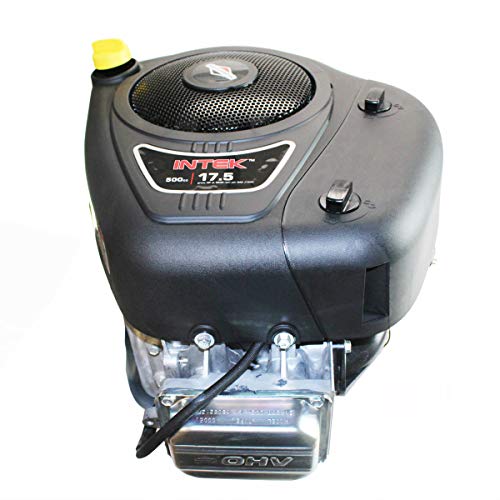
Briggs and Stratton Vertical 17.5 HP 500cc INTEK Engine #31R977-0054

BRIGGS & STRATTON 44S977-0033-G1 Vertical Shaft Engine

Gas Engine Vertical Shaft, 4.4HP 173cc OHV Gas Motor

Briggs & Stratton 725EXi Series Crankshaft

Briggs and Stratton Vertical Engine 19 HP 540cc #33S877-0043
More Details On Our Top Picks
That smaller horizontal-shaft layout makes this BILT HARD engine a sensible match for compact equipment that needs a replacement motor rather than a full rebuild. The 3/4-inch shaft, 2-3/8-inch length, and 3/16-inch keyway give you the kind of fit details that matter in a workshop, not just the headline 7 HP and 212cc numbers.
You may find it most useful on modest drive systems, pumps, or lawn gear where a lighter engine makes the swap easier to handle. Compared with the larger Briggs & Stratton picks later in the list, this one is about fit and simplicity first, power second.
Strong Points
- Horizontal shaft format suits equipment that needs that drive style.
- The 3/4-inch diameter and 3/16-inch keyway help narrow the fit search.
- 212cc displacement gives you a workable middle ground for smaller jobs.
- Less bulky than the big vertical engines in this roundup.
Things To Consider
- It only fits equipment built for a horizontal shaft, so the match needs checking first.
- The listing is light on extra installation guidance, so measuring your old setup matters.
Feature Snapshot
Who It Suits Best
You should look here for smaller repair projects where the shaft dimensions match your existing setup and you want a straightforward replacement engine.
A Better Fit Elsewhere
Briggs & Stratton 725EXi Series Crankshaft suits a shopper who needs a more exact crankshaft-focused match instead of a full horizontal engine assembly.
Big decks and heavier mowing rigs tend to ask for this kind of vertical engine, and the 540cc size points in that direction right away. Compared with the BILT HARD horizontal unit, this Briggs & Stratton model is built for more demanding replacement jobs where output and vertical orientation matter more than compactness.
The 19 HP rating gives it a wide working margin for equipment that needs serious pulling power, though the trade-off is that you need a machine designed for that larger engine class. In most garages, the honest read is that this one suits a serious deck swap far better than a casual fix.
What We Like
- The 540cc engine size suits larger mower platforms.
- Vertical orientation matches many riding mower layouts.
- 19 HP output gives you room for harder cutting conditions.
- Briggs & Stratton naming helps with model matching in replacement searches.
Room For Improvement
- It’s a heavy-duty choice, so installation is not a light afternoon task.
- The size makes exact compatibility checks essential before you commit.
- Owners commonly treat this as a shop-level replacement, not a casual drop-in.
Technical Sheet
Made For
This suits you best for larger riding mowers and repair jobs that call for a vertical engine with real reserve power.
Where A Sibling Pick Shines
Briggs and Stratton Vertical 17.5 HP 500cc INTEK Engine #31R977-0054 is the gentler fit for shoppers who want a step down in engine size.
This INTEK engine sits in a useful middle zone, with 17.5 HP and 500cc giving you strong vertical-engine capacity without jumping all the way to the biggest unit in the list. The 1-inch by 3-5/32-inch shaft detail matters a lot here, because that’s the kind of measurement that decides whether a swap feels smooth or turns into a parts hunt.
For many riding mowers and similar equipment, that middle ground is exactly where you want to be. It offers more breathing room than the smaller Aceup Energy engine, but it stays less imposing than the 19 HP Professional Series option.
Upsides
- 500cc displacement gives you a solid mid-to-large engine class.
- The 1-inch shaft is a useful detail for matching existing hardware.
- Vertical layout suits a wide range of mower replacements.
- It bridges the gap between lighter and heavier engines in this roundup.
Small Caveats
- You need to confirm the shaft size carefully before ordering parts around it.
- The listing points more toward replacement use than simple DIY convenience.
Details At A Glance
The Right Fit
This is a good match for homeowners and repair jobs that need a vertical engine with enough strength for regular mowing without stepping into the heaviest class.
Swap It Out When
Briggs & Stratton 44S977-0033-G1 25 GHP Vertical Shaft Engine is the better fit for larger machines that can use the extra output.
The 25 GHP rating and vertical shaft format place this engine in a more demanding class than the 17.5 HP and 19 HP picks above. That makes it especially relevant for heavier mower platforms and agricultural or construction equipment that needs a replacement engine with extra headroom.
The catch is simple, bigger output usually means a bigger commitment to fit and install. You’ll want the machine’s original dimensions in hand before you go any further, because this is the kind of engine that rewards exact matching.
Bright Spots
- The 25 GHP rating suits more demanding power needs.
- Vertical shaft design fits many larger mower and utility setups.
- Useful for equipment that lives beyond ordinary lawn chores.
- Strong choice for users who want more engine headroom than midrange options provide.
Worth Noting
- Installation can be more involved than on smaller engines.
- Its larger size makes compatibility checks especially important.
- For light-duty mowers, it can be more engine than you need.
Core Details
Who Will Love This
This is best suited to experienced DIYers and repair shops working on larger equipment with a matching vertical engine platform.
Another Choice May Suit
Briggs & Stratton 33S877-0019-G1 Professional Series Vertical Engine is the easier step down for someone who wants strong power without going all the way up.
This Aceup Energy engine is the most modest option in the group, and that makes it useful for straightforward mower repairs where you care more about practical fit than oversized power. The vertical shaft, 7/8-inch diameter, 3.16-inch length, and 3/16-inch keyway give you the kind of measurable detail that helps avoid guesswork.
The primer setup is a nice touch for cold starts, especially for someone who leaves equipment parked between uses. The trade-off is that the 4.4 HP figure places it well below the bigger Briggs & Stratton choices, so it makes sense for lighter-duty jobs rather than wide, demanding lawns.
Best Bits
- Clear shaft measurements make compatibility checking easier.
- Primer assist is handy for routine cold starts.
- The 0.9-gallon tank supports regular mowing sessions.
- Smaller size can simplify handling during installation.
Areas To Watch
- It is a lower-power engine, so heavy mowing loads may ask for more.
- The listing says non-returnable, so fit checks matter before you order.
- Its fuel system and primer setup add a little more routine upkeep than a simpler mechanical swap.
Feature Rundown
Built With In Mind
This suits budget-minded homeowners who need a smaller vertical engine for routine lawn equipment repair.
Look Elsewhere When
Briggs & Stratton 33S877-0019-G1 Professional Series Vertical Engine is the better fit for larger mowers that need much more output.
This is the most part-specific item in the roundup, so it makes sense for shoppers who already know their engine family and need the crankshaft dimensions to line up. The 25 mm by 3-5/32-inch size is the central detail here, and that kind of exact measurement matters more than broad engine power figures.
Compared with the full engine picks, this option is for precise repair work rather than a whole-engine replacement. That narrower focus can be a blessing in a garage, although it also means you need a well-matched setup to make it worthwhile.
Positives
- Specific crankshaft sizing helps narrow the compatibility search.
- Good fit for targeted repair work where only the shaft needs attention.
- Briggs & Stratton naming helps identify the engine family quickly.
Softer Spots
- It is a parts-level purchase, not a full replacement engine.
- The narrow use case means you need the exact match before moving ahead.
Spec Overview
Whose Shelf It Belongs On
This belongs with experienced repair hands and mechanically confident homeowners who need a very exact crankshaft replacement.
Reach For A Different Pick When
BILT HARD 7HP Gas Engine Horizontal Shaft is the better route for a full engine swap on simpler small equipment.
This model lands in the same power neighborhood as the Professional Series 19 HP engine, but the 1-inch by 3-5/32-inch shaft detail gives it its own place in the shortlist. For people replacing a vertical engine on a mower or utility machine, that mix of output and fit specificity is often what matters most.
It feels like the most versatile of the larger vertical options here, partly because the size is strong without jumping to the 25 GHP class. The honest read is that it suits serious replacement work where you want power, but not an oversized engine that complicates the rest of the machine.
Highlights
- 19 HP and 540cc give you a strong replacement-engine profile.
- The 1-inch by 3-5/32-inch shaft dimension is clearly stated.
- Vertical layout fits many mower and utility applications.
- Strikes a workable balance between the midrange and heavier picks above.
Points To Note
- You’ll want exact measurement checks before ordering a swap.
- Its larger size is better for serious equipment than for light-use machines.
Core Details
Perfect Match For
This is best for shoppers replacing a vertical engine on larger mowers that need strong output and a clearly defined shaft fit.
Not Your Match When
Gas Engine Vertical Shaft, 4.4HP 173cc OHV Gas Motor is the better route for lighter-duty projects where simpler power needs make more sense.
How To Choose The Right Lawn Mower Motors
Shaft Style Comes First
Vertical and horizontal shafts are not interchangeable, so the first job is matching the engine’s orientation to the machine. A horizontal-shaft engine suits many utility setups, while vertical-shaft engines are common in riding mowers and larger lawn platforms.
Measure diameter, length, and keyway together, because a close match in one detail can still fail in another. That’s the difference between a clean swap and a stalled project on the garage floor.
Horsepower And Displacement Need To Work Together
Horsepower describes output, while displacement, measured in cubic centimeters, reflects engine size. Bigger numbers usually point to more pulling strength, but the right amount depends on deck size, terrain, and how hard the machine works in your yard.
A 4.4 HP engine can fit lighter tasks, while 17.5 HP, 19 HP, and 25 GHP options make more sense for larger or more demanding equipment. Choose for the machine you own, not the biggest figure on the page.
Parts, Not Just Engines, Can Be The Right Call
Some repair jobs need a full engine, while others only need a crankshaft or a closely matched replacement part. That narrower route can save time during installation, but it only pays off when your existing engine family and measurements are already clear.
For older equipment, part-level replacement can be the cleaner fix. For a mower with multiple worn systems, a full engine swap is often the more direct path.
Installation And Maintenance Matter Too
Replacement engines are not all equally convenient to fit, and larger units usually ask for more careful setup. You should plan for bolt pattern checks, fuel-line routing, and routine cleaning around the air-cooled fins and recoil start hardware.
Smaller engines are easier to handle, but they can ask for more modest mowing habits. Bigger engines reward you with more reserve power, though they also demand more attention to matching and mounting.
What To Weigh Before You Buy
Mistakes Worth Dodging
The most common slip-up is chasing horsepower before confirming shaft dimensions. Another easy miss is buying a vertical engine for a horizontal application, or the reverse, which turns a simple repair into a return headache.
It also helps to check whether you need a full engine or a specific internal part. A close visual match is not enough, especially on older mowers with a patchwork of previous repairs.
When Paying More Pays Off
Higher-tier engines usually cost more because they deliver larger displacement, stronger output, and broader fit options for heavier machines. The better materials and more exact engineering also tend to make the installation feel more deliberate, especially on demanding equipment.
That upgrade makes sense for commercial use, large properties, or a mower that works hard through thick grass and uneven ground. For smaller lawns, the added capacity can be more than you need.
Frequently Asked Questions
How Do You Match A Replacement Engine To Your Mower?
Start with shaft orientation, then verify diameter, length, and keyway. After that, compare mounting and output needs against your current setup.
What’s The Difference Between HP And CC?
Horsepower reflects output, while cubic centimeters describe engine size. Both matter, and together they give you a better sense of fit than either one alone.
Are Vertical And Horizontal Shaft Motors The Same?
No, they serve different machine layouts. A mismatch usually means the engine will not mount or drive the way your equipment expects.
Is A Bigger Engine Always Better For A Lawn Mower?
No, because a larger engine only helps when the mower can support it. Too much engine for a light machine can make the swap harder than it needs to be.
Can You Replace Just A Crankshaft Instead Of The Whole Engine?
Yes, when the rest of the engine is still a sensible fit for your equipment. That route makes the most sense for exact model matches and focused repairs.
