

Choosing lawn mower engines gets easier once you match the power, shaft style, and starting setup to the yard you actually maintain. A small push mower for a tidy suburban strip calls for a very different kind of engine than a heavier replacement on a riding deck or a rougher patch of grass. This roundup keeps the focus on practical fit, not hype.
You’ll see complete mowers alongside replacement engines, because many shoppers are really solving the same problem in different ways: keeping cutting equipment useful without guessing on compatibility. The notes below help you sort out which engine suits your space, your maintenance comfort level, and how much hardware you want to replace at once.
The Shortlist At A Glance

PowerSmart EasyGlide 21-Inch Gas Lawn Mower 144cc Engine

SENIX 21” Self Propelled Gas Lawn Mower 170 cc
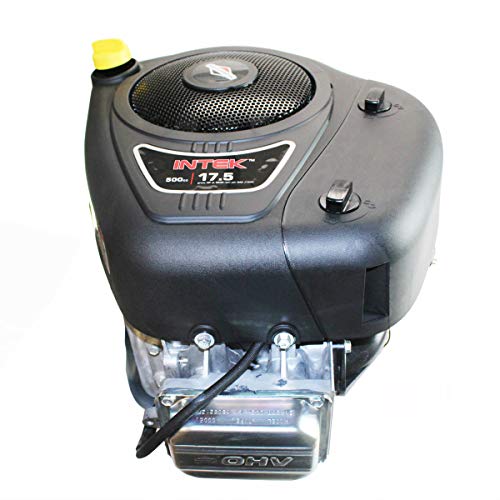
Briggs and Stratton Vertical 17.5 HP 500cc INTEK Engine #31R977-0054

Briggs and Stratton 13R232-0001-F1 Engine, Black

BRIGGS & STRATTON 44S977-0033-G1 25 GHP Vertical Shaft Engine

Gas Engine Vertical Shaft 4.4HP 173cc OHV Motor

Briggs and Stratton Vertical Engine 19 HP 540cc #33S877-0043
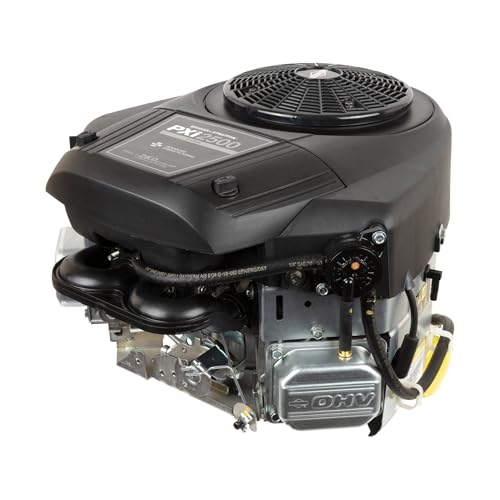
Briggs & Stratton 44S977-0032-G1 25 GHP Vertical Shaft Engine
More Details On Our Top Picks
The PowerSmart setup is aimed at routine lawns, not fussy weekend projects. A 21-inch deck gives you a practical cutting path for ordinary suburban grass, while the 144cc four-stroke OHV engine keeps the package in familiar push-mower territory. The steel deck should feel reassuring under normal use, though it also means you’ll want to keep an eye on storage and cleaning after damp mowing.
Compared with the self-propelled SENIX below, this one keeps the driving workload on you, which suits flatter yards and lighter users who prefer a simpler machine. The 3-in-1 setup helps you choose between mulching, bagging, and side discharge, so you can handle clippings the way your yard usually needs them handled.
Strong Points
- 21-inch cut width covers a useful path without feeling oversized for a standard yard.
- Three cutting modes give you more control over clippings and lawn finish.
- Push-behind design keeps the machine straightforward for basic yard routines.
- Steel deck brings a sturdier feel than many lighter-bodied mowers.
Things To Consider
- Push operation asks more from you on longer or uneven stretches of grass.
- Steel parts benefit from regular cleaning after mowing in wet conditions.
- The listing focuses on mowing use, so it suits simple yard care more than specialized tasks.
Feature Snapshot
Who It Suits Best
Homeowners with a flat or gently sloped yard and a preference for simple, direct mowing will get the most out of this one.
A Better Fit Elsewhere
SENIX 21” Self Propelled Gas Lawn Mower 170 cc suits you better when hills, larger acreage, or reduced pushing effort matter more.
This SENIX model stands out for the self-propelled layout, which does the forward work for you across bigger lawns and mild slopes. The 170cc engine gives it a bit more breathing room than the PowerSmart push mower, and that matters most when the grass runs thicker or the yard gets long between cuts. In practice, that kind of setup can feel a lot less tiring by the time you finish the back strip.
The six-position cutting control adds more tuning than the simpler six-height adjust wording on the first pick, and the 3-in-1 mowing setup keeps clipping management flexible. The trade-off is a slightly more involved machine, so it suits you best when comfort and pace matter more than absolute simplicity.
Upsides
- Self-propelled drive reduces the effort of moving through the yard.
- 170cc engine gives you a little more reserve for tougher growth.
- Three mowing modes make clipping cleanup easier to match your routine.
- Six-position cutting control helps fine-tune lawn height.
- Well suited to larger patches where push mowing starts to feel slow.
Areas To Watch
- More moving parts usually mean a bit more upkeep than a basic push mower.
- The self-propelled setup can feel like more machine than needed on a tiny yard.
- Storage takes a little more planning than a stripped-down mower.
Core Details
Built With In Mind
Homes with moderate slopes, wider sections of lawn, or anyone who wants less physical strain from mowing are the best match here.
Swap It Out When
PowerSmart EasyGlide 21-Inch Gas Lawn Mower 144cc Engine makes more sense for smaller, flatter yards where a lighter push setup feels easier to live with.
You are no longer in small-mower territory here, and that changes the conversation fast. This Briggs and Stratton INTEK vertical engine is built for serious replacement work, with a 500cc class and 17.5 HP rating that point it toward larger equipment rather than ordinary walk-behind mowing. The shaft size and 9-amp detail matter because fit is everything in replacement engines, and the wrong match can turn a repair into a headache.
Compared with the two mower picks above, this one is about restoring power to compatible machines, not choosing a complete cutting rig. The honest read is that it fits experienced DIY repair work better than casual garage tinkering, especially because the listing notes shipment and handling restrictions.
Reasons To Buy
- Large 500cc engine size suits demanding replacement jobs.
- Vertical layout matches the needs of compatible equipment.
- Shaft sizing details help you narrow down fit before you commit.
- Useful for restoring larger machines rather than replacing an entire mower.
Small Caveats
- Replacement fit needs close checking, especially around shaft dimensions.
- The listing notes shipping restrictions tied to hazmat handling.
- Non-returnable items call for careful confirmation before purchase.
Technical Sheet
Whose Shelf It Belongs On
Experienced repair-minded homeowners and small equipment maintainers who know their shaft and mounting requirements will be the best fit here.
Where A Sibling Pick Shines
Briggs and Stratton 13R232-0001-F1 Engine is easier to consider for more compact replacement jobs that don’t need this much size.
This Briggs and Stratton engine looks like the sort of replacement part you reach for when space matters as much as power. The published dimensions, 14.5 by 12 by 13.5 inches, help you judge whether your machine bay can take it without forcing a cramped install. That kind of sizing detail is handy for owners dealing with older equipment that never seems to leave much room for anything.
Compared with the larger 500cc Briggs unit above, this one is the more modest, shape-conscious choice. It suits you best when the job is about restoring a smaller machine and keeping the swap clean, not chasing the biggest output on the list.
Highlights
- Published dimensions make compatibility checks easier.
- More compact than the bigger replacement engines in this roundup.
- Works well for tight machine compartments where room is limited.
- Simple replacement focus keeps the decision more straightforward.
Worth Noting
- Smaller physical size can mean less muscle than larger engine options.
- Replacement fit still needs careful measurement before installation.
Details At A Glance
Right Fit For
Owners replacing a compact engine on a machine with limited compartment room will get the most practical value here.
Reach For A Different Pick When
Briggs and Stratton Vertical Engine 19 HP 540cc #33S877-0043 makes more sense for larger equipment that asks for a stronger replacement.
Some replacement jobs need sheer output, and this 25 GHP vertical shaft engine points squarely at that kind of work. It sits in the heavier end of the group, so it makes the most sense for larger machines that ask for more drive strength than a basic lawn mower engine replacement. That extra muscle usually comes with a more careful compatibility check, which is the real trade-off here.
Compared with the 19 HP Briggs engine below, this one is the more forceful choice for robust equipment. For owners of older riders or substantial yard machines, the bigger shaft engine can be the difference between a useful repair and a half-solved problem.
Best Bits
- 25 GHP rating supports demanding replacement work.
- Vertical shaft layout suits compatible larger equipment.
- Good fit for machines that need stronger output after a failure.
- Black finish keeps the look simple and practical.
Points To Note
- More output usually means you need to match the old engine carefully.
- Replacement projects of this size can take more mechanical confidence.
- Storage and handling are less convenient than with smaller units.
Feature Card
Best Suited To
Owners of big yard machines or tired older equipment that needs a strong replacement engine will get the most from this pick.
Consider Something Else When
Briggs and Stratton 44S977-0032-G1 25 GHP Vertical Shaft Engine is the closer match when you want similar power in a slightly different replacement variant.
This Aceup Energy vertical shaft motor is the most straightforward replacement-style option in the group. The 173cc four-stroke OHV layout gives you a familiar small-engine format, and the primer plus recoil start setup keeps the startup routine plain enough for routine yard hardware. The fuel tank size and shaft measurements matter here because this is the sort of engine you buy only after checking fit carefully.
Compared with the Briggs replacement engines, this one sits in a more approachable power band and speaks to homeowners who want a serviceable repair without jumping to oversized hardware. The honest read is that it suits practical maintenance work better than ambitious upgrades.
What We Like
- 173cc engine size fits many common lawn machine replacement needs.
- Primer and recoil start make the startup routine familiar.
- OHV four-stroke design fits a broad range of yard equipment roles.
- Clear shaft measurements help narrow compatibility before installation.
Minor Gripes
- Replacement work still depends on careful measurement and matching.
- Primer-based starting adds a small extra step on cold starts.
- The listing is more about fit details than broad feature extras.
Quick Facts
Who Should Grab It
Homeowners handling a modest engine swap on a common lawn machine are the best match for this one.
Look Elsewhere When
Briggs and Stratton Vertical Engine 19 HP 540cc #33S877-0043 makes more sense for larger equipment that asks for a bigger reserve of power.
The 19 HP, 540cc spec puts this Briggs and Stratton engine in a strong replacement tier without jumping quite as far as the 25 GHP models. That middle ground matters for larger machines where you want a meaningful power reserve but do not need to overbuy. The shaft size is again the key detail, because in this category the hardware fit decides the outcome as much as the horsepower number does.
Compared with the Aceup Energy 173cc motor, this is the stronger choice for equipment that needs more pull and more staying power. It suits maintenance jobs where you already know the old engine’s footprint and want a close, confident replacement path.
Positives
- 19 HP output gives you a solid step up for larger machines.
- 540cc displacement points to a substantial replacement engine.
- Vertical orientation works for compatible upright equipment.
- Shaft dimensions are clearly stated for fit checking.
- Good match for replacing worn engines rather than buying a whole new machine.
Room For Improvement
- You need to confirm fit very carefully before installation.
- Larger replacements usually call for a bit more mechanical confidence.
- Not as approachable for simple small-mower repairs.
Spec Overview
The Right Fit
Owners replacing a worn engine on a larger upright machine are the most natural match for this pick.
Another Choice May Suit
BRIGGS & STRATTON 44S977-0033-G1 25 GHP Vertical Shaft Engine suits you better when you want the same general category with more output headroom.
This 25 GHP Briggs and Stratton engine sits close to the stronger 44S977-0033-G1 above, and the difference comes down to the exact variant you need for your machine. That makes it a practical option for owners replacing a tired vertical shaft unit on heavier yard equipment. The vertical layout keeps it in the same repair lane as the other larger engines here, so compatibility still deserves close attention.
Compared with the 19 HP Briggs model, this one gives you a firmer step up for demanding hardware. It fits best in repair jobs where matching the old engine’s design matters just as much as the power number on the listing.
Bright Spots
- 25 GHP rating supports demanding replacement jobs.
- Vertical shaft design keeps it in the right class for upright machines.
- Useful for owners restoring larger yard equipment.
- Clear part numbering helps narrow the variant you need.
Honest Caveats
- Fit checks matter a lot with replacement engines this size.
- You may spend extra time confirming the exact version your machine needs.
- Less suited to casual small-yard repairs.
Core Details
Built With In Mind
Repair-focused owners with large upright machines and a clear part match in mind are the best fit here.
Where Shoppers Go Wrong
Briggs and Stratton 13R232-0001-F1 Engine is the safer step down for compact replacement work where this much output is unnecessary.
How To Choose The Right Lawn Mower Engines
Match Power To Yard Size
Engine size should track the work your grass actually demands, not the biggest number you can find. A 144cc push mower like the PowerSmart works well for standard lawns, while a 170cc self-propelled mower makes more sense once slopes and thicker growth enter the picture.
Replacement engines tell a different story, because horsepower and displacement need to match the machine’s original design. Bigger numbers can help on heavy equipment, but too much engine for the chassis can create fit headaches or wasted money.
Check Shaft Style And Dimensions
Vertical shaft engines belong in upright applications, and that detail matters before any other spec on the page. Once you start shopping replacement motors such as the Briggs and Stratton 44S977 units or the Aceup Energy 173cc engine, shaft diameter, length, and keyway size become the real decision points.
That kind of fit checking is less glamorous than horsepower talk, but it saves more trouble later. A clean mechanical match is what turns a repair into something useful.
Choose The Start And Control Setup You Can Live With
Recoil start keeps things simple, which suits homeowners who want an engine they can start without extra systems to think about. Primer help can be useful on cold starts, while self-propelled mowing reduces physical strain on larger yards.
The trade-off is usually complexity. More convenience often means more parts to maintain, so your comfort with upkeep should weigh as heavily as the power figure.
Think About Maintenance And Storage
Steel decks and larger replacement engines usually ask for a little more care after use, especially around cleaning, fuel handling, and dry storage. That doesn’t make them difficult, just more involved than the lightest equipment in the category.
For a busy household, a simpler push mower can be easier to keep ready between cuts. For someone maintaining older equipment, a well-matched replacement engine can be the smarter long-term move.
Things Worth Knowing First
Wrong Turns To Avoid
Many problems in this category start with fit assumptions. Shaft diameter, length, mounting style, and engine orientation matter more than a flashy power number, especially on replacement units.
Another common miss is buying a larger engine than the machine can comfortably accept. The right choice should feel like a repair, not a puzzle.
The Upgrade Payoff
Higher-tier engines usually cost more because you’re paying for larger displacement, stronger output, and more exact replacement fit. That makes sense on bigger riders, heavy-duty yard machines, or older equipment that needs a meaningful second life.
Spending up pays off most when the machine is worth saving and the part specs line up cleanly. For smaller yards, the simpler options in this roundup are often easier to live with.
Frequently Asked Questions
What size lawn mower engine works for a small yard?
A smaller push mower engine around the 144cc range usually handles a modest yard well. You get simpler handling without carrying more machine than you need.
Why does shaft size matter so much on replacement engines?
Shaft dimensions decide whether the engine can physically mount and drive the machine. Even a strong engine is useless if the shaft measurements do not match.
Is a self-propelled mower worth it for sloped lawns?
Yes, that setup helps reduce the effort of moving the mower uphill and across longer stretches. It can feel much less tiring than a plain push model.
What does OHV mean on a lawn mower engine?
OHV means overhead valve, a common four-stroke engine layout used in yard equipment. You’ll often see it on engines designed for regular residential mowing or replacement use.
Should you choose a complete mower or a replacement engine?
Choose a complete mower when your old equipment is no longer practical to keep. Choose a replacement engine when the frame, deck, or machine body still has useful life left.
