

Grub damage rarely announces itself politely, and by the time you spot thinning turf or animal digging, the lawn can already feel patchy and stressed. The right lawn grub killer helps you match the fix to the job, whether you want broad yard coverage, a targeted spot treatment, or a slower, longer-view approach for beetle pressure. This roundup focuses on the kinds of products homeowners actually reach for around lawns, beds, shrubs, and ornamental plantings.
Quick Look At The Shortlist

Hi-Yield (33064) Grub Free Zone, 15 lbs
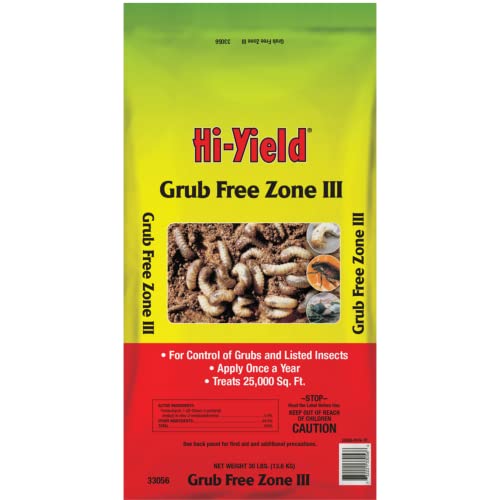
Hi-Yield (33056) Grub Free Zone III (30 lbs.)

Hi-Yield (30206) Systemic Insect Spray RTS, 32 oz

MoleX Mole Control Bait Pellets for Moles, 8 oz. Bag

Tomcat Mole Killer Grubs, 8 Grubs

St. Gabriel Organics Milky Spore Powder Grub Control, 40oz
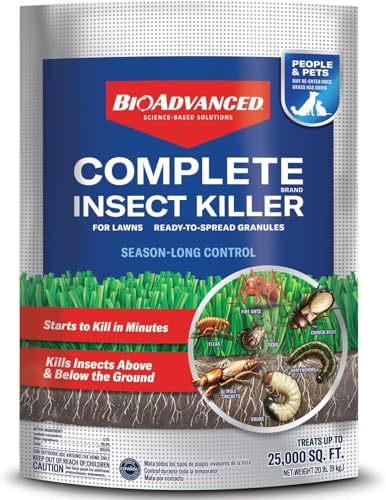
BioAdvanced Complete Brand Insect Killer for Lawns Granules, 20 lb Bag

Milky Spore 80010-9 Japanese Beetle and Other Beetle Killer
More Details On Our Top Picks
For a typical home lawn, this 15-pound bag sits in the sweet spot between coverage and storage convenience. The imidacloprid granules are built for lawns and flower beds, and the listed coverage up to 5,000 square feet makes it a sensible match for smaller properties or patch-focused treatment.
The trade-off is straightforward, it is more of a lawn-scale tool than a whole-property solution. Homeowners who time applications before grubs or mole crickets hatch will get more from it than someone already dealing with a broad, advanced infestation.
Strong Points
- Covers lawns and flower beds, so one bag can handle more than one problem area.
- The 5,000-square-foot reach fits many suburban yards without leftover bulk crowding the shed.
- Season-long use window adds flexibility for spring and summer application timing.
- It also targets several named insects, which helps when the damage source is not just grubs.
Things To Consider
- Coverage is modest compared with the larger Hi-Yield bag, so wide lots need more product.
- Application guidance changes by pest type, which means the label deserves a close read before spreading.
- Storage is easier than with a bulk bag, though the granules still need to stay dry and sealed.
Feature Snapshot
Who It Suits Best
Homeowners with a smaller established lawn who want a straightforward granular treatment will get the cleanest fit here.
Where A Sibling Pick Shines
Hi-Yield (33056) Grub Free Zone III suits you better for a larger property that needs the same style of lawn treatment with much broader coverage.
That larger 30-pound bag changes the conversation from spot coverage to property coverage. You get a product aimed at lawns, ground covers, flower beds, and the base of ornamental trees, which helps in yards where the issue spreads beyond the turf edge.
Compared with the 15-pound Hi-Yield bag, this one is the more practical choice for bigger lawns because the listed coverage climbs to 25,000 square feet. The honest read is that it makes the most sense for owners who already know they have a lot of ground to cover and want fewer trips back to the storage shelf.
What We Like
- The 25,000-square-foot coverage suits large yards, multi-zone properties, and broader landscape beds.
- Use around ornamental trees gives it more flexibility than a lawn-only granule.
- Season-long control wording points to longer coverage than a quick spot fix.
- One bag can simplify maintenance for homeowners managing more than one planted area.
Room For Improvement
- The bag is bulky, so storage and lifting matter more than with smaller packages.
- As with the smaller Hi-Yield option, the application label needs attention because pest directions vary.
- For tight urban yards, this much coverage may be more product than you need.
Details At A Glance
Built With In Mind
Large-property homeowners who want a single granular treatment for several landscape zones are the clearest fit.
Look Elsewhere When
Hi-Yield (33064) Grub Free Zone fits better for smaller lawns, especially when storage space is tight and the coverage demand is lighter.
Once you move from soil treatment to trees and shrubs, this ready-to-spray format becomes much more interesting. The RTS label means ready to spray, so you are looking at a format that is built for direct application rather than mixing and measuring.
That matters around ornamental plantings, where aphids, whiteflies, and Japanese beetles can show up alongside other pressure. Compared with the granular Hi-Yield options, this one is less about broad turf coverage and more about targeted treatment on woody plants and garden edges.
Highlights
- Ready-to-spray format keeps setup simple for routine yard care.
- Targets multiple insect types on trees and shrubs, not just lawn pests.
- Useful for homeowners managing beds, hedges, and ornamental plantings together.
- The systemic approach means the treatment is designed to move through plant tissue rather than sit only on the surface.
- It fits well into a hose-end style workflow, which many homeowners find more convenient than a spreader.
Points To Note
- It is not a broad granular lawn cure, so it fills a different role than the first two picks.
- The source data does not spell out coverage, which makes it harder to plan very large jobs from specs alone.
- RTS formats can create more cleanup around nozzles and hose connections than a dry granule bag.
Core Details
Who Should Grab It
Homeowners with shrubs, hedges, and ornamental trees often get the most from this kind of targeted spray format.
Skip It When
Hi-Yield (33056) Grub Free Zone III is the better match for a large lawn where spreadable coverage matters more than plant-by-plant treatment.
This pick heads in a different direction, because it focuses on moles rather than grubs alone. The pellet format is notable, and the product page also describes it as suitable for indoor and outdoor use, which gives it a wider placement range than most lawn-only treatments.
The “poison free” and “pet safe” language will matter to households thinking carefully about placement around active areas, though it still deserves the same practical caution you would give any pest-control product. Compared with the Hi-Yield granules, this is far more specialized and better suited to mole-focused situations than general lawn recovery.
Reasons To Buy
- Pellet format makes placement feel more deliberate than scattering a broad lawn treatment.
- Indoor and outdoor use expands where you can work with it.
- Poison-free positioning gives it a different profile from the stronger chemical lawn granules in this list.
- Small bag size is convenient for storage and spot use.
Areas To Watch
- It addresses mole activity, so it is not a direct substitute for a grub-focused lawn treatment.
- The source material does not give a coverage figure, which limits planning for larger properties.
- Pellets can be more dependent on careful placement than spreadable granules.
Quick Facts
The Right Fit
Homeowners dealing with mole activity in small or mixed-use spaces will find the format easier to work into a focused control plan.
A Better Fit Elsewhere
Tomcat Mole Killer Grubs suits you better when you want a mole-oriented product with a more straightforward ready-to-use approach.
The ready-to-use format makes this one feel more immediate than the pellet bag above. Tomcat says the grubs mimic a mole’s natural food source, so the pitch is built around feeding behavior rather than a lawn-wide broadcast treatment.
That approach makes sense for small yard problem spots, especially where you want a compact product that is easy to place and store. The trade-off is that its focus is narrow, so it belongs in a mole-control plan rather than as a broad grub solution for the whole lawn.
Upsides
- Ready-to-use design keeps the process simple for quick deployment.
- Compact format stores easily in a garage shelf or utility bin.
- Food-source mimicry gives it a targeted angle for mole-oriented treatment.
- Good fit for small yards where a large bag would be unnecessary.
Worth Noting
- It is tailored to moles, so you should not expect it to cover all grub-related lawn problems.
- The source data does not include coverage, which makes scale planning less exact.
- Ready-to-use products can still need careful placement around beds and traffic areas.
At A Glance
Whose Shelf It Belongs On
Shoppers with small yards or localized mole activity are the most natural match for this compact bait-style option.
Swap It Out When
MoleX Mole Control Bait Pellets makes more sense for you when you want a pellet format that can also be used indoors and outdoors.
This is the longest-view option in the group, and that changes how you think about it. Milky spore is a soil treatment associated with Japanese beetle grub pressure, so it suits lawns, garden beds, and mulch areas where you want a treatment that leans toward persistence rather than quick cleanup.
Compared with the imidacloprid-based Hi-Yield picks, this one is less about broad immediate coverage and more about a long-range soil strategy. The 40-ounce size and listed 10,000-square-foot coverage make it attractive for owners who are willing to plan ahead and live with a slower, steadier approach.
Best Bits
- Works across lawns, garden beds, and mulch, which broadens where you can use it.
- The 10,000-square-foot coverage is helpful for medium to large landscape areas.
- Long-lasting positioning suits homeowners who prefer a less frequent treatment plan.
- Organic-language branding will appeal to gardeners who prefer a gentler profile than standard chemical granules.
- It fits well for Japanese beetle pressure, where a soil-based plan can make more sense than a quick surface spray.
Small Caveats
- Longer-view soil treatments are not the same thing as fast visual cleanup, so patience matters.
- The package is larger than a small spot-treatment bag, which affects storage space.
- Because the source data focuses on beetle grubs, it is not the broadest insect-control fit in this roundup.
Technical Sheet
Perfect Match For
Gardeners and lawn owners dealing with Japanese beetle pressure in beds, mulch, and turf will get the most from this soil-oriented approach.
Another Choice May Suit
BioAdvanced Complete Brand Insect Killer for Lawns Granules fits better for you when you want broader above-ground and below-ground insect coverage in one lawn product.
This granule leans hard into general yard coverage, which makes it easy to understand at a glance. The product claims control of insects above and below ground, so it fills the gap between lawn-surface nuisance and soil-level trouble.
Compared with the more beetle-specific St. Gabriel and the mole-focused picks, this one is the broad utility option in the group. It should suit homeowners who want a single granule bag for a wider pest-management routine, though the generalist approach means it is not as specialized as a niche formula.
Bright Spots
- Above-ground and below-ground language gives it wide appeal for lawn care routines.
- The 20-pound bag is large enough for substantial work without jumping into bulk territory.
- Season-long positioning suggests it can fit into a longer maintenance cycle.
- Granules are familiar to many homeowners, so spreading them feels less fussy than specialty bait products.
Honest Caveats
- General insect control is broad by design, so it may not feel as targeted as a niche beetle treatment.
- Twenty pounds can be a lot to store in a small shed or garage cabinet.
- The source data does not list coverage, so planning by square footage is less exact from the supplied details alone.
Feature Rundown
Best Suited To
Homeowners who want a broad lawn insect treatment and prefer a familiar granule format are the best match for this pick.
Reach For A Different Pick When
St. Gabriel Organics Milky Spore Powder Grub Control makes more sense for you when beetle grub control and garden-bed use matter more than all-around lawn coverage.
Milky spore shows up again here in a more focused form, and the narrower title tells you a lot about the use case. This is a beetle-centered option rather than a broad lawn all-rounder, so it fits homeowners who want to zero in on Japanese beetle pressure without dragging in extra turf categories.
Compared with the 40-ounce St. Gabriel version, this pick looks more stripped back in presentation while staying in the same family of soil-oriented beetle control. The lighter footprint can be appealing for gardeners who want a less bulky route and already know the lawn issue is tied to beetles.
Positives
- Clear Japanese beetle focus helps narrow the treatment plan.
- Soil-based positioning suits yards where grub pressure starts below the surface.
- Smaller presentation can feel easier to handle and store than bulkier bags.
- Works well for gardeners who prefer targeted control over broad multi-pest coverage.
Trade Offs
- It is specialized, so it will not replace the broader insect control of BioAdvanced Complete Brand Insect Killer for Lawns Granules.
- The source data is sparse, which leaves coverage and form details less clear than with the St. Gabriel version.
- Beetle-focused soil treatment is more of a planning tool than an instant visual fix.
Feature Card
Who Will Love This
Homeowners dealing specifically with beetle-related grub pressure in lawn and garden soil are the natural fit here.
Where Shoppers Go Wrong
BioAdvanced Complete Brand Insect Killer for Lawns Granules fits better when you want a wider insect-control bag rather than a beetle-specific soil treatment.
How To Choose The Right Lawn Grub Killers
Match The Product To The Pest
The biggest mistake is treating every lawn problem as the same problem. Grubs, mole crickets, Japanese beetles, aphids, and moles call for different product styles, from lawn granules to soil treatments to bait pellets.
Broad-spectrum granules suit you when the damage is spread across turf and beds. More specialized products make sense when the issue is narrower, such as beetle grubs in soil or mole activity in tunnels.
Start With Coverage And Property Size
Square-foot coverage matters because it tells you how much ground one bag can actually handle. A 5,000-square-foot treatment fits many smaller yards, while 25,000-square-foot coverage belongs in larger landscapes or multi-zone properties.
Storage matters too. A 30-pound bag or a 40-ounce powder is fine for a larger yard, but it can feel bulky in a small garage or crowded utility shelf.
Choose The Form That Fits Your Routine
Granules are popular because they spread across lawns in a familiar way and work well for bigger surface areas. Ready-to-spray products reduce mixing, while pellets and bait-style items suit tighter placement or more targeted pest work.
You may find the easiest product is not the one with the most features, but the one that matches the way you already maintain your yard. A careful label read helps here, especially when application timing changes by pest type.
Think In Seasons, Not Just Symptoms
Some products are aimed at early treatment, before grubs or mole crickets hatch, while others lean toward longer soil-based control. That timing choice matters because lawns often show the problem after the pest has already been active for a while.
Ahead-of-time treatment is usually the calmer path for homeowners who see the same issue every year. Once the yard is already stressed, broader control may be useful, but it still needs the right product format for the area you are treating.
Things Worth Knowing First
Wrong Turns To Avoid
Do not choose by bag size alone. A large package can be wasteful on a small lawn, and a compact package can fall short on a broad property.
Another common slip-up is buying a mole product for a grub problem, or the reverse. The label should match the actual pest pressure in your yard, not the shape of the packaging.
Where The Extra Money Goes
Higher-tier products often cost more because they cover more square footage, handle more use cases, or come in formats that save time. Ready-to-spray systems, longer-view soil treatments, and larger bags usually demand more material and more packaging.
That upgrade is worth it when you manage a large lot, a mix of lawns and beds, or recurring pest pressure across the season. Smaller yards and isolated spots rarely need the same level of spend.
Frequently Asked Questions
What kind of product works best for grub damage?
Granules are the easiest fit for many lawns because they spread evenly across turf. Soil-based treatments make more sense when the issue is tied to Japanese beetles or long-view control.
Should you treat before damage shows up?
Early treatment usually works better for yearly pest cycles, especially with grubs and mole crickets. Waiting until the lawn is already thin can narrow your options.
Are bait products the same as lawn granules?
No, bait products are aimed at more targeted pest behavior, such as mole control. Lawn granules are built for broader surface coverage.
How do you choose between a small bag and a large bag?
Match the bag size to your square footage and storage space. A larger bag helps on big properties, while a smaller bag is easier to keep on hand for smaller lawns.
Do ready-to-spray products fit every yard?
They work best around trees, shrubs, and other planted areas where a spray format is convenient. Broad turf coverage usually calls for granules instead.
