

Healthy turf usually comes down to matching the formula to the job, not just spreading something green and hoping for the best. Some yards need a fast liquid boost, others need slow feeding, and a few benefit from weed control or a more organic approach. This roundup helps you sort through the differences without turning lawn care into a weekend puzzle.
You’ll find options for summer feeding, spring refreshes, larger square-foot coverage, and compact liquid bottles for targeted work. The goal is simple: help you choose a lawn food that fits your grass type, schedule, and tolerance for cleanup.
Quick Look At The Shortlist
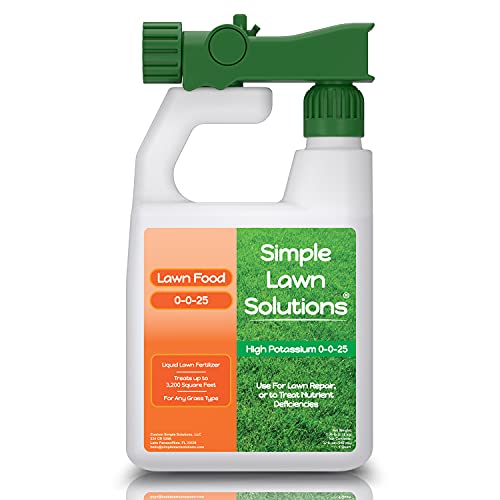
Simple Lawn Solutions High Potassium Lawn Food 0-0-25

Scotts Turf Builder Healthy Plus Lawn Food 13.70 lbs.
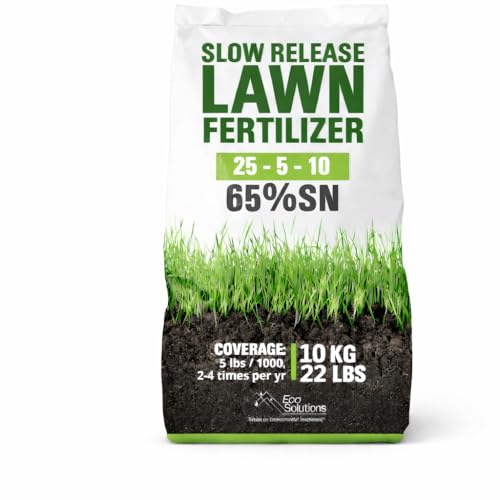
Eco Solutions Slow Release Lawn Fertilizer 25-5-10 NPK
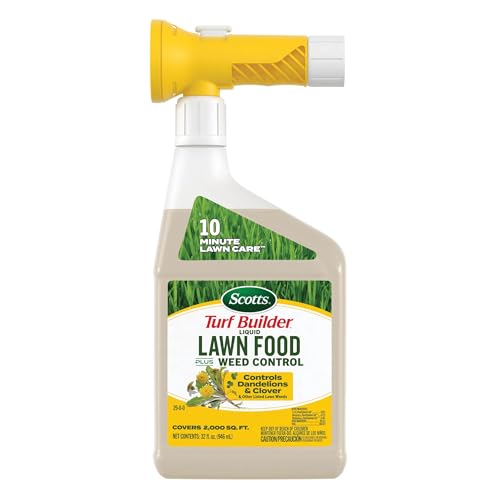
Scotts Turf Builder Liquid Lawn Food Plus Weed Control 32 fl. oz.

Espoma EOLF28 Organic All Season Lawn Food 28-Pound
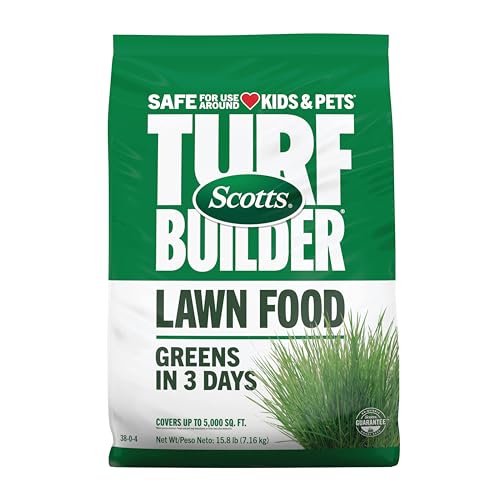
Scotts Turf Builder Lawn Food 15.8 lbs.

The Andersons Premium Lawn Food 28-0-12 Spring Summer Fertilizer

Jonathan Green Organic 8-0-1 Lawn Food 20 lb.
More Details On Our Top Picks
A liquid potassium feed like this suits yards that need a targeted summer or fall boost without hauling a heavy bag around. Potassium is the nutrient that helps grass handle stress and stay sturdy, so this style makes sense for turf that faces heat, foot traffic, or seasonal wear.
The concentrated spray format also keeps mixing and coverage more flexible than a standard granule, though that flexibility comes with a little more attention during application. You’ll like it most on smaller to medium lawns, or anywhere you want a quick, even pass from a sprayer instead of a spreader.
Strong Points
- Concentrated liquid format is easy to dilute for spot coverage or broader passes.
- High potassium profile suits grass that needs sturdier seasonal support.
- Works across grass types, which simplifies choice for mixed yards.
- 32-ounce bottle stays manageable for storage in a garage shelf or utility closet.
Worth Noting
- Liquid application asks for more attention than a simple walk-behind spread.
- Smaller bottle size may mean repeat purchases for larger yards.
- Best results depend on even coverage, so rushed spraying can leave thin spots.
Feature Snapshot
Who It Suits Best
You benefit most here when your lawn needs a seasonal liquid feed and you already have a sprayer setup.
Where A Sibling Pick Shines
Scotts Turf Builder Lawn Food 15.8 lbs. fits better for someone who wants a simple granular routine with broader coverage in one pass.
This one stands out because it combines feeding with another lawn-care job in a single bag, which can be handy for yards that need a more layered approach. For homeowners dealing with routine maintenance and visible turf stress, that two-in-one setup keeps the shelf from filling up with separate products.
The trade-off is that multi-function formulas can feel more specific than a straight lawn food, so it’s a better fit for lawns with a real need for both jobs rather than simple feeding alone. In a busy garage, the consolidated format is tidy, though the bag is heavier than a small liquid bottle.
Highlights
- Combines fertilizer with a second lawn-care function.
- Granular format works well with a spreader routine.
- 4,000-square-foot coverage suits many suburban front and back lawns.
- Single-bag approach can simplify storage and reduce clutter.
Small Caveats
- Less flexible than a plain fertilizer for yards that only need feeding.
- Granular application depends on even spreading for consistent results.
- Heavier bag takes more effort to move and store.
Technical Sheet
Built With In Mind
You’ll get the most from this pick in a yard that needs a fertilizer plus an added turf-care step, not just plain feeding.
Swap It Out When
Simple Lawn Solutions High Potassium Lawn Food 0-0-25 is a cleaner fit for someone who wants a narrow seasonal feed without the extra function.
Slow-feed granules like this suit people who want fewer touchpoints through the season. The 110-day feeding window is the kind of detail that matters in a real yard, because it can reduce how often you need to revisit the spreader.
The 25-5-10 ratio leans heavily on nitrogen, which is the nutrient most often linked with leaf growth and deep green color. That makes it appealing for lawns that need a steady growth push, though the same strength can be too much for someone who prefers a lighter, less assertive program.
Upsides
- Slow-release design spaces out feeding over a long period.
- 65 percent granular nitrogen points to a strong growth-focused formula.
- Large bag suits bigger yards or fewer refill runs.
- Kid- and pet-safe positioning may matter to family households that want a gentler-feeling routine.
Points To Note
- Slow-release feeding is less suited to someone seeking a quick visual boost.
- Granular bags need dry storage to stay easy to pour and spread.
- The stronger nitrogen profile may feel aggressive for low-maintenance lawns.
- Large package weight can be awkward on stairs or long carries.
Quick Facts
Whose Shelf It Belongs On
This fits homeowners who want a longer feeding interval and don’t mind a larger granular bag.
Look Elsewhere When
Jonathan Green Organic 8-0-1 Lawn Food works better for someone who wants a lighter organic routine with a softer nutrient profile.
This hose-end liquid bottle is built for lawns where you want feeding and weed management in the same routine, without dragging out a pile of separate gear. That setup can feel especially useful on larger drive-up days, because the attachment style keeps the process more direct.
The flip side is that combo products always ask for a bit more care in how you apply them, since the wrong pass can waste both the feed and the weed-control side of the formula. You’ll probably appreciate it most if your lawn work already revolves around a hose and you want a quick, managed spray path.
Bright Spots
- Liquid format spreads through a hose-end applicator for quick setup.
- Combines lawn feeding with weed-focused treatment in one bottle.
- 32-ounce size is easy to store and carry.
- Good fit for yards that need a simpler all-in-one routine.
Areas To Watch
- Combo formulas can be less flexible than single-purpose lawn foods.
- Application technique matters more than with a basic spreader bag.
- Smaller bottle size may not suit larger properties.
Feature Card
Right Fit For
You’ll like this best for a yard that needs a combined feeding and weed-care routine with a hose already in hand.
Reach For A Different Pick When
Espoma EOLF28 Organic All Season Lawn Food is the better match for someone who wants a plain organic fertilizer without a hose-end treatment step.
Organic lawn food tends to appeal to people who want a slower, more measured feeding routine, and this Espoma bag fits that mindset neatly. In a yard with kids, pets, or a general preference for simpler inputs, the all-season approach feels easier to slot into regular care.
The honest read is that organic feeding often asks for patience, so this is less about instant cosmetic drama and more about steady maintenance. That trade-off suits gardeners who want a calmer, less fussy lawn schedule and don’t mind waiting for the routine to do its work.
Best Bits
- Organic formula fits a lower-input lawn routine.
- All-season use makes it easier to keep one bag on hand longer.
- 28-pound bag gives a solid supply without feeling oversized.
- Works well for homeowners who prefer a slower feeding rhythm.
Minor Gripes
- Organic feeding usually rewards patience rather than fast visual change.
- Bag storage still matters, especially in damp sheds.
- May feel too restrained for turf that needs a stronger push.
Details At A Glance
The Right Fit
This is a strong match for homeowners who want an organic bag they can keep in the rotation through the year.
Another Choice May Suit
The Andersons Premium Lawn Food 28-0-12 Spring Summer Fertilizer works better for someone who wants a more season-specific granular feeding plan.
This granular bag is the straightforward pick in the group, the kind that fits a homeowner who wants a familiar feed-and-spread routine without extra chemistry on top. The 38-0-4 ratio leans strongly on nitrogen, so it suits turf that needs a classic growth-oriented boost.
Compared with the more specialized formulas earlier in the list, this one is easier to explain to yourself and easier to slot into a regular maintenance schedule. That plainness is the appeal, though it also means you’re not getting the tailored extras that the liquid combo or slow-release pick brings.
Positives
- All-grass-type compatibility makes it a simple general-purpose option.
- Granular form pairs well with standard spreaders.
- 5,000-square-foot coverage suits many average-size yards.
- 15.8-pound bag keeps handling easier than larger sacks.
Trade Offs
- Lacks the extra functions of the combo products in this roundup.
- Granular use still depends on even coverage and proper calibration.
- May feel plain for shoppers who want a more specialized feeding plan.
Core Details
Made For In Mind
You’ll appreciate this if you want a familiar, broad-use lawn food that covers a standard yard without much fuss.
Where Another Pick Suits Better
The Andersons Premium Lawn Food 28-0-12 Spring Summer Fertilizer is a better match for someone who wants a more season-specific granular formula.
This spring and summer fertilizer feels tuned for people who want a more intentional seasonal program than a basic all-purpose bag. The 28-0-12 ratio gives you a nitrogen-heavy base with added potassium, which can suit turf that needs active growth and sturdier seasonal support.
In a larger yard, the 5,000-square-foot bag size makes planning easier because you’re not constantly recalculating coverage. The trade-off is pretty simple: this is more specialized than Scotts Turf Builder Lawn Food 15.8 lbs., so it makes the most sense for lawns that actually need a season-specific approach.
Reasons To Buy
- Season-focused formula suits spring and summer routines.
- 28-0-12 blend offers a strong feeding profile.
- Coverage for 5,000 square feet helps with planning.
- Granular format works well for standard lawn spreaders.
Areas To Watch
- Specialized seasonal use is less flexible than an all-season bag.
- Granular bags still need dry storage and consistent spreading.
- May be more formula-heavy than some casual lawn routines need.
Spec Overview
Best Suited To
This works well for homeowners who want a more deliberate seasonal bag and already know their lawn care rhythm.
Skip It When
Espoma EOLF28 Organic All Season Lawn Food is the easier fit for someone who prefers an organic, all-season routine over a targeted spring-summer blend.
This organic 8-0-1 blend is the gentler, more restrained end of the list, and that suits yards where you want a steady feed rather than a strong growth surge. The lower analysis makes it easier to work into a simple routine, especially for homeowners who prefer a less aggressive fertilizer profile.
Compared with the stronger nitrogen-heavy bags earlier, this one feels calmer and more measured, though that also means it’s not the pick for someone chasing fast visual change. Think of it as the lawn equivalent of steady breathing, not a sprint.
Positives
- Organic format fits a lower-input lawn routine.
- 8-0-1 analysis offers a lighter feeding profile.
- 20-pound bag keeps handling reasonably easy.
- Covers 5,000 square feet, which helps with standard yard planning.
Honest Caveats
- Lighter nutrient profile may feel too gentle for thin turf.
- Organic feeding usually rewards patience over quick visible change.
- Granular storage still needs a dry place.
Feature Rundown
Who Will Love This
You’ll appreciate this most if you want an organic, low-key lawn food that fits a straightforward maintenance schedule.
Not Your Match When
Eco Solutions Slow Release Lawn Fertilizer 25-5-10 NPK suits someone who wants a stronger nitrogen-led granular feed that lasts longer between applications.
How To Choose The Right Lawn Foods
Nutrient Ratios Tell You The Story
NPK stands for nitrogen, phosphorus, and potassium. The three numbers on the bag tell you how much of each nutrient you’re getting by weight, so a 38-0-4 formula behaves very differently from an 8-0-1 organic bag.
Nitrogen supports leafy growth, potassium helps with stress tolerance, and phosphorus matters in root development. The right mix depends on what your lawn actually needs, not just what sounds strongest on the shelf.
Format Changes The Job
Granular products work with spreaders and usually suit whole-yard feeding. Liquid products make more sense for quick application, hose-end setups, or targeted treatment, but they ask for more care during mixing and spraying.
The trade-off is simple, convenience versus control. Granules are familiar and tidy, while liquids can feel faster for small jobs or awkward spaces around beds and walkways.
Coverage And Bag Size Matter More Than They Seem
Coverage numbers help you avoid buying too little or dragging home far more than you need. A 5,000-square-foot bag fits many suburban lawns, while a 32-ounce concentrate may be better for smaller spaces or selective use.
Storage matters too. A heavy bag needs a dry corner, while a liquid bottle is easier to stash on a shelf or in a cabinet.
Match The Formula To Your Routine
Busy homeowners often do better with slow-release or all-season options, since they reduce how often you need to revisit the lawn. People who already enjoy seasonal lawn care may prefer a more specific formula with a sharper nutrient profile.
The honest read is that the best lawn food is the one you’ll use correctly, not the one with the longest ingredient list. A simpler bag in the right schedule usually beats a fancier one that sits unused.
Things Worth Knowing First
Mistakes Worth Dodging
Many shoppers focus on the numbers and skip the application style, which leads to frustration later. A liquid bottle sounds easy until you realize your sprayer setup is awkward, while a granular bag can be overkill for a tiny yard.
Another common miss is buying a formula that fights the wrong problem. A turf feed with weed control or fungus support makes sense only when that second job really belongs in your lawn plan.
The Upgrade Payoff
Higher-tier lawn foods often cost more because they do more than plain feeding. That extra function can mean a slow-release structure, a targeted seasonal blend, or a combo formula that covers multiple turf needs at once.
The upgrade matters most when your lawn care time is limited or your yard has a real pattern, such as repeated summer stress or ongoing patchy growth. For a simple, healthy yard, a basic granular food may already be enough.
Frequently Asked Questions
What is the difference between liquid and granular lawn food?
Liquid lawn food mixes with water and applies through spraying equipment. Granular lawn food is spread dry and usually fits a walk-behind spreader.
How do you read NPK numbers on a lawn food bag?
The first number is nitrogen, the second is phosphorus, and the third is potassium. Those numbers help you see whether the formula leans toward growth, root support, or stress tolerance.
Is organic lawn food always gentler?
Organic lawn food usually follows a slower feeding pace and a lighter nutrient profile. That does not make it a universal fit for every lawn, especially turf that needs a stronger push.
How much coverage should you look for?
Coverage should match the size of your yard with a little margin for overlap. A product that covers 5,000 square feet works well for many standard lawns, while smaller bottles suit targeted jobs.
Do combo lawn foods make sense for every yard?
Combo lawn foods help when your grass needs feeding plus another task in the same pass. They are less useful for lawns that only need a plain fertilizer routine.
