

Cold-season lawn care gets easier when you choose fertilizer that matches your grass, your soil, and the amount of time you want to spend outside. Some yards need a granular product that feeds slowly through fall, while others do better with a liquid option that greens things up faster without much fuss.
This roundup focuses on lawn fertilizers for winter prep, late-season recovery, and steady feeding heading into colder weather. You’ll see options for larger yards, smaller spaces, and quick-application routines, so you can match the product to your own lawn instead of guessing.
Quick Look At The Shortlist
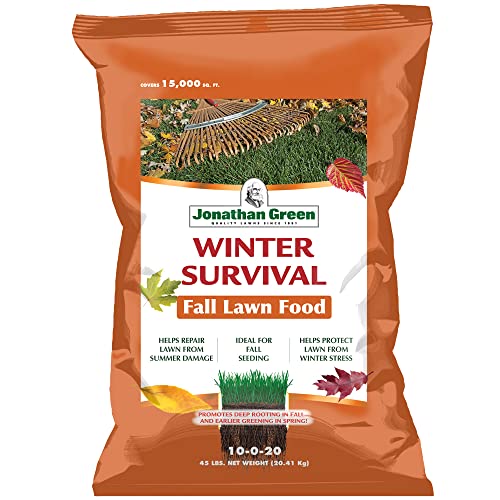
Jonathan Green Winter Survival Fall Lawn Food 10-0-20 15,000 Sq. Ft.
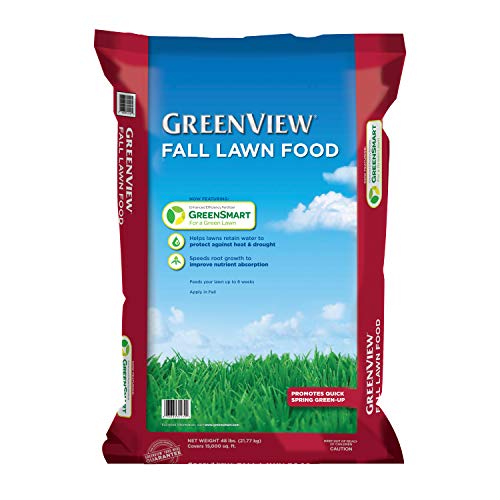
GreenView Fall Lawn Food 48 lb. Bag 15,000 sq. ft. 20-0-10

GreenView Fall Lawn Food 16 lb Bag 5,000 Sq. Ft. 22-0-10

7-0-20 Summer Lawn and Turf Stress Granular Fertilizer Blend with Bio-Nite 45lb Bag

GS Plant Foods Green Envy Liquid Lawn Food 1 Gallon

Scotts Liquid Green Max Lawn Food 32 oz.
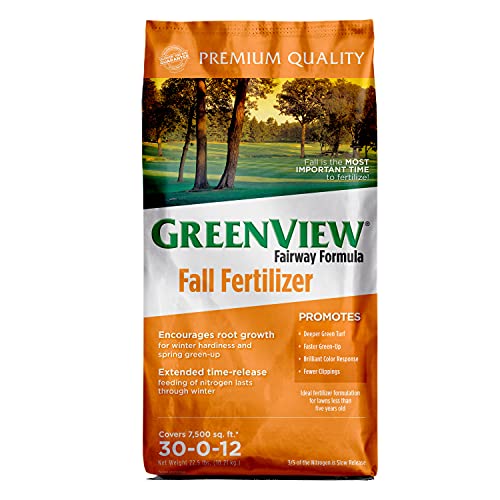
GreenView Fairway Formula Fall Lawn Fertilizer 22.5 lb. Bag 59% slow-release nitrogen
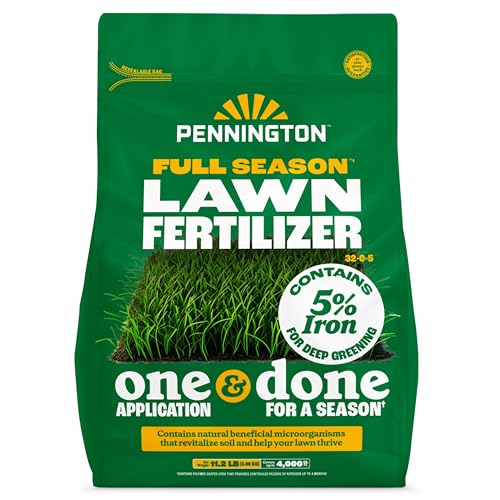
Pennington Full Season Lawn Fertilizer 4M 32-0-5 RF 3/11.2Lb
More Details On Our Top Picks
Jonathan Green’s 10-0-20 formula leans hard into late-season grass care, which makes sense for yards that need more root support than leafy rush. The 15,000 sq. ft. coverage also gives you room to treat a broad front yard or a full suburban lawn without juggling multiple bags.
The trade-off is that this kind of fall-focused blend is less about a quick green flash and more about setting the lawn up for colder weather. For most homes with cool-season grass, that’s a smart trade, especially when you want one granular product to carry you into winter.
Strong Points
- 10-0-20 analysis puts the emphasis on potassium, which supports late-season lawn conditioning.
- Large coverage suits bigger yards and cuts down on repeat trips to the shed.
- Granular format spreads well with a broadcast or drop spreader.
- Works as a sensible fall feed for homeowners who want a simple seasonal routine.
Things To Consider
- It is geared more toward fall prep than fast cosmetic greening.
- Granules mean you still need to calibrate your spreader and clean it afterward.
- Large coverage can be more than you need for a small lot.
Feature Snapshot
Who It Suits Best
You’ll get the most from this pick on a medium to large lawn where fall feeding is part of a regular yard routine.
A Better Fit Elsewhere
GreenView Fairway Formula Fall Lawn Fertilizer suits you better when slow-release feeding matters more than the broader potassium-forward profile of Jonathan Green Winter Survival Fall Lawn Food 10-0-20 15,000 Sq. Ft..
This GreenView bag sits in a very practical middle ground: enough coverage for a large yard, but still straightforward enough for a weekend application. The 20-0-10 formula points toward fall feeding with a bit more nitrogen than the Jonathan Green option, so the lawn gets a stronger push before cold weather settles in.
You may find the 48 lb. bag a little bulky to carry, yet that size makes sense for anyone who would rather buy once and cover the whole property. The eight-week feeding claim also fits the way many homeowners want autumn fertilizer to work, quietly in the background instead of demanding constant re-application.
What We Like
- 20-0-10 analysis gives it a classic fall-feed profile.
- 15,000 sq. ft. coverage works well for larger yards.
- Eight-week feeding window supports a lower-maintenance routine.
- Granular application fits standard spreaders used in home lawns.
- Good choice for people who want a predictable seasonal pattern.
Minor Gripes
- The 48 lb. bag can be cumbersome to move and store.
- Granular fertilizer takes a little more setup than a spray bottle.
Details At A Glance
Made For
You’ll appreciate this one most for a full-yard fall feeding plan where coverage and consistency matter more than compact packaging.
Where A Sibling Pick Shines
Jonathan Green Winter Survival Fall Lawn Food 10-0-20 15,000 Sq. Ft. makes more sense for you when potassium-forward fall support matters more than GreenView Fall Lawn Food 48 lb. Bag 15,000 sq. ft. 20-0-10.
This smaller GreenView bag is the most natural fit for compact lawns, townhouse strips, and any property that doesn’t need a giant sack sitting in the garage. The 22-0-10 analysis gives it a slightly stronger nitrogen edge than Item 2, which can matter when your grass needs fall recovery without overcomplicating the schedule.
For homeowners who dislike storing bulky bags, this one feels easy to live with, though the trade-off is obvious coverage. It covers 5,000 sq. ft., so it suits smaller yards or a targeted patch rather than a full-property feeding plan.
Highlights
- Smaller bag is easier to lift, store, and carry.
- 22-0-10 ratio offers a solid fall feeding profile.
- 5,000 sq. ft. coverage works well for modest lawns.
- Granular format keeps application familiar for most spreaders.
Points To Note
- Coverage is limited compared with the larger bags in this roundup.
- It still needs spreader setup and cleanup after use.
- For very large yards, you would need more than one bag.
Core Details
Right Fit For
You should look at this one for a compact lawn, a townhome strip, or a lighter storage load in the shed.
Another Choice May Suit
GreenView Fall Lawn Food 48 lb. Bag 15,000 sq. ft. 20-0-10 suits you better when your lawn is large enough to justify the bigger bag and broader coverage.
Yard Mastery takes a different angle than the fall-only blends above, and that matters if your lawn has been stressed by heat, traffic, or a rough season. The 7-0-20 analysis leans on potash, the common lawn-care term for potassium, while the added iron can help the grass look fuller and deeper green in everyday use.
That wider seasonal flexibility is the main appeal, since the formula is described as safe for all lawns and usable all year. The honest read is that it’s a broader-care product than a pure winter prep bag, so you’ll like it more for an actively managed yard than a hands-off routine.
Upsides
- Potassium-forward ratio supports stressed turf well.
- Contains iron, which many homeowners want for a richer-looking lawn.
- Bio-Nite adds a distinct feed profile for ongoing lawn care.
- Two coverage options make it easier to match yard size.
- All-year positioning gives it more flexibility than a strict fall-only pick.
Small Caveats
- It is broader in purpose than the more fall-specific entries here.
- The 45 lb. bag can be awkward to move and pour.
- Granular application still means spreader cleanup afterward.
Technical Sheet
Whose Shelf It Belongs On
This fits a homeowner who wants a single granular product for stressed turf and doesn’t need a pure winter-only formula.
Swap It Out When
GreenView Fairway Formula Fall Lawn Fertilizer 22.5 lb. Bag suits you better when slow-release feeding and a tighter fall focus matter more than Yard Mastery 7-0-20 Summer Lawn and Turf Stress Granular Fertilizer Blend with Bio-Nite 45lb Bag.
Liquid fertilizer changes the pace of lawn care, and Green Envy is the most straightforward example in this list. Rather than spreading granules, you mix and apply a liquid feed, which can feel easier in a busy backyard where you want less mess and less bag handling.
The organic-growing suitability is a useful detail for households aiming for a gentler feeding routine, though the product page does not turn it into a catch-all solution. You may find it best when you want a fall and winter prep step that slots into a spray routine instead of a spreader routine.
Best Bits
- Liquid format keeps application quick and simple.
- One-gallon size works well for repeated routine use.
- Good fit for homeowners who prefer spraying over spreading.
- Suitable for organic-growing plans, according to the listing.
Areas To Watch
- Liquid feeding usually needs more frequent handling than granular bags.
- Storage matters, since liquids take shelf space and need a secure cap.
- Coverage details are not provided in the source data.
Feature Card
Built With In Mind
This is a strong match for you if you prefer liquid lawn care and want a product that feels less bulky than a bag of granules.
Look Elsewhere When
Scotts Liquid Green Max Lawn Food 32 oz. makes more sense for you when a smaller bottle and a two-in-one liquid approach matter more than GS Plant Foods Green Envy Liquid Lawn Food 1 Gallon.
Scotts keeps the liquid format even simpler here, because you are dealing with a 2-in-1 fertilizer and iron supplement in a 32 oz. bottle. That makes it useful for a homeowner who wants to feed grass and add iron in one step, especially on any grass type that already responds well to liquid treatment.
Compared with Green Envy’s larger jug, this one feels more compact and less intimidating to store. The trade-off is that smaller bottles can run out sooner, so it makes the most sense for spot feeding, routine touch-ups, or a yard that doesn’t need a heavy seasonal program.
Positives
- Two-in-one format combines fertilizer and iron.
- Small 32 oz. bottle is easy to store.
- Works on any grass type, according to the listing.
- Liquid application suits quick yard upkeep.
Worth Noting
- Smaller bottle means less product on hand for larger lawns.
- Liquid use is convenient, but it still asks for careful mixing or application steps.
Core Details
Who Should Grab It
This suits you best for smaller-scale liquid feeding, especially when storage space is tight and you want a simple routine.
Another Choice May Suit
GS Plant Foods Green Envy Liquid Lawn Food 1 Gallon fits better for homeowners who want a larger liquid container and a more seasonal prep focus than Scotts Liquid Green Max Lawn Food 32 oz.
This GreenView formula is built around slow-release nitrogen, which is the detail that separates it from the more immediate-feeding options above. Slow-release means the nitrogen becomes available over time, so the lawn gets a steadier feed rather than a quick surge that fades too soon.
The no-phosphate note matters in a practical way for homeowners who already know their soil does not need that ingredient. You may like it most when you want a granular fall fertilizer that leans into patience, though it won’t suit everyone who wants a faster visual change.
Bright Spots
- 59% slow-release nitrogen supports steadier feeding.
- No phosphate listed, which may suit targeted lawn programs.
- 22.5 lb. bag is easier to handle than the biggest bags here.
- Good choice for a measured fall fertilizer routine.
Room For Improvement
- Slow-release feeding is calmer, not instant.
- No phosphate can be a limitation for yards that need a different nutrient mix.
- Still a granular product, so spreader cleanup remains part of the job.
Spec Overview
The Right Fit
This is a good match for homeowners who want slow-release granular feeding and a fall routine that feels controlled rather than aggressive.
Where A Sibling Pick Shines
GreenView Fall Lawn Food 48 lb. Bag 15,000 sq. ft. 20-0-10 fits better for you when broad coverage matters more than the slower, more measured feel of GreenView Fairway Formula Fall Lawn Fertilizer 22.5 lb. Bag 59% slow-release nitrogen.
Pennington takes a season-spanning approach that suits homeowners who want fewer feeding decisions spread across the year. The 32-0-5 analysis keeps nitrogen at the center, while the 4M slow-release note suggests a steadier feed pattern that is easier to live with than a fast-acting burst.
That long-view design is handy in a yard where lawn care happens on a schedule, not a whim. The bag size is modest enough to manage without much storage drama, but the trade-off is that this style of fertilizer makes the most sense for structured upkeep rather than a quick fall-only tune-up.
Reasons To Buy
- Season-long positioning reduces the need for frequent product changes.
- 32-0-5 analysis keeps the formula firmly centered on growth support.
- Slow-release approach suits a measured feeding routine.
- 11.2 lb. size is easier to store than oversized bags.
Honest Caveats
- It is more of a full-season plan than a pure winter prep option.
- Smaller bag size may not go far on a large property.
- Granular use still brings the usual spreader cleanup step.
Key Specs
Whose Shelf It Belongs On
This belongs with you if you prefer a structured, season-long feeding plan and want a compact bag that stays easy to manage.
Reach For A Different Pick When
Jonathan Green Winter Survival Fall Lawn Food 10-0-20 15,000 Sq. Ft. fits better for you when winter prep is the main goal and a fall-specific granular feed makes more sense than Pennington Full Season Lawn Fertilizer 4M 32-0-5 RF 3/11.2Lb.
How To Choose The Right Lawn Fertilizers For Winter
Match The Formula To The Season
Winter lawn fertilizer choices usually come down to nutrient balance, especially the relationship between nitrogen, phosphorus, and potassium. Nitrogen supports growth and color, potassium helps the lawn deal with seasonal stress, and phosphorus is often absent in these listings because the focus stays on late-season maintenance rather than root-building claims.
For a fall feeding routine, potassium-forward blends make sense for lawns that need to harden up before cold weather. Nitrogen-heavy formulas fit a yard that still needs visible greening, though that can be more useful in early fall than deep winter.
Pick Granular Or Liquid Based On Your Routine
Granular fertilizer works well for homeowners who already own a spreader and want wide, even coverage with less mixing. It usually takes more setup, but the payoff is a cleaner routine for larger yards and repeat seasonal use.
Liquid fertilizer fits people who prefer spraying and want less bag handling. It’s a little more dependent on careful application and storage, so it tends to suit smaller lawns or homeowners who enjoy quick touch-up work.
Coverage And Storage Matter More Than People Expect
A 15,000 sq. ft. bag can be the smarter choice for a full property, while a 5,000 sq. ft. bag is easier to store and move. That difference sounds obvious, but it changes how often you buy, where you keep it, and whether you end up with leftovers.
Heavy bags are efficient for large lawns, yet they can be awkward in a cramped garage. Smaller packages, like compact liquid bottles or lighter bags, are simpler to handle but usually make more sense for modest yards or spot treatments.
Think About Feeding Window And Lawn Type
Slow-release nitrogen gives you a steadier feeding window, which helps when you want the lawn to receive nutrition gradually rather than all at once. That kind of formula fits homeowners who prefer a calmer maintenance schedule and fewer repeat applications.
Grass type still matters, too. A product labeled for any grass type is easier for mixed neighborhoods and standard home lawns, while more targeted fall blends are usually a better fit for cool-season turf that benefits from pre-winter support.
What To Weigh Before You Commit
Common Shopping Slip Ups
One common mistake is choosing by bag size alone and ignoring the nutrient ratio. A large bag can still be the wrong match for your lawn if the formula doesn’t fit the season or the grass type.
Another easy miss is forgetting the equipment you already own. Granular products need a spreader, while liquids need a sprayer or mixing routine, and that practical detail often matters more than the label language.
The Case For Spending Up
Higher-tier products in this category usually cost more because of slower-release ingredients, added iron, or more precise nutrient balancing. Those extras can make the feeding pattern more controlled, which is handy for lawns that need careful seasonal management.
Spending more makes the most sense when you want a longer feeding window, better coverage, or a formula shaped for a specific yard problem. For a simple once-a-season routine, a straightforward blend is often enough.
Frequently Asked Questions
What makes a lawn fertilizer a winter option?
Winter options usually shift attention toward root support, seasonal resilience, and controlled feeding. They often lean into fall application so the lawn enters colder weather in better shape.
Should you choose liquid or granular fertilizer?
Granular works best for larger lawns and spreader-based routines, while liquid suits quicker applications and smaller spaces. Your storage space and cleanup tolerance matter just as much as the formula.
Does slow-release nitrogen matter?
Yes, because it feeds the lawn over a longer stretch instead of all at once. That usually helps if you want a steadier seasonal rhythm and fewer repeat applications.
How much coverage should you look for?
Choose coverage based on the actual yard size, then leave a little margin for overlap. A 5,000 sq. ft. bag is easier to manage for compact lawns, while a 15,000 sq. ft. bag fits fuller properties.
Can one fertilizer work for any grass type?
Some listings say they suit any grass type, which makes selection easier for mixed or standard home lawns. Still, a formula matched to your turf and season usually gives you a more sensible fit.
