

Fall feeding can feel simple until you stand in the aisle and realize every bag speaks a different language. Some lawn fertilizers lean toward root support, some push color, and others suit specific grass types or larger yards. This roundup helps you match the label to your soil, your grass, and how much time you want to spend spreading or spraying.
The seven picks below cover warm-season turf, liquid concentrates, broad coverage bags, and a few slower-release options that fit a steady seasonal routine. You’ll see where each one fits best, plus the trade-offs that matter once it’s in your shed.
Quick Look At The Shortlist

Fertilome (13767) Centipede Lawn Fertilizer 15-0-15, 16 lbs

PetraMax Neighbor’s Envy Grass Fertilizer, 1 Gallon
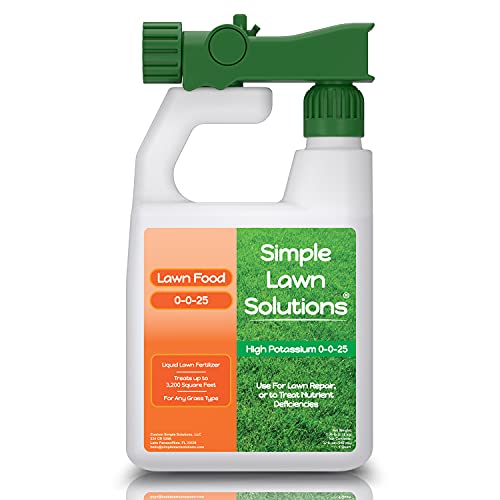
Simple Lawn Solutions High Potassium Lawn Food 0-0-25, 32 Ounce

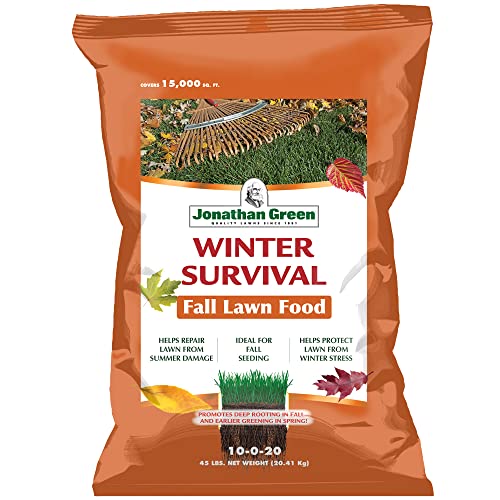
Jonathan Green (12414) Winter Survival Fall Lawn Food
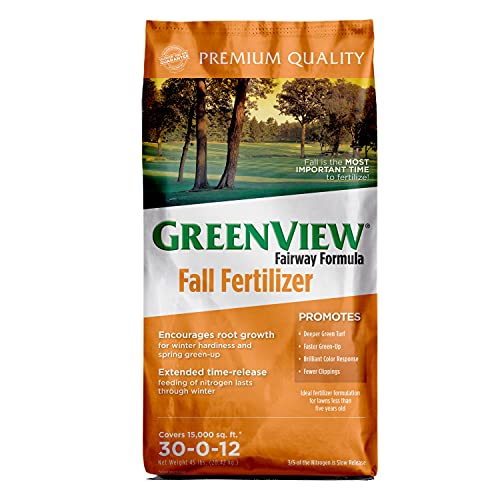
GreenView Fairway Formula Fall Lawn Fertilizer, 45 lb. Bag
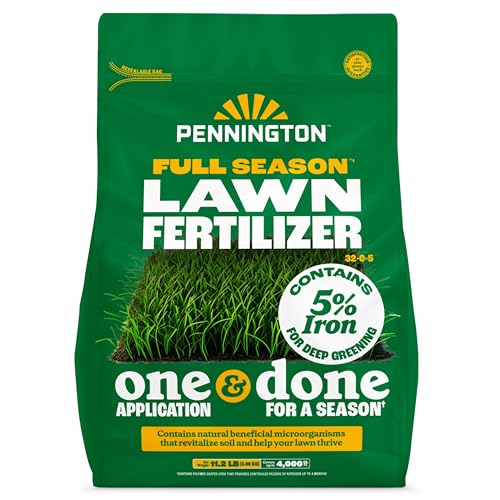
Pennington Full Season Lawn Fertilizer 4M 32-0-5 RF 3/11.2Lb
This one speaks directly to warm-season turf, especially centipede and St. Augustine lawns that need a gentler fall routine. The 15-0-15 analysis means the bag supplies nitrogen and potassium in equal measure, while the added iron matters for color without leaning on a harsh push.
That balance makes it a sensible fit for yards where you want steadier recovery, not a fast, flashy surge. The trade-off is focus, because a formula this specific is less flexible than the broader picks later in the list, but that’s also why it feels well matched for the right lawn.
What We Like
- Made for centipede and St. Augustine lawns, so you get a tighter match than with general-purpose bags.
- Slow-release nitrogen supports more even feeding across the season, which helps reduce the stop-start look some lawns get after a quick dose.
- Iron adds another route to richer color, useful for yards that look a little washed out in cooler weather.
- The 16-pound size stays manageable for storage in a garage shelf or garden cabinet.
Points To Note
- It is purpose-built, so lawns outside the warm-season group may be better served by a broader formula.
- Bag coverage is shaped by your spreader settings and yard density, so the exact runout takes a little planning.
Feature Snapshot
Who It Suits Best
Yards with centipede or St. Augustine grass benefit most, especially when you want a fall feed that stays within those turf needs.
Where A Sibling Pick Shines
GreenView Fall Lawn Food, 16 lb Bag is the better lane for someone with mixed grass needs who wants a broader fall formula.
Liquid fertilizer changes the rhythm of lawn care, and this PetraMax concentrate is built for people who like that faster, sprayer-based style. With nitrogen, iron, humic material, and sea kelp in the mix, it offers a broader feeding profile than the simpler granular picks above.
The draw here is range and reach, since one gallon covers a very large area on paper and the spray format suits busy yards or mixed garden spaces. The trade-off is prep, because liquid products ask more from your sprayer and mixing routine than a bag you can broadcast and walk away from.
Highlights
- Seven-part formula gives you a more layered feeding approach than a basic one- or two-ingredient blend.
- Liquid concentrate spreads easily through a hose-end or tank sprayer, which helps in yards with uneven access.
- Coverage up to 16,000 square feet makes it a strong fit for larger properties that need one container to go a long way.
- Pet-safe positioning will matter to households that plan lawn care around outdoor time with animals nearby.
Room For Improvement
- You need spraying gear and a little mixing discipline, so this is less plug-and-play than a granular bag.
- Liquid feeding can take more careful storage, since concentrates are easier to tip or spill than a sealed bag.
Core Details
Who Should Grab It
Homeowners with a large lawn and a sprayer setup get the most from this concentrate, especially when they want a liquid routine instead of granules.
Another Choice May Suit
GreenView Fall Lawn Food, 16 lb Bag is the easier path for someone who wants a straightforward spread-and-go routine.
Potassium-heavy formulas matter most when your turf needs support for hardiness rather than a big nitrogen push, and that’s the lane this spray fills. The 0-0-25 analysis means no nitrogen or phosphorus, just a strong potassium tilt that can suit summer-to-fall transitions on many grass types.
That narrow focus helps you avoid overfeeding leaf growth late in the season, which is useful for homeowners who already have enough green top growth. The trade-off is obvious, though, because this is not the all-around feed to choose for a thin lawn that still needs a broader recovery plan.
Strengths
- Potassium-forward feeding fits turf that needs sturdier structure heading into cooler weather.
- Concentrated liquid format mixes into a spray routine, which can feel easier than hauling a large bag through the yard.
- Works across grass types, so it has wider use than the centipede-focused Fertilome above.
- The 32-ounce bottle is compact, which helps in sheds where storage space is tight.
Small Caveats
- It is a specialty formula, so it’s not the right answer for every stage of lawn recovery.
- You’ll need spray gear and a measured mixing routine for clean application.
- Because it is liquid, long-term storage is a little less forgiving than a dry bag.
Details At A Glance
Best Suited To
Lawns that need potassium support without extra nitrogen are the best match, especially where you want a cleaner seasonal handoff.
Look Elsewhere When
Jonathan Green (12414) Winter Survival Fall Lawn Food fits better for a homeowner who wants a granular option with broader fall feeding.
This bag leans into the classic fall-fertilizer job, feeding turf while helping roots stay in a better place for colder weather. The 22-0-10 analysis signals a fairly nitrogen-forward mix with potassium support, which suits lawns that still need some active growth before dormancy.
Its 5,000-square-foot coverage puts it in the sweet spot for many suburban yards, and the 16-pound bag is easy enough to handle without feeling cumbersome. The honest read is that it’s not the broadest coverage option here, but it does make sense for smaller lawns that want a straightforward seasonal bag.
Upsides
- Clear fall focus makes it easy to understand what this bag is meant to do.
- Feeds up to 8 weeks, which suits homeowners who want fewer midseason resets.
- Compact bag size is manageable for carrying from shed to spreader.
- GreenView’s formula sits in a practical middle ground between the more specialized Fertilome and the larger-scale GreenView Fairway bag.
Worth Noting
- Coverage reaches 5,000 square feet, so larger properties will need more than one bag.
- The formula is built around fall use, so it is less of a year-round all-purpose option.
Core Details
Right Fit For
Small to mid-size yards that need a direct fall feed will get the most value here, especially in neighborhoods where storage space is tight.
Swap It Out When
GreenView Fairway Formula Fall Lawn Fertilizer is the better call for a much larger property that needs one bag to cover more ground.
Jonathan Green takes a more winter-prep angle than the smaller GreenView bag, and that matters for yards that want a stronger seasonal handoff. The 10-0-20 analysis keeps nitrogen in the mix without going too heavy, while the larger coverage range suits homeowners with more lawn to treat.
That makes it a good middle-ground bag for people who want coverage without jumping all the way to a 45-pound sack. You may find it especially comfortable for a typical suburban lawn where you want one application to cover plenty of ground without too much leftover storage.
Bright Spots
- Winter survival positioning gives the formula a clear seasonal purpose.
- 15,000-square-foot coverage works well for broad properties.
- The 10-0-20 ratio keeps the formula centered on fall lawn needs rather than aggressive leaf growth.
- It fills the gap between the compact GreenView bag and the heavier-duty 45-pound option.
Areas To Watch
- The larger coverage can make the bag feel like more product than a small yard needs.
- Heavy bags take a little more effort to carry and store than compact options.
Technical Sheet
The Right Fit
This suits homeowners with broader lawns who want a straightforward seasonal fertilizer and prefer a single bag over multiple smaller purchases.
Where A Sibling Pick Shines
Simple Lawn Solutions High Potassium Lawn Food 0-0-25 fits better for someone whose lawn needs a potassium-led liquid approach instead of granules.
Some lawns need more material, not more complexity, and this 45-pound GreenView bag fits that brief. Its 15,000-square-foot coverage makes it easy to think in terms of one large property, or one significant treatment across the season without juggling multiple small bags.
That scale is the attraction, especially for households with broad turf, a long driveway border, or a lot of open ground to feed. The trade-off is physical handling, because a bag this size asks for more storage space and a little more care lifting and pouring.
Reasons To Buy
- Large-bag format is practical for bigger lawns that would otherwise need several smaller containers.
- Coverage at 15,000 square feet keeps the planning simple for wide spaces.
- The Fairway Formula branding points to a lawn-care style that suits steady, broad seasonal feeding.
- One bag can cover a lot of ground, which cuts down on repeat trips to the storage shelf.
Honest Caveats
- Forty-five pounds is hefty, so moving it around takes more effort than a 16-pound bag.
- Smaller lawns may end up with more product than they need for a single season.
Feature Rundown
Who Will Love This
Large-yard homeowners who want one substantial bag for fall feeding are the best match here.
Skip It When
GreenView Fall Lawn Food, 16 lb Bag is the easier choice for a smaller lawn and simpler storage.
Pennington leans into convenience in a way the rest of the list only hints at, because the slow-release approach is built for a calmer feeding rhythm. The 32-0-5 analysis gives you a strong nitrogen lead with potassium support, and the one-application-per-season positioning will appeal to homeowners who prefer fewer lawn-care chores.
That makes it a solid fit for busy schedules or large yards where repeating applications feels like too much. The flip side is that a long-interval formula asks you to be comfortable with one broader seasonal plan, so it suits people who want simplicity over frequent tweaking.
Best Bits
- Slow-release feeding helps spread out the nutrient delivery rather than front-loading it all at once.
- One seasonal application keeps lawn care routine-light for busy households.
- The 4M designation and 11.2-pound bag give it a compact shape for storage.
- 32-0-5 analysis offers a strong nitrogen base with potassium support, which is a different feel from the potassium-only Simple Lawn Solutions spray.
Minor Gripes
- The one-application style asks you to be comfortable with a less hands-on routine.
- Compact bag size means coverage planning matters more than with the larger GreenView 45-pound option.
Key Specs
Built With In Mind
Homeowners who want a simpler seasonal routine and less repeat application work are the best match for this Pennington bag.
Another Choice May Suit
Jonathan Green (12414) Winter Survival Fall Lawn Food is the better fit for someone who wants a broader large-lawn bag instead of a single-season style feed.
How To Choose The Right Lawn Fertilizers For Fall
Match The Formula To Your Grass
Grass type matters more than many people expect. Centipede and St. Augustine usually call for a more targeted product, while mixed or general lawns can live comfortably with broader fall formulas.
That’s why the Fertilome pick feels so specific, and why GreenView Fall Lawn Food works for a wider group. A tailored formula helps you avoid forcing the wrong nutrient mix onto turf that does not want it.
Decide Between Granules And Liquid
Granular fertilizer usually means simpler handling, a spreader, and less mixing. Liquid concentrate asks for a sprayer and a little more prep, but it can suit patchy yards or homeowners who like quicker application.
PetraMax and Simple Lawn Solutions sit on that liquid side, while the GreenView bags stay in the more familiar broadcast lane. Your routine matters here as much as the label on the front of the bag.
Read The Analysis For The Season
The three numbers in an N-P-K analysis show nitrogen, phosphorus, and potassium. Nitrogen supports growth and color, phosphorus helps root development, and potassium is tied to plant strength and seasonal hardiness.
Fall formulas often lean toward more potassium or a steadier nitrogen balance, because that fits the end-of-season job better than a heavy spring-style push. That is the whole reason the 0-0-25 spray and the 10-0-20 bag each serve a different sort of lawn.
Think About Coverage, Storage, And Effort
A 45-pound bag makes sense for a broad yard, but it can be awkward in a tight garage. A 16-ounce or 32-ounce liquid bottle is easier to store, though it asks for spray equipment and more careful mixing.
The easiest purchase is not always the best fit, and the right one usually matches your yard size, your storage space, and how often you want to feed. For a lot of homes, that practical balance matters more than chasing the biggest number on the label.
What To Weigh Before You Commit
Mistakes Worth Dodging
One common mistake is choosing a lawn fertilizer by bag size alone. A large yard can justify the 45-pound GreenView bag, but a smaller lawn may only need the 16-pound option or even a liquid bottle.
Another slip-up is ignoring grass type. Centipede, St. Augustine, and general turf do not always want the same balance, so a targeted formula can save you from feeding the wrong way.
What The Higher Tier Buys
More expensive options in this category usually give you stronger coverage, slower release, or a richer ingredient mix. That can mean fewer applications, better fit for larger properties, or a more specialized formula for a tricky lawn.
The upgrade makes sense when you want to spend less time reapplying or you need a product shaped around a specific turf type. It’s less useful when your lawn is small and a simpler bag already covers the job.
Frequently Asked Questions
What Makes A Fall Lawn Fertilizer Different From Spring Food?
Fall formulas usually focus more on seasonal recovery and root support than a fast burst of top growth. That makes them better matched to cooler weather and prep for the months ahead.
Should You Use Liquid Or Granular Fertilizer In Fall?
Liquid works well for quick spraying and broad coverage with the right gear. Granular is easier for many households because it usually needs less setup.
What Does N-P-K Mean On The Bag?
N-P-K is the ratio of nitrogen, phosphorus, and potassium. The numbers help you see whether the formula leans toward growth, root support, or seasonal strength.
How Do You Choose The Right Coverage Size?
Measure the lawn space you plan to treat and compare it with the product’s stated coverage. A bag that is too small creates extra work, while one that is too large can be hard to store.
Can One Fall Fertilizer Work For Any Grass Type?
Some formulas are broad enough for many turf types, and others are tailored to specific grasses. Centipede and St. Augustine often benefit from a more targeted pick than a general-purpose option.
