

Bermuda grass responds well to the right feeding plan, but the wrong formula can push fast top growth without the dense look you want. You need a fertilizer that matches your mowing habits, soil needs, and how much time you want to spend reapplying.
This roundup focuses on eight lawn fertilizers that suit Bermuda in different ways, from granular slow release bags to liquid options for quicker color. The comparison below helps you match the form, nutrient balance, and coverage to your yard instead of guessing from a label alone.
The Shortlist At A Glance

The Andersons PGF 16-0-8 40lb Bag

PetraMax Neighbor’s Envy Grass Fertilizer 1 Gallon

Yard Mastery 24-0-6 Flagship Granular Lawn Fertilizer 45 lb Bag

GreenView Fairway Formula Lawn Fertilizer 33 lb. Bag

Scotts Liquid Green Max Lawn Food 32 oz.
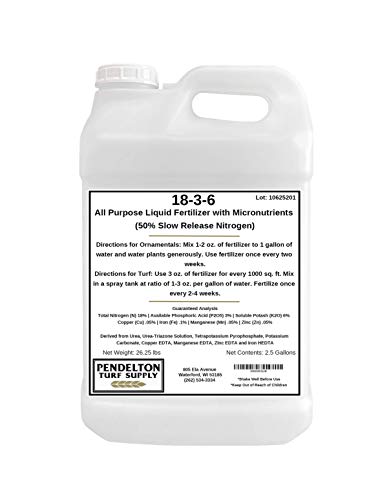
Pendelton Turf Supply 18-3-6 Liquid Fertilizer 2.5 Gallons
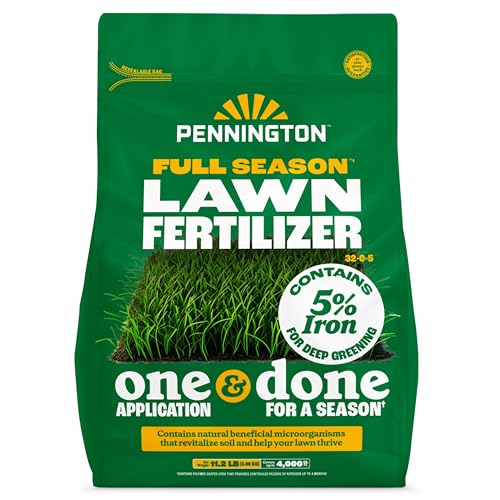
Pennington Full Season Lawn Fertilizer 4M 32-0-5 RF 3/11.2Lb
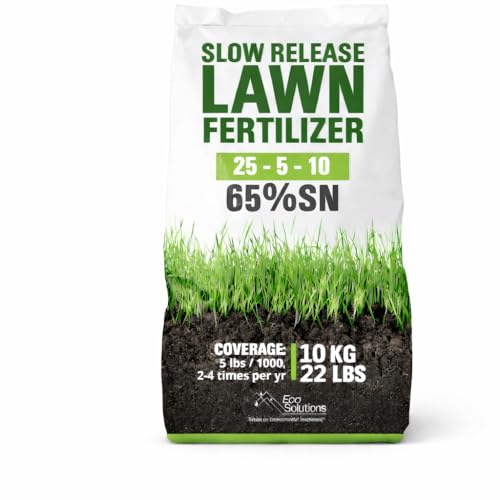
Eco Solutions Slow Release Lawn Fertilizer 25-5-10 10kg
More Details On Our Top Picks
Granular feeding makes sense for Bermuda lawns that get mowed often and need even coverage, and this bag leans into that routine nicely. The 16-0-8 ratio puts the focus on nitrogen and potassium, while humic DG adds a soil-conditioning angle that may suit yards with tired ground or uneven color.
You benefit most here with a larger yard and a spreader in the shed, because the 40 lb bag and 10,000 sq ft coverage are geared toward regular lawn care rather than touch-up work. The honest trade-off is that granular feeding asks for a little more setup than a spray bottle, but it also gives you a calmer, steadier pace than a quick liquid fix.
Strong Points
- Granules spread evenly, which helps keep Bermuda coverage consistent across open stretches.
- The 16-0-8 analysis supports green growth without leaning on a heavy phosphorus load.
- Humic DG adds a soil-focused layer that fits yards needing a little more structure in the feeding plan.
- The 10,000 sq ft coverage helps you map the bag to a substantial lawn without constant restocking.
Things To Consider
- You need a broadcast spreader or similar tool, so the setup is less casual than a liquid option.
- Granular fertilizer works more slowly than a spray, which may feel less immediate for color correction.
- Bag handling and storage take more room than smaller liquid containers.
Feature Snapshot
Who It Suits Best
You have a medium or large Bermuda lawn and prefer a granular routine with a steady feel.
A Better Fit Elsewhere
Yard Mastery 24-0-6 Flagship Granular Lawn Fertilizer 45 lb Bag suits you better when you want a stronger nitrogen push and added iron in the same pass.
Liquid fertilizer fits Bermuda owners who want quicker visual feedback and less equipment fuss, and this one brings a lot into a single jug. Nitrogen, iron, humic ingredients, and sea kelp give it a broad profile, so it reads like a multi-use feeding option for lawns that need color and general support.
Coverage up to 16,000 sq ft makes it appealing for bigger properties, though exact results still depend on your sprayer setup and how evenly you apply it. Compared with The Andersons granular bag, this PetraMax option is simpler to mix and spray, but it also asks you to pay more attention to application habits.
What We Like
- The liquid format helps you cover turf without hauling a heavy spreader around.
- Iron in the mix supports the deep green look many Bermuda lawns aim for.
- Humic and sea kelp add a broader feeding profile than a basic single-ingredient liquid.
- The 1 gallon size gives you a concentrated setup for larger areas.
Points To Note
- You need to mix and apply it with care, so spraying takes more attention than granules.
- Liquid feeding can mean more frequent planning around weather and watering habits.
- The bottle format is handy, but storage still matters because you’re keeping a liquid concentrate on hand.
Core Details
Who Should Grab It
You want a liquid routine for a large Bermuda lawn and prefer a faster, more flexible feeding step.
Swap It Out When
GreenView Fairway Formula Lawn Fertilizer 33 lb. Bag suits you better when you want a slower granular schedule and less sprayer cleanup.
This one pushes harder on nitrogen than The Andersons bag, so it fits Bermuda lawns that already have decent structure and need stronger color and growth support. The 3% iron and Bio-Nite ingredient make it feel more layered, and the 24-0-6 ratio points clearly toward turf vigor rather than a broad all-purpose formula.
For a homeowner keeping a yard trimmed and presentable through the growing season, the 45 lb bag and 15,000 sq ft coverage reduce how often you have to restock. The trade-off is that this is a more assertive formula, so a careful application plan matters, especially on lawns that already grow fast.
Upsides
- High nitrogen content supports strong top growth and a fuller turf look.
- Added iron helps many Bermuda lawns take on a richer green tone.
- Bio-Nite broadens the feeding profile beyond a plain NPK blend.
- The larger coverage suits yards that need a dependable seasonal workhorse.
- Granular format makes it easier to pair with regular mowing and spreader routines.
Areas To Watch
- The stronger formula asks for a steadier hand so you do not overdo growth.
- Like most granular fertilizers, cleanup and storage take more space than a liquid bottle.
- Busy schedules may find the spreader step less convenient than spray-on choices.
Details At A Glance
Right Fit For
You manage a large Bermuda lawn and want a strong granular formula with iron in the mix.
Another Choice May Suit
Scotts Liquid Green Max Lawn Food 32 oz. works better for smaller touch-ups and quicker color support without hauling a big bag.
GreenView takes a slow-and-steady route, which suits Bermuda lawns that you want to keep presentable without constant reapplication. The 30-0-12 ratio puts nitrogen up front, and the promised 12-week feeding window makes the bag feel more like a schedule helper than a quick color spray.
That kind of pacing works especially well for homeowners with a regular mowing routine and a preference for fewer interruptions. Compared with Yard Mastery’s more aggressive 24-0-6 profile, this one is the calmer option, though that also means it may feel less dramatic right away.
Bright Spots
- Slow release nitrogen supports more even feeding over time.
- The 12-week window fits a lower-maintenance lawn routine.
- 33 lb is a manageable bag size for storage and handling.
- The 10,000 sq ft coverage works for many suburban Bermuda lawns.
Softer Spots
- Results are less immediate than a liquid fertilizer, so patience matters.
- Smaller or irregular lawns may not need this much bagged coverage.
- You still need a spreader, which adds one more tool to the job.
Spec Overview
Made For
You want a less fussy granular fertilizer for an average-sized Bermuda lawn.
Where A Sibling Pick Shines
The Andersons PGF 16-0-8 40lb Bag is a better fit for you when you want a more soil-focused granular option with humic material in the mix.
Liquid lawn food like this makes sense for Bermuda that needs a fast visual lift without committing to a full bag-and-spreader routine. The iron supplement angle is the real draw, since that can complement nitrogen feeding and help the turf look richer in color.
For small yards, patch work, or in-between maintenance, the 32 oz bottle is easy to store and easy to reach for. The trade-off is simple, though, because a compact liquid bottle usually suits touch-up work better than season-long feeding plans.
Highlights
- The small bottle is easy to keep on a shelf or in a garage cabinet.
- Liquid application helps you move quickly across a lawn area.
- The fertilizer and iron pairing is handy for color-focused upkeep.
- It works on any grass type, which adds flexibility around mixed yards.
Room For Improvement
- Shorter reach makes it better for touch-ups than for a sprawling yard.
- You need to pay attention to coverage so liquid application stays even.
- For larger Bermuda lawns, the bottle size can feel more like a helper than a full plan.
Feature Card
The Right Fit
You want a small, fast-use liquid for color touch-ups on a Bermuda lawn.
Look Elsewhere When
Pennington Full Season Lawn Fertilizer 4M 32-0-5 RF 3/11.2Lb fits better for a steadier seasonal routine with less repeated mixing.
Some Bermuda lawns need a liquid option that feels more substantial than a small bottle, and this 2.5 gallon format fits that role. The 18-3-6 analysis, paired with 50% SRN, which means slow release nitrogen, gives you a balanced feed profile with a longer tail than a purely quick-hit spray.
Micronutrients round it out, so the product makes sense for homeowners who already own a sprayer and want a larger liquid supply on hand. Compared with Scotts Liquid Green Max, this is the more serious-yard option, though it also asks for more mixing space and a firmer application routine.
Best Bits
- The 2.5 gallon size suits ongoing lawn care rather than one-off touch-ups.
- 50% slow release nitrogen helps stretch feeding beyond a short burst.
- Micronutrients add breadth to the formula without changing the application style.
- Liquid form works well with hose-end or tank sprayers, depending on your setup.
Minor Gripes
- Bulk liquid takes more storage space than a compact bottle.
- Sprayer cleanup matters more here, so maintenance is part of the routine.
- It suits a committed lawn plan more than a quick grab-and-go use case.
Technical Sheet
Whose Shelf It Belongs On
You keep a sprayer handy and want a larger liquid feed for an active Bermuda lawn.
Reach For A Different Pick When
Yard Mastery 24-0-6 Flagship Granular Lawn Fertilizer 45 lb Bag suits you better when you want a granular path with stronger nitrogen and iron in one spread.
Pennington aims at the homeowner who wants fewer application days on the calendar, and that alone makes it feel practical for a busy Bermuda lawn. The slow release format is the main story here, since it’s built around one application per season rather than a constant refeed cycle.
That approach can be a relief for people who keep a simple yard routine and want predictable greening support without chasing weekly reminders. The trade-off is less flexibility, so the bag works best for a lawn plan you already know you’ll stick to.
Reasons To Buy
- One seasonal application keeps the maintenance rhythm simple.
- The slow release design supports steadier feeding over time.
- 32-0-5 leans toward lush growth and color support.
- The 4M coverage range suits very large lawn plans.
Worth Noting
- The single-season format gives you less room to fine-tune feeding throughout the year.
- Very large coverage means the bag may exceed what smaller lawns need.
- You still need a spreader and a storage spot for the bag itself.
Quick Facts
Built With In Mind
You want a simple seasonal fertilizer plan for a very large Bermuda yard.
Skip It When
GreenView Fairway Formula Lawn Fertilizer 33 lb. Bag is the better fit for you when you want a more gradual feeding window and a smaller bag to manage.
This is the kind of fertilizer that fits a Bermuda lawn owner who wants deep feeding without a complicated routine. The 25-5-10 ratio, 65% granular nitrogen, and deep feed window up to 110 days point to a slow-release plan that favors consistency over drama.
The 10 kg bag sits in a useful middle ground, especially for homeowners managing a yard that needs dependable upkeep without a mountain of leftover product. Compared with Pennington’s seasonal format, this one gives you more of a measured ongoing schedule, though you still have to map it carefully to your lawn size.
Plus Points
- Slow release feeding helps stretch application intervals.
- The 25-5-10 blend supports a balanced Bermuda care routine.
- 65% granular nitrogen gives the formula a strong feed focus.
- The 110-day window helps reduce how often you revisit the task.
- The 10 kg size works well for practical storage in a garage or shed.
Small Caveats
- Granular application still needs a spreader and a little planning.
- The bag may be more fertilizer than a very small yard requires.
- Longer feeding windows work best when your mowing and watering stay fairly regular.
Core Details
The Right Fit
You want a slow release granular formula for a Bermuda lawn that needs steady upkeep.
Where A Sibling Pick Shines
Scotts Liquid Green Max Lawn Food 32 oz. fits better for smaller yards or quick color support without storing a larger bag.
How To Choose The Right Lawn Fertilizers For Bermuda
Match The Form To Your Routine
Granular fertilizers suit homeowners who already use a spreader and like a slower, more controlled feeding pattern. Liquid fertilizers make more sense for quick touch-ups, smaller jobs, or yards where you want easier mixing and faster application.
Bermuda grass often looks best with consistent care, so the right form is usually the one you’ll actually use on schedule. A large bag can be efficient for a big yard, while a liquid bottle can be easier to handle for patch work.
Read NPK With Purpose
NPK stands for nitrogen, phosphorus, and potassium. For Bermuda, nitrogen usually does the heavy lifting for growth and color, while potassium supports overall turf strength and phosphorus should only be present when your soil or plan calls for it.
That’s why a 24-0-6 or 32-0-5 formula speaks to a different need than a more balanced 18-3-6 blend. The label tells you where the formula is leaning, and that matters more than a catchy product name.
Think About Coverage And Lawn Size
Coverage numbers tell you how much ground a bag or bottle can handle, and that should match your actual yard, not just the front lawn you see from the street. A 10,000 sq ft bag can be practical for suburban properties, while larger coverage makes more sense for wide-open turf areas.
Storage matters too. Heavy bags need dry space, and liquids need a shelf or cabinet that stays upright and away from clutter.
Look For A Fit With Your Schedule
Slow release formulas are useful when you want fewer application days and a calmer feeding rhythm. Faster liquid options fit a more hands-on routine, especially when you want to adjust color or coverage between bigger seasonal applications.
Your mowing cadence and watering habits matter here. Bermuda responds best to a plan that matches the rest of your yard work, not a fertilizer that fights your routine.
Things Worth Knowing First
Common Shopping Slip Ups
Many shoppers focus only on nitrogen and skip the rest of the label. That can backfire when a product’s form, coverage, or application style doesn’t match the yard.
Another easy miss is choosing a heavy bag for a tiny lawn or a small bottle for a sprawling yard. Match the package to the space, and the job gets easier fast.
The Upgrade Payoff
Higher-tier options usually cost more because they add slower release ingredients, micronutrients, or more refined liquid delivery. You’re paying for smoother feeding, less guesswork, and a better fit for repeated lawn care.
The upgrade makes sense when your Bermuda lawn is large, visible, or picky about consistency. A simpler formula still works for basic upkeep, but a more layered option gives you more control over how the turf grows.
Frequently Asked Questions
What NPK ratio usually works well for Bermuda grass?
A nitrogen-forward ratio often suits Bermuda because it supports growth and color. The right exact mix still depends on your soil and how often you feed.
Are liquid fertilizers better than granular ones for Bermuda?
Liquid formulas are easier for quick coverage and touch-ups. Granular options usually fit slower, more scheduled lawn care.
How often should you feed Bermuda grass?
That depends on the fertilizer form and the release rate listed on the package. Slow release products can stretch the interval, while liquids usually fit shorter maintenance cycles.
Do Bermuda lawns need iron in fertilizer?
Iron can support the rich green look many Bermuda lawns aim for. It helps most when the turf looks pale or you want a color-focused feeding plan.
Can you use the same fertilizer on other grass types?
Some of the liquid options here are labeled for any grass type. Granular formulas can still work broadly, but the best fit depends on your lawn’s exact needs.
