

Messy borders make a yard feel unfinished fast. The right edging keeps mulch from drifting, gives flower beds a cleaner frame, and makes mowing less annoying around curves, trees, and paths. That matters most for you if your yard has mixed materials, frequent rain, or a few stubborn spots where grass keeps creeping into beds.
This roundup focuses on styles that fit different setups, from no-dig plastic borders to steel strips and heavier interlocking sections. You’ll see which picks suit small DIY projects, which ones make sense for longer runs, and where the extra material strength is worth the trade-off.
Quick Look At Our Shortlist

Beuta Landscape Edging Polyrock Bricks 4 Packs
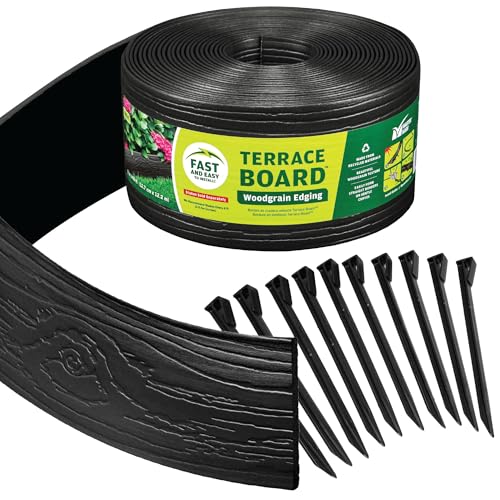
MASTER MARK Terrace Board Landscape Coiled Edging 5 in. x 40 ft.

shsyue Landscape Edging 33FT Extra Tall 4IN High

shsyue Garden Edging Borders 66FT Extra Tall 4IN High

Orgrimmar Garden Edging Kit 40PCS Pound-in Interlocking Black
SnugNiture Corrugated Metal Garden Edging 6 in. x 50 ft.

Edge Right Hammer-in Landscape Edging 48-inch Strips
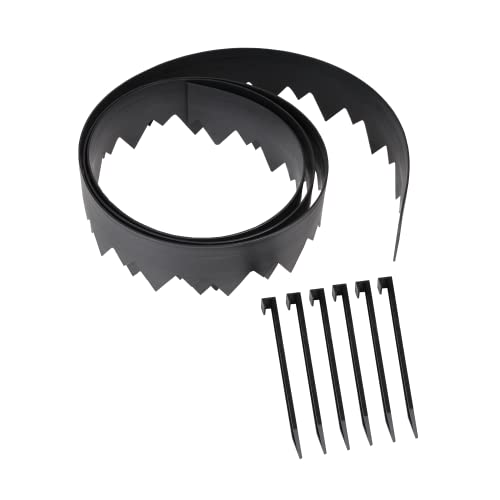
EasyFlex Pound-In Landscape Edging 20-Foot Black
More Details On Our Top Picks
Brick styling gives this edging a more finished look than the flexible roll options farther down the list. The 48-inch sections, 4-inch width, and 2.25-inch height create a low curb effect that suits beds, paths, and lawn borders without feeling bulky.
In a front yard with visible walkways, that extra structure can make the whole layout feel tidier. The trade-off is that decorative pieces usually ask for a little more planning during layout, so you’ll want a path that already makes sense in clean runs or gentle turns.
Strong Points
- Brick-like profile adds a tidy, built-up look.
- Section size helps you frame beds with clear lines.
- Works well around paths and flower beds.
- Spikes are included, which helps anchor the layout.
Things To Consider
- The more decorative shape can take extra thought during placement.
- Shorter sections mean more joints across a long border.
Feature Snapshot
Who It Suits Best
You’ll like this most for a front yard or patio edge where appearance matters as much as separation.
A Better Fit Elsewhere
Master Mark Terrace Board Landscape Coiled Edging suits you better for long, curved borders that need one continuous run instead of sectional brick styling.
A coiled board like this is built for long, flowing borders rather than short decorative bursts. The 5-inch height and 40-foot roll make it especially useful for garden beds, vegetable rows, and lawn lines that need a steadier visual boundary.
Compared with Beuta’s sectional brick look, this one keeps the run more continuous and less formal. The honest read is that flexible edging rewards patience during layout, because the final shape depends on how carefully you set the curve before the stakes go in.
What We Like
- Long roll length suits extended borders.
- Flexible form helps with curved layouts.
- Simple black finish stays visually quiet.
- Included stakes support installation planning.
- Works across flower beds and vegetable areas.
Worth Noting
- Rolling material needs careful positioning for neat lines.
- Five inches of height may feel prominent in very small beds.
- Longer runs can take more time to align evenly.
Details At A Glance
Made For
You’ll get the most from this on larger bed runs where a smooth, continuous edge matters more than decorative detail.
Where A Sibling Pick Shines
Beuta Landscape Edging Polyrock Bricks 4 Packs suits you better for a more decorative front border with a curb-like look.
The 4-inch height is the first thing that stands out here, because it gives the border more presence than many flatter plastic strips. With 33 feet of edging and 50 stakes, this setup fits a medium project that needs enough coverage to shape a yard without moving into oversized territory.
That extra height can help hold a cleaner line around beds, trees, and lawn transitions, especially in yards where grass likes to push inward. Compared with the MASTER MARK roll, this one gives you more stakes in the kit, so the hardware side feels more fully supplied for a DIY install.
Bright Spots
- Extra-tall profile gives borders stronger visual separation.
- 33-foot length suits mid-size yard projects.
- 50 stakes provide substantial anchoring support.
- Black finish keeps the border low-key once installed.
- Flexible layout works around trees and curves.
Points To Note
- Taller edging can feel more noticeable in tiny garden beds.
- Flexible plastic usually benefits from careful alignment during install.
Quick Facts
Built With In Mind
You’ll appreciate this for beds and tree rings that need more height than a shallow border can offer.
Skip It When
Edge Right Hammer-in Landscape Edging suits you better for a more rigid, long-life metal border around permanent landscape features.
This one scales up the same 4-inch concept into a much longer run, so it makes sense for larger yards or multiple beds that need a matching finish. With 66 feet of edging and 100 stakes, you get enough material to handle broad borders without piecing together several short kits.
Compared with the 33-foot shsyue kit, the bigger roll is easier to think of as a whole-yard project rather than a single bed fix. The trade-off is simple, more length means more planning, and the install can feel like a real afternoon job rather than a quick patch.
Upsides
- 66-foot coverage fits expansive border jobs.
- 100 stakes give the kit a well-supplied feel.
- Extra height helps the edge stay visible.
- Flexible build works around beds and curves.
- Black color blends into mulch and soil.
Areas To Watch
- Large coverage means more time spent laying out the line.
- The long roll can be awkward to manage alone.
Core Details
Perfect Match For
You’ll get the best fit here for larger properties where you want a single edging style repeated across several zones.
Look Elsewhere When
Master Mark Terrace Board Landscape Coiled Edging fits better for a shorter, simpler border where 40 feet is enough and handling feels easier.
Pound-in edging like this appeals to anyone who wants a cleaner border without starting a dig project. The interlocking pieces and 20-by-5.3-inch format make it feel modular, which is handy for a front path, a simple flower bed, or a small yard refresh.
Compared with the flexible rolls above, this style gives you more physical structure piece by piece. One thing worth considering is that modular borders usually reward a level start, because a crooked first section tends to carry through the rest of the run.
Positives
- No-dig setup suits quick border updates.
- Interlocking format helps keep the line organized.
- Works well for straightforward bed shapes.
- Black finish keeps attention on the planting, not the edge.
Small Caveats
- Interlocking pieces need careful alignment at the start.
- Best for simple runs rather than highly ornate curves.
Feature Card
Whose Shelf It Belongs On
You’ll like this most for a manageable yard project where quick setup matters more than decorative detail.
Another Choice May Suit
Edge Right Hammer-in Landscape Edging suits you better for a more rigid border that feels closer to a permanent landscape feature.
Metal edging tends to bring a more anchored look to a yard, and the corrugated shape gives this one a bit of texture without turning flashy. The 6-inch height and 50-foot length make it better suited to longer, more defined borders where you want a stronger physical boundary.
Compared with the plastic kits above, this style feels more substantial in both appearance and likely day-to-day wear. The catch is that metal usually asks for more care during handling and placement, especially around tighter curves or uneven ground.
Reasons To Buy
- Metal build suits long-term landscape framing.
- 6-inch height gives the border real presence.
- Corrugated surface adds visual interest without clutter.
- 50-foot run covers a substantial stretch.
Trade Offs
- Metal can feel less forgiving during installation than flexible plastic.
- Long runs may be more work to position neatly.
- Brown with white coloring may stand out more than black edging.
Spec Overview
Right Fit For
You’ll appreciate this most around larger beds and yard lines where a stronger metal frame suits the layout.
Swap It Out When
EasyFlex Pound-In Landscape Edging suits you better for a lighter plastic border that’s easier to handle in a smaller project.
COR-Ten steel, a weathering steel that forms a stable surface layer over time, is the part that gives this edging its serious feel. The 6-inch depth and 1/4-inch rounded top make it a strong fit for yards where you want a crisp line that still looks finished, not harsh.
Compared with the corrugated metal pick, Edge Right has a cleaner architectural look and a more defined profile. For most backyards, that means a border that works especially well near patios, gravel paths, or planting beds with straight geometry.
Best Bits
- COR-Ten steel brings a more substantial border feel.
- Rounded top softens the visual edge.
- 6-inch depth helps define the bed line.
- Five-pack format suits connected border segments.
Honest Caveats
- Steel edging generally asks for more careful handling than plastic.
- The firmer build may feel more involved during setup.
Technical Sheet
The Right Fit
You’ll get the most from this in a more permanent yard layout where crisp lines matter and steel suits the design.
Where Shoppers Go Wrong
Orgrimmar Garden Edging Kit 40PCS Pound-in Interlocking Black fits you better when you want a simpler no-dig path and lighter planning.
Shorter runs are where this edging makes the most sense, especially for a small front bed, a clean tree ring, or a simple side-yard border. The 4.5-inch straight-top profile gives you a tidy, uniform line without pushing into the more substantial look of the steel options above.
Compared with the larger shsyue kit, this one is easier to think through and easier to place in a compact area. The bonus stakes help make the package feel complete, though a tight space still rewards slow alignment so the top edge stays level.
Highlights
- 20-foot length suits small border projects.
- Straight-top profile creates a clean, simple finish.
- Plastic build keeps handling straightforward.
- Bonus stakes add useful anchoring support.
Areas To Watch
- Shorter coverage means it’s not the right fit for broad perimeter jobs.
- Straight edges can feel plain in decorative front-yard layouts.
Feature Rundown
Who Should Grab It
You’ll like this most for smaller yards or tidy bed outlines where a straightforward border is all you need.
Not Your Match When
SnugNiture Corrugated Metal Garden Edging suits you better for a longer, tougher border with a more substantial presence.
How To Choose The Right Lawn Edges
Match The Border To The Job
Short garden beds, tree rings, and tidy walkways do well with lighter plastic edging, especially when you want a quick visual reset. Larger perimeter runs, driveway-adjacent borders, and beds that get frequent trimming usually justify firmer materials such as steel or thicker interlocking sections.
Think About Shape Before Material
Curves favor flexible rolls because they bend around beds and paths with less fuss. Straight sections look cleaner in formal layouts, but they demand more planning and usually more joints, which you’ll notice on long runs.
Height Changes The Whole Look
A 2 to 4.5 inch profile works for a subtle divider, while 5 to 6 inches creates a clearer barrier between turf and mulch. Taller edging helps in yards where grass spreads aggressively, though it can look heavy in small front beds.
Plan For Installation And Care
No-dig kits save effort, but they still need a level start and steady spacing to look neat. Metal edging usually asks for more handling care, while plastic is easier to move around but may need more attention over time to keep lines straight.
A Quick Reality Check
Common Shopping Slip Ups
Many people focus only on length and miss the shape of the border entirely. A long roll sounds useful, but a decorative brick look or rigid steel strip may suit your yard better, especially near patios or formal beds.
Another common miss is underestimating anchors. Stakes matter in loose soil, and the included count can be the difference between a tidy line and one that keeps shifting after watering or mowing.
The Upgrade Payoff
Higher-tier edging usually costs more because of material strength, heavier profiles, or more substantial hardware. COR-Ten steel, corrugated metal, and thicker modular kits tend to bring a firmer feel and a more finished look.
That extra spending makes sense for permanent beds, visible front-yard borders, and projects you don’t want to revisit often. For a small refresh, a simpler plastic kit can be the smarter move.
Frequently Asked Questions
What type of lawn edging is easiest to install?
No-dig plastic kits are usually the easiest starting point. They suit smaller beds and straightforward layouts.
Which edging works best for curved beds?
Flexible coiled edging handles curves more naturally. You’ll spend less time forcing the line into shape.
Is metal edging worth it for a home yard?
Metal edging fits better when you want a firmer border and a more structured finish. It usually asks for more care during setup than plastic.
How tall should lawn edging be?
A shorter profile works for subtle separation, while taller edging helps define beds more clearly. The right height depends on how much contrast you want against the turf.
Do I need a lot of stakes for edging?
Longer runs and looser soil usually benefit from more stakes. A larger anchor count helps keep the border aligned after installation.
