

Thick thatch can make a yard feel tired, even after regular mowing. You need the right tool for your lawn size, your storage space, and how much effort you want to spend on cleanup afterward.
This roundup keeps the focus on real use. Some picks are built for small lawns and hand work, while others suit larger yards, tow-behind setups, or weekly maintenance after fast spring growth.
Quick Look At The Shortlist
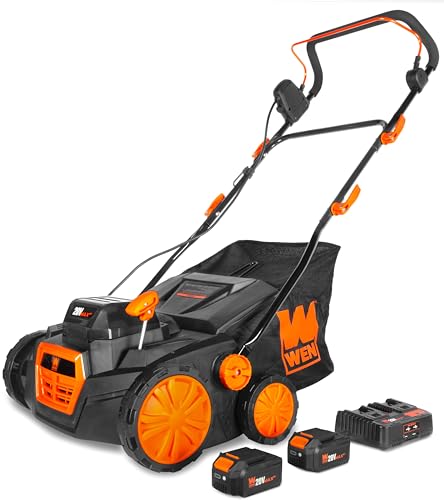
WEN 20V Max Cordless 15-Inch 2-in-1 Dethatcher and Scarifier (20716)

Walensee Thatch Rake for Lawn with Adjustable Handle

BUCOTOD 2-in-1 Dethatcher and 16-Inch Scarifier

EVEAGE 16-Inch 2-in-1 Electric Dethatcher and Scarifier

Westinghouse 13-Inch 12-Amp 2-in-1 Electric Dethatcher and Scarifier
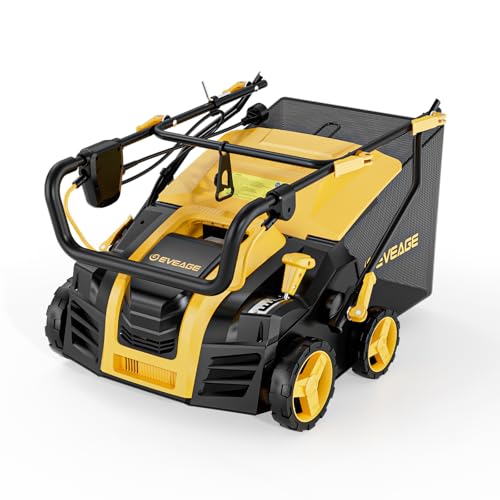
EVEAGE 2026 Upgraded 16-Inch 2-in-1 Electric Dethatcher
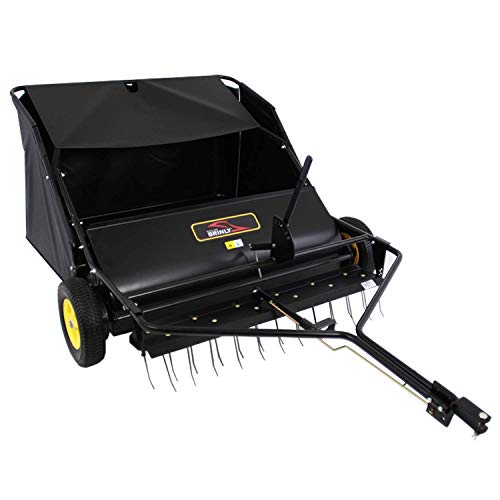
Brinly STS-42BHDK-A 40-Inch Tow-Behind Lawn Sweeper with Dethatcher
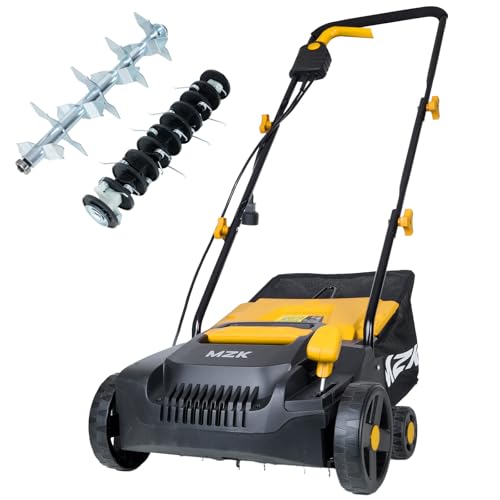
MZK 13-Inch Electric Dethatcher Scarifier, 13-Amp Lawn Tool
More Details On Our Top Picks
Cordless lawn care has a nice rhythm to it, and this WEN setup fits that routine better than a corded machine in a yard with trees, beds, or awkward corners. The 15-inch path, dual 4.0 Ah batteries, and brushless motor point toward longer sessions with fewer stops for recharging, though battery tools still ask you to keep an eye on runtime.
It suits you best when you want to move from front yard to back without dragging a cord behind you. Compared with the manual Walensee rake, this is much less physical; compared with the corded BUCOTOD and EVEAGE picks, it gives up some continuous power in exchange for freedom of movement.
Strong Points
- Cordless operation keeps movement easy around shrubs, patios, and narrow paths.
- Two 4.0 Ah batteries support longer yard sessions than a single-pack setup.
- The brushless motor usually means less internal wear and smoother power delivery.
- The 15-inch width covers a useful strip without feeling awkward in tighter spaces.
- The collection bag helps reduce mess after a pass, which matters in busy weekends.
Points To Note
- Battery runtime matters more here than on corded machines, so larger lawns need planning.
- Cordless tools can feel less relentless than plug-in models on dense, stubborn thatch.
- The bag adds convenience, but it also means emptying and reattaching during longer jobs.
Feature Snapshot
Who It Suits Best
This belongs with homeowners who want cordless convenience, moderate cutting width, and less physical strain than a hand rake.
A Better Fit Elsewhere
BUCOTOD 2-in-1 Dethatcher and 16-Inch Scarifier suits you better for a bigger lawn that stays close to an outlet.
A manual dethatching rake like this Walensee model makes sense for touch-up work, narrow strips, and spots where a powered machine feels like overkill. The 19 curved steel tines and 15-inch head give you broad contact across the turf, while the twist-lock handle sections make storage easier than with a one-piece long rake.
It is the most hands-on pick here, which is exactly the point for small yards or a few problem patches near sidewalks and garden edges. Compared with the WEN and MZK machines, it asks for more effort, but it also keeps noise, cords, and batteries out of the picture.
Highlights
- Dual-sided head gives you a dethatching side and a cultivating side in one tool.
- Nineteen steel tines cover a decent strip of turf with each pull.
- The adjustable handle helps you set a more comfortable reach for different task lengths.
- Twist-lock sections make assembly and storage simpler in a garage or shed.
Worth Noting
- Manual work takes time and effort, especially on thick thatch or larger lawns.
- Steel tines need basic care after use, since dirt and moisture can shorten their clean look.
- For broad yard cleanup, powered options in this list will finish the job faster.
Core Details
Built With In Mind
You fit this best when your lawn is small, your storage is tight, and you prefer a low-tech tool for spot maintenance.
Swap It Out When
MZK 13-Inch Electric Dethatcher Scarifier suits you better for larger areas that need less elbow work and faster coverage.
For a larger lawn, a corded unit like this BUCOTOD model feels more straightforward than juggling battery packs. The 16-inch width, 15-amp copper motor, and 14.5-gallon bag point to a setup built for covering ground and collecting debris as you go, while the five depth positions help you tune the aggressiveness to the turf.
That depth range matters because dethatching and scarifying are not the same thing, even though people often use the terms together. Dethatching lifts dead surface buildup, while scarifying cuts more firmly into the turf layer, so this is a better fit for homes with thicker buildup and a little more recovery time afterward.
Reasons To Buy
- The wide cutting path speeds up coverage on medium to large lawns.
- A 15-amp copper motor gives the kind of steady corded behavior many homeowners want.
- Five depth positions let you match the tool to the condition of the lawn.
- The 14.5-gallon bag reduces how often you stop to empty debris.
- Corded power avoids the runtime concerns that come with battery tools.
Minor Gripes
- The power cord adds planning around outlets and extension reach.
- Because it’s wider and more forceful than a hand rake, it can feel like a lot for tiny yards.
- Bagging and depth settings add setup time before the first pass.
Spec Overview
Perfect Match For
You fit this best when your lawn is broad, the buildup is heavy, and you want a corded machine with real adjustment range.
Look Elsewhere When
Walensee Thatch Rake for Lawn with Adjustable Handle suits you better for tight corners, tiny patches, and much lighter maintenance.
This EVEAGE model sits close to the BUCOTOD in shape and purpose, but it adds a removable 14.5-gallon bag, which makes cleanup a little easier in a yard that sheds a lot of debris. Five depth positions and a 15-amp copper motor give you the same kind of range many homeowners want for seasonal work.
That removable bag is handy in practice because it simplifies emptying, though it also introduces one more part to keep track of in the shed. The honest read is that this suits homeowners who like a more adjustable machine and do not mind a bit of setup before each session.
Upsides
- The 16-inch head helps you move across the lawn efficiently.
- Five depth settings give you room to work lightly or more aggressively.
- The removable bag helps with handling debris during longer cleanup sessions.
- A 15-amp copper motor gives it the kind of corded structure many yards need.
- It sits in a useful middle ground between the bigger BUCOTOD and the smaller Westinghouse.
Softer Spots
- Removable parts mean a little more attention during assembly and storage.
- Cord management still matters, especially around trees and flower beds.
- For very small lawns, the 16-inch body may feel like more machine than necessary.
Feature Card
Who Should Grab It
You fit this well when you want a corded dethatcher with useful adjustment and a bag that comes off easily.
Another Choice May Suit
Westinghouse 13-Inch 12-Amp 2-in-1 Electric Dethatcher and Scarifier makes more sense for smaller spaces and simpler handling.
The smaller frame here changes the whole feel of the job. A 13-inch deck and 12-amp corded design suit narrow lawns, tight side yards, and homeowners who want less bulk than the 16-inch EVEAGE and BUCOTOD machines.
In a modest yard, that narrower width can be a plus because it steers more easily around beds and edging. The trade-off is coverage speed, so larger lawns may make you wish for a wider head or a bigger bag.
Bright Spots
- The 13-inch width keeps the tool nimble in tighter spaces.
- 12-amp corded power gives it more muscle than a manual rake.
- The collection bag helps keep surface debris from spreading around the yard.
- The compact frame is easier to store in smaller sheds or garages.
Areas To Watch
- Smaller coverage means more passes for bigger lawns.
- Corded use still requires planning around outlet access and cord length.
- The lighter footprint is convenient, but it can feel less efficient on heavy buildup.
Details At A Glance
Whose Shelf It Belongs On
You fit this best when your yard is compact and you want a powered tool that stores easily.
Where A Sibling Pick Shines
MZK 13-Inch Electric Dethatcher Scarifier suits homeowners who want a similar size with four height settings and an 8-gallon bag.
This EVEAGE version keeps the 16-inch format but adds a quick-fold layout, which makes it appealing for garages that already feel crowded. The 14.5-gallon bag and five depth positions make it feel aimed at homeowners who want a more polished routine than a basic one-setting machine.
The quick-fold detail matters more than it sounds, because storage is often the part people dread after yard work. Compared with the earlier EVEAGE model, this one reads as the better pick for someone who values easier stowing and tidier post-job cleanup.
Best Bits
- The 16-inch head keeps the working pace efficient for regular yard care.
- Quick-fold storage helps the tool fit better in tighter garage space.
- Five depth positions give you useful control for different turf conditions.
- The 14.5-gallon bag supports longer sessions before emptying.
- It sits in a useful middle zone between compact and heavy-duty picks.
Small Caveats
- Foldable hardware can add a little more to think about during setup.
- The size is still substantial, so very small yards may not need this much machine.
- Like other corded units here, outlet reach shapes where you can work.
Quick Facts
The Right Fit
You fit this best when you want a corded dethatcher that stores more neatly than most full-size machines.
Skip It When
Westinghouse 13-Inch 12-Amp 2-in-1 Electric Dethatcher and Scarifier makes more sense for a lighter footprint and simpler handling.
The Brinly changes the category a bit, because this is less a walk-behind yard tool and more a tractor attachment for larger properties. A 40-inch tow-behind width means it’s built for people who already own the right equipment and want to cover a lot of ground without walking every foot of it.
Compared with the handheld and walk-behind picks, this makes the most sense on bigger lawns where towing speed matters more than compact storage. The hamper windscreen also points to cleaner collection, though the trade-off is obvious, you need a compatible tractor and more space to maneuver.
What We Like
- The 40-inch width covers a wide path with each pass behind a tractor.
- It combines sweeping and dethatching in one setup, which helps streamline yard cleanup.
- The hamper windscreen supports neater collection in breezier conditions.
- Tow-behind use keeps physical effort low once you’re connected to the tractor.
Things To Consider
- You need a tractor or compatible tow setup, so this is not a standalone solution.
- Storage demands are larger than with the walk-behind machines in this list.
- It makes more sense for acreage or broad lawns than for a modest suburban yard.
Feature Rundown
Who Will Love This
You fit this best when your property is large and your tractor already handles other yard chores.
Right Fit Elsewhere
BUCOTOD 2-in-1 Dethatcher and 16-Inch Scarifier suits you better for a standard yard that does not need tow-behind hardware.
The MZK is the most straightforward powered option in the lineup, and that makes it appealing for smaller to mid-sized lawns that need regular refresh work. A 13-inch width, 13-amp motor, four height settings, and 8-gallon bag create a sensible middle ground between the hand tool and the larger 16-inch machines.
That smaller bag is worth noting, because it suits shorter sessions better than long cleanup days. Compared with the Westinghouse 13-inch model, the MZK gives you a little more adjustment and a defined bag capacity, which helps you dial in the job without overcomplicating it.
Positives
- The 13-inch frame feels manageable in typical home lawns.
- Four height settings give you useful control without making setup fussy.
- The 13-amp motor offers corded power for routine seasonal maintenance.
- The 8-gallon bag keeps the unit compact and easy to handle.
- It’s a sensible step up from manual raking for people who want less labor.
Room For Improvement
- The bag is smaller than the larger 14.5-gallon options here.
- It is not the best fit for broad properties that need a wider working path.
- Corded operation still calls for outlet planning and extension management.
At A Glance
Made For
You fit this best when your lawn is modest in size and you want a simple powered dethatcher without extra bulk.
A Better Fit For
Brinly STS-42BHDK-A 40-Inch Tow-Behind Lawn Sweeper suits you more for acreage, a tractor, and broader cleanup work.
How To Choose The Right Lawn Dethatchers
Match The Tool To The Yard
Width matters more than many shoppers expect. A 13-inch tool fits tight spaces and lighter upkeep, while a 16-inch machine trims the time needed for broader lawns, and a 40-inch tow-behind belongs on much larger properties.
Storage and access matter too. A compact corded model works well in a small garage, while a tow-behind setup needs more room and a tractor connection.
Pick The Right Power Style
Manual rakes keep things simple and quiet, which makes sense for patch repairs, side yards, and small lawns. Corded electric models give you steadier output for longer stretches, as long as your outlet reach is sensible.
Cordless tools add freedom of movement, which helps in yards with trees, fences, or awkward corners. The trade-off is runtime, so battery capacity matters more as the lawn gets larger.
Look At Depth Control And Collection
Depth settings help you choose between light surface cleanup and a more aggressive pass. That flexibility matters because different lawns need different treatment, especially after heavy growth or long neglect.
Collection bags also change the workday. A larger bag means fewer stops, while a smaller one keeps the machine lighter and easier to steer.
Think About How You’ll Store It
People often focus on motor size and forget the shed. Foldable frames, detachable handles, and lighter builds make routine storage much easier after the job is done.
That practical detail matters most for homeowners who already keep tools, bins, and garden gear in the same tight space. A tool that stores cleanly tends to get used more often, which is the real goal.
Things Worth Knowing First
Common Shopping Slip Ups
A lot of people choose by width alone and miss the power style. A wider deck helps, but only when the motor, depth range, and collection setup suit the size of the lawn.
Another common miss is ignoring storage and cord reach. A tool that looks manageable on a product page can feel awkward in a narrow garage or a yard with limited outlets.
The Upgrade Payoff
Higher-tier models often cost more because they bring stronger motors, broader decks, and more control over depth. Those details matter most on larger lawns or thicker thatch where a basic tool starts to feel slow.
You also pay for better convenience features, like larger bags, foldable frames, or cordless flexibility. For regular yard care, that extra comfort can matter as much as raw power.
Frequently Asked Questions
What does a lawn dethatcher actually do?
It lifts or cuts away the layer of dead grass and debris that sits between living turf and the soil. That helps the lawn feel less clogged and more ready for routine care.
Should you choose a rake or a powered machine?
A rake works well for small areas and spot cleanup. A powered machine makes more sense once the lawn gets larger or the buildup becomes more stubborn.
How wide should your dethatcher be?
For tight yards, 13 inches is easy to manage. For broader spaces, 15 or 16 inches usually saves time, while tow-behind widths suit much larger properties.
Do depth settings matter?
Yes, because lawn conditions vary from one season to the next. More settings give you finer control over how lightly or firmly the tool works.
What should you store with the machine?
Keep an extension cord, a debris bag, and basic cleaning supplies nearby for corded models. For manual tools, dry storage matters most so the metal stays in better shape between uses.
