

Healthy turf rarely needs drama, it needs the right tool for the job. These picks suit you whether you manage a small patch behind a townhouse, a broad suburban lawn, or a rougher property with a tractor or ATV in the shed. The list leans into different levels of effort, from tow-behind models to walking shoes, so you can match the tool to your soil, storage space, and stamina.
The Shortlist At A Glance
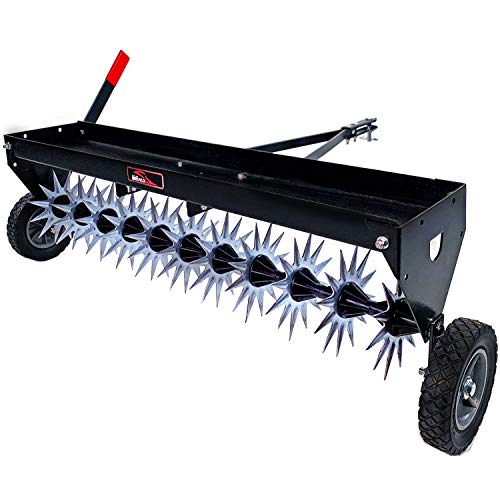
Brinly SAT2-40BH-P Tow Behind Spike Aerator 40 Carbon

Walensee Rolling Lawn Aerator 42 Spikes Adjustable Handle

Suchtale 40-Inch Tow Behind Spike Aerator Galvanized Steel Tines

Lawn Aerator Shoes Pre-Installed Two-Layer Spike Aerator Shoes Tool

Lawn Aerator Tool with 16 Spikes Manual Yard Aerator

Dolibest Lawn Coring Aerator 4 Stainless Steel Corer Plug Aerator

Lawn Aerator Shoes Soil Aerator Lawn Tool Dual Hook Loop Straps
More Details On Our Top Picks
Brinly’s tow-behind format fits you best when the lawn is too large for a handheld tool to feel reasonable. The transport wheels matter because they make the unit easier to move between the shed and the yard, and that’s a real convenience for anyone pulling equipment with a mower.
The trade-off is simple, you need a tow vehicle and enough open ground to make the setup worthwhile. For a suburban property with long runs and moderate compaction, it has a practical, no-nonsense shape that makes sense without feeling fussy.
Strong Points
- 40-inch width helps you cover more ground per pass.
- Transport wheels make storage and repositioning less awkward.
- Tow-behind design suits owners who already use a tractor or mower.
- Carbon finish keeps the look straightforward and workmanlike.
Points To Note
- You need towing equipment, so this is not a casual grab-and-go tool.
- Turnaround space matters on tighter lawns and narrow side yards.
- Tow-behind gear usually needs a little cleanup after damp soil work.
Feature Card
Who It Suits Best
Property owners with larger lawns, a mower, or a tractor will get the most from this setup.
A Better Fit Elsewhere
Walensee Rolling Lawn Aerator 42 Spikes Adjustable Handle suits you better for smaller areas where walking behind a tool feels easier than towing one.
Compared with the Brinly tow-behind model, this one keeps you on foot and gives you more direct control over pacing. The adjustable handle is the useful detail here, since it lets you work in a more comfortable stance instead of hunching over a fixed grip.
For most backyards, that mix of 42 spikes and a rolling frame feels practical without becoming bulky. The honest read is that manual rolling tools ask more of you physically, yet they also fit better in garages where space is tight and a tow setup would be overkill.
What We Like
- 42 spikes create plenty of contact points as you roll.
- Adjustable handle helps match your height and posture.
- Rolling format gives you direct control in awkward corners.
- Works well for lawns that need regular, lighter upkeep.
Small Caveats
- Manual rolling takes effort, especially across firmer ground.
- Longer sessions can feel tiring on larger properties.
- Cleaning around the spike assembly may take a little extra care after damp use.
Technical Sheet
Built With In Mind
You suit this model best if you want a walk-behind aerator for medium lawns and prefer manual control over towing.
Another Choice May Suit
Brinly SAT2-40BH-P Tow Behind Spike Aerator 40 Carbon suits you better when your lawn is large enough to justify pulling equipment behind a mower or tractor.
This Suchtale model sits close to the Brinly in use case, but the extra-wide tow bar changes the feel for owners who want a steadier pull behind a mower or ATV. The galvanized steel tines are the detail that matters most, because galvanized steel means a protective zinc coating that helps with corrosion resistance in normal outdoor storage.
You may find it especially useful on mixed properties where lawn and light farm ground both get attention. The pictorial instructions and pin-style hitch should make setup less intimidating, which is welcome for anyone who dislikes wrestling with complicated attachments.
Highlights
- 40-inch span covers a useful working lane.
- Galvanized tines bring a tougher outdoor-ready feel.
- Extra-wide tow bar adds a steadier pull behind equipment.
- Pin-style hitch keeps hookup simple for regular use.
- Assembly guide with parts breakdown helps first-time setup.
Areas To Watch
- Best suited to tow equipment, not hand pushing.
- Steel parts still benefit from cleaning after wet soil work.
- Larger turning radius can be awkward in tight landscaping.
Core Details
The Right Fit
It suits you best when you already tow yard tools and want one setup for both lawn and open ground.
Look Elsewhere When
DWAEEGG Lawn Aerator Shoes Pre-Installed Two-Layer Spike Aerator Shoes Tool make more sense for smaller lawns where you want a lighter, walk-only setup.
These aerator shoes make sense for quick walk-through jobs, especially around beds, edges, and smaller patches that do not justify a bigger tool. The two-layer spike setup is the interesting bit, because it aims to clear soil more cleanly as you step, which can keep the walk moving without as much buildup underfoot.
For casual lawn care, that can feel less like hauling equipment and more like turning a routine walk into a useful pass across the yard. The trade-off is obvious, you need balance and a steady walking surface, so uneven ground or awkward slopes can make them less comfortable.
Bright Spots
- Slip-on format keeps storage and setup simple.
- Hook-and-loop straps help you secure the shoes quickly.
- Two-layer design is meant to shed soil between steps.
- Good fit for edging work and smaller lawn sections.
Room For Improvement
- Walking balance matters more than with a push tool.
- Less efficient for broad, open lawns.
- Shoes can take a little effort to clean after muddy use.
Details At A Glance
Whose Shelf It Belongs On
You suit this pick best if your lawn work is light, local, and mostly about keeping small areas in shape.
Where A Sibling Pick Shines
Walensee Rolling Lawn Aerator 42 Spikes Adjustable Handle is the smarter match for you when a walk-behind frame feels steadier than shoe-based aeration.
Grenebo keeps things simple, which is exactly why it belongs on a shortlist for basic lawn upkeep. The 16-spike layout and automatic soil ejection point toward a design that tries to stay clear between passes, so you spend less time stopping to scrape buildup.
That kind of setup suits smaller yards, rental properties, or anyone who wants a manual tool without a lot of fuss. Compared with the Dolibest coring model, this one is less about pulling out plugs and more about straightforward spike aeration, so the task feels lighter in both cost and complexity.
Best Bits
- Sixteen spikes give the tool a clear working pattern.
- Automatic soil release helps keep movement steady.
- Pre-assembled setup lowers the amount of prep work.
- Black and green finish keeps the look tidy and simple.
Minor Gripes
- Manual use still asks for some elbow grease.
- Less suited to large lots than tow-behind options.
- Spiked tools can need a rinse after sticky soil days.
Spec Overview
Perfect Match For
You fit this tool best if you want a no-frills manual aerator for light, regular yard care.
Skip It When
Suchtale 40-Inch Tow Behind Spike Aerator Galvanized Steel Tines is the better route for larger properties that already use a mower or ATV.
Dolibest stands apart because it cores, meaning it removes small plugs of soil rather than only pressing spikes into the ground. That matters for compacted turf, where owners often want a more deliberate tool and do not mind a slower, hands-on process.
The soil core tray and included clean hand tool are the little details that make ownership feel more managed, not just more aggressive. It’s a good fit for someone tending a lawn that needs careful attention, though the plug-removal style naturally asks for more cleanup than simple spike tools.
Upsides
- Coring action gives you a different approach from spike models.
- Four stainless steel corer plugs add a more targeted feel.
- Soil tray helps keep the work area more orderly.
- Pre-assembled build cuts down on setup time.
- Included clean hand tool helps with post-use cleanup.
Honest Caveats
- Coring takes more attention than a rolling spike tool.
- Soil plug cleanup is part of the process.
- Less suited to very large lawns than tow-behind gear.
Feature Rundown
Who Will Love This
You suit this model best if you want a more hands-on coring tool for a lawn that needs careful rehab.
A Better Fit Elsewhere
Grenebo Lawn Aerator Tool with 16 Spikes Manual Yard Aerator is easier to live with for routine upkeep on smaller lawns.
These shoes are the least demanding on storage, which is why they make sense for quick upkeep around a patio, a side strip, or a small front lawn. The dual hook-and-loop straps are the key detail, since they let you secure the shoes without a complicated setup.
For short sessions, that kind of simplicity is refreshing, almost like keeping a spare tool by the door for a quick chore. The limitation is that this format depends heavily on your balance and walking pace, so it works best on even ground and not on a lawn full of dips.
Positives
- One-size fit keeps the approach simple for shared household use.
- Hook-and-loop straps speed up the fit process.
- Free-installation style means less prep before heading outside.
- Works well for short, routine passes across small areas.
Softer Spots
- Balance matters more than with a rolling or tow-behind tool.
- Not the smoothest match for larger lawns.
- Shoes may need brushing off after damp or clay-heavy ground.
Quick Facts
Who Should Grab It
You suit these best if your lawn tasks are small, quick, and close to home.
Where Shoppers Go Wrong
Walensee Rolling Lawn Aerator 42 Spikes Adjustable Handle is the better match for you if you want more stability and a more traditional rolling feel.
How To Choose The Right Lawn Aerators
Match The Tool To Your Yard Size
Tow-behind aerators make the most sense for broad, open lawns where coverage matters more than fine control. Walk-behind rollers suit medium spaces better, especially when you want to steer around beds, trees, and narrow strips without dragging a larger setup.
Aerator shoes and small manual tools are easier to store and carry, but they ask more from your legs and balance. That trade-off is fine for touch-up work, yet it starts to feel slow once the lawn gets much larger than a modest suburban lot.
Decide Between Spikes And Cores
Spike aerators press points into the ground, which is simpler and usually quicker to manage. Coring tools remove small plugs of soil, so they create more cleanup but give you a more hands-on approach to compacted turf.
That difference matters most in lawns that have felt hard underfoot or have seen heavy foot traffic. For routine upkeep, spikes are usually the easier lane, while coring makes more sense when the turf needs a more deliberate reset.
Think About How You’ll Move It
Tow-behind models depend on a mower, tractor, or ATV, so they suit properties where equipment is already part of the routine. Manual rollers, shoes, and coring tools keep the footprint smaller and the setup lighter, which helps in garages with limited storage.
The honest read is that the easiest tool to own is not always the easiest tool to use. A simple frame, strap system, or hitch can save time every season, but only when it matches how you already work outside.
A Quick Reality Check Before You Order
Wrong Turns To Avoid
A common misstep is choosing a tool that’s too large for the yard, then discovering it’s awkward to maneuver near edges and fencing. Another is overlooking cleanup, because spike and coring tools both behave better when soil conditions are not overly sticky.
You also want to check how the tool fits your routine. Tow-behind gear belongs with towing equipment, while shoe-based models depend on steady footing and a willingness to walk the lawn in a more careful way.
The Upgrade Payoff
Higher-tier aerators usually spend more on coverage, stronger materials, or more specialized mechanisms. Galvanized steel, stainless steel corers, wider tow bars, and transport wheels all add practical value, especially for larger properties or repeated seasonal use.
That extra spending tends to make sense when your lawn is bigger, your soil is denser, or you want a tool that feels less tiring to handle. For smaller yards and occasional upkeep, simpler manual designs often cover the need without adding complexity.
Frequently Asked Questions
What type of lawn aerator suits a small yard?
Aerator shoes or a compact rolling model usually fit small yards best. They store easily and avoid the bulk of tow-behind equipment.
Are spike aerators and coring aerators the same thing?
No, spike tools push into the soil, while coring tools remove plugs. Coring usually means more cleanup, but it also gives you a different kind of soil relief.
Do you need a tractor for a tow-behind aerator?
Yes, tow-behind models depend on some form of towing equipment. A mower, tractor, or ATV makes them practical.
Are aerator shoes hard to use?
They’re simple to put on, but they rely on your balance and steady walking. Flat ground makes them a better fit than uneven terrain.
How do you choose between manual and tow-behind models?
Choose manual tools for smaller spaces and tighter storage. Choose tow-behind models when your lawn is larger and you already own equipment that can pull them.
