

Big lawns ask for the right machine, not just more machine. You need something that fits your slopes, gate widths, storage space, and how much time you want to spend on weekly mowing.
This roundup keeps the focus on yard size, terrain, and day-to-day use, from no-wire robotic options to zero-turn ride-ons and protective covers. You can match the pick to your property instead of forcing a too-small or too-bulky setup.
The Shortlist At A Glance

ANTHBOT M5 Robot Lawn Mower 1/8 Acre with Garage
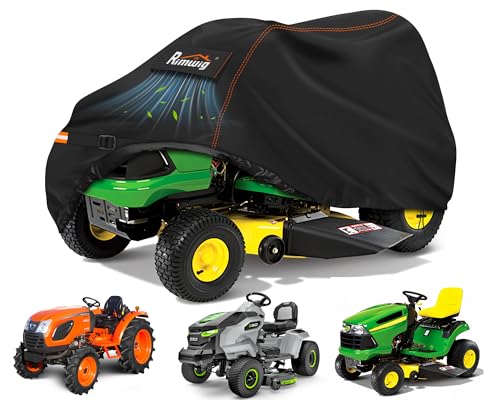
Outdoors Riding Lawn Mower Cover, Fits Decks up to 54″

EGO Power+ Z6 Zero Turn Electric Riding Lawn Mower 42″ Deck ZT4214L
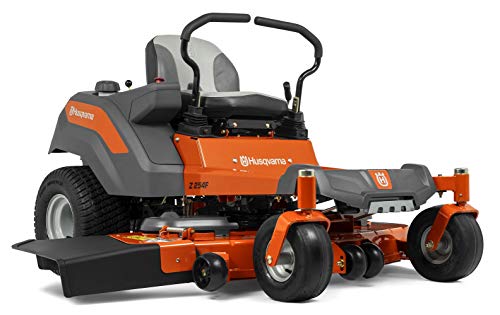
Husqvarna Z254F 54 in. 23 HP Kawasaki Zero Hydrostatic Turn Riding Mower
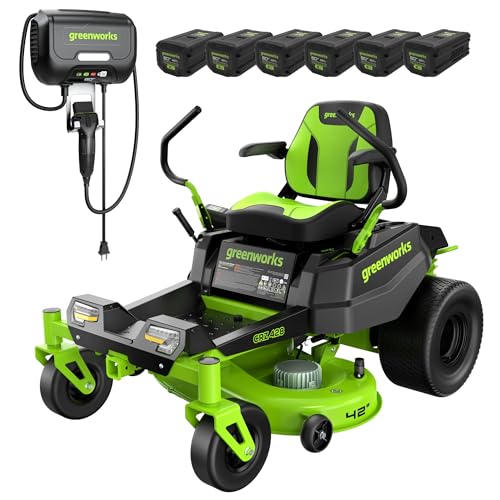
Greenworks 80V 42″ CrossoverZ Zero Turn Riding Lawn Mower, (6) 6.0Ah Batteries and 600W Charger
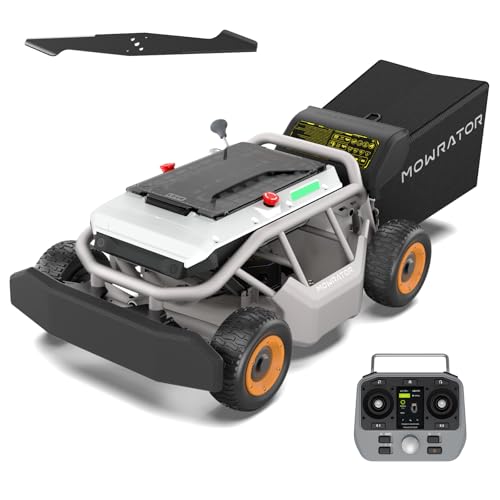
Mowrator S1 4WD 12Ah Remote Control Lawn Mower 21-Inch

INFRONT Remote Control Lawn Mower, All Terrain Tracks
More Details On Our Top Picks
The M5 fits a yard that feels too busy for a basic mower route. Dual vision, full-band NRTK positioning, and multi-zone mapping point to a setup that can handle split lawns, tighter edges, and the kind of obstacles that usually slow a robot down.
The no-perimeter-wire approach is the big convenience story, and the included garage makes more sense than it first sounds, especially on a driveway-edge setup. For smaller properties that still have awkward shapes, this is the kind of pick that reduces setup hassle without forcing you into a larger ride-on.
Strong Points
- Wire-free setup skips the usual boundary-cable work.
- Vision-based obstacle handling suits yards with furniture, trees, and toys.
- Multi-zone mapping helps you separate front and back lawn areas.
- 45% slope handling gives you useful traction for pitched sections.
- The garage helps keep the docking area tidy and sheltered.
Things To Consider
- Coverage is sized for a much smaller property than the ride-on options in this roundup.
- App-based control suits a phone-friendly routine, not a set-and-forget mindset.
- Vision systems can still need a clear, uncluttered layout to work smoothly.
Feature Snapshot
Who It Suits Best
You get the most from this pick when your yard is compact, segmented, and awkward enough that a wire-free robot feels better than a large ride-on.
A Better Fit Elsewhere
Greenworks 80V 42″ CrossoverZ Zero Turn Riding Lawn Mower suits bigger suburban lawns where seated mowing makes more sense than automation.
Protection matters just as much as power once a ride-on sits in the shed or driveway. This cover is built for a deck up to 54 inches, so it lines up with the bigger zero-turn and garden-tractor machines in this list better than a loose universal tarp would.
Air vents and elastic straps make the fit and airflow story more practical for day-to-day storage. The trade-off is simple, since a cover solves storage, not mowing, and it only helps when you already own a machine that fits its dimensions.
What We Like
- The 72 by 54 by 46 inch size suits many full-size ride-on machines.
- Air vents help the cover feel less sealed in humid storage areas.
- Elastic straps give you a more secure hold during windy weather.
- It helps keep dust, sap, and general grime off the deck and seat area.
Small Caveats
- You still need to confirm your mower and any attachments stay within the cover dimensions.
- Soft fabric covers need regular shaking out and occasional cleaning.
- It works best for storage, not for long-term outdoor neglect.
Core Details
Who Should Grab It
You get the most value here when your ride-on mower spends time parked outside a garage or under a simple shelter.
Where A Sibling Pick Shines
Husqvarna Z254F 54 in. 23 HP Kawasaki Zero Hydrostatic Turn Riding Mower suits shoppers who need the mowing machine itself, not just the storage cover.
A 42-inch electric zero-turn mower sits in the sweet spot for many suburban properties. The steering style usually matters as much as deck size, because zero-turn control can trim time around trees, beds, and fence lines without making the machine feel oversized.
Compared with the ANTHBOT M5, this one is about seated coverage rather than automation, so the trade-off is more hands-on mowing in exchange for a broader lawn footprint. For many households, the six-battery package is appealing because it supports a cordless routine without forcing fuel storage into the picture.
Highlights
- The 42-inch deck gives you a practical middle ground between narrow and oversized.
- Zero-turn steering helps around landscaping, trees, and long fence runs.
- Electric operation keeps upkeep simpler than a gas-only routine.
- The battery bundle reduces the need to piece together a power setup later.
- It fits well for properties that want ride-on convenience without exhaust fumes.
Room For Improvement
- Battery-powered ride-ons need charging discipline and storage space for packs.
- A 42-inch deck is roomy, but not as wide as the Husqvarna Z254F option.
- Electric systems can feel less familiar to shoppers used to engine-driven mowers.
Technical Sheet
Who Will Love This
You suit this mower best when you want a quiet-leaning, battery-driven ride-on for a medium-size lawn with plenty of turning around obstacles.
Another Choice May Suit
Husqvarna Z254F 54 in. 23 HP Kawasaki Zero Hydrostatic Turn Riding Mower fits bigger open stretches where a wider deck matters more than cordless convenience.
The Z254F is the kind of mower that makes sense on broad, open ground where deck width earns its keep. A 54-inch cut means fewer passes across large stretches, and the Kawasaki 23 HP engine gives this machine a more traditional full-size ride-on feel than the electric EGO.
That extra width is great for acreage-minded mowing, though it asks for storage room and enough turning space to match. For properties with long, open runs, this is a straightforward, no-nonsense choice, and the hydrostatic drive helps keep speed control smooth without constant gear changes.
Best Bits
- The 54-inch deck covers a lot of ground in fewer passes.
- The 23 HP Kawasaki engine suits regular heavy mowing use.
- Hydrostatic drive keeps the pace easy to modulate.
- It pairs well with larger properties that have open mowing lanes.
Points To Note
- The wider frame needs more storage and turning room than smaller ride-ons.
- Gas-powered upkeep means more routine attention than a battery model.
- It is less nimble in tight side yards than the 42-inch EGO Z6.
Details At A Glance
Built With In Mind
You fit this mower best when your property has open acreage, wide paths, and enough storage room to handle a full-size machine.
Swap It Out When
Greenworks 80V 42″ CrossoverZ Zero Turn Riding Lawn Mower makes more sense for households that want a cordless setup with a slightly smaller footprint.
This Greenworks model leans into cordless convenience without shrinking too far on deck width. The 80V platform, paired with six 6.0Ah batteries and a 600W charger, makes it easier to picture a regular mowing routine for someone who prefers batteries over gas cans.
Compared with the Husqvarna Z254F, you give up engine-powered simplicity but gain a quieter-feeling setup that suits many suburban lawns. It also sits closer to the EGO Z6 in use case, though the battery bundle here is a strong reason to consider it for a more complete first purchase.
Positives
- The 80V cordless platform suits regular yard coverage.
- Six 6.0Ah batteries help round out the package.
- The 42-inch deck fits many medium-to-large lawns.
- Zero-turn handling makes trimming around landscaping easier.
- It removes fuel storage from your mowing routine.
Softer Spots
- Battery management matters more here than on a gas machine.
- The deck is practical, but not as wide as the Husqvarna option.
- Storage for the batteries and charger still takes planning.
Core Details
Right Fit For
You fit this mower best when you want a cordless zero-turn setup for a medium-size property and prefer a bundled battery package.
Where Another Pick Suits Better
Husqvarna Z254F 54 in. 23 HP Kawasaki Zero Hydrostatic Turn Riding Mower suits open acreage more comfortably because of its wider deck.
The Mowrator S1 is built for places where standing behind a mower feels awkward or unsafe on steep ground. Remote control operation, four-wheel drive, and a 21-inch cutting width make it better suited to banks, ditches, and tricky sections than a standard seated mower.
That smaller deck is the trade-off, so it works less like a big lawn sweeper and more like a precision tool for difficult terrain. For properties with sharp grade changes, it can save a lot of physical strain, and the LiFePO4 battery format suggests a more modern power approach than a small gas engine would.
Upsides
- Remote control operation keeps you away from the slope itself.
- 4WD helps the mower hold traction on difficult terrain.
- The 21-inch deck suits tighter spaces and controlled passes.
- Height adjustment from 1.5 to 4.3 inches gives useful trimming range.
- The battery setup fits a quieter maintenance routine.
Areas To Watch
- The narrower deck means more passes on broad open lawns.
- Remote control tools take a little learning before they feel natural.
- Owners usually need to think about battery charging and storage space.
Feature Rundown
Who Should Grab It
You fit this mower best when your property has steep banks or awkward ground where remote mowing matters more than deck width.
Look Elsewhere When
EGO Power+ Z6 Zero Turn Electric Riding Lawn Mower fits better for a larger, flatter lawn where seated mowing and a wider 42-inch deck bring more speed.
This INFRONT model pushes the terrain side of the category even harder than the Mowrator S1. Tracks, 45-degree slope climbing, and a gas-electric hybrid layout point toward rougher ground where traction and drive feel matter more than a tidy suburban lawn appearance.
The honest read is that this pick makes sense for demanding properties, not smooth lawns. Compared with the Mowrator’s wheeled setup, the tracked design should appeal more to terrain-heavy spaces, while the hybrid power approach may suit users who want a different balance of fuel and electric support.
Reasons To Buy
- Tracked traction suits loose or uneven ground.
- 45-degree slope climbing targets steeper property sections.
- Remote control use helps reduce the need to stand on rough terrain.
- The hybrid layout gives this mower a different power profile from pure electric options.
Honest Caveats
- Tracked machines can feel bulkier than wheeled remote mowers.
- Hybrid systems usually bring more upkeep planning than simple battery units.
- It is a specialist tool, not a general-purpose neighborhood mower.
Core Details
Whose Shelf It Belongs On
You fit this mower best when your land includes rugged banks, unstable footing, or other terrain that makes ordinary ride-ons feel out of place.
Reach For A Different Pick When
Husqvarna Z254F 54 in. 23 HP Kawasaki Zero Hydrostatic Turn Riding Mower is the better match for broad, flatter lawns where speed across open space matters more than tracked traction.
How To Choose The Right Large Riding Lawn Mowers
Match Deck Size To The Property
Deck width changes how fast you finish, but it also changes storage, maneuvering, and how tight your turns can be. A 54-inch deck, like the Husqvarna Z254F, suits broad lawns with long passes, while a 42-inch deck feels easier in suburban yards with more obstacles.
Smaller cut widths can still make sense on properties with gates, trees, or narrow side yards. The Mowrator S1 shows the other end of the logic, since its 21-inch deck is built for control on slopes and confined sections rather than raw coverage.
Think About Power Style And Maintenance
Gas, battery, robotic, and remote-control models all solve yard work in different ways. Gas machines such as the Husqvarna Z254F bring familiar power and fast refueling, while battery ride-ons like the Greenworks and EGO models reduce fuel handling and make storage simpler.
Robot mowers and remote-control units shift the work in a different direction entirely. The ANTHBOT M5 suits owners who want automation, while the INFRONT model fits terrain-heavy spaces where standing behind the mower is the harder part.
Look At Slope, Terrain, And Obstacles
Grade matters as much as size in a large-yard setup. The ANTHBOT M5 lists 45% slope handling, the Mowrator S1 is built for 37° slopes, and the INFRONT steps up with 45° climbing and tracked traction.
For lawns with trees, beds, and garden edges, zero-turn steering can save a lot of back-and-forth movement. That’s where the EGO and Greenworks ride-ons feel more nimble than a basic lawn tractor, even though they still ask for more open space than a robot mower.
Plan For Storage And Year-Round Care
A mower that fits your yard still has to fit your garage, shed, or side yard. Covers, like the Rimwig option, help preserve larger machines that live outside, and battery setups also need space for chargers and packs.
Think through cleaning, charging, and parking before you settle on a format. A bigger ride-on is less convenient to hide away, while compact remote mowers and robots are easier to store but usually cover less ground per pass.
Things Worth Knowing First
Mistakes Worth Dodging
Many shoppers focus on deck size alone and ignore turning space, storage depth, and terrain. That can leave you with a mower that fits the lawn on paper but feels awkward in the garage or around tight landscaping.
Another common miss is pairing the wrong power style with the property. A battery ride-on may be a smart fit for a medium lawn, while a steep, uneven lot usually calls for a remote or tracked machine.
The Upgrade Payoff
Higher-tier mowers usually cost more because of stronger engines, larger battery bundles, better traction systems, or more advanced navigation. You’re paying for speed across the lawn, easier handling on obstacles, and less compromise in rough conditions.
The upgrade makes sense when your yard work takes real time every week or the property has problem areas that a basic mower struggles with. That is especially true for large open lawns, steep banks, and owners who want to reduce the amount of manual pushing or rerouting.
Frequently Asked Questions
What size lawn calls for a riding mower instead of a walk-behind?
Once mowing starts taking a lot of time or the property has long open stretches, a ride-on starts to make more sense. Deck width and turning room matter as much as acreage.
Are electric ride-ons practical for large yards?
Yes, they can be, especially for medium-large properties with a fairly predictable layout. Battery count, charging time, and storage space are the parts you need to plan around.
What helps most on steep ground?
Traction and control matter first, then deck size. Remote models and tracked units are often the safer-feeling fit for banks, ditches, and uneven sections.
Do zero-turn mowers help with lots of landscaping?
They do, because the steering style makes tighter turning easier around trees, beds, and edges. That advantage shrinks a bit on rough terrain, where traction starts to matter more.
Is a mower cover worth it for stored ride-on equipment?
It helps when your machine sits outside a garage or under a simple shelter. A well-fitted cover can reduce dust and weather exposure, but you still need the mower to fit its dimensions cleanly.
