

Patchy color, weak growth, and soil that leans too alkaline can make a lawn look tired even after regular feeding. The right iron fertilizer helps you address that gap with a form that suits your yard, your routine, and how hands-on you want to be.
Some picks work best as a quick liquid boost, while others fit slower seasonal feeding or soil correction. You’ll see where each one fits, what it asks of you, and which type of lawn care it supports without overcomplicating the job.
The Shortlist At A Glance

Hi-Yield (32340) Iron sulfate, 4 lbs

Ironite Plus Shrubs, Trees Plant Food Granular 12-10-10, 3 Lb

PetraMax Neighbor’s Envy Grass Fertilizer for Lawn & Garden, 1 Gallon

Yard Mastery 24-0-6 Flagship Granular Lawn Fertilizer with 3% Iron, 45 lb Bag

Scotts Liquid Green Max Lawn Food, 32 oz.

Southern Ag Iron Granules, 5 Pound
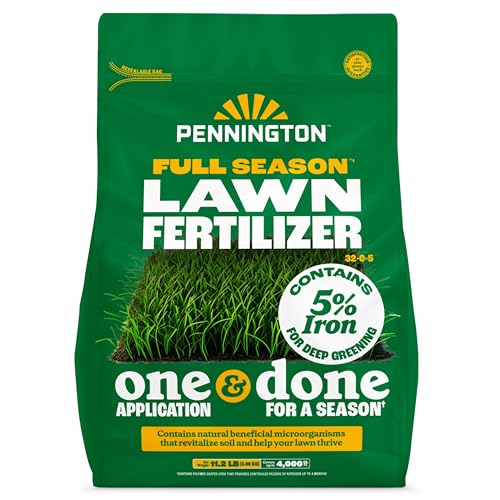
Pennington Full Season Lawn Fertilizer 4M 32-0-5 RF 3/11.2Lb
More Details On Our Top Picks
Hi-Yield takes the soil-first route, which matters for lawns and beds that run a little alkaline. Granular iron sulfate is a straightforward format, so you’re not mixing a sprayer or handling a liquid bottle in the garage.
That makes it a sensible fit for acid-loving plantings nearby the lawn, too, because the product is aimed at lowering pH while addressing iron shortage. The trade-off is that this is less of a quick cosmetic fix and more of a correction-minded choice, so patient gardeners usually get more from it.
Strong Points
- Granular form keeps application simple and tidy.
- Targets iron shortage with a soil-adjustment angle.
- Useful around acid-loving plantings, not just turf.
- Works well for gardeners who prefer measured, ground-level care.
Things To Consider
- Better for correction than for a fast color pop.
- Granules need careful spreading for even coverage.
- Stored bags take more shelf space than liquid concentrates.
Feature Rundown
Who It Suits Best
Gardeners managing iron-poor soil around acid-loving plants will get the most from this one.
Where A Sibling Pick Shines
Scotts Liquid Green Max Lawn Food fits homeowners who want a quicker visual lift with less spreading work.
This Ironite formula moves beyond iron alone, adding nitrogen, phosphorus, and potassium, the three core macronutrients plants use in different ways. That balance helps it suit shrubs, trees, and some yard edges where you want feeding and color support in the same pass.
In a mixed landscape, that kind of all-around approach saves you from juggling several boxes at once. The downside is that a broad fertilizer blend can feel less targeted than Hi-Yield’s soil-correction angle, so it suits maintenance better than specialized pH work.
What We Like
- Combines iron with a 12-10-10 feeding mix.
- Fits shrubs, trees, and general landscape care.
- Granular format keeps application familiar and controlled.
- Useful for color support and broader plant feeding.
Room For Improvement
- Less targeted for pure soil correction.
- Small bag size may mean more frequent replenishment.
- Granular feeding usually needs even distribution for best coverage.
Core Details
The Right Fit
Homeowners caring for shrubs, young trees, and the edges of a mixed yard will get the best match here.
Look Elsewhere When
Yard Mastery 24-0-6 Flagship Granular Lawn Fertilizer with 3% Iron makes more sense for a lawn-first routine with longer feeding intervals.
PetraMax leans into a liquid concentrate format, and that usually appeals to homeowners who want broader turf coverage without hauling around a bulky spreader load. The blend includes nitrogen, iron, humic material, and sea kelp, so the focus is on a fuller feeding profile rather than iron alone.
Coverage up to 16,000 square feet makes it feel well matched to larger yards, especially where you want one container to handle a broad sweep. The catch is that liquid feeding asks for a sprayer or compatible application setup, so it fits smoother routines better than grab-and-go jobs.
Highlights
- Liquid concentrate spreads across large lawn areas efficiently.
- Includes several input types beyond iron alone.
- Coverage claim suits big suburban lawns.
- Works well for owners who like fast setup and broad application.
Points To Note
- Liquid use depends on having the right application gear.
- Broader formula may be more than some small yards need.
- Mixing and spraying add a step compared with granular products.
Details At A Glance
Best Suited To
Property owners with larger lawns and a sprayer-ready routine will feel at home with this concentrate.
Swap It Out When
Southern Ag Iron Granules is the simpler route for smaller spaces that you want to feed without mixing liquid.
Yard Mastery sits in the middle of the road in a good way, with a lawn-focused formula that does a lot without turning fussy. The 24-0-6 ratio tells you it’s heavy on nitrogen, light on phosphorus, and backed by potassium plus 3% iron, so it speaks the language of full-lawn maintenance rather than spot treatment.
Bio-Nite and the slow-release nitrogen matter for homeowners who want feeding that lasts beyond a single quick flush of growth. That slower release can feel a little less dramatic at first, yet it usually suits steady lawn care better than fast, one-day color chasing.
Upsides
- Well suited to broad lawn maintenance.
- Slow-release nitrogen supports steadier feeding over time.
- 3% iron adds color support without making the formula feel one-dimensional.
- 45 lb bag works well for larger yards.
- Micronutrient support gives the mix more range than basic lawn food.
Softer Spots
- Bag size and weight can feel bulky to move and store.
- Slow-release feeding is less dramatic than a quick liquid application.
- Best results depend on even spreading across the turf.
Spec Overview
Whose Shelf It Belongs On
This fits homeowners managing a full lawn care routine and wanting one granular bag to cover a lot of ground.
Another Choice May Suit
Scotts Liquid Green Max Lawn Food suits you better for a faster liquid pass on smaller or mid-sized areas.
Scotts keeps the format simple, and that’s exactly why plenty of homeowners reach for a liquid like this. A 2-in-1 mix combines fertilizer and iron support, so you can handle feeding and color support in one application rather than splitting the job into separate products.
Use on any grass type gives it broad appeal for mixed neighborhoods or yards with more than one turf section. The trade-off is that a liquid bottle tends to fit quicker touch-ups better than long-haul seasonal feeding, especially on bigger properties.
Bright Spots
- Liquid format makes application straightforward.
- Combines two lawn care functions in one bottle.
- Fits a wide range of grass types.
- Handy for homeowners wanting a faster visual refresh.
Areas To Watch
- Small bottle suits spot work more than large acreage.
- Liquid application may require a sprayer or compatible spreader setting.
- Less suited to slow, season-long feeding plans.
Feature Card
Made For Busy Kitchens
Busy homeowners who want a quick lawn refresh without a large bag or long setup will appreciate the simple bottle format.
Reach For A Different Pick When
Yard Mastery 24-0-6 Flagship Granular Lawn Fertilizer with 3% Iron fits better for a larger lawn that benefits from slower feeding.
Southern Ag stays plain and direct, which is appealing for anyone who wants a granular iron option without extra bells. The product emphasizes no mixing and no spraying, so it fits the kind of lawn routine where you’d rather spread and move on.
It also leans into soil correction by addressing iron shortage, lowering pH, and dealing with high alkalinity, so it’s more than just a color aid. For smaller yards or targeted plant areas, that focused approach can be a better fit than PetraMax’s broader liquid formula.
Reasons To Buy
- No-liquid format keeps the workflow simple.
- Granules suit spot applications and smaller lawn sections.
- Useful for acid-loving and tropical plant settings.
- Addresses iron shortage along with soil pH concerns.
Minor Gripes
- Smaller bag means less reach for larger properties.
- Granular spreading still rewards even hand or tool application.
- Less convenient than a liquid for instant coverage jobs.
Technical Sheet
Built With In Mind
Smaller lawns, targeted garden beds, and homeowners who want a simple spread-and-go routine fit this product well.
Where A Sibling Pick Shines
PetraMax Neighbor’s Envy Grass Fertilizer for Lawn & Garden makes more sense for wide turf coverage in a liquid format.
Pennington is built for a longer feeding rhythm, and that matters for homeowners who prefer fewer applications across the season. The 32-0-5 formula puts nitrogen in the lead, adds potassium, and uses a slow-release approach, so it’s aimed at steady lawn support rather than a quick visual surge.
The 4M label points to one seasonal application in the product’s framing, which can simplify the calendar for busy households. The trade-off is that this kind of product works best for a planned routine, not for someone trying to spot-fix yellowing patches over the weekend.
Best Bits
- Slow-release feeding helps reduce repeat application work.
- Season-focused format suits hands-off lawn care.
- 32-0-5 blend supports turf maintenance across the year.
- Useful for homeowners who want a simpler feeding schedule.
Small Caveats
- Less focused on iron than some other picks here.
- Works better as a seasonal plan than a quick correction tool.
- Best results depend on timing and even spreading.
Core Details
Made For Busy Kitchens
Busy homeowners who want fewer feeding days on the calendar will appreciate the seasonal rhythm here.
A Better Fit Elsewhere
Hi-Yield (32340) Iron sulfate, 4 lbs suits you better when the main goal is iron correction and soil adjustment.
How To Choose The Right Iron Fertilizers For Lawn
Match The Form To Your Routine
Granular products suit homeowners who like a spreader, a measured pass, and less cleanup. Liquid products suit quicker color-up routines and yards that already have a sprayer or hose-end setup.
The form also changes how much control you have over placement. Granules work well for broad coverage and soil-focused feeding, while liquids make sense for faster application on turf that needs a visible boost.
Read The Nutrient Mix Closely
Iron-only choices work differently from complete lawn foods. A product with nitrogen, phosphorus, and potassium does more general feeding, while iron sulfate leans harder into soil correction and pH adjustment.
That difference matters in real yards. A tired lawn with multiple nutritional gaps usually benefits from a fuller blend, while a lawn that already gets regular feeding may only need a targeted iron product.
Think About Yard Size And Storage
A 32 oz bottle fits a compact shed shelf far more easily than a 45 lb bag. The opposite is also true, since the bigger bag often makes more sense for a larger property and fewer refills.
Coverage numbers deserve a close look because they tell you whether the container matches your lawn without waste. For a small front yard, a lighter package is easier to handle; for a wide back lawn, larger formats usually keep the workflow calmer.
Decide How Much Follow-Up You Want
Some iron fertilizers are built for seasonal upkeep, while others are better for spot work or a quick visual refresh. Slow-release formulas reduce repeat applications, but they ask for patience.
Fast-acting liquids give you a more immediate application experience, yet they often need more setup and more frequent attention. That trade-off is usually the deciding factor for busy homeowners with limited weekend time.
A Quick Reality Check Before You Shop
Where Shoppers Go Wrong
One common miss is choosing an iron product without looking at the rest of the nutrient profile. A yard that needs general feeding can feel underfed with an iron-only option, while a lawn that only needs a correction step may not need a full blend.
Another easy mistake is ignoring application style. Liquid formulas are convenient only when you already have a way to apply them cleanly, and granular bags still need even spreading to avoid patchy results.
The Upgrade Payoff
Higher-tier products in this category often cost more because they pack in more than basic iron. Slow-release nitrogen, micronutrients, humic material, and more refined coating or granule design all add to the formula and the manufacturing step.
That extra spend makes sense when you want fewer applications, broader turf support, or a larger coverage area. For a small yard with a simple color issue, a plainer product often does enough without adding complexity.
Frequently Asked Questions
What Does Iron Do For A Lawn?
Iron supports greener color, especially where grass looks pale or washed out. It also helps when soil conditions make it harder for turf to use nutrients well.
Are Liquid Or Granular Iron Fertilizers Better?
Liquid formulas suit fast application and quicker visual refreshes. Granular products usually fit longer feeding plans and broader coverage.
Can You Use Iron Fertilizer On Any Grass Type?
Some products in this list are broad enough for many grass types, while others are better matched to soil or landscape conditions. Always match the format and nutrient profile to your yard rather than the label alone.
How Often Should You Apply An Iron Lawn Product?
That depends on the formula and your lawn’s condition. Slow-release products are made for fewer applications, while quick liquid options are often used for more immediate maintenance.
Does A Higher Iron Percentage Automatically Mean A Better Choice?
Not always, because iron is only part of the picture. The rest of the formula, the application style, and your soil conditions matter just as much.
