

Lawn moths can turn a tidy yard into a patchy headache, especially when damage shows up before you know what’s chewing through grass and borders. You’re probably comparing granules, concentrates, and perimeter treatments, and the right match depends on how large your space is, how often you treat, and whether you want broader insect coverage or a narrower moth-focused option. This roundup keeps the focus on practical fit, so you can match the product to your lawn, garden beds, and routine without sorting through marketing fluff.
The Shortlist At A Glance

Martin’s 32 oz Permethrin 13.3% Concentrate

Bayer Merit 0.5 Granular Systemic Insect Control 30 Pound Bag

Martin’s 32 oz Cyonara Lawn & Garden Concentrate 1 Quart
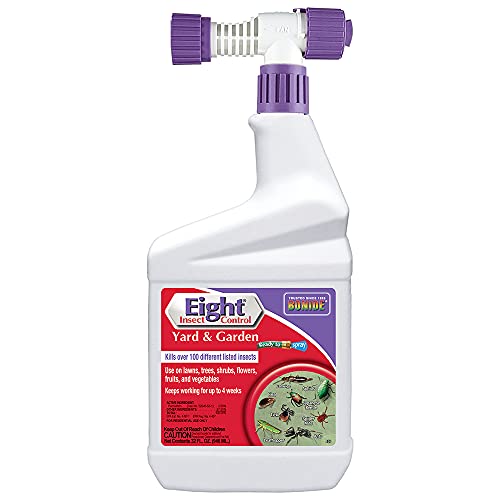
Bonide Eight Insect Control Yard & Garden 32 oz Ready-to-Spray

Monterey BT Bacillus Thuringiensis Worm and Caterpillar Control 16 oz

Ortho Lawn Insect Killer Granules 20 lbs.

Sevin Garden Perimeter Insect Granules 3lb

Ortho Bug B Gon Insect Killer for Lawns 20 LB
More Details On Our Top Picks
Permethrin is a synthetic pyrethroid, a class of insect control ingredients that acts quickly on contact, and that matters in yards where moth damage often arrives alongside a mix of other pests. You get an indoor-and-outdoor concentrate, so the same jug can fit porch edges, foundation zones, and other problem spots without forcing you into separate products.
The trade-off is straightforward, because a concentrate asks you to handle mixing and application care rather than giving you a ready-to-spray shortcut. For most homes, that extra step is worth it when you want a broad-use option that feels more adaptable than the ready-to-spray Bonide pick.
Strong Points
- Works in both indoor and outdoor settings, which helps when moth pressure spreads beyond the lawn edge.
- The concentrate format lets you stretch the jug across multiple treatment sessions.
- Useful for homeowners who want one product for several nuisance insects, not just a single lawn issue.
- Compact packaging stores more easily than a bulk granular bag in a crowded shed.
Things To Consider
- You need to mix it correctly, so the routine takes more attention than a hose-end spray.
- Concentrates usually mean more cleanup around measuring and storage.
- The broad-use design suits general pest control more than a narrow moth-only plan.
Feature Rundown
Who It Suits Best
Homeowners who want a flexible concentrate for mixed pest problems will get the most out of this one.
Swap It Out When
Martin’s 32 oz Cyonara Lawn & Garden Concentrate 1 Quart makes more sense for a gardener who wants a similar spray-style path with a different formulation.
A 30-pound granular bag makes sense for larger properties, where walking the same turf more than once starts to matter. Imidacloprid at 0.5% is the active ingredient listed here, and the systemic format means it is designed to move through the plant or turf system rather than sitting only on the surface.
That setup can be a smart fit around turfgrasses, trees, shrubs, evergreens, flowers, foliage plants, and ground covers. The honest read is that the bag size and application style suit people who already know their way around a spreader, which makes it less casual than the Bonide spray but more scalable for serious yard care.
What We Like
- The large bag covers substantial ground, which helps on wide lawns and planted borders.
- Systemic action gives you a different approach than contact-only sprays like Martin’s Permethrin concentrate.
- Broad plant-use coverage adds flexibility across ornamental beds and turf.
- Granules are easier to distribute evenly across large areas than spot-spraying every section.
Worth Noting
- The 30-pound size is bulky to lift and store.
- Granular application depends on having the right spreader and a steady walking pace.
- The fit makes more sense for large, established yards than for small patch jobs.
Core Details
Built With In Mind
This suits homeowners managing large yards or mixed landscape beds who want a granular route instead of a spray.
Where A Sibling Pick Shines
Ortho Lawn Insect Killer Granules 20 lbs. is the easier fit for someone who wants a broad lawn treatment with a simpler, more consumer-friendly bag size.
This is the kind of concentrate that fits regular lawn-and-garden routines without feeling oversized for everyday storage. Compared with the broader indoor-outdoor Martin’s Permethrin pick, Cyonara leans more toward outdoor yard work, so it makes sense for homeowners who want a straightforward lawn spray in quart form.
You may find it especially handy for recurring perimeter treatments, spot care around beds, and general maintenance in a busy season. The trade-off is the usual concentrate chore, because mixing adds a step, but that also gives you more control over how much product goes where.
Upsides
- Quart size is easier to store than a large granular bag.
- Concentrate format helps you tailor coverage for the area you actually need to treat.
- Feels practical for homeowners who already keep a sprayer on hand.
- Pairs well with regular yard maintenance rather than occasional one-off use.
Points To Note
- You need to mix and apply it yourself, so it takes more setup than a ready-to-use product.
- Outdoor focus makes it less broad than Martin’s Permethrin for mixed indoor-outdoor jobs.
- Sprayer cleanup becomes part of the routine.
Quick Facts
Right Fit For
Homeowners who already use a sprayer and want a manageable lawn concentrate will get the most from this bottle.
Look Elsewhere When
Bonide Eight Insect Control Yard & Garden 32 oz Ready-to-Spray suits you better when a hose-end style setup matters more than mixing a concentrate.
Ready-to-spray products save time, and that is the main appeal here for yard owners who want a quicker path from bottle to application. Bonide’s yard-and-garden setup is easy to picture around lawns, beds, and border plants, especially when the issue is general insect pressure rather than one narrow pest type.
Compared with the concentrate-heavy Martin’s picks, this one trims away the measuring step, which helps in a typical weekend maintenance routine. The catch is that ready-to-spray formats usually offer less customization, so it suits convenience more than fine-tuned mixing.
Positives
- Ready-to-spray format keeps application simple.
- Useful for homeowners who want faster cleanup and less measuring.
- Works well for broad yard-and-garden coverage.
- Handy for routine exterior care where convenience matters more than exact dilution control.
- The format is friendly to occasional users who do not want to fuss with sprayer calibration.
Small Caveats
- Less flexible than a concentrate when you want to fine-tune coverage.
- Hose-end style convenience can leave you with less control over application rate.
- Storage is straightforward, though the bottle still takes up more room than a small concentrate container.
Details At A Glance
The Right Fit
This suits homeowners who value convenience and want a simpler path than concentrates or granular spreader work.
Reach For A Different Pick When
Martin’s 32 oz Cyonara Lawn & Garden Concentrate 1 Quart makes more sense for someone who wants a spray format with more control over mixing.
BT stands for Bacillus thuringiensis, a naturally occurring soil bacterium used in garden pest control, and that narrow focus is what makes this bottle different from the broader lawn products in this roundup. The listed targets include caterpillars and worm-type pests such as cabbage looper, bagworm, gypsy moth, fall cankerworm, and elm spanworm, so you get a purpose-built choice rather than a general perimeter spray.
It also comes with a measuring spoon, which helps with small-batch mixing in vegetable beds and ornamental plantings. That said, the narrow target range means it is not the right all-purpose answer for every lawn moth problem, and that honesty matters more here than with the broader Ortho and Martin’s picks.
Reasons To Buy
- Very focused pest coverage for worm and caterpillar pressure.
- Good fit for gardeners who want a narrower tool instead of a broad insecticide.
- The included spoon helps with small, careful mix jobs.
- Useful around plantings where a more selective approach feels appropriate.
Areas To Watch
- It targets a smaller pest list than the broad lawn sprays.
- Not a general one-bottle solution for mixed yard problems.
- Concentrate format still asks for mixing and cleanup.
Technical Sheet
Who Should Grab It
Gardeners focused on caterpillars and worm pests, especially around beds and planted areas, are the best match.
A Better Fit Elsewhere
Bayer Merit 0.5 Granular Systemic Insect Control 30 Pound Bag suits larger properties that need a heavier granular route across turf and landscape zones.
Large lawns benefit from granules because they let you cover space without standing over a sprayer all afternoon, and this bag is built around that exact kind of job. The brand says it treats up to 20,000 square feet, which gives you room for bigger yards, landscape strips, and broad perimeter care in one pass.
Compared with Bayer Merit, this option feels more consumer-friendly for homeowners who want wide coverage without moving into a more advanced landscape program. The trade-off is that granules work best when you follow the water-in step and give the area time to dry before anyone heads back out.
Highlights
- Wide coverage suits large yards and long perimeter runs.
- Granular format spreads well with a compatible lawn spreader.
- Useful for lawn, garden, and landscape treatment in one product.
- Contact and below-ground action add flexibility against listed pests.
Room For Improvement
- Granules require watering in, so the job takes a little more follow-through.
- The 20-pound bag is bulky to move and store.
- Best results depend on consistent spreader coverage across the yard.
Feature Card
Best Suited To
This suits homeowners with large lawns who want broad, spreader-based insect control.
Another Choice May Suit
Bonide Eight Insect Control Yard & Garden 32 oz Ready-to-Spray fits better for someone who wants faster application with less equipment.
The smaller 3-pound bag makes this feel more approachable for compact yards, patio borders, and targeted perimeter work. Sevin’s above-and-below-surface control gives you a perimeter-style option that can sit between a one-off spray and a larger granule program like Ortho’s 20-pound bag.
That scale is useful for homeowners who want to treat the edge of the yard without handling bulky sacks. The flip side is obvious, because a smaller bag is not the right answer for expansive turf, so it shines most where the treatment zone is tighter and more defined.
Best Bits
- Small bag size is easier to carry and store.
- Perimeter-focused use suits targeted treatment around plants and borders.
- Above- and below-surface action adds flexibility in how the product is used.
- Good fit for smaller properties that do not need a bulk bag.
Softer Spots
- Limited bag size makes it less practical for wide lawn coverage.
- Not as scalable as larger granule options for big yards.
- You still need to plan application along the areas where insects actually travel.
Spec Overview
Whose Shelf It Belongs On
This suits homeowners with smaller spaces who want a compact granule option for edges and garden borders.
Skip It When
Ortho Lawn Insect Killer Granules 20 lbs. is the better fit for larger lawns that need broad coverage.
This is a broad lawn treatment for homeowners who want one bag to handle a long list of listed pests across turf, ornamentals, home perimeter areas, and certain edible plantings in vegetable gardens. It treats up to 20,000 square feet and is designed for use before problems spread, or after you spot the first signs of insect damage.
Compared with Sevin’s smaller perimeter bag, this one feels more like a whole-yard plan than a tight-border solution. The practical upside is clear, but so is the catch, because broad-spectrum granules deserve careful placement and watering so the treatment is spread evenly.
Bright Spots
- Large coverage area supports big lawns and landscape zones.
- Broad insect list makes it useful when you are dealing with more than one pest type.
- Works on lawns, ornamentals, home perimeter areas, and listed edibles in vegetable gardens.
- Can be used proactively or at the first sign of activity.
Honest Caveats
- The 20-pound bag takes space in storage.
- Granules still require even application and watering for practical use.
- The broad approach can feel like more product than a narrow moth-only treatment needs.
Core Details
Made For
This suits homeowners who want broad insect coverage across a big property with several treatment zones.
Not Your Match When
Monterey BT Bacillus Thuringiensis Worm and Caterpillar Control 16 oz is the better fit for a gardener who wants a narrower approach for caterpillars and worm pests.
How To Choose The Right Insecticides For Lawn Moths
Match The Form To Your Yard Routine
Granules make sense for broad lawns because they spread with a lawn spreader and cover large areas without constant spray passes. Concentrates suit people who already keep a pump or tank sprayer around and want more control over dilution and coverage.
Ready-to-spray products trim away mixing, which helps in weekend maintenance or quick perimeter work. The trade-off usually shows up in flexibility, since you lose some control over how concentrated the application becomes.
Look Past The Pest Label
Lawn moth damage rarely arrives alone, so a broader insect list can matter more than a narrow moth reference. Products like Ortho Bug B Gon and Martin’s Permethrin make more sense when you also face ants, fleas, ticks, or other nuisance insects around the yard.
A narrower product still has a place. Monterey BT is the cleaner fit for caterpillars and worm-type pests in garden beds, especially where you want a more targeted tool instead of a wide lawn program.
Think In Terms Of Coverage And Re-entry
Coverage numbers matter because they tell you how far the package will stretch, and that matters fast on larger properties. A 20,000-square-foot label is a very different job from a 3-pound perimeter bag, even before you factor in storage space and bag handling.
Water-in steps, drying time, and simple cleanup also shape the real ownership experience. For homes with pets, kids, or frequent foot traffic, a product that fits your application routine tends to be easier to live with than one that sounds powerful on paper.
Choose The Level Of Commitment You Want
Some products fit occasional spot treatment, while others lean toward a more regular turf-care rhythm. A large bag like Bayer Merit can make sense for an established property, but it asks for more equipment and a steadier treatment plan.
Smaller homes and tighter borders usually do better with compact bags or a ready-to-spray bottle. That keeps the process lighter, and it lowers the odds that a big package sits half-used in the garage.
What To Weigh Before You Click Through
Traps First Timers Fall Into
Shoppers often match the product to the pest name alone and miss the format, which matters just as much. A granule bag can be awkward on a small patio edge, while a concentrate can feel tedious for someone who wants a fast, simple treatment.
Another common miss is buying more coverage than the yard can actually use. That sounds efficient, but it can leave you storing a bulky bag longer than you expected.
What The Upgrade Payoff
Higher-tier options usually give you broader coverage, more precise control, or a more specialized ingredient profile. That is why the large-bag granular picks and the targeted BT concentrate feel more refined than a basic one-size bottle.
The upgrade makes sense when the lawn is large, the pest pressure is recurring, or you want a product that fits a more specific job. For smaller yards, the extra expense often buys more capacity than you need, so the simpler pick is easier to live with.
Frequently Asked Questions
Do Lawn Moth Products Work On Other Insects Too?
Many do, especially the broader lawn and perimeter granules. The product label matters more than the category name.
Are Granules Better Than Sprays For Lawn Moths?
Granules suit larger yards and spreader-based routines. Sprays fit smaller jobs and tighter perimeter work.
Does Coverage Size Matter That Much?
Yes, because package size changes how often you reload and how much yard you can cover in one session. A big lawn needs a very different format from a small border bed.
Is A Narrow Product Enough For Moth Damage?
It can be, especially when caterpillars or worm-type pests are the real problem. Broader lawn products make more sense when the yard has mixed insect pressure.
What Should You Check Before Applying Anything?
Check the label for the areas it supports and the insects it lists. You should also match the format to your spreader or sprayer routine so the job stays manageable.
