

Insect pressure can turn a decent lawn into a patchy headache fast, especially in warm months when surface-feeding pests stay active near turf, foundations, and garden edges. You need options that match your yard size, your spray or spreader setup, and how much feeding or coverage you want bundled into the same step.
This roundup keeps the focus on practical fit. Some picks work better for broad, open lawns, while others suit perimeter care, quick spray coverage, or a fertilizer-and-control combo that pulls double duty.
Quick Look At The Shortlist

Jonathan Green 12011 Summer Survival Insect Control 13-0-3

Ortho Bug B Gon Max Insect Killer for Lawns
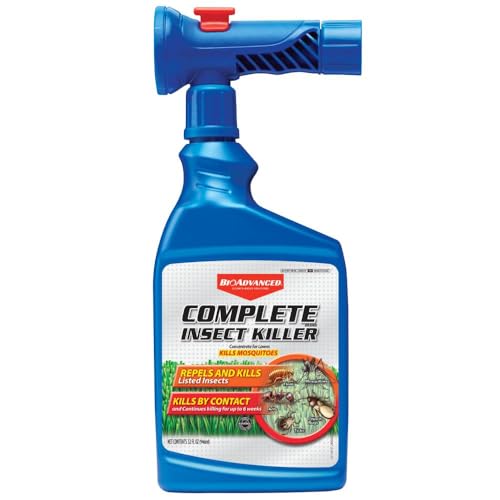
BioAdvanced Complete Brand Insect Killer Concentrate for Lawns 32 fl oz

Control Solutions Cyonara Lawn Garden RTS Ready-to-Spray 32 Ounce
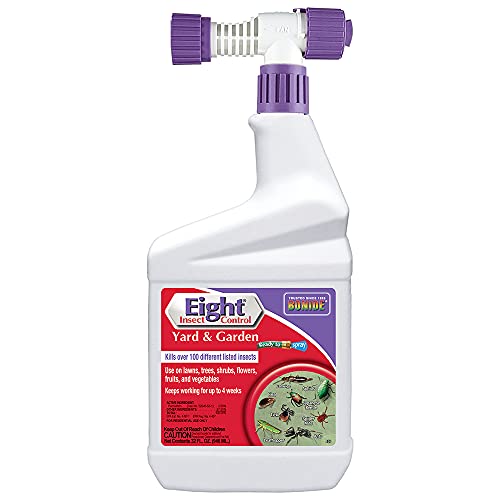
Bonide Eight Insect Control Yard Garden 32 oz Ready-to-Spray

Ortho Lawn Insect Killer Granules 20 lb

Sevin Garden Perimeter Insect Granules 3 lb

Ortho Bug B Gon Insect Killer for Lawns 20 lb
More Details On Our Top Picks
Jonathan Green takes a practical route here, pairing insect control with a 13-0-3 lawn fertilizer blend. That means you’re not just handling surface-feeding pests, you’re also feeding the turf at the same time, which helps in a busy summer yard where separate chores pile up fast.
The controlled-release nitrogen is the detail that matters most for many home lawns, since it’s aimed at steadier color rather than a short burst of growth. The trade-off is simple, though, this is more of a seasonal lawn-care combo than a pure insect-only treatment, so it fits best when your grass needs food as much as pest control.
Strong Points
- Combines insect control with lawn feeding in one pass
- 13-0-3 analysis suits summer turf upkeep
- Controlled-release nitrogen helps stretch feeding over time
- Covers several common lawn pests, including chinch bugs and ants
- Useful around lawns, landscape areas, and building edges
Things To Consider
- Best fit drops a bit for yards that only need pest control
- Granular lawn care still asks for even spreader use
- Any fertilizer blend means you need to match it to your turf goals
Feature Snapshot
Who It Suits Best
Homeowners who want a lawn feeder and insect control step bundled together will get the most from this pick.
A Better Fit Elsewhere
Ortho Lawn Insect Killer Granules fits better for you if you want a larger granular treatment without adding fertilizer to the mix.
For broad lawn coverage with a long residual window, this Ortho granular bag has a straightforward appeal. It works above and below the surface, so you’re addressing pests already active in turf and the ones moving underneath it, which is useful on yards that seem to keep cycling through the same insect pressure.
The 10 lb bag treating up to 10,000 sq. ft. gives it a clean fit for medium and larger lawns. The honest trade-off is that a granular treatment takes a little more setup than a spray bottle, so it suits someone who doesn’t mind working with a spreader and watering the area after application.
What We Like
- Listed as controlling 100 insects for up to 3 months
- Works both above and below the soil surface
- 10 lb bag covers up to 10,000 sq. ft.
- Good match for recurring pest pressure across larger yards
Areas To Watch
- Granules take more application setup than a ready spray
- Works best with a spreader, so storage and cleanup matter
- The bag format suits lawn users more than quick spot treatments
Core Details
Who Should Grab It
This suits homeowners with larger lawns who want a granular treatment and a longer control window.
Where A Sibling Pick Shines
BioAdvanced Complete Brand Insect Killer Concentrate for Lawns fits better for you if you prefer a spray approach and want faster application around edges and problem spots.
Ready-to-spray formulas make sense for people who want to cover lawn edges, trouble spots, and perimeter zones without mixing anything. BioAdvanced leans into that convenience, and the contact-kill claim matters because it speaks to fast action on active insects rather than a slow, wide-area routine.
It also keeps working for up to 6 weeks, which makes it a steady option for a yard that needs regular attention but not a heavy granular program. Compared with Ortho Bug B Gon Max, this one is more about faster handling and easier spray use than long-lasting bag coverage.
Upsides
- Ready-to-spray format saves mixing time
- Kills by contact for active insect pressure
- Listed for fleas, ticks, ants, aphids, caterpillars, chinch bugs, and mole crickets
- Continues working for up to 6 weeks
- Fits quick perimeter work and spot treatment around the yard
Small Caveats
- Spray use is more hands-on than a simple spreader pass
- Coverage duration is shorter than the longest granular options here
At A Glance
Built With In Mind
You’ll get the most from this if your yard routine leans toward spray-and-go convenience and you want a quick response around the lawn.
Another Choice May Suit
Jonathan Green 12011 Summer Survival Insect Control 13-0-3 is a better fit for you if you also want lawn feeding built into the same application.
Cyonara’s ready-to-spray setup leans toward convenience, especially in yards where you want to move quickly around borders, patio edges, and garden transitions. The 32-ounce size keeps it compact, which can be handy for storage in a crowded shed or garage cabinet.
Because it’s a spray concentrate in RTS form, the real value shows up in routine use rather than heavy-duty lawn coverage. You may find it especially handy for repeated perimeter treatment, though it asks for careful handling so the spray pattern stays even and intentional.
Bright Spots
- RTS format simplifies application
- Compact 32-ounce bottle is easy to store
- Useful for perimeter and garden-edge treatment
- Works well for routine yard upkeep
Worth Noting
- Smaller container means less area per bottle than bagged options
- Spray application requires more attention to coverage consistency
Details At A Glance
The Right Fit
This works best for homeowners who want a compact spray option for yard edges, garden borders, and regular maintenance.
A Better Fit Elsewhere
Ortho Lawn Insect Killer Granules 20 lb is the stronger match for you if your lawn is large enough to justify a spreader-based granular treatment.
Bonide’s yard-and-garden approach makes sense for homes where the line between lawn, planting beds, and perimeter space is always a little blurry. The ready-to-spray format keeps the process simple, and that matters on regular weekend upkeep days when you’d rather not pull out extra gear.
Compared with the more targeted sprays in this list, this one leans toward broad outdoor flexibility. The trade-off is that a general-purpose formula can feel less specialized than a lawn-only product, but that also makes it easier to use across mixed spaces.
Best Bits
- Works across yard and garden areas
- Ready-to-spray format is straightforward
- Good fit for mixed outdoor spaces
- Useful for regular perimeter maintenance
Points To Note
- General outdoor focus is less specialized than narrow lawn-only formulas
- Spray maintenance still asks for a little setup and cleanup
Feature Card
Whose Shelf It Belongs On
This fits homeowners who want one spray for lawn edges, beds, and general outdoor insect control.
Reach For A Different Pick When
BioAdvanced Complete Brand Insect Killer Concentrate for Lawns fits better for you if you want a more lawn-centered spray with a shorter, more focused residual window.
For a large property, granules often feel cleaner and more efficient than repeated spray passes, and this Ortho bag leans hard into that advantage. It treats up to 20,000 sq. ft., which makes it a sensible choice for broader lawns, landscaped stretches, and foundation-adjacent zones where coverage matters more than speed.
It also works above and below the ground and is meant to provide 3-month outdoor control, so the value here is in wider coverage with less frequent reapplication. The catch is that you’ll want a Scotts spreader and a watering step, so it suits someone comfortable with a more deliberate yard routine.
Reasons To Buy
- Covers a very large area, up to 20,000 sq. ft.
- Granules can feel efficient on open lawns and landscape beds
- Works above and below ground
- Three-month outdoor control helps reduce repeat visits
- Useful along the lawn edge and home foundation
Room For Improvement
- Needs a spreader for best handling
- Requires watering and a dry-down period before re-entry
- Less convenient for tiny spot treatments than a spray bottle
Spec Overview
Perfect Match For
This belongs with homeowners managing a large lawn who don’t mind the extra steps that come with granular application.
Swap It Out When
Control Solutions Cyonara Lawn Garden RTS Ready-to-Spray 32 Ounce is a better fit for you if you want quicker handling and smaller-batch spray use.
Sevin’s 3 lb granule format feels purpose-built for tighter perimeter work and smaller garden zones. That smaller package can be easier to store and handle than the bigger Ortho bags, especially in garages where shelf space already disappears fast.
Its 3-month control window and above-and-below-surface action make it a tidy border treatment for plantings near the lawn. The trade-off is obvious, though, you’re giving up the large coverage of the bigger granular options in exchange for a more compact package and targeted use.
Highlights
- Small 3 lb format is easy to store
- Useful for perimeter and garden border treatment
- Works above and below the surface
- Three-month control supports seasonal planning
Softer Spots
- Smaller package means less coverage than larger granular bags
- Best for targeted spaces rather than full-property treatment
Core Details
Who Will Love This
This fits homeowners who want a smaller granule pack for borders, beds, and precise yard edges.
Look Elsewhere When
Ortho Lawn Insect Killer Granules 20 lb is the better fit for you if your lawn is large enough to justify a much wider treatment footprint.
This is the broad-coverage Ortho bag in the group, and it has a useful mix of lawn, ornamental, and home-perimeter use. That flexibility matters for yards where insects don’t stay neatly in one zone, since you can treat turf, beds, and edge areas with the same product line.
It also offers up to 3 months of above-and-below-surface control, which keeps it in the same family as the other granular picks while adding more use locations. The trade-off is that the broader label makes it a little less focused than a lawn-only treatment, but that broader scope suits many mixed-property setups.
What We Like
- Works on lawns, ornamentals, and home perimeter areas
- Covers ants, fleas, ticks, chinch bugs, mole crickets, cutworms, and more listed insects
- Provides up to 3 months of control
- Granular format works well for larger outdoor zones
- Useful for early-season prevention or first signs of damage
Areas To Watch
- Granular use asks for spreader work and watering
- Broader use range can be more than some small lawns need
- Best fit drops for someone wanting a tiny spot-only treatment
Feature Rundown
Built With In Mind
This suits homeowners who want one granular treatment that can move between lawn, beds, and perimeter zones.
Where A Sibling Pick Shines
Bonide Eight Insect Control Yard Garden 32 oz Ready-to-Spray is the better fit for you if you want a simpler spray format for smaller mixed areas.
How To Choose The Right Insect Controls For Lawns
Match The Format To Your Yard
Granules and sprays solve the same problem in different ways. Granules suit wide lawns, straightforward spreader routines, and people who want even coverage across a large patch of turf, while ready-to-spray options work better for edges, problem spots, and quicker cleanup.
The format also affects storage and maintenance. Bagged granular products take more room but often cover more area per package, while spray concentrates keep the footprint smaller and feel easier to grab for routine touch-ups.
Think About Coverage And Control Length
Coverage area matters more than many shoppers expect, because a small bottle can look efficient until it runs out halfway through the yard. A 20,000 sq. ft. bag serves a very different home than a 5,000 sq. ft. treatment, so your lawn size should steer the shortlist first.
Control length matters too, especially in warm months when insect pressure returns quickly. Shorter windows fit quick fixes and seasonal spot care, while longer residual formulas suit yards that stay active through most of the summer.
Decide Whether You Want Feeding Built In
Some lawn insect controls stop at pest control, and others add fertilizer. A combo formula like Jonathan Green helps simplify summer upkeep, but it only makes sense when your grass actually needs feeding at the same time.
That extra feeding step can be a plus for tired turf, yet it also narrows the fit. You’ll be happier with a plain insect treatment when your lawn already has its feeding plan sorted.
Pay Attention To Application Routine
Most of the practical friction comes from setup, not from the label language. Spreaders, watering-in steps, and dry-down time all shape how easy a product feels in real use, especially in a busy backyard with kids, pets, and garden beds to work around.
Sprays ask for nozzle control and a steadier hand, while granules ask for patience and more square footage planning. The right choice is the one that fits the way you already handle yard work, not the one with the longest feature list.
What To Weigh Before You Spend
Hidden Buying Traps
A common slip is choosing a product for the label claim alone and forgetting the actual yard size. Another is overlooking whether the format needs a spreader, watering step, or more storage room than you have.
It also helps to avoid pairing a fertilizer blend with turf that doesn’t need extra feeding. That mismatch can leave you with more maintenance than necessary and less satisfaction from the result.
The Upgrade Payoff
Higher-tier products in this category usually cost more because they cover more ground, last longer, or add a second job like lawn feeding. You also pay for easier application systems, tighter targeting, or a formula that fits mixed spaces instead of just one use case.
The upgrade makes sense for larger properties, repeated insect pressure, or yards where convenience matters as much as control. For a smaller lawn or a quick perimeter touch-up, a simpler spray or a compact granule bag often does the job without extra complexity.
Frequently Asked Questions
How often should you apply lawn insect control?
That depends on the product’s stated control window and your local insect pressure. Shorter spray formulas suit more frequent upkeep, while longer granular options reduce how often you revisit the same areas.
Are granules better than sprays?
Neither format is universally better, because each serves a different kind of yard routine. Granules fit larger, more open lawns, while sprays work well for fast perimeter treatment and smaller spaces.
Can you use these around garden beds?
Some products in this roundup are labeled for lawns only, while others also cover ornamentals, flower beds, or home perimeter areas. Always match the use area on the product page to the part of your property you plan to treat.
Should lawn insect control also feed the grass?
That only helps when your lawn needs feeding at the same time. A combo product saves a step, but a plain insect treatment gives you more flexibility if your fertilizing plan is already set.
What should you check before applying anything?
Check the coverage area, the application method, and any required follow-up steps like watering or dry-down. Those details shape how smoothly the product fits into your yard routine.
