

Choosing lawn fertilizer gets simpler once you match the formula to your yard’s job. A new lawn needs different support than an established one, and a broad yard needs different coverage than a small patch near the porch.
This roundup focuses on budget-friendly options that make sense for seeding, steady feeding, and longer gaps between applications. You get a clearer path through the NPK numbers, bag sizes, and coverage claims without wasting money on the wrong type.
Quick Look at the Shortlist

Jonathan Green Starter Fertilizer 12-18-8 (1,500 Sq. Ft.)
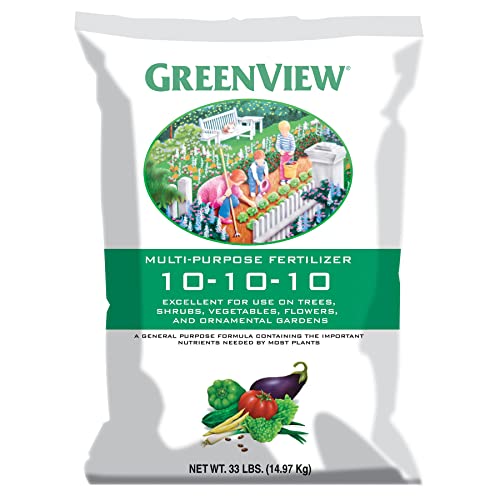
GreenView Multi-Purpose Fertilizer 10-10-10, 33 lb.
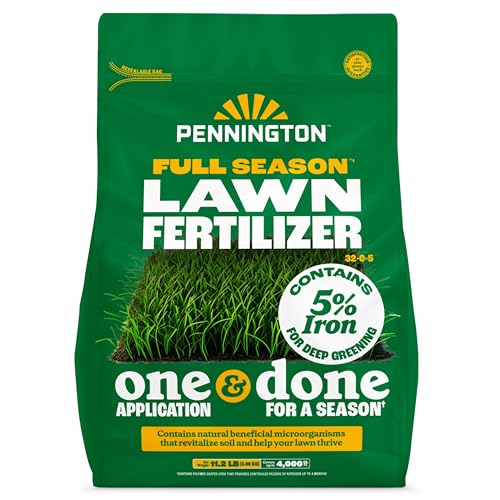
Pennington Full Season Lawn Fertilizer 4M 32-0-5 RF 3/11.2Lb
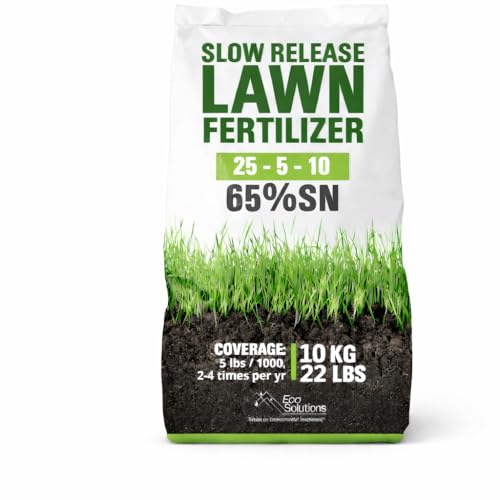
Eco Solutions Slow Release Lawn Fertilizer 25-5-10 NPK 10kg (22lbs) Bag

GreenView Lawn Food 16 lb. Bag, Covers 5,000 sq. ft.

O.M. Scott & Sons Natural Grass Food, 12.72 lbs.
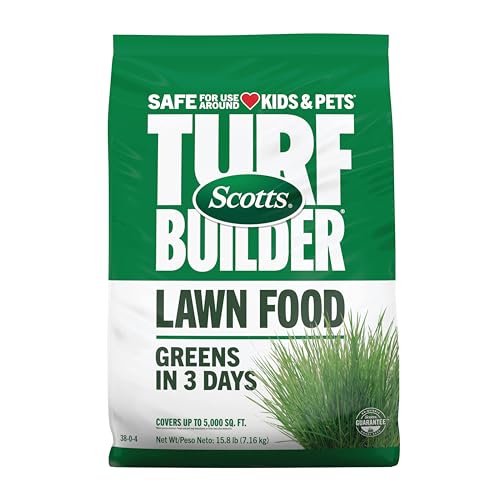
Scotts Turf Builder Lawn Food, 15.8 lbs.

Milorganite All-Purpose Eco-Friendly Slow-Release Nitrogen 6-4-0 Fertilizer, 32 lb Bag
More Details On Our Top Picks
New seed beds need different nutrition than an established lawn, and this 12-18-8 blend points right at that job. The higher middle number means more phosphorus, which is the nutrient tied to root development in starter formulas, so it fits seeding and sodding work better than a general feed.
The 1,500 square foot coverage is modest, which suits patch repairs, small front yards, or a new section along a driveway. Compared with GreenView’s broad 10-10-10 bag, this one is more specialized and less versatile, which is exactly the trade-off you accept for a starter formula.
Strong Points
- 12-18-8 analysis suits seed-starting and sod establishment.
- Coverage size matches smaller projects without much leftovers.
- Useful for lawns that need a focused first feeding.
Things To Consider
- It is more niche than a general lawn food.
- Smaller coverage means large yards need multiple bags.
Feature Snapshot
Who It Suits Best
You get the most from this pick during seeding or fresh sod installation on a smaller yard.
Where A Sibling Pick Shines
GreenView Multi-Purpose Fertilizer 10-10-10 is a better fit for homeowners who want one bag for more than just starter work.
A balanced 10-10-10 formula makes sense for yards that need one bag to do a lot of jobs. You can use it in a vegetable patch, ornamental beds, shrubs, or on grass, and that kind of flexibility matters when your weekend chores keep changing.
The 33-pound bag covers 3,300 square feet, so it works for a larger planting area without forcing constant repurchases. Compared with Jonathan Green’s starter blend, this one gives up the seeding-specific tilt in exchange for broader use, and that trade is easy to understand.
What We Like
- Balanced NPK makes it easy to use across the yard.
- Large coverage helps with broad property care.
- Fits vegetables, flowers, trees, shrubs, and lawns.
- Good choice for shoppers who want one general-purpose bag.
Points To Note
- General formulas are less targeted than starter mixes.
- The bag size can feel bulky in tight storage spaces.
- Broad-use formulas may not satisfy specialized lawn plans.
Core Details
Made For
You suit this pick well when your yard includes mixed plantings and you want one fertilizer for several areas.
Another Choice May Suit
Pennington Full Season Lawn Fertilizer 4M 32-0-5 RF 3/11.2Lb fits turf-first shoppers who want a more lawn-centered formula.
This one is built for a simpler lawn routine, since the product positioning points to one application per season. The 32-0-5 analysis leans hard toward nitrogen, which is the nutrient most closely tied to leafy growth and greener turf, so it suits owners who want a direct grass-focused feed.
The 4M detail suggests a slow-release style, and that usually means the feeding effect is spread out rather than dumped all at once. Compared with GreenView’s 10-10-10, Pennington is much more lawn-specific, which helps if flower beds and vegetable plots are not part of the plan.
Positives
- Seasonal use fits a low-maintenance lawn routine.
- High nitrogen level supports turf-focused feeding.
- Slow-release style suits owners who prefer fewer applications.
- Good match for lawns that need green-up attention.
Room For Improvement
- Its lawn-first focus leaves less room for garden use.
- Slow-release products may feel less immediate than quick feeds.
- Seasonal schedules depend on your climate and grass type.
Details At A Glance
Best Suited To
You fit this pick well when your main goal is lawn feeding with minimal seasonal upkeep.
Look Elsewhere When
Milorganite All-Purpose Eco-Friendly Slow-Release Nitrogen 6-4-0 Fertilizer suits mixed lawn-and-garden care with a gentler nutrient profile.
Eco Solutions leans into long feeding windows, and the 25-5-10 blend points toward stronger nitrogen support with some phosphorus and potassium in the mix. The claim of deep feeding up to 110 days makes it attractive for lawns where you want less frequent top-ups, especially during busy stretches of the season.
The 10 kg bag, listed as 22 pounds, sits in a practical middle ground for many homes. Compared with Pennington’s seasonal approach, this one gives you a long release span but not the same lawn-only framing, so it fits people who want a steadier pace rather than a strict calendar.
Best Bits
- Long feeding window reduces how often you reapply.
- Granular format is easy to spread with standard tools.
- Strong nitrogen content supports a greener lawn look.
- Bag size feels manageable for many suburban yards.
Small Caveats
- Long-release feeding is less suited to fast corrections.
- Granular products need even spreading to avoid patchy results.
- Coverage planning still depends on your lawn size.
Feature Card
The Right Fit
You suit this pick best when you want a slow-release lawn formula that keeps a lower-maintenance schedule.
Where A Sibling Pick Shines
Jonathan Green Starter Fertilizer 12-18-8 is the more sensible option for brand-new seed or sod work.
Big coverage changes the math for homeowners with more grass to feed, and this 16-pound bag reaching 5,000 square feet is the main reason it stands out. The 22-0-4 analysis is nitrogen-forward with added potassium, so it suits turf that needs steady feeding rather than a starter-style push.
The eight-week feeding window gives you a comfortable middle ground between short-cycle products and longer slow-release options. Compared with Eco Solutions, this GreenView bag is less about long endurance and more about straightforward wide-area lawn care, which can be easier to plan around.
Highlights
- Large coverage works well for broad lawns.
- Eight-week feeding suits a regular maintenance rhythm.
- 16-pound bag is easier to handle than bigger sacks.
- Simple turf formula keeps the use case clear.
Areas To Watch
- It is more lawn-specific than multi-use garden foods.
- Coverage still depends on how heavily you spread it.
- Storage needs a dry spot to keep the granules tidy.
Spec Overview
Who Will Love This
You suit this bag best when your lawn is large enough that broad coverage matters more than a specialized blend.
Skip It When
GreenView Multi-Purpose Fertilizer 10-10-10 is the smarter route for mixed beds, shrubs, and vegetable areas.
This formula feels aimed at people who want a slower, calmer feeding rhythm for a smaller lawn. The 10-week timing and 2,000 square foot coverage make it a tidy fit for modest yards, especially where you want a less aggressive schedule than the higher-nitrogen options above.
Compared with Scotts Turf Builder, this pick looks more restrained in both coverage and feeding pace. That can be a plus for owners who prefer a gentler approach, though the smaller coverage means a bigger yard will need more planning.
Upsides
- Ten-week feed window keeps lawn care spaced out.
- Smaller coverage suits compact or mid-size lawns.
- Natural positioning may appeal to cautious gardeners.
Worth Noting
- Coverage is lower than several other picks here.
- Smaller bag means less ground per purchase.
- Gentler pacing may not feel dramatic right away.
Technical Sheet
Who Should Grab It
You fit this pick well when your lawn is compact and you want a slower feeding schedule.
A Better Fit Elsewhere
GreenView Lawn Food 16 lb. Bag, Covers 5,000 sq. ft. suits larger yards that need more area per bag.
All grass types coverage gives this one a broad, practical role in a home lawn routine. The 38-0-4 analysis is strongly nitrogen-led, so it leans toward green-up and turf maintenance rather than starter work or mixed garden feeding.
Its 5,000 square foot coverage makes it a good fit for larger spaces or repeating applications across a season. Compared with O.M. Scott & Sons Natural Grass Food, this Scotts bag feels more assertive and wider in reach, which is useful for owners who want a common lawn food without much second-guessing.
Reasons To Buy
- Works across many grass types.
- Large coverage fits bigger yards.
- Nitrogen-heavy formula supports turf maintenance.
- Granular form spreads with standard equipment.
Softer Spots
- Lawn focus leaves less room for other plantings.
- Strong nitrogen emphasis may be more than some yards need.
- Granules need even distribution for a tidy finish.
Feature Rundown
Built With In Mind
You suit this pick best when you want a common lawn food for larger turf areas and multiple grass types.
Reach For A Different Pick When
GreenView Multi-Purpose Fertilizer 10-10-10 fits mixed yards that need both lawn feeding and broader garden use.
Milorganite takes a different path from the higher-nitrogen lawn bags above, with a 6-4-0 analysis that keeps the feeding gentler and more balanced. The slow-release nitrogen format works well for owners who want one bag that can stay in rotation for lawns, flowers, and garden spaces without feeling overly aggressive.
The included brochure is a practical touch, since spreader settings and seasonal timing can be confusing the first few times around. That makes this pick especially friendly for homeowners who want guidance alongside the bag, while the 32-pound size still gives it enough presence for more than a tiny patch job.
Best Bits
- Slow-release feeding suits a calmer lawn routine.
- Works across lawns, flowers, and garden beds.
- Brochure adds useful spreader and timing guidance.
- Lower-salt profile is a comfort for cautious upkeep.
Honest Caveats
- Lower nutrient numbers may feel modest to some lawns.
- Mixed-use formulas are less targeted than lawn-only bags.
- Paper guidance is handy, but your spreader still needs setup.
Core Details
Whose Shelf It Belongs On
You suit this pick well when you want a single fertilizer that can move between lawn, flowers, and garden areas.
Swap It Out When
Scotts Turf Builder Lawn Food 15.8 lbs. is the tighter fit for a lawn-only routine with a stronger nitrogen push.
How To Choose The Right Inexpensive Lawn Fertilizers
Match The Formula To The Job
NPK numbers tell you the split of nitrogen, phosphorus, and potassium, three nutrients that shape how a lawn responds. Nitrogen supports leaf growth and color, phosphorus matters more in starter blends for new roots, and potassium helps with overall plant function, so your choice should match the lawn’s stage rather than chase the biggest numbers.
A starter formula like Jonathan Green makes sense for seed or sod, while a turf food such as Scotts Turf Builder suits an established yard that needs routine color support. A balanced mix like GreenView 10-10-10 works better for mixed planting areas, because it does not lock you into one narrow use case.
Think In Terms Of Coverage And Bag Size
Coverage numbers matter as much as the nutrient mix, especially for homeowners who want to finish a whole yard in one pass. A 1,500 square foot bag suits spot repair, while 5,000 square foot coverage fits a broad suburban lawn and reduces the chance that you run short midway through the job.
Bag weight also affects storage and handling. A 33-pound sack gives you more area per purchase, but a lighter 12 to 16 pound bag may be easier to move, pour, and store in a garage corner.
Choose Release Speed Based On Your Routine
Slow-release fertilizers spread feeding out over time, which can suit busy homeowners who prefer fewer applications. Faster acting or more direct formulas are more useful when you want a quicker response, though they usually ask for closer attention to timing and spread rate.
That trade-off shows up clearly in this roundup, where Pennington and Eco Solutions lean toward longer feeding windows while Milorganite keeps the pace gentler. You get better results from matching the product to your schedule, not from assuming the strongest mix is the smartest one.
Use The Yard You Actually Have
Small front lawns, shaded side strips, and repair patches all benefit from different levels of coverage and concentration. A mixed garden with vegetables, shrubs, and lawn sections leans toward GreenView Multi-Purpose Fertilizer, while a turf-only yard can stay simpler with a lawn food that focuses on grass.
Storage and cleanup matter too. Granular fertilizer keeps handling straightforward, but you still want a dry place, a clean spreader, and a plan for leftover product so the next application is easy instead of messy.
Things Worth Knowing First
Common Shopping Slip Ups
Many people grab the highest nitrogen number and stop there, even though a lawn that needs seeding or sod establishment benefits more from a starter mix. Another common misstep is ignoring coverage, then discovering the bag is too small for the whole yard.
Storage gets overlooked as well, especially with larger bags. A bulky sack in a damp shed turns a simple purchase into a hassle, so size and packaging deserve a quick look before you commit.
What The Higher Tier Buys
More expensive lawn fertilizers usually pay for tighter control over nutrient ratios, longer release behavior, or a broader blend of uses. That extra refinement matters for people who want a more predictable feeding rhythm or a formula that works across lawn, beds, and garden areas.
Higher-tier products also tend to include practical extras such as guidance on spreader settings or application timing. For a busy homeowner, that kind of support can be worth more than a plain bag with a big number on it.
Frequently Asked Questions
What does NPK mean on lawn fertilizer?
NPK shows the ratio of nitrogen, phosphorus, and potassium in the mix. Nitrogen pushes leafy growth, phosphorus supports roots in starter products, and potassium rounds out plant support.
Is a starter fertilizer different from regular lawn food?
Yes, starter fertilizer usually has a formula tuned for new grass seed or sod. Regular lawn food is better for keeping an established lawn fed through the season.
How much coverage should you look for?
Coverage should match the size of your yard, with a little room to spare for overlap and odd corners. Small repair jobs can use a compact bag, while larger lawns usually need a product that covers several thousand square feet.
Do slow-release formulas work for busy schedules?
Slow-release formulas fit busy routines because they spread feeding over a longer stretch. They usually make maintenance feel less rushed, though they are less suited to quick corrections.
Can one fertilizer work for lawns and gardens?
Yes, a balanced multi-purpose fertilizer can handle both, especially in mixed planting spaces. A lawn-only formula is still the cleaner choice when your main goal is grass care.
