

Choosing grass seed gets easier once you match the mix to your yard, not the marketing on the bag. Some lawns need heat tolerance, some need quick cover, and some need help filling bare patches without turning into a weekend project. This roundup focuses on seven grass seeds that fit those real jobs, from cool-season blends to repair mixes and faster temporary cover. You’ll see where each one fits best, plus the trade-offs that matter once the seed is in your hands.
A Quick Look At The Shortlist

Jonathan Green Black Beauty Heat & Drought Resistant Grass Seed 3 lb

Jonathan Green Black Beauty Ultra Grass Seed 7 lb

Jonathan Green Black Beauty Original Grass Seed Blend 15 lb

Pennington Annual Ryegrass Seed 10 Lb
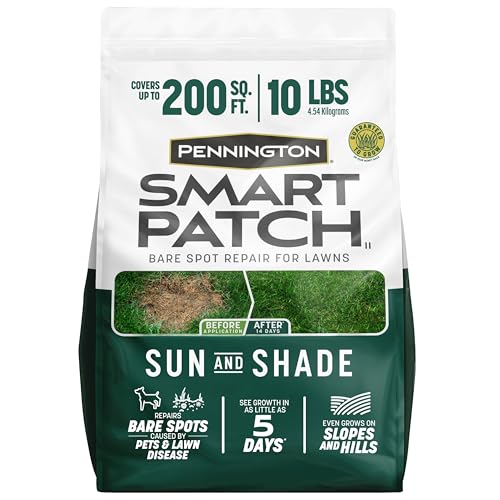
Pennington Smart Patch Grass Seeds for Lawn 10 LB

Scotts Kentucky 31 Grass Seed Mix 20 lbs.

Scotts Grass Seed Drought Tolerant Mix 4 lbs.
More Details On Our Top Picks
Heat strain can turn a decent lawn into a patchy one, and that’s where this 3 lb Jonathan Green mix makes sense. The cool-season label matters, because you’re still getting a lawn seed aimed at thicker turf rather than a quick cosmetic fix, so it suits smaller trouble spots and modest yard projects.
The trade-off is size, since a 3 lb bag fits patching and starter work better than broad coverage. You may find it a smart fit for front strips, side yards, or spots that bake harder than the rest of the lawn.
What We Like
- Heat and drought focus helps you target stressed parts of the yard.
- Cool-season positioning suits lawns that need a denser, more classic turf look.
- Smaller bag size keeps storage simple in a garage or shed.
Small Caveats
- Three pounds is better for touch-up work than large-scale reseeding.
- It asks for a bit of planning, since coverage depends on how thin the lawn is.
Feature Snapshot
Who It Suits Best
Small-yard owners who need a focused cool-season option for heat-stressed sections will get the most from this bag.
Where A Sibling Pick Shines
Jonathan Green Black Beauty Ultra Grass Seed 7 lb suits you better for a larger reseeding job that needs more coverage in one bag.
Compared with the 3 lb Jonathan Green bag, this 7 lb version gives you more room to tackle a broader section of lawn without jumping straight to a huge sack. That suits patching, overseeding, and mid-size renovation work, especially where you want a cool-season mix with less fuss over running out too early.
The honest read is that it still sits in the practical-homeowner lane, not the giant-yard lane. You may appreciate it most when the lawn needs a real refresh, but not enough to justify the largest bag in the line.
Bright Spots
- Seven pounds offers a more flexible middle ground for coverage.
- Cool-season framing works for yards that stay in that growth pattern.
- Useful for overseeding, bare areas, or a partial lawn reset.
- Less likely to leave you with a half-finished reseeding project.
Areas To Watch
- It still takes some planning, since full coverage depends on lawn size and condition.
- It is not the most compact pick for tiny patch jobs.
Details At A Glance
Built With In Mind
Homeowners overseeding a mid-size yard will get the best balance of quantity and manageability here.
A Better Fit Elsewhere
Jonathan Green Black Beauty Original Grass Seed Blend 15 lb suits larger lawns and longer coverage needs more comfortably.
This one leans harder into durability than the smaller Jonathan Green bags. The 100% tall fescue blend matters because tall fescue usually brings a tougher, coarser lawn character, and here the seed is described as reaching deep roots and handling both sun and shade, which makes it a sensible match for uneven yards.
The timing note also helps, since you get clear spring and late-summer planting windows rather than guesswork. For a household managing a larger, mixed-light lawn, that clarity can be worth more than a fancy label.
Highlights
- Deep-rooting growth suits lawns that face dry spells.
- Sun and shade coverage makes planning easier across mixed yards.
- Dark green, uniform turf-type fescue helps the lawn look more even.
- 15 lb size gives you room for substantial reseeding work.
- Spring and late-summer planting windows provide practical timing guidance.
Worth Noting
- The larger bag takes more storage space than the 3 lb or 7 lb options.
- Tall fescue can feel less delicate underfoot than finer lawn types.
- You still need patience during establishment, especially in mixed light.
Core Details
Whose Shelf It Belongs On
Large-yard homeowners who want a tougher cool-season blend for mixed sun and shade will feel right at home with this bag.
Look Elsewhere When
Jonathan Green Black Beauty Heat & Drought Resistant Grass Seed 3 lb fits better for a smaller, targeted repair where storage space and bag size matter more.
Annual ryegrass serves a different job than the Jonathan Green cool-season blends, because it is aimed at quick cover rather than a long-term turf identity. That makes this Pennington bag useful in southern-lawns scenarios, especially where full sun and a faster green-up matter more than building a permanent, refined lawn.
The phrase to keep in mind is short-term coverage. You may find it handy for bridging a bare area or getting visible growth while a longer-term plan takes shape, but it is not the pick for someone chasing a lasting, deep-rooted stand on its own.
Positives
- Useful for fast coverage in southern lawn settings.
- Works in full sun with a clear light requirement.
- Ten pounds gives you enough seed for meaningful coverage work.
Minor Gripes
- Annual ryegrass is better viewed as temporary coverage than a long-haul lawn strategy.
- It asks for a clear plan so you know what comes after the quick fill.
At A Glance
Who Should Grab It
Homeowners in sunny southern yards who need quick surface cover rather than a permanent lawn rebuild will get the most value here.
Another Choice May Suit
Scotts Grass Seed Drought Tolerant Mix 4 lbs fits better for a yard that needs deeper-rooted coverage with more staying power.
This Pennington mix is built around repair, not full-lawn renovation. The sun-and-shade positioning is the useful part, because patchy lawns usually fail in awkward places where light changes through the day, and a repair mix that can cover those spots is easier to live with than a single-purpose seed.
The added grass food and microbials set it apart from the plain seed options above, especially for homeowners who want a more packaged repair approach. The catch is that patch mixes tend to be less about variety and more about convenience, so you get a focused tool rather than a universal lawn answer.
Upsides
- Repair-mix format suits bare patches and thin spots.
- Sun and moderate shade coverage helps across uneven light.
- Grass food is built in, which simplifies patch work.
- Microbials add another layer of support for overall lawn care.
Points To Note
- Patch mixes are narrower in purpose than straight seed bags.
- You may need more than one application for larger damaged areas.
- Storage is simple, but the bag is still a dedicated repair product.
Technical Sheet
The Right Fit
Homeowners dealing with thin spots in mixed-light lawns will appreciate the convenience of this repair-focused mix.
Swap It Out When
Jonathan Green Black Beauty Original Grass Seed Blend 15 lb is the better call for a larger lawn that needs a broader reseed instead of spot repairs.
Coverage is the headline here. A 20 lb bag that covers up to 5,000 square feet makes this Scotts mix more appealing for larger yards, and that scale changes the conversation from patching to real lawn planning. You’re not just filling spots, you’re setting up a bigger section at once.
The Kentucky 31 label suggests a traditional tall fescue route, which usually means sturdier turf character rather than a fine ornamental finish. That trade-off suits practical lawns, though someone chasing a softer or more polished look may lean toward the Jonathan Green blends instead.
Best Bits
- Large bag size suits broad seeding jobs.
- Coverage up to 5,000 square feet helps with planning.
- Traditional turf direction fits functional family lawns.
Honest Caveats
- The larger bag takes more storage space.
- Its classic turf feel may not suit every aesthetic preference.
- Big coverage can tempt overuse, so spreading carefully matters.
Core Details
Made For
Homeowners handling a larger yard who want a single bag that reaches far will get the most from this one.
Reach For A Different Pick When
Pennington Smart Patch Grass Seeds for Lawn 10 LB suits smaller repair jobs much better than a broad coverage bag like this.
This Scotts mix feels like the most complete all-around option in the group because it combines Kentucky bluegrass and tall fescue with drought-minded growth habits. The self-repair note matters in a real yard, since bare spots are what make a lawn look tired, and deep roots help the lawn handle dry stretches with a little more resilience.
The 4 lb size also keeps it more manageable than the larger Scotts bag, so it fits smaller spaces without turning into excess seed. You may find it especially practical for overseeding a modest lawn in spring or fall, as long as your temperatures sit in the stated range.
Strong Points
- Two grass types give you a balanced lawn mix.
- Deep-rooting growth supports drought-minded lawn care.
- Self-repairing growth helps with thin or bare sections.
- 4 lb bag keeps the format easy to handle.
Room For Improvement
- Smaller bag means less reach than the 20 lb Scotts option.
- The climate window matters, so timing still takes attention.
- It is better suited to moderate jobs than very large lawns.
Quick Facts
Perfect Match For
Homeowners with a smaller yard who want a drought-minded blend that can help repair thin areas will like this option most.
Skip It When
Scotts Kentucky 31 Grass Seed Mix 20 lbs. fits better for a larger property where coverage matters more than bag size.
How To Choose The Right Grass Seeds For Lawns
Match The Seed To Your Climate
Cool-season grass seeds suit yards that get stronger growth in milder weather, while annual ryegrass fills a different role by giving quicker cover in warm regions. The bag should line up with your yard’s real conditions, not the prettiest promise on the front.
Sun exposure matters just as much. A mix that handles shade will help in side yards or under light tree cover, while full-sun seed makes more sense for open lots and hot front lawns.
Choose By Job, Not Just By Name
Some bags are built for patching, some for overseeding, and some for full reseeding. A repair mix like Pennington Smart Patch makes sense around worn spots, while a larger bag like Scotts Kentucky 31 is better for broader coverage.
Bag size also changes the experience. Smaller packs store easily and reduce waste on tiny jobs, while larger bags save you from running short halfway through a bigger project.
Look Past The Grass Type Label
The grass species tells part of the story, but the practical details finish it. Drought tolerance, deep roots, sun and shade handling, and timing guidance all affect how useful the seed feels once it’s in your yard.
That’s why a mix like Scotts Grass Seed Drought Tolerant Mix stands out for upkeep-minded homeowners, while Jonathan Green Black Beauty Original fits better when you want a tougher, more versatile cool-season lawn.
Things Worth Knowing First
Common Shopping Slip Ups
Many lawn problems start with the wrong seed for the light, climate, or job size. A small patch bag won’t carry a full reseed very far, and a temporary ryegrass choice won’t behave like a long-term turf plan.
Start with your actual yard problem, then match the bag to that job. That simple step prevents the usual mismatch between hope and results.
What The Higher Tier Buys
More expensive seed often buys you a tighter blend, better coverage guidance, or a more tailored use case. In this roundup, the pricier feel comes from traits like deeper roots, mixed species, or repair features rather than flashy extras.
That upgrade is worth it when your lawn has mixed light, repeated dry spots, or a larger area that needs more dependable coverage. For a quick fill in one bare corner, the simpler bag usually makes more sense.
Frequently Asked Questions
Can You Use Cool-Season Grass Seed In Warm Areas?
You can, but the timing and local conditions matter a lot. Cool-season seed usually fits better in milder periods or in yards that naturally support that growth pattern.
What Makes A Repair Mix Different From Straight Grass Seed?
A repair mix is built for patching thin or bare areas. Straight seed is more flexible for broader overseeding or full reseeding jobs.
Why Does Bag Size Matter So Much?
Bag size affects coverage, storage, and how much leftover seed you may have after the job. A small bag is easier to handle, while a larger one makes sense for wider spaces.
Is Fast-Growing Seed Always The Better Choice?
Not always, because faster cover can trade off with long-term lawn character. Quick growth helps when you need visible fill, but it may not be the right answer for a lasting turf plan.
What Should You Check Before Seeding?
Check your lawn’s sun exposure, your climate, and the size of the area you want to cover. Those three details usually point you toward the right bag faster than the brand name alone.
Closing Thoughts
The best grass seed for your lawn is the one that matches your yard’s light, size, and repair needs without extra guesswork. For smaller problem spots, Jonathan Green’s compact bags make sense, while the larger Scotts option fits broader coverage and the Pennington mixes handle quick repair jobs in a different way. Once you sort out whether your lawn needs durability, patching, or faster fill, the choice becomes much clearer. Then you can seed with less second-guessing and a lot more confidence.
