

Choosing granular fertilizers for lawn care gets easier once you focus on what your grass actually needs, not the longest ingredient list. Some yards want a broad, steady feed for weekly mowing season, while others need a warmer-season blend or a lighter formula that plays nicer with stressed turf. The picks below cover both home lawns and larger areas, so you can match bag size, nutrient balance, and release speed to your routine.
That matters more than it sounds. A well-matched bag saves you from overfeeding, uneven color, and awkward reapplication schedules, especially around busy weekends or a yard that’s already under heat, foot traffic, or patchy soil.
Quick Shortlist For Lawn Fertilizer Shoppers

The Andersons Professional PGF 16-0-8 Fertilizer 18lb

Yard Mastery 24-0-6 Flagship Granular Lawn Fertilizer 45 lb

Yard Mastery 24-0-6 Flagship Granular Lawn Fertilizer 18 lb

Yard Mastery 7-0-20 Summer Lawn and Turf Stress Blend 18 lb

Yard Mastery 7-0-20 Summer Lawn and Turf Stress Blend 45 lb

GreenView Fairway Formula Lawn Fertilizer 33 lb
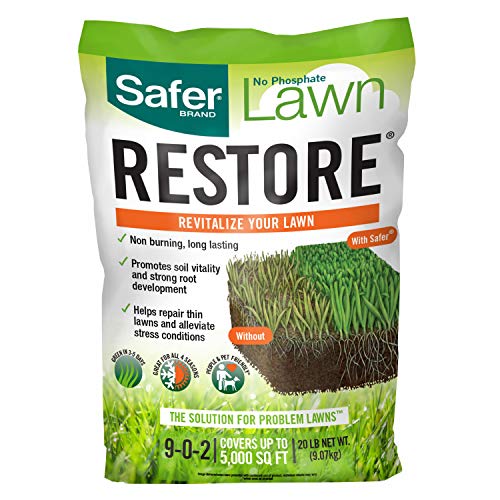
Safer Brand Lawn Restore Natural Lawn Fertilizer 9335SR

Supply Solutions 16-16-16 Complete Lawn & Garden Fertilizer 5lb
More Details On Our Top Picks
The Andersons option leans into a cleaner, more controlled lawn routine, with a 16-0-8 analysis that suits grass needing nitrogen and potassium without extra phosphorus. Humic DG means humic ingredients in a dispersible granule format, so the bag is aimed at steadier soil support rather than flashy quick fixes. In a regular suburban yard, that makes it a sensible match for people who want a straightforward spread-and-water routine.
Compared with the Yard Mastery picks, this one feels more compact and less about maximum coverage. The honest read is that the 18-pound bag suits smaller spaces or a more careful applicator, and it’s easier to store than the heavier bulk bags below.
Strong Points
- 16-0-8 analysis keeps the formula focused on lawn growth and root support.
- Humic DG format adds a soil-minded angle that many home lawns can use.
- The 18-pound size is easier to carry, pour, and store in tight sheds.
- Good fit for routine feeding where you want something practical, not overcomplicated.
Things To Consider
- Smaller bag size means more frequent restocking on larger yards.
- The nutrient profile is narrower than the more layered Yard Mastery formulas.
- Careful spreader setup still matters, especially around edges and walkways.
Feature Rundown
Who It Suits Best
You’re a good match for this pick if you manage a modest lawn and prefer a simple, focused fertilizer rather than a heavy, all-purpose formula.
Where A Sibling Pick Shines
Yard Mastery 24-0-6 Flagship Granular Lawn Fertilizer 45 lb suits you better when your yard is larger and you want a bag that covers more ground in one pass.
Yard Mastery’s 45-pound bag is built for bigger lawns that need a fuller nutrient package and less constant refilling. The 24-0-6 analysis gives you a strong nitrogen base with potassium support, while 3% iron adds a darker-green presentation that many turf owners look for during steady growth season. Bio-Nite, a branded organic nitrogen source, gives the blend a more layered feel than the simpler formulas earlier in the list.
For busy yards, that combination can make the routine feel smoother because the bag covers a lot of ground and the slow-release design stretches feeding over time. The trade-off is straightforward, the bag is large and more demanding to move, so it suits a garage or shed with enough storage room.
What We Like
- 45-pound size works well for lawns that need broad coverage.
- 24-0-6 analysis gives a strong grass-growth focus without extra phosphorus.
- 3% iron helps support richer color in many turf settings.
- Bio-Nite adds a more complete ingredient story than basic lawn feed.
- Slow-release design supports a calmer feeding schedule for occupied households.
Room For Improvement
- The larger bag can be awkward to carry up stairs or across rough driveways.
- It asks for more storage space than the 18-pound Yard Mastery version.
- The richer formula may be more than a simple maintenance plan needs.
Core Details
Made For
You’re the right fit for this one if you maintain a large lawn and want a nutrient-dense bag that can cover a lot of territory without constant restocking.
Another Choice May Suit
The Andersons Professional PGF 16-0-8 Fertilizer 18lb makes more sense for smaller yards and lighter handling, especially when storage space is tight.
This 18-pound Yard Mastery bag keeps the same nutrient profile as the larger flagship version, but in a size that makes more sense for modest lawns or tighter storage. You still get the 24-0-6 analysis, 3% iron, Bio-Nite, and slow-release nitrogen, so the core formula stays familiar. The smaller bag is easier to lift into a shed, and that matters more than people sometimes admit after a long day of yard work.
Compared with The Andersons bag, this one leans more heavily into a layered lawn feed profile, while still staying manageable. For a patchy front lawn or a suburban side yard, it feels like a tidy middle ground between compact handling and fuller ingredient depth.
Best Bits
- Same nutrient profile as the larger flagship bag in a lighter package.
- 18-pound size is easier to carry and store.
- Coverage for 6,000 square feet suits smaller residential lawns.
- Iron and slow-release nitrogen make the formula feel more complete.
Points To Note
- Smaller coverage means bigger lawns will need several bags.
- The feature set is strong, but it still asks for careful spreader setup.
- It overlaps heavily with the 45-pound Yard Mastery version, so bag size becomes the main decision point.
Details At A Glance
Who Will Love This
You’re a strong match for this bag if your yard is smaller, your storage space is limited, or you just want the flagship mix without the bigger sack.
Look Elsewhere When
Yard Mastery 24-0-6 Flagship Granular Lawn Fertilizer 45 lb is the better fit for larger properties that need fewer trips back to the shelf.
This 7-0-20 blend is the most season-specific pick in the lineup, and that makes it useful for lawns that need a gentler, heat-season approach. The 7-0-20 analysis pushes potassium higher than the nitrogen, which often fits turf that is dealing with summer stress rather than trying to race upward in growth. Bio-Nite adds another layer to the formula, while 3% iron keeps the color-support angle in play.
Compared with the 24-0-6 formulas, this one is less about pushing leaf growth and more about keeping the lawn looking composed through hotter stretches. You may find it especially practical for established yards that need a calmer feeding profile during stressful weather.
Upsides
- 7-0-20 analysis leans toward summer-minded turf care.
- 3% iron adds a familiar color-support element.
- 18-pound bag is easier to manage than the 45-pound version.
- Coverage for 6,000 square feet suits many home lawns.
Minor Gripes
- The seasonal focus is narrower than the broader 24-0-6 formulas.
- Smaller coverage means larger yards need more than one bag.
- Storage is simple, but spreader calibration still matters for even coverage.
Quick Facts
Whose Shelf It Belongs On
You’re the right match for this pick if your lawn sees summer heat, foot traffic, or dry stretches and you want a more measured fertilizer profile.
Swap It Out When
GreenView Fairway Formula Lawn Fertilizer 33 lb suits you better when you want a longer feeding window instead of a season-specific blend.
The 45-pound version keeps the same summer-stress formula, but it’s aimed at larger lawns that need more coverage in a single bag. That matters for properties where moving between sections is already enough work, because 15,000 square feet of coverage cuts down on the number of trips. The nitrogen stays lower than the flagship 24-0-6 pick, so the emphasis remains on balance and stress management rather than a growth push.
Compared with the 18-pound summer blend, this one is a better fit for yards where storage space is available and coverage is the priority. The trade-off is the obvious one, the bag is bulky, so handling it is less convenient than the smaller Yard Mastery version.
Bright Spots
- 15,000-square-foot coverage works well for expansive home lawns.
- 7-0-20 formula keeps the warm-season focus intact.
- Bio-Nite and iron add depth beyond a plain nutrient mix.
- Fewer bags can make a large-yard routine feel more manageable.
Softer Spots
- The 45-pound bag is harder to lift and store than smaller options.
- It is more product than many average yards need.
- Like the other granular picks here, spreader settings still deserve attention.
Technical Sheet
Built With In Mind
You’re the right match for this version if you care for a broad lawn and want the summer formula in a bag size that lasts longer between applications.
Where A Sibling Pick Shines
Yard Mastery 7-0-20 Summer Lawn and Turf Stress Blend 18 lb suits tighter storage spaces and smaller yards better than this bulkier 45-pound bag.
GreenView’s formula stands out for its 30-0-12 analysis and the slow-release nitrogen approach that promises a longer feeding window. The 33-pound bag covers 10,000 square feet, which lands in a useful middle zone for many suburban lawns, especially where you want coverage without moving all the way up to the biggest sacks in the group. The twelve-week feeding claim also makes the routine feel less busy.
Compared with the Yard Mastery flagship bags, this one pushes nitrogen higher and keeps the presentation simpler. The catch is that the product page leans heavily on the long-feed angle, so it fits best when you want a cleaner, lower-maintenance schedule rather than a more ingredient-dense blend.
Highlights
- 30-0-12 analysis puts the focus squarely on grass growth and support.
- Slow-release nitrogen can reduce how often you think about feeding.
- 10,000-square-foot coverage is a convenient middle ground for many yards.
- 33-pound bag avoids some of the bulk of the heaviest options.
Areas To Watch
- The higher nitrogen focus may be more than a low-input lawn needs.
- It has less ingredient layering than the Yard Mastery picks with iron and Bio-Nite.
- Storage is manageable, but the bag still needs dry, sheltered space.
Feature Card
The Right Fit
You’re a strong match for this pick if you want a mid-sized bag with a longer feeding window and a simple, grass-forward profile.
Reach For A Different Pick When
Yard Mastery 24-0-6 Flagship Granular Lawn Fertilizer 45 lb makes more sense when you want extra iron and a more layered ingredient list.
Safer Brand’s 9-0-2 formula is the gentlest-looking profile in the lineup, which can appeal to lawns that don’t need a heavy nutrient push. The product name calls out a non-burning approach, and while that kind of wording is always best read as a comfort-oriented claim rather than a magic fix, it still points to a softer-feeling feeding style. For many home lawns, that makes it a calmer routine option.
Compared with the higher-analysis Yard Mastery and GreenView picks, this one is clearly less aggressive. The smaller coverage range also makes it better suited to modest yards, and the maintenance side is simple enough for a regular seasonal refill.
Positives
- 9-0-2 analysis keeps the formula light and straightforward.
- Smaller coverage range suits compact lawns without extra waste.
- Non-burning positioning may feel more comfortable for cautious routine feeding.
- Easy to slot into basic upkeep without a complicated plan.
Small Caveats
- Lower nutrient intensity may feel mild for lawns that need a stronger push.
- Coverage tops out at 5,000 square feet, so larger properties need more product.
- It offers less formula depth than the iron-rich Yard Mastery bags.
Feature Snapshot
Perfect Match For
You’re the right fit for this fertilizer if you want a lighter-feeling lawn feed for a smaller property and prefer a routine that stays uncomplicated.
Where Shoppers Go Wrong
GreenView Fairway Formula Lawn Fertilizer 33 lb is the smarter choice for a larger yard that needs more coverage and a longer feeding window.
Supply Solutions takes a broader approach than the lawn-first bags above, with a 16-16-16 analysis that fits mixed planting spaces as much as turf. That even nutrient balance can be useful in yards where grass, vegetables, flowers, and berries share the same general care shed. The 5-pound size is also easy to store, which helps when you don’t want a heavy sack taking over the garage.
Compared with the more specialized lawn formulas, this one trades focus for flexibility. That’s the honest read, and it makes sense for gardeners who want one granular fertilizer to handle several planting jobs rather than a turf-only routine.
Reasons To Buy
- 16-16-16 balance works across a wide range of garden uses.
- Small 5-pound bag is easy to carry and tuck away.
- Useful for mixed spaces where lawn care and garden care overlap.
- Even nutrient profile can simplify a multi-plant feeding routine.
Honest Caveats
- It is less specialized for lawns than the grass-focused picks earlier in the list.
- Five pounds covers less ground, so it’s not the easiest choice for large turf areas.
- Multi-use flexibility can be a drawback when you only want a lawn-specific formula.
Core Details
Who Should Grab It
You’re the right match for this pick if your yard care spills beyond grass and you want a compact all-purpose fertilizer for several plant types.
Where Another Pick Suits Better
The Andersons Professional PGF 16-0-8 Fertilizer 18lb is a better fit when your main focus is the lawn and you want a more turf-specific mix.
How To Choose The Right Granular Fertilizers For Lawn
Match The NPK To Your Grass
NPK means nitrogen, phosphorus, and potassium, the three numbers in the fertilizer analysis. Nitrogen supports leafy growth, phosphorus supports root and establishment work, and potassium helps with overall plant function and resilience, so the ratio should match the job you want done.
For established lawns, a nitrogen-led mix often makes the most sense, while a summer-stress blend usually shifts weight toward potassium. The trade-off is simple, more aggressive formulas can push growth harder, which is useful in some yards and too much in others.
Think In Coverage, Not Just Bag Size
Coverage tells you how much ground a bag can handle, and that matters more than the bag’s weight alone. A 45-pound bag sounds big, but the real question is whether it covers your full yard in one pass or leaves you with leftovers and a cluttered shed.
Smaller bags are easier to lift and store, which helps on compact properties or in homes where the garage is already crowded. Larger bags reduce repeat purchases for big lawns, but they also ask for more storage room and a bit more muscle on application day.
Look At Release Speed And Add-Ins
Slow-release nitrogen feeds over a longer stretch, so it suits people who want a calmer routine and fewer applications. Faster-feeling blends can green a lawn more quickly, though they usually ask for tighter timing and more careful planning.
Add-ins like iron, humic material, or branded organic nitrogen sources change the feel of a formula without replacing the core analysis. Those extras are helpful for some yards, but they also make the bag more specialized, so your best choice depends on whether you want a broad feed or a more layered one.
Choose For Season And Storage
Summer-stress blends belong in yards that face heat, dryness, or a lot of foot traffic during the warm months. General lawn formulas fit more routines across the year, especially when you want a single bag to cover routine upkeep rather than a narrow weather window.
Storage matters too. A tight shed, a steep basement stair, or a small garage can make a compact 18-pound bag far more pleasant than a bulky 45-pound sack, even when the larger bag covers more ground.
Things Worth Knowing First
Common Shopping Slip Ups
Many people focus on the highest-looking numbers without checking whether the formula suits their lawn’s actual needs. A 24-0-6 or 30-0-12 bag can be useful, but it’s not the right answer for every yard.
Another easy miss is ignoring coverage, which leads to too many bags or too little product for the space. Storage gets skipped too, and that’s where a heavy sack becomes annoying long before it becomes useful.
Where The Extra Money Goes
Higher-tier lawn fertilizers often cost more because they pack in slower nutrient release, added iron, humic ingredients, or better coverage per bag. You’re paying for formulation detail, not just the basic three-number analysis on the front.
That upgrade makes sense for larger lawns, more demanding seasons, or anyone who wants a more controlled feed cycle. For a small yard with simple needs, a lighter formula can be the smarter spend.
Frequently Asked Questions
What does the first number in fertilizer analysis mean?
The first number is nitrogen, the nutrient most tied to leafy green growth. Lawn formulas often lean on nitrogen because grass responds strongly to it.
Is a higher number always better for lawn care?
No, the best number set depends on the lawn’s condition and your goal. A stress blend with lower nitrogen can fit better during hot weather than a stronger growth formula.
What does slow-release nitrogen do?
Slow-release nitrogen feeds over a longer period instead of all at once. That usually helps the lawn routine feel less frequent and more even.
Why do some lawn fertilizers include iron?
Iron is often added to support a deeper green look in grass. It does not replace the main nutrients, but it can add a useful finishing touch.
Should you choose a lawn-only formula or an all-purpose one?
A lawn-only formula is better for turf-focused care and usually feels more targeted. An all-purpose blend makes more sense when your yard chores include vegetables, flowers, or berries too.
Final Verdict
You get the cleanest results from granular fertilizers for lawn care when you match the formula to your space, not just the label strength. Small yards do well with lighter bags and simpler nutrient profiles, while larger properties benefit from slow-release blends and fuller coverage counts. Summer-stress formulas have their place, and so do broader mixes for mixed gardens. Pick the bag that fits your yard size, storage space, and seasonal routine, and the whole job feels less like guesswork.
