

Keeping a mower blade sharp makes the difference between a tidy cut and ragged grass that looks torn instead of trimmed. Your best match depends on how you work, whether you want a classic hand file, a cordless sharpening setup, or a more versatile set for other yard tools too.
That mix matters in real yards and garages. A weekend homeowner, a property manager, and a hands-on DIYer all need something different, especially once storage space, blade shape, and sharpening frequency enter the picture.
The Shortlist At A Glance
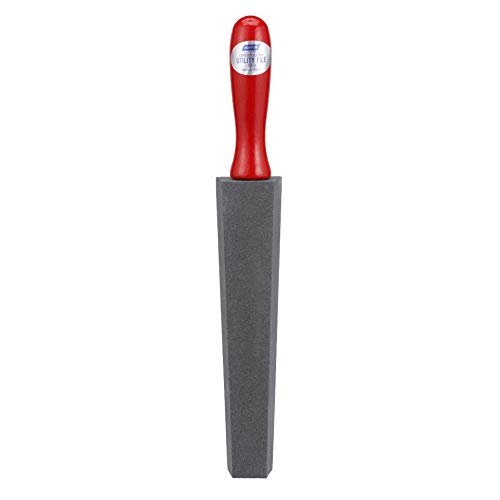
Norton Crystolon Utility File Sharpening Stone
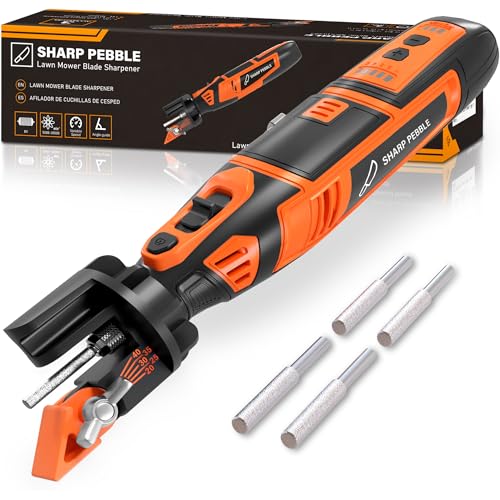
Sharp Pebble Cordless Lawn Mower Blade Sharpener

Nicholson 12″ Mill Single Cut Bastard File 21842NN

TARIST 8 Inch Flat Metal File

Mercer Industries BCDRT08-8″ Rotary Mower File

TARIST Diamond File Set 3-Piece 8-Inch
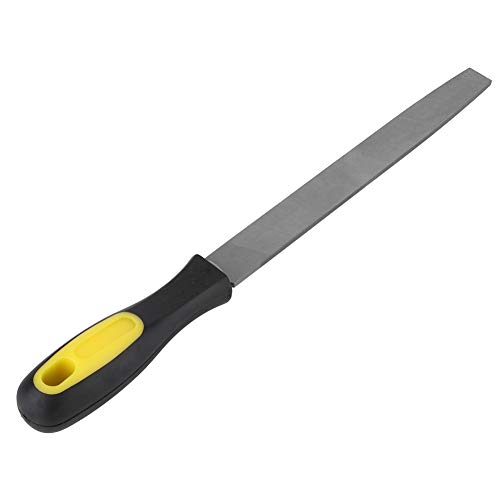
8in Flat Mill File with Ergonomic Handle
More Details On Our Top Picks
Long, coarse, and very much built for practical work, this Norton file makes sense for garage shelves and truck beds where a mower blade needs attention without much ceremony. The 14-inch overall length gives you room to work, and the wooden handle should feel familiar to anyone who already uses hand tools often.
Compared with the cordless Sharp Pebble pick later in the list, this one is slower but far simpler to own. It suits hands-on users who want a straight tool that can also handle axes, hatchets, knives, and spades, though the coarse grit asks for a steadier touch and a bit more cleanup afterward.
What We Like
- Long handle gives you good leverage on larger blades.
- Silicon carbide suits heavier reshaping work.
- Useful for mower blades and several yard tools.
- Wooden handle keeps the grip straightforward and familiar.
Things To Consider
- Coarse grit removes material quickly, so a light hand helps.
- Hand filing takes more patience than powered sharpening.
- The stone style needs routine cleaning to stay effective.
Feature Snapshot
Who It Suits Best
Weekend property owners and maintenance hands who want a no-frills file for mower blades and yard tools will get the most from this shape and grit.
Where A Sibling Pick Shines
Sharp Pebble Cordless Lawn Mower Blade Sharpener fits you better when you want a guided, battery-powered approach instead of a traditional hand file.
Guided sharpening is the draw here, and the angle guide gives this Sharp Pebble kit a very different feel from the plain hand files above. The adjustable 20 to 40 degree setup matters because blade geometry changes how much metal you remove and how the edge returns to work.
The rechargeable battery and rotary tool format suit a busy garage where convenience matters more than old-school simplicity. Blade removal is optional, which lowers the hassle for routine upkeep, though cordless tools always ask for charging habits and a little more parts management than a basic file.
Highlights
- Adjustable angle guide helps you keep a consistent bevel.
- Cordless design gives you freedom away from an outlet.
- Replaceable wheel bits extend the kit’s usefulness.
- Blade removal being optional keeps maintenance less fussy.
- Useful for owners who want a more guided workflow.
Room For Improvement
- Battery tools bring charging and storage to manage.
- More parts mean more pieces to keep together.
- It asks for a little setup compared with a hand file.
Technical Sheet
Built With In Mind
DIYers who want a guided mower blade routine and do not mind a cordless kit will find this a very workable fit.
Another Choice May Suit
Mercer Industries BCDRT08-8″ Rotary Mower File suits you better when you want a simpler manual tool with a handle and sleeve.
This Nicholson file keeps things classic, which is exactly why it belongs in a mower maintenance kit. A 12-inch mill file gives you enough working surface for controlled strokes, and the single-cut pattern is the kind of layout many hands-on users trust for steady edge shaping.
Compared with the Norton stone, it feels a little more general-purpose and a touch less rugged in purpose, but that also makes it easier to slot into everyday workshop use. The honest read is that you’ll like it most for measured sharpening on mower blades, brackets, and other metal edges rather than fast stock removal.
Best Bits
- 12-inch length gives you a comfortable filing path.
- Single-cut surface supports controlled edge work.
- Good fit for a garage toolbox or bench drawer.
- Works well for mower blades and other metal shaping tasks.
Areas To Watch
- Hand filing still takes time and steady pressure.
- The carded format may need extra storage care.
Quick Facts
Right Fit
Garage tinkerers who want a familiar metal file for mower blades and general shop work will feel at home with this one.
Look Elsewhere When
TARIST Diamond File Set 3-Piece 8-Inch suits you better when your sharpening list includes several shapes and harder materials.
Sometimes the simplest tool is the one that stays useful, and this TARIST flat file leans hard into that idea. Carbon steel gives it a straightforward workshop feel, while the 8-inch length keeps it compact for mower blades, general metal edges, and quick bench jobs.
Compared with Nicholson’s 12-inch mill file, this one is shorter and easier to tuck into a drawer or tool roll. You may find it especially handy for DIY touch-ups, though the smaller body means you’ll do more work with your wrist and a little less with leverage.
Upsides
- Compact length is easy to store and carry.
- Carbon steel build suits regular workshop use.
- Flat profile helps with straightforward blade shaping.
- Good match for quick upkeep between mowings.
Softer Spots
- Shorter file means more passes on larger blades.
- It does not bring the guided feel of powered kits.
- Flat-only design is less flexible than a mixed set.
At A Glance
Whose Shelf It Belongs On
Home maintenance hobbyists who want a compact, no-nonsense file for basic mower care will get the most from this shape.
Skip It When
Sharp Pebble Cordless Lawn Mower Blade Sharpener is the better match for you when speed and angle control matter more than simplicity.
This Mercer file lands in a very practical sweet spot, because it keeps the mower-blade focus while adding a handle and a reusable sleeve. That sleeve matters more than it sounds, especially in a busy shed where files get tossed into drawers with other sharp tools and dusty hardware.
Compared with the TARIST flat file, this one feels more complete as a grab-and-go sharpening tool. It also covers garden tools and woodworking edges, so it suits homeowners who like one tool to pull double duty without turning the toolbox into clutter.
Bright Spots
- Handle improves comfort during longer sessions.
- Reusable sleeve helps with storage and edge protection.
- High carbon steel is a familiar workshop material.
- Useful beyond mower blades, which adds flexibility.
Points To Note
- The 8-inch format is less roomy than longer files.
- Storage sleeve is helpful, though it still needs tidying.
- Manual sharpening keeps the pace moderate.
Core Details
The Right Fit
You’ll like this most if you want a mower file that feels more organized and comfortable than a bare metal stick.
A Better Fit Elsewhere
Norton Crystolon Utility File Sharpening Stone suits you better when you want a longer, rougher-cut hand tool for heavier edge shaping.
Three file shapes in one kit change the story a lot, especially for a garage that handles more than mower blades. Flat, half-round, and round profiles give you better reach into edges and curves, so the set makes sense for shears, axes, knives, and mixed metal touch-ups.
Unlike the single-purpose files earlier in the list, this TARIST set is built for variety rather than one narrow job. The trade-off is that you’re managing three tools instead of one, but that also means you can match the shape to the task instead of forcing one file to do everything.
Reasons To Buy
- Three shapes cover a wide range of edge profiles.
- Diamond coating suits harder materials and mixed surfaces.
- Handy for mower blades plus garden tools.
- Good fit for shops that handle varied maintenance jobs.
- Each file shape adds flexibility without much bulk.
Small Caveats
- Three-piece storage takes more organization than a single file.
- Diamond tools can feel different from traditional steel files.
- It can be more tool than casual users need.
Feature Card
Who Should Grab It
Home mechanics and yard-tool tinkerers who want one set for several sharpening jobs will find this especially sensible.
Reach For A Different Pick When
Nicholson 12″ Mill Single Cut Bastard File 21842NN is the cleaner fit for you when a single traditional file feels easier to live with.
This Kafuty-1 flat mill file is built around comfort as much as edge work, and that ergonomic handle is the detail most hands will notice first. T12 carbon tool steel gives it a workshop-ready feel, while the special tooth shape is meant to keep cutting smooth and even during regular sharpening.
Compared with the Mercer and TARIST single files, this one reads like a flexible all-rounder for drills, chisels, shears, and mower blades. You may find that versatility handy in a mixed-tool garage, though the broad use case also means it is less specialized than the Norton or Sharp Pebble options.
Plus Points
- Ergonomic handle improves comfort during extended use.
- Flat mill profile suits mower blades and similar edges.
- T12 carbon tool steel feels suited to regular shop work.
- Special tooth pattern is aimed at smoother cutting action.
- Useful for several common hand and yard tools.
Worth Noting
- Single-file format gives you less flexibility than a multi-piece set.
- General-purpose design may feel less specialized for heavy mower work.
- Still asks for steady manual technique and cleanup.
Details At A Glance
Made For
DIYers who want one comfortable file for mower blades and other edge tools will get solid mileage from this pick.
Swap It Out When
Sharp Pebble Cordless Lawn Mower Blade Sharpener is the better fit for you when guided sharpening and cordless convenience matter more than a simple file.
How To Choose The Right Files To Sharpen Lawn Mower Blade
Match The File To The Kind Of Edge You Keep
Mower blades that are only dull need a different tool than blades that are chipped or uneven. A coarse file such as the Norton Crystolon makes sense for heavier reshaping, while a finer or more controlled file, such as the Nicholson mill file, is better for routine edge refreshes.
That difference matters because a rough file removes metal faster, which helps on neglected blades but also raises the chance of overdoing it. For most backyards, a moderate approach is easier to live with, especially when the blade only needs a seasonal touch-up.
Choose Between Hand Control And Guided Speed
Hand files give you the most direct feel. They also ask for patience and a steady angle, which suits owners who already like working with tools by hand.
Guided kits, like the Sharp Pebble cordless sharpener, reduce guesswork with angle control and powered motion. That convenience has a trade-off, though, because you gain parts, charging, and a bit more setup.
Think About Storage, Grip, And Routine Use
A handle sounds minor until your hand is halfway through a mower blade and the grip starts slipping. The Mercer file and Norton stone both make a stronger case here, since a solid handle can feel much better during longer maintenance sessions.
Storage matters too. A reusable sleeve, like the one included with the Mercer file, helps keep the tool organized and less likely to nick other gear in the drawer.
Look At Shape Before You Look At Length
Flat files suit mower blades because the cutting edge is broad and straight. Half-round and round shapes become more useful once you expand into shears, hooks, curved metal, or mixed workshop tasks.
That is why a set like the TARIST diamond trio earns a place in some garages. You pay for flexibility, but you also avoid forcing one flat tool to handle every edge you own.
Things Worth Knowing First
Mistakes Worth Dodging
One common slip is matching the file to the price instead of the task. A short, compact file can be fine for storage, yet it may feel slow on a long mower blade, while a coarse stone can remove metal too fast for routine maintenance.
Another easy miss is forgetting about grip and storage. A file with no handle or sleeve can still work well, but it tends to be less comfortable in longer sessions and messier in a crowded shed.
The Upgrade Payoff
Higher-tier options often add comfort, control, or versatility rather than raw cutting power alone. That can mean an angle guide, a rechargeable power source, multiple file shapes, or a better storage setup.
Those extras make sense for frequent use, mixed-tool homes, and anyone who wants a more repeatable process. For occasional mower touch-ups, a plain hand file is usually enough, so paying more only makes sense when the extra convenience will actually get used.
Frequently Asked Questions
Can you sharpen a mower blade with a regular file?
Yes, a regular file can handle mower blade touch-ups well. A mill file or coarse utility file works best for many home setups.
What file shape works best for mower blades?
A flat file is the most natural fit for a straight mower edge. Curved files become more useful once you also sharpen shears or other shaped tools.
Is a cordless sharpener better than a hand file?
A cordless sharpener is faster and more guided. A hand file gives you more control and fewer parts to manage.
How often do mower blades need sharpening?
That depends on lawn size, debris, and how often you mow. Many homes only need a sharpening once or twice in a season.
Should you remove the blade before sharpening?
Removing the blade usually gives you easier access and a steadier angle. Some kits, like the Sharp Pebble option, make removal optional for simpler upkeep.
Closing Thoughts
Your best file depends on how much control, speed, and versatility you want in the garage. The Norton and Nicholson picks suit hands-on sharpening, while the Sharp Pebble kit makes sense for anyone who wants a guided, cordless route. Mercer brings a nice balance of comfort and storage, and the TARIST set helps when more than one tool shape needs attention. Choose the tool that matches your routine, not the one that sounds most impressive.
