

Texas lawns ask a lot from a fertilizer. Heat, long dry spells, heavy clay, and warm-season grasses all push the wrong formula to the edge fast, so your best match depends on turf type, weed pressure, and how much maintenance you want to take on. This roundup focuses on practical picks for home lawns, from simple feeding to weed-and-feed and slower-release options. You’ll see which products suit St. Augustine, Bermudagrass, centipede, and mixed yards, plus where the trade-offs show up in daily use.
The Shortlist At A Glance

Hi-Yield (32020) New Process Premium Lawn Fertilizer 15-5-10

Jonathan Green (16009) Veri-Green Southern Weed and Feed Lawn Fertilizer 30-0-3

Fertilome (13767) Centipede Lawn Fertilizer 15-0-15

7-0-20 Summer Lawn and Turf Stress Granular Fertilizer Blend with Bio-Nite 45 lb Bag

GreenView Fairway Formula Lawn Fertilizer 33 lb. Bag 30-0-12

Scotts Turf Builder Healthy Plus Lawn Food 13.70 lbs
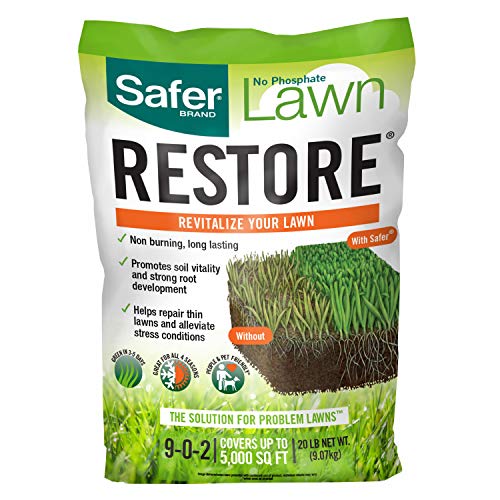
Safer Brand Lawn Restore Natural Lawn Fertilizer 9335SR 9-0-2
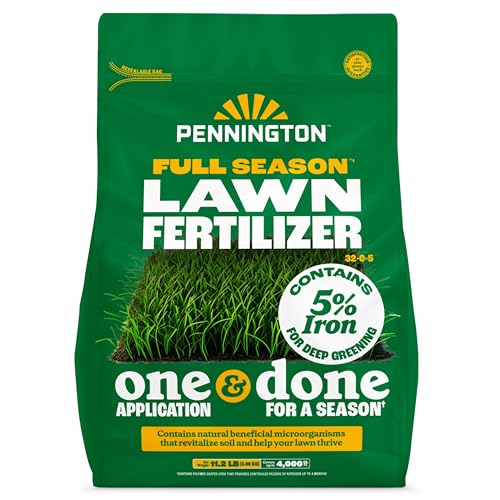
Pennington Full Season Lawn Fertilizer 4M 32-0-5 RF 3/11.2 lb

Purely Organic Products Lawn Food 10-0-2 15 lb
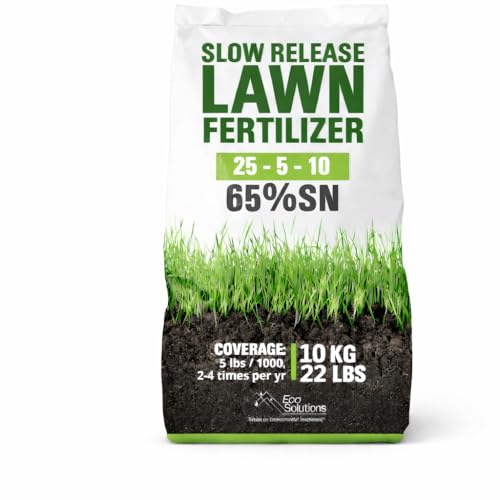
Slow Release Lawn Fertilizer 25-5-10 NPK 10 kg
More Details On Our Top Picks
For Texas yards that need steady feeding without a fussy routine, this Hi-Yield blend keeps the formula straightforward: 15-5-10 in a granular form. That ratio gives you a stronger nitrogen push than the phosphorus and potassium, which suits turf that needs green-up and density more than a specialty correction. In a mixed home lawn, the slow-release nitrogen helps stretch feeding between applications.
The trade-off is plain, this is a feeding product, not a weed fixer or a one-bag answer for every lawn issue. It suits homeowners who want a familiar, no-drama granular option for regular upkeep, especially on established grass where consistency matters more than bells and whistles.
Strong Points
- 15-5-10 analysis supports general lawn feeding without leaning too hard in one direction.
- Slow-release nitrogen helps the lawn take up food over time, which can mean steadier color between applications.
- Granular form works well for spreader use in standard suburban yards.
- Simple profile makes it easier to pair with separate weed or pest control later.
Things To Consider
- It does not address weeds, so a lawn with visible broadleaf pressure needs a separate plan.
- The bag size suits routine care, though larger properties may need more than one bag.
- Granular fertilizer asks for even spreader handling to avoid striping.
Feature Snapshot
Who It Suits Best
Homeowners who want a straightforward turf feeder for regular lawn care will get the most out of it, especially on established grass that already has its weed plan sorted.
A Better Fit Elsewhere
Jonathan Green (16009) Veri-Green Southern Weed and Feed Lawn Fertilizer 30-0-3 suits you better when your Texas lawn needs feeding and weed cleanup in the same pass.
This one makes the most sense for warm-season turf that sees both growth demands and weed pressure at the same time. The label points to use on St. Augustine, Bermudagrass, Zoysiagrass, and centipede lawns when used as directed, which fits a lot of Texas yards more neatly than a generic blend. A lawn with active broadleaf weeds often needs exactly this sort of two-part approach.
The honest read is that weed-and-feed products work best when you time them around active weed growth, not as a casual all-season fix. For homeowners who want fewer separate products and have a lawn type that matches the label, it can simplify spring or fall work quite a bit.
What We Like
- 30-0-3 analysis gives you a strong feed component for color and turf density.
- Built for southern lawns, so it aligns well with common Texas warm-season grasses.
- Targets a long list of broadleaf weeds, which helps reduce the need for a second product.
- Works on established lawns and new sod that has had time to settle in.
- The dual-purpose setup saves time in yards where weeds are part of the routine.
Points To Note
- Weed-and-feed products depend on the weed being active, so timing matters.
- Warm-season grass compatibility matters here, so cool-season yards need a different route.
- Like most granular lawn products, even spreading helps avoid patchy results.
Technical Sheet
Who Will Love This
You get the best match here when your yard is a warm-season Texas lawn with visible broadleaf weeds and you want one product to handle both jobs.
Where A Sibling Pick Shines
Hi-Yield (32020) New Process Premium Lawn Fertilizer 15-5-10 fits better when your grass looks healthy already and you only need feeding, not weed cleanup.
Centipede lawns can be a little particular, and this ferti-lome blend is clearly built with that in mind. The 15-0-15 analysis keeps the middle number at zero while giving you nitrogen and potassium in equal measure, plus high iron for color support. That makes it a sensible match for yards where the grass type matters as much as the feeding schedule.
Compared with Hi-Yield’s broader 15-5-10, this one feels more specialized, which is exactly the point for centipede and other warm-season lawns that prefer a narrower nutrient profile. The catch is that specialization helps most when your grass identification is right, so a mismatched lawn needs a different bag.
Positives
- 15-0-15 analysis suits centipede lawns that do better with a balanced approach to nitrogen and potassium.
- High iron can help lawn color stand out in a way many basic blends skip.
- Slow-release nitrogen supports steadier feeding rather than a short burst.
- The formula also fits St. Augustine and other warm-season grass types listed by the brand.
Room For Improvement
- It is a specialist product, so it is not the broadest match in a mixed-grass yard.
- You still need correct lawn identification, which matters more than with a general feeder.
- Smaller bag size means larger properties may need more planning.
Core Details
The Right Fit
This belongs on centipede lawns and other warm-season turf where you want a more tailored fertilizer instead of a general-purpose bag.
Another Choice May Suit
Jonathan Green (16009) Veri-Green Southern Weed and Feed Lawn Fertilizer 30-0-3 fits better for Texas yards that also need broadleaf weed cleanup.
Texas heat can turn a lawn into a stress case, and this Yard Mastery blend is shaped for that sort of season. The analysis is 7-0-20, with 3 percent iron and Bio-Nite, so you’re getting a formula that leans harder on potassium than on nitrogen. That matters in hot weather because potassium is often the nutrient people look for when turf needs support without a heavy growth push.
The 45-pound bag and 15,000-square-foot coverage make this feel more like a large-property tool than a small patio fix. It fits homeowners with bigger yards, established turf, or a full-season maintenance rhythm where coverage and nutrient balance matter more than a fast cosmetic burst.
Bright Spots
- 7-0-20 analysis gives the formula a potassium-forward profile that fits summer stress scenarios.
- 3 percent iron adds another color-supporting piece to the mix.
- Bio-Nite gives the bag a more specialized feel than a plain lawn fertilizer.
- Large coverage helps reduce the number of bags needed for expansive yards.
- Works across the year, so you can keep one feeding approach in rotation.
Softer Spots
- The big bag is less convenient to store in tight garages or sheds.
- Its larger-yard focus may feel excessive for compact suburban lawns.
- The formula is purpose-built, so it is more nuanced than a simple all-purpose feed.
Details At A Glance
Built With In Mind
You get the best fit here for large Texas lawns that deal with summer heat, especially where you want a potassium-leaning feeding plan.
Look Elsewhere When
Purely Organic Products Lawn Food 10-0-2 fits better for smaller yards that need a simpler, lighter-footprint feed.
Some Texas lawns need less handholding, and this GreenView bag leans into that rhythm. The 30-0-12 analysis gives you a strong nitrogen base with added potassium, while the slow-release setup is aimed at feeding over about 12 weeks. That longer window can suit homeowners who would rather spread less often than keep coming back to the spreader.
Compared with Hi-Yield’s more general 15-5-10, this one pushes harder on sustained feeding and a heavier nitrogen profile. The trade-off is simple, it asks more of your lawn-care timing up front, but it rewards you with a more spaced-out routine once the bag is in play.
Upsides
- 30-0-12 analysis gives strong feeding with some potassium support.
- Slow-release nitrogen is a solid match for homeowners who want longer intervals between applications.
- 10,000-square-foot coverage suits medium-sized yards well.
- The 33-pound bag sits in a practical middle ground for storage and transport.
Small Caveats
- The longer-feeding setup works best when you keep your application timing organized.
- It is a feeding product, so it does not tackle weeds on its own.
- Medium bag size may still be more than a compact yard needs.
Spec Overview
Who Should Grab It
This is a clean fit for homeowners with medium-size lawns who want a longer-feeding granular fertilizer and do not need weed control in the same bag.
Swap It Out When
Jonathan Green (16009) Veri-Green Southern Weed and Feed Lawn Fertilizer 30-0-3 makes more sense for Texas yards where weeds need attention alongside feeding.
This Scotts bag stands out because it combines lawn feeding with a fungicide, meaning you’re buying one product that serves two purposes in the yard. For a smaller Texas lawn where maintenance space is tight, that can make scheduling simpler than juggling separate treatments. The 4,000-square-foot coverage points to modest properties and more focused applications.
The catch is that dual-purpose products ask you to want both parts of the package. A homeowner who only needs fertilizer may find a simpler blend easier to manage, while someone dealing with disease pressure on a compact lawn may appreciate the convenience.
Reasons To Buy
- Two-in-one setup combines feeding with a fungicide in one bag.
- Smaller coverage suits compact yards and tighter application areas.
- Helpful for homeowners who prefer fewer products in the shed.
- Good fit for lawns where disease awareness matters as much as growth.
Areas To Watch
- It makes the most sense only when you want both lawn food and fungicide support.
- Smaller coverage means larger lawns will need more than one bag.
- Any combined product benefits from careful label reading before application.
Feature Card
Who Will Love This
You’ll like this most if your smaller lawn needs feeding and disease-minded care in the same season.
Not Your Match When
GreenView Fairway Formula Lawn Fertilizer 30-0-12 is a better fit when you want a pure feeding product without the extra layer of a combined treatment.
Not every lawn needs a heavy push, and this Safer Brand option is aimed at a milder routine. The 9-0-2 NPK analysis is lighter than some of the more aggressive blends in this list, so it reads like a steady maintenance feed rather than a forceful turnaround product. For a yard that already looks decent and just needs care kept on track, that can be enough.
The non-burning positioning also matters for homeowners who prefer a more cautious fertilizer profile. As with any lawn food, even spreading and ordinary cleanup after application still matter, but the overall feel is less intense than the thicker-feeding picks above.
Highlights
- 9-0-2 analysis keeps the formula on the lighter side.
- Non-burning positioning suits careful lawn care routines.
- Coverage up to 5,000 square feet fits a lot of modest yards.
- Good choice for maintenance feeding rather than major correction.
Worth Noting
- The lighter nutrient profile may feel slow for turf that needs a bigger push.
- Coverage is modest, so larger lawns may need more product planning.
- As with any granular feed, storage stays easier when the bag stays dry and sealed.
Quick Facts
The Right Fit
This suits homeowners who want a lighter maintenance fertilizer for an already healthy lawn and prefer a calmer feeding profile.
Where Another Pick Fits Better
Pennington Full Season Lawn Fertilizer 4M 32-0-5 RF 3/11.2 lb is the better call when you want a stronger season-long feeding plan.
Some lawns do better with a schedule you don’t have to think about much, and that’s where this Pennington bag fits nicely. The label points to a full-season, slow-release approach and one application per season, which suits homeowners who want to simplify the calendar without going fully hands-off. The 32-0-5 analysis keeps the focus on feeding and lawn color.
Compared with GreenView’s 12-week feeding window, this one leans more toward a seasonal routine instead of a shorter repeating cycle. That makes it useful for busy households, though you still need to match timing to your grass and local weather patterns.
Best Bits
- One-application-per-season direction keeps lawn care simple.
- Slow-release setup suits homeowners who prefer fewer spreader days.
- 32-0-5 analysis gives a strong feeding profile with potassium support.
- Good fit for lawns that benefit from a predictable seasonal routine.
Minor Gripes
- The seasonal approach still needs correct timing for your grass type and climate.
- It is not a weed control product, so that job stays separate.
- 11.2-pound bag size may feel modest for larger properties.
At A Glance
Built With In Mind
You’ll get the most out of this if you want a season-long feeding plan and prefer fewer lawn-care chores during the year.
Where A Sibling Pick Shines
Safer Brand Lawn Restore Natural Lawn Fertilizer 9335SR 9-0-2 fits better for lighter maintenance feeding on a lawn that does not need as much nutritional push.
This Purely Organic bag is the quieter choice in the group, with a 10-0-2 analysis that keeps the formula modest and easy to understand. It’s sized for 3,000 square feet, so it fits smaller Texas yards or targeted treatment areas without bringing home more product than you need. For a compact lawn, that can feel refreshingly simple.
The trade-off is obvious, this is not the bag for someone chasing a major turf turnaround or handling weed pressure at the same time. It suits homeowners who prefer a lighter, cleaner-feeling feeding routine and do not need the stronger nutrient push of Hi-Yield or Pennington.
Standout Traits
- 10-0-2 analysis keeps the formula straightforward.
- 3,000-square-foot coverage works well for smaller yards.
- Simple feeding plan suits homeowners who want fewer moving parts.
- Good for routine upkeep on already established turf.
Trade Offs
- The lighter profile may feel modest for turf that needs a stronger recovery push.
- No weed-control function means separate treatment stays on your list.
- Smaller coverage means it is less practical for large properties.
Core Details
Made For
You’ll find this a sensible fit for smaller Texas lawns where you want simple feeding and a lighter yard-care routine.
Consider Something Else When
Yard Mastery 7-0-20 Summer Lawn and Turf Stress Granular Fertilizer Blend with Bio-Nite is the better match for larger lawns that need a more stress-focused feed.
This Eco Solutions bag is built for people who want a longer feeding runway without constant repeat work. The 25-5-10 NPK mix and 65 percent granular nitrogen point to a strong feeding profile, and the product page says it can feed deeply for up to 110 days. For a homeowner with a regular spreader schedule and a decent-size yard, that kind of spacing can be handy.
The kid and pet safe positioning will matter to many households, though it still pays to keep ordinary lawn-care habits in place during application. Compared with Purely Organic’s lighter 10-0-2 bag, this one is much more assertive, so it makes more sense for lawns that need a stronger nutrient plan.
Positives
- 25-5-10 analysis delivers a stronger feed than the lighter maintenance options.
- Up to 110 days of deep feeding can reduce how often you reapply.
- 65 percent granular nitrogen points to a nitrogen-heavy profile for growth and color.
- 10 kg bag size gives you a substantial amount without going to the largest format.
- Kid and pet safe positioning suits households that keep the lawn in active use.
Points To Note
- The stronger feeding profile is best matched to turf that can handle a more assertive routine.
- Because it feeds for a long window, application timing matters more than with a quick-use bag.
- Storage is easier in a dry spot, especially with a bag this size.
Feature Rundown
Whose Shelf It Belongs On
This fits homeowners who want a stronger slow-release fertilizer and like the idea of fewer feedings across the season.
Reach For A Different Pick When
Safer Brand Lawn Restore Natural Lawn Fertilizer 9335SR 9-0-2 suits you better if you want a gentler maintenance feed for a smaller lawn.
How To Choose The Right Fertilizers For Texas Lawns
Match The Formula To Your Grass
Texas lawns are not all asking for the same thing. St. Augustine, Bermudagrass, zoysiagrass, and centipede can each respond differently to the same bag, so the first job is matching the fertilizer to the grass you actually have. Warm-season turf usually benefits from lawn food that supports recovery and color during heat, not a generic mix chosen only by bag size.
NPK matters here. Nitrogen drives leaf growth and color, phosphorus sits in the middle, and potassium helps with overall plant function and stress support, so the ratio tells you where the product is leaning. A 30-0-3 weed-and-feed, a 15-0-15 centipede blend, and a 7-0-20 summer formula all solve different problems, which is why the label deserves more attention than the marketing copy.
Think About Heat, Rain, And Timing
Texas weather changes the game. A slow-release fertilizer can make more sense in long hot stretches because it feeds over time, while a stronger quick-feel bag can help a lawn that needs a clear color push after stress. The catch is that your application window matters just as much as the formula itself, especially with weed-and-feed products that depend on active weed growth.
Rain patterns and irrigation habits matter too. In drier yards, a lighter application rhythm may be easier to manage, while lawns with regular watering can handle more frequent feeding plans. On large properties, coverage becomes part of the decision, because a 15,000-square-foot bag saves different kinds of time than a 3,000-square-foot bag.
Decide How Much Maintenance You Want
Some Texas homeowners want one bag that handles as much as possible. Others prefer a simple fertilizer and separate weed control, which keeps each job clearer and gives you more flexibility later. A combined product like Jonathan Green’s weed-and-feed is helpful when weeds are active, but a plain feeder like Hi-Yield or GreenView stays easier to control in a routine.
Storage, handling, and spreader use also deserve a place in the decision. A 45-pound bag suits a large yard but is a hassle in a cramped garage, while a smaller bag can be easier to move and store. That practical side often decides which product feels pleasant to use month after month.
Balance Nutrition With Yard Size
Coverage is easy to overlook until you open the bag. A 4,000-square-foot lawn and a 15,000-square-foot lawn live in different worlds, so the right bag size saves you from overbuying or running short mid-season. For compact yards, smaller bags feel tidy and manageable; for bigger lawns, larger coverage limits repeat trips and extra storage.
You should also weigh how quickly you want results versus how long you want the feeding to last. A seasonal slow-release product reduces effort, while a more concentrated formula can feel more responsive in a lawn that needs attention now. The best match is usually the one that fits your grass, your schedule, and your tolerance for extra yard work.
A Quick Reality Check Before You Choose
Common Shopping Slip Ups
A lot of lawn-care headaches start with the wrong grass match. Centipede needs a different touch than Bermuda, and a weed-and-feed can be a poor fit if your yard does not actually have active broadleaf weeds. Another easy miss is buying a bag sized for the wrong property, then realizing it barely covers your front yard or is far too much for a townhouse lawn.
Spreadability matters too. Granular fertilizer needs even application, so a product that looks simple on the shelf can still ask for a steady hand or a decent spreader. Skipping that part often leads to striping, patchy feeding, and a lawn that looks uneven for the wrong reason.
What The Higher Tier Buys
More specialized lawn foods usually cost more because they do more than one thing. You’re paying for tailored ratios, slow-release feeding, added iron, weed control, or a combined fungicide and fertilizer setup that saves a separate purchase later. That extra structure can be worth it for lawns that need specific help rather than plain feeding.
The upgrade makes the most sense when your lawn has a clear problem to solve. A Texas yard with weeds, heat stress, or a finicky grass type tends to justify a more targeted bag, while a healthy smaller lawn often does fine with something simpler. The trick is paying for the job you actually need, not the biggest label in the aisle.
Frequently Asked Questions
What NPK Ratio Works Best For Texas Lawns?
There is no single ratio that fits every Texas lawn. Warm-season turf often does well with a nitrogen-forward formula, while centipede and stress-prone yards may need a more tailored balance.
Do You Need Weed Control In The Same Bag?
You only need that when weeds are an active problem and the grass type matches the label. A plain fertilizer is usually easier when your lawn already looks clean.
Is Slow-Release Fertilizer Worth It?
Slow-release feeding helps stretch the time between applications. That can suit busy homeowners and larger yards that benefit from a steadier routine.
How Important Is Coverage?
Coverage matters a lot because it tells you whether the bag fits your yard size. A mismatch can leave you short on product or stuck with more than you want to store.
Should You Choose A Specialty Lawn Food?
Specialty lawn food makes sense for centipede, summer stress, or combined feeding and weed control. A general feeder is often enough for established lawns that only need regular nutrition.
Closing Thoughts
The right fertilizer for your Texas lawn comes down to grass type, heat tolerance, weed pressure, and how much yard work you want on your calendar. A simple feeder works well for steady maintenance, while a more specialized blend helps when your lawn has a specific need. Coverage size and release speed matter just as much as the analysis on the front of the bag. Pick the formula that fits your lawn’s actual habits, not just the boldest numbers.
