

Fresh sod and new seed need more than a sprinkle of nutrients, they need the right kind of support at the right time. The picks below focus on starter formulas, slower-release feeding, and a few broader lawn blends that make sense for real yards, whether you are filling bare patches, rolling out sod, or trying to keep a new stand from stalling out. You’ll also see where each option fits best, because the right bag for a small suburban lawn is not always the right bag for a larger yard. The honest read is simple, start with the growth stage, then match the coverage and feeding style to your routine.
Quick Look at the Shortlist

Jonathan Green Veri-Green Starter Fertilizer 12-18-8 1,500 Sq. Ft.

Jonathan Green Green-Up Lawn Food 12-18-8 1,500 Sq. Ft.

Fertilome New Lawn Starter Fertilizer 9-13-7 4 lbs

PetraMax Neighbor’s Envy Grass Fertilizer 1 Gallon

The Andersons Premium New Lawn Starter 20-27-5 18 lb

Yard Mastery 7-0-20 Summer Lawn and Turf Stress Granular Fertilizer Blend 45lb
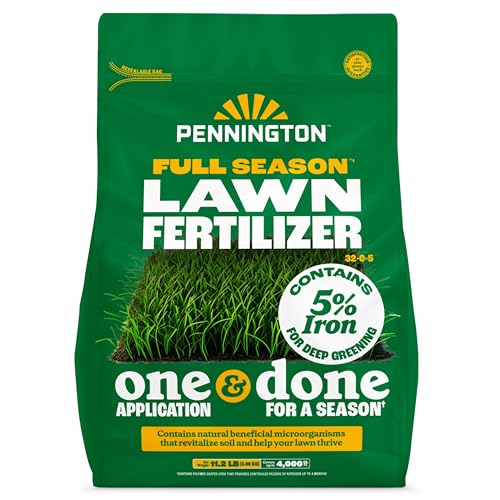
Pennington Full Season Lawn Fertilizer 32-0-5 4M 11.2 lb
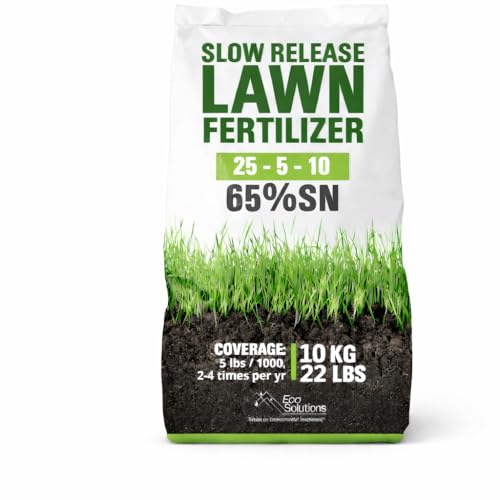
Eco Solutions Slow Release Lawn Fertilizer 25-5-10 22 lbs

GreenView Lawn Food 16 lb. Bag 22-0-4
More Details On Our Top Picks
Jonathan Green’s starter blend leans on a 12-18-8 analysis, so the phosphorus-forward profile makes sense for freshly seeded or sodded ground that needs early establishment. The 1,500 square foot coverage is a nice middle ground for a typical starter project, and it keeps the bag from feeling oversized for patch work. You may find it especially handy on a weekend install where you want one bag to handle the whole front lawn.
Compared with Pennington’s slower seasonal approach later in the list, this one is more about getting young grass moving from the start. The trade-off is straightforward: it’s a purpose-built starter, not the broad maintenance feed you’d leave down all season. That narrow focus is exactly why many homeowners keep a bag like this near a fresh seed order.
Strong Points
- Starter ratio suits new seed and sod work.
- Coverage fits a modest lawn renovation without a lot of leftovers.
- Simple, focused formula keeps the decision easy for first-time installs.
- Works well as a dedicated launch step before regular lawn care begins.
Worth Noting
- Starter focus means it’s less versatile than a general lawn food.
- The coverage may feel tight for a larger renovation.
Feature Snapshot
Who It Suits Best
Homeowners starting grass from seed or sod on a small to medium lawn will get the cleanest fit here.
A Better Fit Elsewhere
The Andersons Premium New Lawn Starter 20-27-5 suits you better when you want a denser starter option for a larger lawn project.
This Jonathan Green option sits close to the previous pick in formula, but the naming and positioning make it feel like the more straightforward shelf choice for seed-and-sod jobs. The 12-18-8 ratio still points toward establishment, and the 1,500 square foot coverage keeps planning simple for a new lawn project. For most backyards, that kind of predictability matters more than flashy wording on the bag.
It’s a solid fit when you want a familiar starter profile without moving up to a denser, more expensive-feeling bag like The Andersons. The catch is the same one as any starter fertilizer, it’s doing a job at the beginning, not carrying the lawn through every stage. That makes it practical, not broad.
What We Like
- Easy-to-read starter formula for new turf work.
- Coverage matches a common project size.
- Good companion to fresh seed or newly laid sod.
- Familiar nutrient balance keeps the planning simple.
Small Caveats
- Starter-only use leaves little room for broader lawn feeding.
- Very large yards will need multiple bags.
Core Details
Who Will Love This
You’ll appreciate this most for a standard starter project where the goal is simple, even feeding.
Where A Sibling Pick Shines
Fertilome New Lawn Starter Fertilizer 9-13-7 fits you better when you want a smaller bag for touch-up areas.
The smaller 4-pound bag changes the feel here right away, because you’re clearly looking at a compact project or a tight repair job rather than a full-lawn feeding plan. Its 9-13-7 analysis is still aimed at establishment, and the source data says it can cover up to 1,000 square feet, which helps you match it to a smaller patch of new grass. Nothing flashy, just a tidy starter option for spot work.
Compared with the two Jonathan Green picks, this one scales down the job and the purchase size, which can be useful for a side yard, a reseeded strip, or a first round after aeration. The trade-off is obvious, you give up coverage and broad reach. For small repairs, that’s usually a fair exchange.
Highlights
- Smaller bag suits patch repairs and light starter needs.
- 9-13-7 profile still leans toward young-root support.
- Coverage is easy to match to a modest area.
- Good choice for short, targeted lawn projects.
Points To Note
- Coverage tops out at a smaller area than several others here.
- Less efficient for full-yard installations.
- The bag size may mean more frequent repurchasing for repeated work.
Details At A Glance
The Right Fit
Smaller yards, repair strips, and first-time overseeding projects suit this compact bag well.
Another Choice May Suit
Jonathan Green Veri-Green Starter Fertilizer 12-18-8 fits you better when your project needs a little more coverage.
This one moves away from the dry starter-bag format and into a liquid concentrate, which changes how you handle the job in a busy yard. The source data points to 7-in-1 functionality and a 1-gallon container that covers up to 16,000 square feet, so your payoff is reach and flexibility rather than a small, concentrated starter dose. For large lawns or repeated spot feeding, that wide coverage can save a lot of back-and-forth.
The trade-off is that liquids ask for a little more setup than a bag you can shake and spread. Compared with Fertilome’s compact 4-pound bag, this is the more involved option, but it also fits bigger spaces far better. The mix of nitrogen, iron, humic components, and sea kelp gives it a broader profile than the starter-only picks above.
Bright Spots
- Liquid format makes coverage fast across a large area.
- Seven-part blend offers broader lawn-care flexibility.
- Large stated coverage suits big properties and repeated use.
- Liquid application can be easier to spread evenly with the right sprayer.
Softer Spots
- Liquid use usually asks for sprayer setup and cleanup.
- Large coverage can feel unnecessary for small yards.
Feature Rundown
Who Should Grab It
You’ll get the most from this on a large lawn where a liquid application setup already feels normal.
Swap It Out When
Pennington Full Season Lawn Fertilizer suits you better when you want a granular option with a simpler seasonal routine.
The Andersons gives you a more concentrated starter profile, and that higher 20-27-5 analysis signals a stronger push for establishment than the softer starter bags earlier in the list. The 18-pound bag and 5,000 square foot coverage make it better suited to a full lawn project than a tiny repair strip. In a fresh renovation, that combination can feel reassuring because you’re not constantly recalculating how many bags you need.
Compared with Jonathan Green’s 1,500 square foot options, this one is aimed at larger starter jobs and a heavier application plan. The trade-off is simple: more coverage and nutrient density usually means a little less casual convenience for a quick patch. For a bigger new lawn, that’s the point.
Reasons To Buy
- Higher starter analysis suits demanding new turf projects.
- Five-thousand-square-foot coverage helps with larger lawns.
- 18-pound bag reduces the need for multiple small bags.
- Good match for homeowners doing a more complete renovation.
Areas To Watch
- More bag weight means more storage space and lifting.
- Stronger starter focus still makes it a narrow-use product.
Spec Overview
Built With In Mind
This suits you best for a full starter pass across a medium-to-large new lawn.
Look Elsewhere When
Fertilome New Lawn Starter Fertilizer 9-13-7 fits better for small repair work and lighter storage needs.
This Yard Mastery bag is built more like a broad lawn maintenance tool than a starter-only product, and that makes it useful once your new lawn has moved beyond the earliest stage. The 7-0-20 analysis, plus the listed 3 percent iron and Bio-Nite, points toward a feeding style that suits stress-prone turf and wider property care. You may find the 45-pound size more practical for a big yard than for a small suburban strip.
Compared with the Andersons starter formula, this one is less about launch and more about steady upkeep after grass is established. The trade-off is that it’s not the first bag you’d reach for after seeding, even though the coverage is generous. For property owners who dislike constant repurchasing, that’s the main attraction.
Best Bits
- Large-bag format suits broad lawns and repeat applications.
- 7-0-20 analysis shifts the focus away from starter feeding.
- Includes iron and Bio-Nite for a more layered feeding approach.
- Works well for established turf that needs regular support.
Room For Improvement
- Not the most natural fit for brand-new seedbeds.
- 45-pound bag takes more storage and handling space.
Technical Sheet
Whose Shelf It Belongs On
You’ll like this most for an established lawn that needs a large, easy-to-repeat feeding plan.
Reach For A Different Pick When
Jonathan Green Veri-Green Starter Fertilizer suits you better for brand-new seed or sod.
Pennington takes a more seasonal, low-maintenance approach than the starter-first bags above. The 32-0-5 analysis and 4M slow-release format are built for people who want feeding to happen in a longer arc instead of a quick surge, and the source description points to one application per season. That style can feel almost hands-off once your lawn has cleared the establishment phase.
The honest trade-off is that it’s not the bag you’d choose for the earliest seedling stage, since the emphasis is on maintenance and greening rather than initial rooting. Compared with Yard Mastery, this feels more straightforward for routine lawn care and less focused on special stress recovery. For busy homeowners, that simplicity is a real plus.
Upsides
- Slow-release format supports a more spaced-out routine.
- One-application seasonal approach keeps lawn care simple.
- High nitrogen content aligns with greening goals.
- Good fit once a new lawn is already established.
Honest Caveats
- Not aimed at the earliest seed or sod stage.
- Smaller bag size may not suit very large yards.
Core Details
Perfect Match For
You’re the right fit for this product if your lawn is established and you want a simpler seasonal feeding rhythm.
Consider Something Else When
The Andersons Premium New Lawn Starter 20-27-5 fits better for a fresh installation that needs a stronger launch.
Eco Solutions leans into a slower feeding rhythm, and the 25-5-10 analysis gives it a more balanced maintenance profile than a starter-only bag. The source data calls out 65 percent granular nitrogen and feeding that can last up to 110 days, which is useful for someone who wants fewer application cycles. That longer window can be a relief during a busy season when lawn care tends to pile up.
Compared with Pennington’s 4M slow-release format, this one feels a bit more explicit about feeding duration, though the use case is still established turf rather than brand-new seed. The trade-off is that you’re buying long-feed convenience, not a fresh-start starter blend. For homeowners with a lawn already in motion, that’s often the smarter place to spend.
Positives
- Slow-release design reduces how often you need to reapply.
- 110-day feeding window supports a steadier routine.
- 22-pound bag is a manageable middle ground for storage.
- Works well for established grass that needs consistent support.
Minor Gripes
- Not a direct substitute for a starter formula on fresh seed.
- Granular application still requires even spreading to avoid patchy results.
Feature Card
Built With In Mind
This suits established lawns where you want a calmer, longer-feeding routine.
Another Choice May Suit
Jonathan Green Veri-Green Starter Fertilizer fits you better for the first stage after seeding or sodding.
GreenView lands as the simplest maintenance-style option in this group, with a 22-0-4 analysis and a 16-pound bag that covers 5,000 square feet. The source description calls out eight weeks of continuous feeding, which makes the product feel very much like an easy routine bag for a maturing lawn. For a mid-size yard, that blend of coverage and duration is practical without asking for a complicated schedule.
Compared with Eco Solutions, it covers a shorter feeding window but stays very easy to understand. The catch is that it isn’t a starter fertilizer, so brand-new seed and sod should look earlier in the list. For ongoing lawn care after establishment, though, it fits neatly into the weekly rhythm of ordinary home use.
Strong Points
- Clear maintenance profile for an established lawn.
- Eight weeks of continuous feeding suits a regular care plan.
- 5,000 square feet of coverage works well for mid-size yards.
- Simple 22-0-4 formula keeps the choice easy to understand.
Areas To Watch
- Not intended for the earliest stage of lawn establishment.
- The feeding window is shorter than some slow-release options.
Core Details
Made For
You’ll like this best for an established lawn that needs a straightforward feeding schedule.
Right Fit Elsewhere
Fertilome New Lawn Starter Fertilizer 9-13-7 suits you better for seed and sod projects at the beginning stage.
How To Choose The Right Fertilizers For New Lawn
Match The Formula To The Lawn Stage
Starter fertilizers belong with seed and sod, because they are built to support early establishment rather than routine upkeep. A higher middle number in the NPK analysis, which stands for nitrogen, phosphorus, and potassium, usually signals more emphasis on root development, and that matters most right after seeding or laying sod. Once grass is established, a broader maintenance feed makes more sense.
That stage match is the fastest way to avoid buying the wrong bag. A starter blend can feel too narrow for mature turf, while a season-long lawn food can miss the moment when young roots need a more focused push. Think in terms of plant stage first, then coverage and bag size second.
Decide How Much Coverage You Really Need
Coverage numbers tell you whether the bag fits a patch repair, a front lawn, or a bigger renovation. A 1,000 to 1,500 square foot bag suits a smaller job, while 5,000 square feet or more starts making sense for full-yard work. Bigger coverage can save trips to the store, but it also takes more storage room and usually feels less convenient for small projects.
There’s no point in hauling a 45-pound bag for a narrow side strip. Likewise, a tiny bag gets frustrating fast on a larger yard because you end up stopping and starting the job. Let the size of the lawn, not the packaging language, set the pace.
Granular Or Liquid, Choose The Handling Style You’ll Live With
Granular fertilizer is the bagged, spreader-friendly route most homeowners know well. It’s usually easier to store and simpler to measure for even coverage, which helps when you want a clean, predictable routine.
Liquid concentrate can cover a lot of ground quickly, but it asks for sprayer setup, mixing, and cleanup. That trade-off is fine for a large yard or a lawn care routine you already keep organized. For a one-time starter job, granular often feels less fussy.
Look Past The Label And Toward The Routine
Feeding duration matters because it changes how often you revisit the lawn. Slow-release blends stretch feeding over weeks or even months, which suits a busy schedule and reduces the chance of uneven timing. Shorter-feeding products can still be useful, but they fit best when you want more control over each application.
Maintenance habits matter too. A product that feels easy to store, easy to spread, and easy to repeat often beats a more complicated formula that sounds impressive but doesn’t match your routine. For most home lawns, convenience wins after the first application.
Things Worth Knowing First
Mistakes Worth Dodging
One common slip-up is using a maintenance fertilizer on fresh seed and expecting starter-level support. Another is buying for acreage you do not actually have, which leaves you with either too much product or too little for the job.
Coverage, release style, and lawn stage should all point in the same direction. When those three line up, the bag does its job without creating extra work.
The Case For Spending Up
Higher-tier options often cost more because they package a more specific nutrient balance, longer feeding window, or larger coverage area. You’re not just paying for a bigger label, you’re paying for fewer repurchases, more controlled feeding, or a format that saves time across a full yard.
The upgrade makes sense when your lawn is large, your schedule is busy, or you want a more targeted starter blend for a fresh install. For a tiny repair patch, that extra spend can feel unnecessary. For a full renovation, it can feel much more practical.
Frequently Asked Questions
What NPK ratio works best for a new lawn?
Starter products often lean toward higher phosphorus than routine lawn foods. That helps support the early stage of root development after seeding or sodding.
Can you use a regular lawn fertilizer on fresh seed?
You can, but a starter formula usually matches the job better. Fresh grass benefits most from a product built for establishment rather than maintenance.
Granular or liquid, which is easier to handle?
Granular is usually simpler for most home setups because it spreads with familiar tools. Liquid makes more sense for larger lawns and people comfortable with sprayers.
How much coverage should you buy?
Match the bag to your actual square footage, then leave a little room for uneven edges or touch-up spots. A small repair does not need a giant bag, and a full renovation should not rely on a tiny one.
Do slow-release formulas work for a new lawn?
They can work, but starter timing still matters more at the beginning. Slow-release products are usually better once the lawn is already growing and you want steadier upkeep.
Closing Thoughts
The right fertilizer for a new lawn depends on two things: the stage of the grass and the size of the space you need to cover. Starter blends like the Jonathan Green and Fertilome options make the most sense at the beginning, while Pennington, GreenView, Eco Solutions, and Yard Mastery shift toward steady maintenance once the lawn has taken hold. For a bigger renovation, The Andersons stands out as the most project-focused of the starter group. Pick the bag that matches your yard, and the whole job feels a lot less complicated.
