

Your lawn care routine gets easier when the fertilizer matches the job, not just the label. Some yards need slow feeding that keeps working in the background, while others need a liquid boost for quicker color or a spot treatment for mossy trouble. This roundup focuses on the kinds of fertilizers for lawns that fit real routines, from busy suburban yards to smaller spaces that need simpler upkeep.
You’ll also see clear trade-offs, because every lawn product asks for a different kind of commitment. Granular bags suit planned feeding, liquids are faster to apply, and specialist formulas make sense when your grass needs more than basic nutrition. The right pick depends on how often you want to treat the yard and how much control you want over results.
Quick Look At The Shortlist

Scotts Turf Builder Healthy Plus Lawn Food 13.70 lbs.
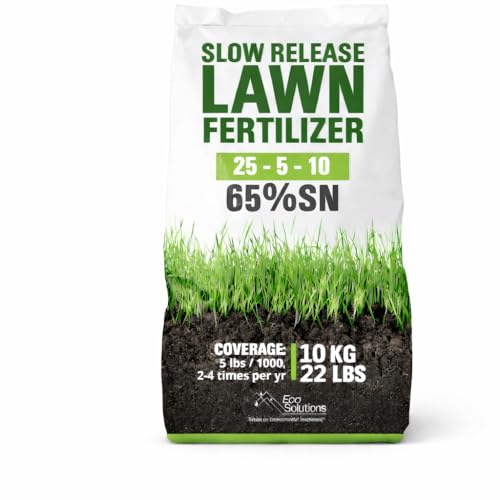
Slow Release Lawn Fertilizer 25-5-10 NPK 10kg (22lbs)

Slow Release Lawn Fertilizer 25-5-10 NPK 20kg (44lbs)

GreenView Lawn Food 16 lb. Bag 22-0-4 NPK formula
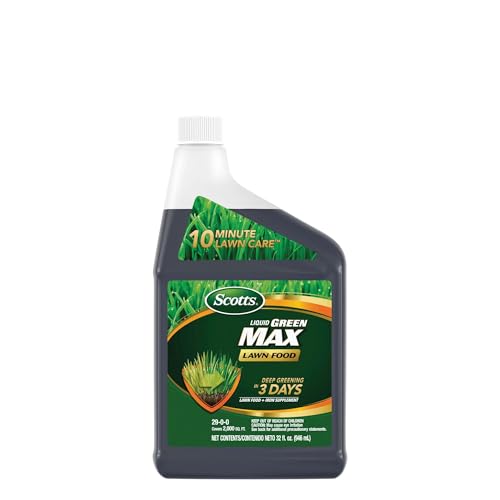
Scotts Liquid Green Max Lawn Food 32 fl. oz.

Scotts Turf Builder Liquid Lawn Food 32 fl. oz. 29-0-3

Sunday Lawn Kickstart Liquid Lawn Fertilizer 2 Pack

Sunday Dandelion Doom Iron-Based Weed & Moss Killer 32oz 2-Pack
More Details On Our Top Picks
This bag stands out because it tries to do more than feed grass. The 2-in-1 setup pairs lawn food with a fungicide, so it suits yards where spotty disease pressure and general feeding both matter. For a homeowner who wants fewer separate products in the shed, that kind of combination has real appeal.
The trade-off is flexibility, since a combined formula gives you less room to fine-tune each task on its own. It fits best for routine lawn upkeep in a typical suburban yard, especially when you want a simpler treatment plan and don’t want to juggle two applications.
Strong Points
- Combines feeding and fungal care in one pass
- 4,000 square feet of coverage suits many average lawns
- Dry bag format stores neatly in a garage or shed
- Reduces the need to keep two separate lawn products on hand
Things To Consider
- Combination formulas leave less room for targeted lawn treatments
- Bag handling matters more in damp storage spaces
- The coverage number makes the fit clearer for smaller yards than for sprawling properties
Feature Snapshot
Who It Suits Best
Yard owners who want a straightforward, combination lawn treatment will get the most from this one.
Where A Sibling Pick Shines
GreenView Lawn Food 16 lb. Bag 22-0-4 NPK formula suits you better when you want a simpler feeding-only routine without the added disease-care angle.
Slow feeding is the main draw here, and that matters in yards where you’d rather keep a steady routine than chase quick bursts of color. The 25-5-10 NPK blend gives this bag a strong nitrogen lean, while the 65% granular nitrogen formula is built for gradual release over a long stretch. For most backyards, that kind of pacing feels calmer and easier to plan around.
You may find the 10kg size easier to handle than bulkier lawn bags, especially on mixed-surface paths or when storage space is tight. The honest read is that this pick makes the most sense for shoppers who value consistency over speed, and who want a lawn food that works in the background.
Bright Spots
- Long feeding window reduces how often you need to reapply
- Granular format gives even distribution when spread carefully
- 10kg bag is manageable for routine home use
- Works well for people who prefer a set-and-follow schedule
Room For Improvement
- Slow-release feeding does not suit someone chasing fast visual change
- Granules need a spreader or careful hand application for even coverage
- Bag storage matters in damp spaces, since granular fertilizer can clump
Core Details
The Right Fit
This suits you best for steady lawn care in a normal home yard where long release matters more than instant color.
Skip It When
Scotts Liquid Green Max Lawn Food 32 fl. oz. fits better when your schedule favors a faster liquid application and a quicker visible boost.
The larger 20kg bag keeps the same slow-release approach as the smaller Eco Solutions option, but it’s built for more ground to cover. That makes it a better fit for bigger lawns, shared property care, or anyone who prefers fewer reorders across the season. In a large yard, that extra volume can feel like a real practical advantage.
The trade-off is simple: bulk takes space, and the bag feels less forgiving to move around than the 10kg version. Depending on your storage setup, you may want a dry corner in the garage or shed, because heavy granular bags are less pleasant to manage once they’ve been opened and used over time.
Highlights
- Large 20kg format suits bigger lawns and broader coverage needs
- 25-5-10 blend keeps feeding focused on nitrogen-driven growth
- Slow release helps reduce how often you need to think about the next application
- Better value of effort for larger property care
Softer Spots
- Bulkier packaging takes more storage room
- Carrying and pouring the bag takes more effort than the smaller version
- Granular products still need even spreader coverage for tidy results
- Not as handy for compact yards or quick top-ups
Details At A Glance
Made For
You’ll appreciate this most on a larger yard where the same slow-release recipe needs more total coverage.
Another Choice May Suit
Eco Solutions Slow Release Lawn Fertilizer 25-5-10 NPK 10kg (22lbs) is the easier-handling option for smaller properties and simpler storage.
GreenView takes a more traditional route, and that’s useful for people who want a straightforward feeding product without extra bells and whistles. The 22-0-4 NPK formula leans into nitrogen and potassium, while the 5,000 square foot coverage gives it a clear place in average-size lawns. It feels like a sensible middle ground for routine seasonal care.
The 8-week feeding window matters more than the bag graphics suggest, because it gives you a cleaner rhythm for repeat applications. You may find it especially comfortable for a lawn that just needs steady maintenance rather than a dramatic turnaround, though the lack of secondary features means it won’t suit every yard problem.
Positives
- Clear coverage target makes planning easier
- 8-week feeding window fits regular upkeep
- 22-0-4 ratio gives a familiar lawn-food profile
- Bag size is practical for many home storage setups
Points To Note
- It focuses on feeding, not specialty lawn fixes
- Granular application works best with even spreading
- The formula is less flexible than a liquid option for quick touch-ups
Spec Overview
Best Suited To
This fits you well for steady lawn maintenance where coverage and a fixed feeding interval matter.
Look Elsewhere When
Scotts Turf Builder Liquid Lawn Food 32 fl. oz. makes more sense for a quicker hose-end application and a lighter storage load.
This liquid formula is built for a faster kind of lawn routine, especially when you want a simpler spread-and-go application. The 29-0-0 NPK ratio leans hard on nitrogen, and the added iron supplement gives the product its color-focused angle. For yards that look tired after a dry stretch, that combination can be appealing.
Compared with the granular bags earlier in the list, this one trades slow, measured feeding for convenience and speed. The honest read is that liquid products suit people who want cleaner storage and less hauling, though they also ask you to pay closer attention to application coverage.
Upsides
- Liquid format makes application quick and straightforward
- Iron supplement adds a useful color-focused element
- Works for any grass type, which widens its fit
- Small bottle is easier to store than a large fertilizer bag
Minor Gripes
- Liquid use can feel less forgiving if your spray pattern is uneven
- Smaller bottle means you may need more than one application plan for larger lawns
- Color boost is helpful, but it does not replace regular lawn care
Quick Facts
Whose Shelf It Belongs On
This is a strong match for homeowners who want a liquid lawn food with a quicker routine and a tidy footprint.
Where A Sibling Pick Shines
GreenView Lawn Food 16 lb. Bag 22-0-4 NPK formula suits you better when you prefer a granular format and a longer feeding window.
Where the Green Max bottle leans on iron, this one keeps the focus on the standard liquid feeding format and a 29-0-3 NPK blend. That 3 in the final position points to added potassium, which matters in a lawn-food conversation because potassium supports general plant strength and balance. For people who like a hose-end liquid and a no-fuss routine, it’s a tidy choice.
The trade-off is that it does one job cleanly rather than trying to be a multi-purpose lawn fix. In most yards, that’s enough, though people wanting a more noticeable cosmetic boost may prefer the iron-forward Scotts Liquid Green Max instead.
Best Bits
- Liquid format keeps application straightforward
- 29-0-3 formula offers a more balanced nutrient profile than a pure nitrogen push
- Works well for lawns that need regular feeding without a bulky bag
- Compact bottle is easy to keep on a shelf or in a garden cabinet
Areas To Watch
- Liquid coverage still depends on careful spraying
- Does not include the iron supplement found in Green Max
- Single-bottle format may feel modest for larger properties
Feature Card
Built With In Mind
You’ll like this most when a liquid lawn feed and a quick setup matter more than special extras.
Reach For A Different Pick When
Sunday Lawn Kickstart Liquid Lawn Fertilizer 2 Pack suits bigger lawns better because it adds more total coverage and comes with a hose-end sprayer.
This one leans into convenience more than the single-bottle liquids above. Two 42.3oz bottles, a hose-end sprayer, and coverage for 10,000 square feet make it feel built for bigger lawns that still need an easy application path. The 22-0-2 formula adds nitrogen, iron, and potassium, so the nutrient profile is broader than a plain lawn food.
That extra hardware is useful, though it also means you’re paying for a more complete kit rather than just a bottle of concentrate. One thing worth considering is storage, because the sprayer and twin bottles take more cabinet room than the smaller Scotts liquid options.
Reasons To Buy
- Covers 10,000 square feet, which suits larger lawns well
- Hose-end sprayer cuts down on separate equipment
- Two-bottle setup gives you more total product in one listing
- Includes nitrogen, iron, and potassium for a broader feeding profile
Small Caveats
- Sprayer parts add storage clutter compared with a simple bottle
- More features mean more setup steps than a basic liquid lawn food
- The twin-bottle format may feel excessive for small yards
Technical Sheet
Who Should Grab It
This works best for you when a larger lawn needs a liquid feed and you want the sprayer included.
Another Choice May Suit
Scotts Turf Builder Liquid Lawn Food 32 fl. oz. 29-0-3 is easier to store and better suited to smaller, simpler lawn care routines.
This isn’t a general lawn food, so it fills a different role from the Scotts and GreenView picks above. The iron-based formula is aimed at spot treatment for broadleaf weeds, moss, algae, and lichen, and the 2-pack format gives you enough product for repeated touch-ups. For yards with patchy trouble spots, that focused approach can be more useful than a broad feeding product.
The catch is that it’s a specialist tool, not your main lawn nutrition bottle. It fits homeowners who need a selective treatment and want something that can be used where problem patches keep showing up, though you still need a separate fertilizer for regular feeding.
Plus Points
- Selective spot treatment keeps the use case focused
- 2-pack format helps with repeat applications in problem areas
- Targets several common yard intruders in one formula
- Pet-friendly once dry, which adds a practical layer of comfort after application
Worth Noting
- It does not replace a standard lawn fertilizer
- Spot treatment takes a little more attention than broad spraying
- Storage is easy, but the job itself is more specific than general lawn feeding
Core Details
Perfect Match For
You’ll get the most from this if your lawn needs spot treatment rather than a full feeding cycle.
Where Another Pick Suits Better
Scotts Turf Builder Healthy Plus Lawn Food 13.70 lbs. fits better when you want a broad lawn treatment that also handles feeding.
How To Choose The Right Fertilizers For Lawns
NPK And Feed Timing
NPK stands for nitrogen, phosphorus, and potassium, the three numbers you see on many lawn-food labels. Nitrogen usually drives green growth, potassium supports overall plant strength, and phosphorus appears less often in lawn products because many lawns do not need much of it.
Slow-release granular fertilizer suits you when you want fewer applications and steadier feeding. Liquid products fit better when you want a quicker routine, a lighter lift, or a more immediate-looking boost after a dry stretch.
Bag Size, Coverage, And Storage
Coverage matters as much as the formula, because a product that suits a small yard can become awkward on a larger one. A 4,000 or 5,000 square foot bag is often easier to manage for average homes, while 10,000 square feet of coverage makes more sense for bigger properties and shared lawns.
Storage is part of the decision too. Granular bags need a dry place to stay easy to pour, and liquid bottles are simpler to stash but can take up shelf space once hoses or sprayers are included.
Formula Type And Yard Needs
A basic feeding formula works well for routine maintenance, especially when your grass already looks fairly even. Combination products help when you want to fold in extra care, such as fungal support or targeted weed and moss treatment, but they narrow the use case.
That’s why matching the product to the yard’s actual condition matters. A healthy lawn benefits from steady feeding, while patchy problem areas often need a more specific product before or alongside a regular fertilizer plan.
Ease Of Use And Application Style
Granular fertilizer usually needs a spreader or careful hand application, which rewards a tidy, methodical approach. Liquid fertilizer cuts down on setup, though spray pattern and dilution details become more important for even coverage.
For busy schedules, the easiest product is often the one you can store, carry, and apply without turning the job into a weekend project. That practical fit matters more than any fancy label language.
What To Weigh Before You Choose
Mistakes Worth Dodging
One common mistake is choosing by bag size alone and ignoring coverage. A smaller yard can do fine with a compact bag, while a larger lawn usually needs more total product or a formula meant for broader reach.
Another slip-up is mixing up feeding and problem solving. A standard fertilizer helps grass grow, but weed, moss, or fungal issues need the right specialty product, not just more nitrogen.
What The Higher Tier Buys
More expensive lawn foods often bring better convenience, not magical results. That can mean liquid kits with sprayers, larger coverage, slower release, or formulas that combine several yard tasks in one package.
The upgrade makes sense when you want less guesswork, less handling, or a more specific job done in a single pass. For simple routine feeding, a basic formula often does enough.
Frequently Asked Questions
How often should you apply fertilizer for lawns?
That depends on the formula and release style. Slow-release products stretch the feeding window, while liquid products usually fit a shorter cycle.
Do liquid fertilizers work faster than granular ones?
Liquid formulas usually fit quicker application routines. Granular formulas usually focus on steadier feeding over time.
What does an NPK number mean?
NPK shows the ratio of nitrogen, phosphorus, and potassium in the product. Those numbers help you compare lawn foods by feeding profile instead of by brand name alone.
Can you use lawn fertilizer on any grass type?
Some products are made for any grass type, while others are better suited to a narrower use case. The label wording matters more than assumptions based on package size.
Should you choose a fertilizer with extra features?
Extra features make sense when your yard has more than a basic feeding need. A combination product helps you narrow the number of separate treatments, but it also reduces flexibility.
Closing Thoughts
Choosing fertilizers for lawns gets easier once you match the product to the job in front of you. A slow-release bag suits the homeowner who wants steady care, a liquid bottle fits the one who prefers quick application, and a specialist treatment helps when the lawn needs targeted attention. The best result usually comes from choosing less for the label and more for the actual yard. Keep the routine simple, and your lawn care plan feels much less like a chore.
