

You need different mowing hardware depending on whether your yard is flat, steep, wide open, or packed with tight corners. That’s where this roundup helps, because each pick suits a distinct kind of property and mowing routine.
Some options are built for hands-off coverage, while others give you more direct control, stronger traction, or easier bagging. You’ll see the trade-offs clearly, so you can match the mower to your grass, terrain, and patience level.
Quick Look At The Shortlist
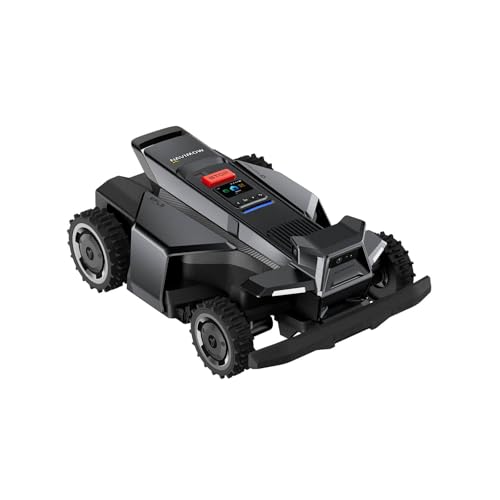
Segway Navimow X430 Wire-Free Robot Mower

Honda HRX-BE 21-Inch Battery Self-Propelled Mower

Litheli 16.5-Inch Cordless Brushless Mower

21-Inch Self-Propelled Gas Mower, 170cc

Honda HRN-BV 21-Inch Battery Self-Propelled Mower
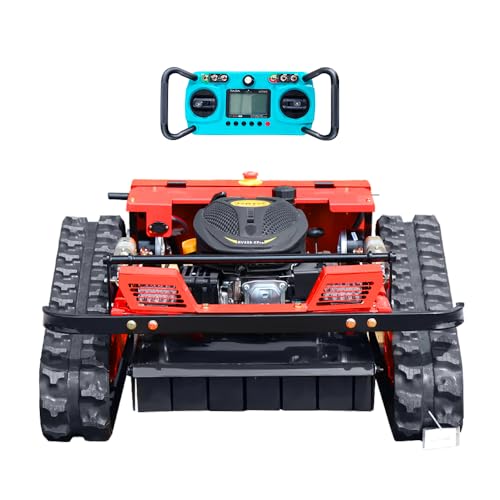
Infront Remote Control Lawn Mower, 20-Inch

INFRONT Remote Control All-Terrain Hybrid Mower

Mammotion LUBA 3 AWD 3000H Robot Mower
More Details On Our Top Picks
Segway’s wire-free setup suits yards where you want less boundary hassle and more automation. The 4WD layout and stated slope capacity make it a serious fit for uneven ground, while the zero-turn style movement should help in tighter lawn shapes.
The honest read is that this kind of robot pays off most on larger properties, especially when you’d rather spend weekends doing something other than pushing a deck around. It also stands apart from simpler walk-behind picks like the Litheli, because the job here is coverage, not manual control.
Strong Points
- Wire-free operation reduces the setup burden of buried boundary lines.
- 4WD helps the mower keep traction on steeper or uneven sections.
- Zero-turn movement can help preserve grass and trim around complex shapes.
- Two 180W motors point to a more capable drive system for broad coverage.
- Its 0.75 to 4 inch cutting range gives you room to suit different lawn looks.
Things To Consider
- Robot mowing works best when the yard layout is mapped and kept tidy.
- Larger, obstacle-heavy properties may need more attention during setup and placement.
- The tech-forward design makes it less hands-on than a traditional mower, which is the point, but not everyone wants that style.
Feature Snapshot
Who It Suits Best
You’ll get the most from this model in a large yard with slopes, a complex layout, or a strong preference for automated mowing.
A Better Fit Elsewhere
Mammotion LUBA 3 AWD 3000H is the closer match for property owners who want more advanced mapping and multi-zone control in a robot mower.
This 21-inch Honda fits the usual suburban rhythm well, especially for yards that want self-propelled help without the noise and upkeep of a gas engine. The dual battery bays add practical flexibility, because you can plan around longer mowing sessions without treating the job like a sprint.
Compared with the robotic Segway, this is a more familiar walking mower with a steadier sense of control. That feels right for homeowners who want clean handling at the deck and grass bag, not a system that maps the yard for you.
What We Like
- Self-propelled drive reduces effort on longer or sloped lawns.
- Two battery bays can help extend runtime planning.
- The 21-inch deck gives you a practical cutting width for typical yards.
- The 2.2-bushel bag holds a useful amount of clippings before emptying.
- The easy-off bag design should simplify dump-and-go cleanup.
Minor Gripes
- Battery systems still ask for charging discipline, especially on bigger properties.
- The 21-inch format is workable, but tight storage spaces may feel the size.
- You may prefer a gas model like the Ezasin if you want a very familiar refuel-and-go routine.
Core Details
Built With In Mind
You’ll appreciate this mower most in a medium suburban yard where steady self-propelled control matters more than advanced automation.
Another Choice May Suit
Honda HRN-BV 21-Inch Battery Self-Propelled Mower is the better sibling pick for homes that want a slightly different bagging setup and a heavier focus on thick or tall grass.
For smaller lawns and cleaner edges, this Litheli keeps the setup simple. The brushless motor is the key detail here, because brushless motors usually mean less internal wear than brushed designs, and that can matter over repeated weekend use.
It also sits in a friendlier spot than the larger Honda and the heavier-duty gas mower, since a 16.5-inch deck is easier to steer around beds, fences, and narrow side yards. The trade-off is plain enough, though, because a narrower deck means more passes on wider grass areas.
Highlights
- Two 4.0Ah batteries give you a practical cordless starting point.
- Six cutting height settings make seasonal trimming easier to match.
- The brushless motor is a smart detail for durability-minded maintenance.
- Its smaller deck helps in tighter garden paths and compact yards.
Worth Noting
- Smaller cutting width means more back-and-forth on wider lawns.
- Cordless mowing depends on battery charging habits, which takes planning.
- The lighter-duty format suits routine trimming more than demanding overgrowth.
Details At A Glance
Right Fit For
You’ll like this best for smaller yards, light weekly mowing, and garden spaces where easy steering matters more than deck size.
Where A Sibling Pick Shines
Honda HRX-BE 21-Inch Battery Self-Propelled Mower suits you better once your yard gets bigger and you want a wider deck with more endurance planning.
Gas power still makes sense for yards that can throw thick grass and uneven growth at you, and this Ezasin leans into that reality. The 170cc four-cycle engine, self-propelled drive, and 3-in-1 mowing modes give you more ways to handle the cut without changing tools.
Against the cordless Litheli, this is the more old-school workhorse style, which some homeowners still prefer because it avoids battery planning. The honest trade-off is maintenance, since gas mowing brings fuel handling, engine care, and a little more storage fuss.
Bright Spots
- 170cc engine power suits thicker or less predictable grass.
- Self-propelled movement lowers the push effort on longer jobs.
- Three mowing modes give you useful flexibility for clipping management.
- Seven cutting heights help you tailor the finish to lawn conditions.
- The included 1.9-bushel bag supports neater cleanup after bagging.
Areas To Watch
- Gas engines ask for more upkeep than cordless options.
- Refueling and storage take a bit more attention than battery charging.
- The feature set is practical, but the deck size still calls for careful turning near landscaping.
Technical Sheet
Who Should Grab It
You’ll get the most from this mower in a yard that needs stronger cutting muscle and a familiar gas-driven routine.
Swap It Out When
Litheli 16.5-Inch Cordless Brushless Mower makes more sense for smaller properties where quiet operation and lighter storage demands matter more than engine power.
This Honda sits nicely between the easier-to-manage Litheli and the more aggressive gas mower. The easy-off bag and self-propelled drive are the practical parts of the story, because they keep mowing and cleanup from feeling like separate chores.
For homes with thick or tall grass, the product page leans in a useful direction, and that matters more than flashy language. You may still want the Ezasin gas model for very overgrown conditions, but this Honda is a friendlier fit for regular battery-powered upkeep.
Positives
- Variable speed drive helps match walking pace to the yard.
- The 1.9-bushel bag is a sensible size for everyday cleanup.
- Easy-off bagging makes emptying less awkward after a full pass.
- Its 21-inch deck keeps the mower efficient for medium lawns.
Points To Note
- Battery management still matters on larger yards.
- The bag size is practical, though heavy clipping loads can still fill it quickly.
- Those who want more automation may prefer the Segway or Mammotion robot picks.
At A Glance
Whose Shelf It Belongs On
You’ll appreciate this mower most in a medium yard where you want battery power, self-propelled help, and easy clipping removal.
Look Elsewhere When
Ezasin 21-Inch Self-Propelled Gas Mower fits better for rougher, thicker grass where engine-driven muscle matters more than battery convenience.
Remote control changes the feel of mowing fast, especially on slopes or rough ground where standing behind the machine isn’t always ideal. The 20-inch cutting width keeps it broad enough for serious work, while the track design should give you more confidence on uneven terrain.
Compared with the self-propelled Honda models, this is less about walking comfort and more about operator distance and terrain control. That can be a smart shift for properties that mix open areas with tough patches, though the remote-driven setup adds another layer of learning.
Reasons To Buy
- Remote operation reduces the need to stand directly behind the mower.
- Track design helps on steep sections and rougher lawn surfaces.
- A 20-inch width gives you useful coverage without jumping to a bulky deck.
- The 0.79 to 5.9 inch height span offers broad trimming flexibility.
Small Caveats
- Remote systems take some learning, especially around turns and stopping distance.
- Track-driven machines can feel more involved to maintain and store than basic walk-behind units.
- The form factor is specialized, so it suits certain yards far better than others.
Spec Overview
The Right Fit
You’ll suit this best if your yard has steep sections, rough patches, or tall grass that benefits from remote operation.
Where A Sibling Pick Shines
Honda HRX-BE 21-Inch Battery Self-Propelled Mower is the calmer choice for regular suburban lawns where direct walking control feels simpler.
This INFRONT model pushes harder than the track-based mower just above it, because the hybrid power approach aims at more demanding work. The all-terrain tracks and 45-degree slope climbing claim make it a specialized option for property owners who deal with difficult angles and rougher ground.
One thing worth considering is that hybrid systems usually ask for a bit more understanding from the person using them. That trade-off makes sense for larger, complicated properties, but it’s more machine than many flat suburban lawns will ever need.
Upsides
- Hybrid power broadens the ways this mower can be used.
- All-terrain tracks help it stay composed on rough surfaces.
- The 45-degree slope climbing spec signals serious hill-handling intent.
- Remote control keeps the operator away from the machine’s path.
Honest Caveats
- This is a specialized tool, so flat lawns do not justify the complexity as well.
- Hybrid mechanics usually mean more to think about during storage and maintenance.
- The stronger setup may feel excessive for small yards with simple layouts.
Feature Rundown
Best Suited To
You’ll get the most value here on rugged property with serious slopes, where remote control and track grip matter more than simplicity.
Another Choice May Suit
Infront Remote Control Lawn Mower, 20-Inch is the easier sibling to live with for rough lawns that do not need the hybrid system.
The LUBA 3 AWD 3000H feels built for owners who want serious automation and serious yard intelligence in the same package. LiDAR, NetRTK, and AI vision are different navigation methods working together, and that can help the mower deal with boundaries, positioning, and complex zones without wire installation.
That puts it in a very different lane from the simpler Honda and Ezasin walk-behinds. For properties with multiple zones, slopes, and a need to keep the lawn schedule steady, this is the most feature-dense option in the group, though the garage ships separately and the whole system is clearly aimed at committed robotic mowing.
Standout Traits
- Wire-free operation removes the usual boundary-line setup headache.
- AWD helps on steep terrain and mixed ground conditions.
- Multi-zone management suits yards with separate mowing areas.
- The 2.2 to 4.0 inch cutting range keeps height control practical.
- LiDAR, NetRTK, and AI vision give the navigation stack real depth.
Room For Improvement
- The garage ships separately, so setup is not completely one-and-done.
- Advanced navigation can feel like more system than a basic lawn needs.
- Properties with simple layouts may not need this much capability.
Core Details
Perfect Match For
You’ll get the most from this mower on a complex property with multiple zones, slopes, and a strong preference for automation.
Skip It When
Litheli 16.5-Inch Cordless Brushless Mower is the easier path for small, simple lawns that do not need advanced robotic mapping.
How To Choose The Right Drivable Lawn Mowers
Start With Yard Shape And Ground Condition
Deck width matters, but the yard decides how useful that width actually feels. A 21-inch self-propelled mower makes sense on open suburban grass, while a 16.5-inch cordless unit slips through tighter side yards and garden borders with less fuss.
Slopes change the equation fast. Four-wheel drive, tracks, or AWD matter far more on steep ground than they do on flat turf, and that’s why the Segway, INFRONT, and Mammotion robot models sit in different lanes from the lighter walk-behind picks.
Match Power Style To Your Routine
Battery mowers suit people who want lower noise and easier day-to-day handling, especially on regular weekly cuts. Gas models still appeal for thicker growth or bigger lots, because they remove the anxiety of battery runtime and charging schedules.
Remote control and robotic operation serve a separate need altogether. They help when your yard is awkward, wide, or hard to walk behind for long stretches, which is why those designs are worth paying attention to even though they are not the right answer for every property.
Look Past The Deck And Bag Alone
Cutting height ranges tell you how carefully you can tune the finish. Wider adjustment bands help when your grass grows unevenly through the season, and bag capacity matters once you get tired of stopping every few passes to empty clippings.
Self-propelled drive also deserves a close look, because it reduces strain on longer mows and sloped lots. For most homes, that feature does more to improve daily ownership than a flashy headline spec ever will.
Think About Storage, Setup, And Ongoing Care
Cordless and robotic picks usually reward cleaner storage habits, while gas equipment asks for more attention around fuel, cleaning, and maintenance. Hybrid or track-based machines can be excellent in hard terrain, though they also bring more complexity to store and learn.
That makes the right choice less about chasing the biggest spec and more about choosing the easiest routine you can live with all season. A mower that fits your garage, your terrain, and your patience will feel better long after the first cut.
Things Worth Knowing First
Hidden Buying Traps
Shoppers often fixate on slope numbers and ignore the yard layout that surrounds them. A machine built for steep ground can still feel awkward in a cluttered space with trees, beds, or narrow gates.
Another common miss is storage. Remote-control, hybrid, and robot systems can take more planning than a simple walk-behind, so it helps to think through charging, cleaning, and parking before you commit.
The Upgrade Payoff
Higher-tier models usually cost more because they add navigation, drive control, traction hardware, or multi-zone intelligence. Those parts are useful, but they only pay off when your property actually asks for them.
That’s why a premium robot mower makes sense for a complex lawn, while a more basic battery self-propelled unit can be the smarter call for a standard suburban lot. Paying up should solve a problem, not just add more buttons.
Frequently Asked Questions
What makes a drivable lawn mower different from a push mower?
A drivable mower reduces the work you do by adding self-propelled, remote, or robotic movement. That matters most on bigger lawns, steep ground, and properties with more mowing time than patience.
Are battery mowers strong enough for thick grass?
Battery mowers can handle many normal lawns well, especially with self-propelled drive and a decent deck size. Very thick or overgrown grass still gives gas-powered models an advantage.
Do robot mowers work on slopes?
Some do, but slope handling varies a lot by model. AWD, 4WD, or track systems are the features worth watching most closely for hilly yards.
How important is cutting width?
Cutting width affects how many passes you need to finish the lawn. A wider deck saves time on open property, while a narrower one feels easier around tight corners and landscaping.
Should you choose bagging or mulching?
Bagging keeps clippings more contained, which helps when the lawn is messy or you want a neater finish. Mulching returns finer clippings to the turf, which many homeowners like for routine maintenance.
Closing Thoughts
The right drivable mower depends less on the word “drivable” and more on how your lawn behaves on a normal Saturday morning. A large, sloped, or complicated yard pushes you toward robotic, AWD, or track-based choices, while a smaller suburban lot usually rewards a lighter battery self-propelled model. You already know your yard’s weak spots, so use those as your guide rather than chasing the biggest-looking spec sheet. Once the mower fits the space, the whole job feels easier.
