

Seasonal thatch can turn a healthy-looking lawn into a spongy mess, and the right dethatcher blade makes the cleanup far less tedious. You’re looking at a mix of universal scarifier kits, mower-specific blades, spring packs, and a manual rake, so the best fit depends on your deck size, mower model, and how much elbow grease you want to trade for speed. For a weekend yard, a larger blade can save time, while smaller or manual options make more sense for tighter spaces and lighter maintenance. The shortlist below keeps that balance in view.
The Shortlist At A Glance

Oregon 690-521-0 Universal 20″ Dethatcher Blade
Oregon 690-617-0 Universal 16″ Dethatcher Blade
370-019 Power Rake De-Thatcher for Universal Blade

Feekoon 4 Pack Universal Power Rake Replacement Springs
Walensee Manual Lawn Dethatcher Rake with Wheels
2105300125A 20″ Lawn Mower Blade Replacement for Hyper Tough Murray Mower

330105 Dethatcher Rake Spring, 6 Pack
Arnold Dethatching Blade 21″
Oregon 690-618-0 Universal 18″ Dethatcher Blade
More Details On Our Top Picks
The 20-inch span gives this Oregon kit a practical edge for broader lawns, and the included fittings, washers, and push-on tines make it feel more complete than a bare blade swap. That matters on a busy weekend, since you’re not chasing tiny extra parts before you can get back to the yard.
The trade-off is simple, this size suits a mower that already matches the deck width and setup style, so it’s less forgiving than a smaller universal option. Homeowners and semi-professional landscapers will get the most out of it, especially when moss and thatch build up fast after wet weather.
Strong Points
- 20-inch coverage helps you cover more ground with each pass.
- The kit includes the main fittings, so the swap feels more complete.
- It suits both home lawns and heavier yard work.
- Scarifier-style tines help lift out matted debris instead of just skimming over it.
Things To Consider
- The wider size only makes sense on compatible mower decks.
- Kit assembly may take a little patience the first time.
- Metal parts call for normal cleaning after damp lawn work.
Key Specs
Who It Suits Best
Homeowners with larger lawns and landscapers handling recurring thatch buildup will get the clearest payoff here.
Where A Sibling Pick Shines
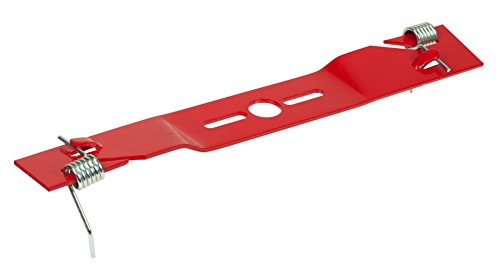
Oregon 690-617-0 Universal 16″ Dethatcher Blade suits smaller decks better, especially in tighter yards where a 20-inch setup feels oversized.
Smaller mower decks often feel crowded with oversized accessories, and this 16-inch Oregon blade keeps the setup more manageable. That narrower footprint can help in fenced backyards, narrow side strips, and lawn rigs that already feel a little busy under the deck.
Compared with the 20-inch Oregon kit, you give up coverage for easier fitment on compact machines. It’s a sensible route for light seasonal dethatching, especially for homeowners who want a cleaner pass without moving into a larger, heavier setup.
What We Like
- 16-inch width works well for smaller mower decks.
- Its universal intent makes model matching less fussy.
- A lighter footprint can feel easier to manage during installation.
- Fits seasonal maintenance better than a bulky, overbuilt option.
Room For Improvement
- It offers less ground coverage than the 20-inch Oregon blade.
- Owners with larger yards may need extra passes.
- Like most metal mower parts, it benefits from routine cleanup after use.
Feature Snapshot
Made For
You’ll get the best match here with compact mowers and small to mid-size lawns that don’t need a wider scarifier setup.
Another Choice May Suit
Arnold Dethatching Blade 21″ makes more sense for larger decks, since it covers more width in fewer passes.
This Cutter Force option looks aimed at straightforward replacement work, and that can be exactly what a lot of mower owners need. The name is compact, the role is clear, and the appeal lies in keeping a dethatching setup simple rather than overcomplicated.
It sits closer to the bare-minimum end of the list than the Oregon kits, which is useful for routine upkeep on a mower that already accepts a universal blade format. For homeowners who just want the lawn ready for the season, the no-frills approach feels sensible.
Highlights
- Plain replacement format keeps the purchase easy to sort through.
- Universal-blade intent helps it fit a wide mower mix.
- Good match for routine yard maintenance rather than specialty work.
Points To Note
- Source details are light, so compatibility deserves careful checking.
- It offers less accessory detail than the fuller Oregon kits.
- You may need to confirm deck fit before planning the swap.
Core Details
Perfect Match For
You’re in the right lane here if you want a basic universal swap and already know your mower accepts this style of blade.
A Better Fit Elsewhere
Oregon 690-521-0 Universal 20″ Dethatcher Blade is the stronger choice for bigger lawns and shoppers who want the kit pieces included.
Spring packs like this matter more than they first appear to, because a worn spring can make a dethatcher setup feel loose or inconsistent. Feekoon’s four-pack format makes sense for owners keeping a compatible blade system alive through multiple seasons of yard work.
Unlike the full blades in the earlier spots, this is a parts-focused purchase, so it suits maintenance-minded owners who already know their model and want to keep spares ready. The honest read is that it’s less exciting than a new blade, yet often more useful in the middle of a season.
Bright Spots
- Four-spring pack gives you extras for upkeep.
- Works as a maintenance part rather than a full replacement assembly.
- Compatible with named Maxpower and Arnold setups from the source data.
- Good for keeping a current dethatcher blade operating as intended.
Softer Spots
- You need a matching mower setup for the springs to matter.
- Small parts are easy to misplace during garage storage.
At A Glance
Who Will Love This
You’ll appreciate this most when you already own a compatible dethatching mower blade and just want to replace worn springs.
Look Elsewhere When
Walensee Manual Lawn Dethatcher Rake with Wheels fits better for a homeowner who wants a stand-alone tool instead of replacement parts.
Manual dethatching takes more effort, but it also gives you a calmer, more controlled way to handle small lawns and awkward corners. Walensee’s wheeled base, 15.8-inch rake head, and 76.8-inch adjustable handle make it feel built for steady pushing rather than wrestling a mower attachment.
The one-piece 2 mm stainless steel blade is the detail that stands out, since a single metal blade usually means less fuss about loose sections. Compared with the mower-mounted choices above, this is better for owners who want direct control, not a powered setup tied to a specific deck.
Reasons To Buy
- Manual operation keeps the process simple and predictable.
- The wheeled design can ease rolling across flatter lawn sections.
- Adjustable handle length helps match different heights and working postures.
- The stainless steel blade gives you a sturdy contact surface for thatch and moss.
- No mower compatibility puzzle, since it stands alone as a hand tool.
Areas To Watch
- Hand-powered work takes more time than a mower attachment.
- Larger lawns will ask a lot more from your arms and back.
- Wheels and blade edges need basic cleaning after use.
Technical Sheet
Built With In Mind
Small yards, patio edges, and owners who prefer manual tools over mower attachments are the clearest match here.
Swap It Out When
Arnold Dethatching Blade 21″ is the better route for larger lawns, especially when you want to cover more grass in fewer passes.
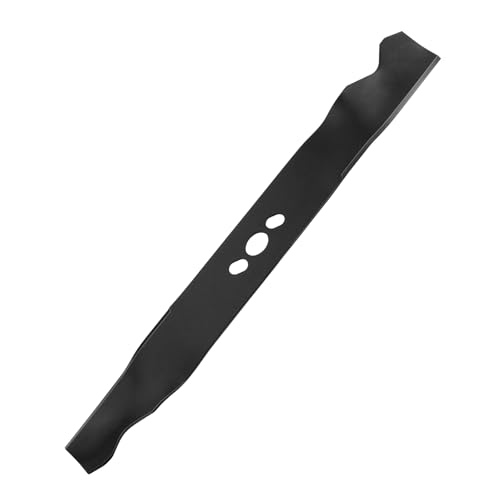
Model-matched blades remove a lot of guesswork, and that’s the appeal here. This TOSRWGLL replacement is aimed at Hyper Tough and Murray 20-inch push mowers, so it suits owners who already know the deck and part number they need.
Because it references replacement numbers as well as specific mower models, it’s the kind of part you check carefully before ordering. That extra attention pays off for regular yard upkeep, while a more universal blade like the Oregon 690-521-0 suits shoppers who want broader compatibility.
Best Bits
- Direct model fit cuts down on compatibility uncertainty.
- Works with 20-inch push mower setups from the source data.
- Replacement part numbers help narrow the search.
- Good choice for owners replacing a worn factory blade.
Small Caveats
- You need to match your mower model carefully.
- It is less flexible than a true universal blade.
- Part-number swaps reward careful labeling and storage habits.
Details At A Glance
Right Fit For
You’re in the right place here if your mower is one of the named Hyper Tough or Murray models and you want a direct replacement.
Reach For A Different Pick When
Oregon 690-618-0 Universal 18″ Dethatcher Blade suits owners who want a little more flexibility across brands and deck setups.
Six replacement springs can be the boring part of lawn care that saves you from a much bigger headache later. This remolean set is aimed at Arnold 16-inch dethatching mower blades and Power Blade or Mastercraft setups, so it suits owners who already know their machine and just want it back in shape.
Compared with the Feekoon four-pack, this bundle gives you a couple more spares, which is handy in a garage where little parts tend to disappear. The trade-off is the same one as with any small replacement part, fit matters more than flash.
Positives
- Six-pack format gives you multiple replacements on hand.
- Targets known dethatching blade setups from the source details.
- Useful for keeping older gear working instead of replacing the whole blade assembly.
Honest Caveats
- These springs only help when your mower blade matches the stated systems.
- Small hardware calls for careful storage after installation.
Core Details
Whose Shelf It Belongs On
You’ll get the best use from this pack if you maintain a compatible dethatcher blade and like keeping spare hardware ready.
Skip It When
Walensee Manual Lawn Dethatcher Rake with Wheels is the better choice for someone who wants a complete hand tool instead of replacement springs.
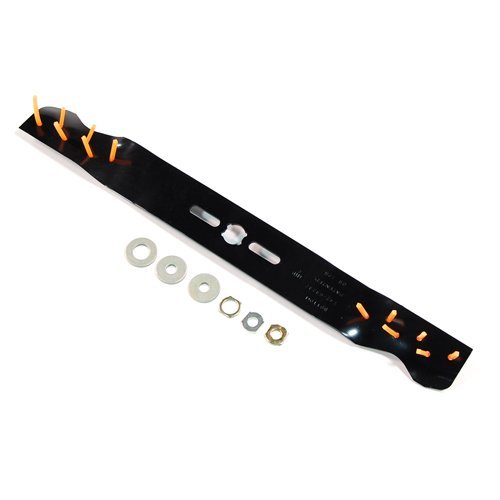
A 21-inch blade sits in a useful sweet spot for many full-size residential decks, and this Arnold option leans into that larger footprint. For owners with broad mowing paths, that width can trim down the number of passes needed during seasonal dethatching.
It feels more purpose-built for bigger mowing setups than the compact 16-inch choice, though the source details stay lean. That means your mower fit should stay front and center, especially before you swap out a standard cutting blade for a dethatching setup.
Upsides
- 21-inch size suits broader mower decks.
- Helps reduce repeated passes on larger lawns.
- Good fit for homeowners who want a dedicated dethatching blade.
Worth Noting
- Fit checks matter because the source data stays brief.
- It’s less flexible than a universal kit with extra hardware.
Feature Card
Who Should Grab It
You’ll appreciate this most on a larger residential mower deck where broader blade coverage makes yard work feel less repetitive.
Where A Sibling Pick Shines
Oregon 690-617-0 Universal 16″ Dethatcher Blade works better for compact lawns, especially when a smaller deck is easier to manage.
Not every mower owner wants the biggest blade in the yard, and that’s where this 18-inch Oregon kit settles in nicely. It keeps enough width for meaningful coverage while staying less intimidating than the 20- and 21-inch options.
The included fittings, washers, and push-on tines make it feel more complete than a lone blade, which helps during a spring tune-up or fall cleanup. For most average-size lawns, that middle-ground approach is easier to live with than an oversized setup.
Best Bits
- 18-inch width hits a useful middle ground.
- Kit hardware supports a more complete installation.
- Good balance for owners who want coverage without going oversized.
- Universal orientation helps it suit a broad mower mix.
Minor Gripes
- It still needs the right mower deck and blade setup.
- Owners with very large lawns may prefer the 20-inch Oregon option.
- Metal components need ordinary post-use cleanup.
Spec Overview
The Right Fit
You’ll likely be happiest here with an average-size lawn and a mower that benefits from an 18-inch universal scarifier kit.
Not Your Match When
Walensee Manual Lawn Dethatcher Rake with Wheels makes more sense for a small yard owner who wants a tool that works without mounting hardware.
How To Choose The Right Dethatcher Blades For Lawn Mower
Deck Size And Fit Matter More Than Hype
The first job is matching blade width to your mower deck. A 16-inch blade suits compact machines, while 18-, 20-, and 21-inch options make more sense on larger setups where coverage matters.
Universal blades help, but “universal” still has limits. You’re still checking deck style, mounting points, and whether the blade is a replacement part or a full scarifier kit.
Blade Style Changes The Workload
A straight replacement blade keeps the setup simple, while scarifier kits with tines and hardware usually do more aggressive thatch lifting. That extra hardware can help in yards with moss or a thick felt layer near the soil surface.
The trade-off is a little more installation effort and more parts to keep track of. For routine maintenance, a simpler blade can be the calmer choice.
Know The Difference Between Powered And Manual
Mower-mounted dethatcher blades suit larger lawns and owners who want to cover ground faster. A manual rake gives you more direct control and works well in tight corners, side yards, and small patches that don’t justify a full mower attachment.
The manual route asks more of your time and energy, but it also skips model matching headaches. That’s useful for a small property where convenience matters more than speed.
Think About Ownership, Not Just Installation
Replacement parts need normal care after use, especially when wet grass and debris cling to metal surfaces. Keeping bolts, springs, washers, and tines organized also saves time during the next seasonal swap.
For frequent yard work, the more complete kits tend to feel easier to live with. For occasional use, a simpler blade or spring pack can be enough without crowding your shed.
What To Weigh Before You Click Through
Common Shopping Slip Ups
A lot of trouble starts with part mismatch. Blade width, deck size, and mower model need to line up before you think about dethatching performance.
Another easy miss is treating a spring pack like a full blade. Those small parts support the setup, but they don’t replace a worn or incompatible cutting assembly.
Where The Extra Money Goes
Higher-tier options usually bring a fuller kit, broader compatibility, or a more purpose-built shape. That extra structure can make installation smoother and yard coverage more efficient.
You’ll usually notice the upgrade most on larger lawns, frequent seasonal cleanup, or mower setups that need matched hardware instead of a generic part.
Frequently Asked Questions
What size dethatcher blade should you choose for a small lawn?
A 16-inch blade or a manual rake is usually easier to handle on a smaller property. Bigger blades can feel awkward without giving you much extra value.
Are universal dethatcher blades truly universal?
They are broader in fit, not magic. You still need to check deck size, mounting style, and the exact mower family.
Do spring packs replace a dethatching blade?
No, they support the blade setup rather than replace it. Springs are maintenance parts for compatible systems.
Is a manual dethatcher rake worth it?
It makes sense for small lawns, touch-up work, and owners who want direct control. Larger yards usually benefit more from a mower-mounted blade.
What is the main difference between 18-inch and 20-inch blades?
The 20-inch blade covers more ground per pass. The 18-inch option often feels easier to fit into average-size mower setups.
Closing Thoughts
Your best choice depends on the mower in your garage and the size of the grass you’re trying to tame. A universal Oregon kit makes sense for broader coverage, the Arnold 21-inch blade suits larger decks, and a manual Walensee rake fits a smaller, hands-on approach. For replacement parts, the Feekoon and remolean spring packs keep compatible systems moving without replacing the whole setup. Match the part to the mower first, then pick the amount of effort you want to spend in the yard.
