

Commercial lawn sweepers make sense when leaves, grass clippings, and light debris keep piling up faster than you want to rake them. You get a cleaner path behind the mower, less hand cleanup, and a setup that fits everything from large suburban yards to heavier-duty property work. Tow-behind models suit tractor owners, while a push sweeper works better around tighter spaces and smaller lots. The right pick depends on bag size, brush control, and how much ground you cover in a session.
Quick Look At The Strongest Sweepers

Brinly 54′ Tow-Behind Combo Lawn Sweeper

VEVOR Tow Behind Lawn Sweeper 42-inch 12 cu.ft.

Ohio Steel 5026V2 Lawn Sweeper 50-inch

Brinly 42′ Tow-Behind Lawn Sweeper Hammered Black

YINTATECH 42in Tow Behind Lawn Sweeper 20 cu. Ft
PPOLB 42′ Lawn Sweeper Tow Behind 18.55 cu. ft
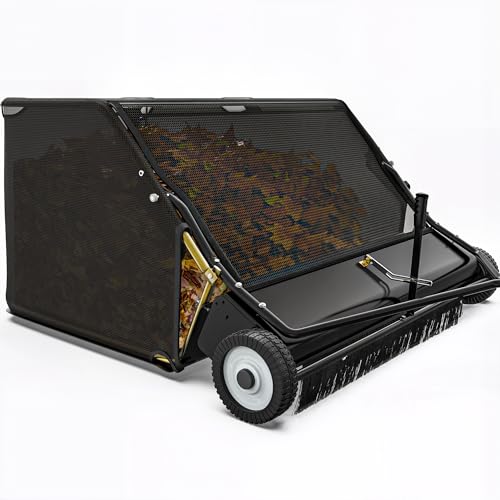
YINTATECH 50in Tow-Behind Lawn Sweeper 25 Cu.ft.

Jojoka 26 Inch Heavy-Duty Push Lawn Sweeper 7 Cu ft
More Details On Our Top Picks
A wide tow-behind setup like this matters on properties that collect both loose debris and thatch in the same season. The 54-inch format gives you a broad pass, and the combo design means you’re looking at one attachment for two cleanup jobs instead of dragging out separate tools.
The trade-off is size, because a larger attachment asks more from your storage space and towing setup. For longer driveways, big lawns, or acreage with mixed leaf fall, it feels better matched than the smaller 42-inch Brinly model.
Strong Points
- 54-inch coverage helps you cover more ground in fewer passes.
- Combo design suits lawns that need sweeping and dethatching in the same season.
- Tow-behind format keeps the work behind your tractor, which helps on large properties.
- The broad working width is a practical fit for open turf and long runs.
Things To Consider
- Its larger footprint needs more room for storage and turning.
- The setup makes more sense with a tractor or similar towing machine.
- Brush contact and collection performance still depend on surface condition and debris type.
Feature Snapshot
Who It Suits Best
You get the most from this on larger lawns, mixed-use properties, or acreage where sweeping and dethatching both matter.
A Better Fit Elsewhere
Ohio Steel 5026V2 Lawn Sweeper 50-inch suits you better when you want a tow-behind option with a simpler, sweep-focused setup for broad open lawns.
That 12 cubic foot hopper gives this VEVOR model room to handle longer cleanup sessions before you stop to empty it. For a yard that sheds a lot of leaves in autumn, that matters more than a flashy finish, especially because the dumping rope keeps unloading simple from the seat or walking path.
Compared with the Brinly 54-inch combo pick, this one leans harder into straight collecting rather than multi-tasking. The adjustable sweeping height also gives you a better shot at matching turf height and debris load, though brush setup still takes a bit of attention.
What We Like
- 12 cu. ft. hopper reduces how often you stop to empty debris.
- Dumping rope adds convenience during longer cleanup runs.
- Adjustable sweeping height helps match different turf and debris conditions.
- 42-inch width works well for medium to large yards.
Softer Spots
- The larger capacity also means more bulk to handle when full.
- Collection efficiency depends on setting the brush height carefully.
- It’s more focused on sweeping than on added functions.
Core Details
Made For
You get the best match here for medium to large yards that need frequent leaf pickup and simple towing behind a mower or tractor.
Another Choice May Suit
YINTATECH 50in Tow-Behind Lawn Sweeper 25 Cu.ft. fits better for you if bigger hopper capacity matters more than a narrower footprint.
A 50-inch sweep width gives you a serious step up in coverage without going into oversized territory. That makes this Ohio Steel model a strong match for broad lawns where you want to reduce overlap but still keep the machine easy to manage behind a tractor.
Compared with the VEVOR 42-inch option, this one leans into wider coverage rather than hopper volume details. The honest read is that this kind of sweeper suits property owners who care more about clearing space efficiently than about extra bells and whistles.
Highlights
- 50-inch width covers a generous path on each pass.
- Tow-behind design suits regular tractor-based cleanup.
- Simple format keeps the focus on sweeping rather than extras.
- Well suited to broad, open turf where repeated passes slow you down.
Areas To Watch
- You still need enough storage room for a wide attachment.
- The broader format can feel less nimble around tight landscaping.
- Brush contact and debris pickup depend on correct height setting.
Details At A Glance
Who Should Grab It
You fit this pick well when you maintain a large open lawn and want straightforward sweeping behind a tractor.
Where A Sibling Pick Shines
Brinly 42′ Tow-Behind Lawn Sweeper Hammered Black suits you better if you want a slightly narrower tow-behind for more routine yard work.
High-velocity brushes are the part that gives this Brinly model its personality, because brush speed and contact matter a lot in everyday leaf pickup. For most suburban yards, a 42-inch tow-behind is easier to live with than a wider setup, and the hammered black finish keeps the look understated.
Compared with the Brinly 54-inch combo unit, this one is simpler and more focused on sweeping alone. That can be the better path for you when dethatching is already covered by another tool or not part of your routine.
Upsides
- 42-inch width keeps the unit manageable on typical lawns.
- High-velocity brushes support more active debris pickup.
- Tow-behind format keeps the work behind your mower.
- Simple sweep-focused design suits routine yard cleanup.
Worth Noting
- You’re getting a sweep-first design rather than a combo attachment.
- The brush height still needs the right setup for your turf.
- Owners usually need storage space for tow-behind yard gear.
Quick Facts
Best Suited To
You benefit most here if you want a straightforward tow-behind sweeper for regular yard upkeep without extra attachments.
Swap It Out When
Ohio Steel 5026V2 Lawn Sweeper 50-inch fits better for you when wider coverage matters more than a more compact 42-inch setup.
A 20 cubic foot collector changes the pacing of cleanup, because you can cover more ground before stopping to empty the load. That makes this YINTATECH model appealing for larger yard sessions, especially where leaves and grass clippings tend to build up in waves.
Compared with the VEVOR 42-inch model, this one emphasizes volume rather than a named height-adjustment detail from the source copy. The catch is that bigger capacity usually means more weight in use, so a tidy dumping routine matters.
Bright Spots
- 20 cu. ft. capacity gives you plenty of room for debris.
- 42-inch tow-behind design keeps it practical for lawn tractor use.
- Adjustable brush height helps match different lawn conditions.
- Dumping rope adds convenience during cleanup sessions.
Minor Gripes
- A fuller collector can be harder to move and empty.
- More capacity also means you need a bit more storage room.
- Brush setup still matters for getting solid pickup.
Spec Overview
The Right Fit
You fit this model well if you want a tow-behind sweeper with a roomy collector for regular yard maintenance.
Look Elsewhere When
PPOLB 42′ Lawn Sweeper Tow Behind 18.55 cu. ft suits you better when you want a slightly smaller hopper and a more compact feel.
An 18.55 cubic foot hopper puts this model in a useful middle ground, roomy enough for real cleanup work without feeling as oversized as some larger tow-behind units. For regular weekly mowing sessions, that balance can be easier to live with than a very large collector.
Unlike the YINTATECH 20 cu. ft. model, this one trims capacity slightly, which may help it feel a bit more manageable around the yard. The source also notes an adjustable brush height lever and dumping rope, both practical details that make day-to-day use less fussy.
Reasons To Buy
- 18.55 cu. ft. hopper sits in a practical middle range.
- Adjustable brush height lever helps fine-tune ground contact.
- Dumping rope makes emptying simpler during cleanup runs.
- 42-inch format stays useful for routine property maintenance.
Small Caveats
- It’s still a tow-behind, so it needs a mower or tractor.
- Capacity is solid, though not as large as the bigger options here.
- Brush adjustment still takes a moment of setup.
Feature Rundown
Whose Shelf It Belongs On
You fit this best if you want a dependable tow-behind sweeper for regular yard work and steady debris pickup.
Reach For A Different Pick
Brinly 54′ Tow-Behind Combo Lawn Sweeper suits you better when you want a wider combo attachment for bigger properties and added dethatching.
A 25 cubic foot collector puts this YINTATECH model in serious territory for people dealing with heavy leaf drop or bigger cleanup runs. The anti-splash cover is a useful touch, because it helps keep loose debris from kicking back while you move across the yard.
Compared with the 20 cu. ft. YINTATECH tow-behind, this one gives you more capacity and a wider 50-inch sweep path. That extra room is helpful for large properties, though it also means you’ll want to think about storage and towing comfort.
Best Bits
- 25 cu. ft. capacity suits heavier seasonal cleanup.
- 50-inch width helps you cover broad areas efficiently.
- Adjustable brush height supports better ground contact.
- Anti-splash cover adds a practical touch for debris control.
- Dumping rope lets you empty from the seat area.
Points To Note
- The larger body takes more room to store and maneuver.
- Heavy-capacity sweepers work best with a strong towing setup.
- Brush height still needs to be matched to lawn conditions.
Technical Sheet
Built With In Mind
You suit this pick best if you manage a large yard and want a high-capacity tow-behind for heavier seasonal debris.
Where Shoppers Go Wrong
Ohio Steel 5026V2 Lawn Sweeper 50-inch makes more sense for you if you prefer a simpler, less capacity-heavy tow-behind setup.
A push sweeper changes the game for smaller spaces, because you’re steering it yourself instead of towing it behind a tractor. The four reinforced spinning brushes are the headline feature here, and they matter because more brush contact usually helps capture finer clippings, pine needles, and light debris in one pass.
Compared with every tow-behind on this list, the Jojoka keeps you closer to the ground and more involved in the motion, which can be a plus in tighter yards. The 7 cu. ft. bag is modest next to the larger hopper models, but that also keeps the unit more compact.
Positives
- Push design gives you direct control around beds and edges.
- Four reinforced brushes support more active sweeping contact.
- 7 cu. ft. collection bag fits routine residential cleanup.
- Tool-free height adjustment makes setup less fussy.
Points To Note
- Push operation asks more effort than a tow-behind model.
- Smaller capacity means more frequent emptying on bigger jobs.
- Best suited to smaller or more segmented lawns.
Core Details
Perfect Match For
You fit this best if you want a push sweeper for a smaller yard, narrow side areas, or cleaner edge control.
Swap It Out When
VEVOR Tow Behind Lawn Sweeper 42-inch 12 cu.ft. suits you better when a tractor-mounted tow-behind with more hopper room makes more sense.
How To Choose The Right Commercial Lawn Sweepers
Match The Sweeper Type To Your Property
Tow-behind sweepers suit larger lawns, open acreage, and anyone already using a tractor or riding mower for cleanup. Push sweepers make more sense in smaller yards, around landscaping beds, or anywhere a tighter turning radius matters.
That choice matters more than the badge on the housing. A wide tow-behind can feel clumsy in cramped spaces, while a push model can get tiring on bigger properties.
Look Closely At Width And Hopper Size
Working width tells you how much ground you cover per pass, while hopper or bag capacity tells you how often you stop to empty debris. A wider machine speeds up open-yard work, but a larger collector can save time on leaf-heavy properties.
The trade-off is handling, because bigger sweepers usually need more storage room and a stronger towing setup. That’s why the best fit depends on your yard layout more than a raw dimension alone.
Brush Adjustment Changes Real-World Results
Brush height adjustment is one of the most useful details in this category. Set too high, and you leave debris behind; set too low, and you may create drag or pick up more unwanted material from the soil surface.
Look for straightforward adjustment controls, especially on push models you plan to use often. A simple lever or tool-free setup helps you keep the sweeper matched to changing lawn conditions through the season.
Think About Emptying, Storage, And Wear
Dumping ropes, seat-side release points, and easy-access hoppers make a real difference during long cleanup sessions. A smoother emptying routine keeps the work from feeling stop-and-start.
Storage matters too, because tow-behind sweepers can take up a surprising amount of garage space. Metal frames, brush assemblies, and collection bags also reward regular cleaning, especially after damp leaf cleanup.
What To Weigh Before You Choose
Hidden Buying Traps
One common mistake is matching the sweeper to the debris pile before matching it to the lawn. A giant hopper helps, but it won’t fix a poor brush setup or an awkward fit behind your mower.
Another easy miss is ignoring storage space. A large tow-behind can be excellent on a wide lot and annoying in a crowded shed.
The Upgrade Payoff
Higher-tier sweepers usually cost more because they bring wider coverage, larger collectors, better brush hardware, or more convenient emptying systems. Those details matter on bigger properties, where time and fewer emptying stops really do change the job.
For smaller lawns, the premium can feel unnecessary. For large yards, heavy leaf drop, or frequent cleanup, the upgrade often earns its keep through less interruption and smoother handling.
Frequently Asked Questions
What size lawn suits a tow-behind sweeper best?
Tow-behind sweepers fit medium to large lawns especially well. They also make sense on properties where a mower or tractor is already part of yard work.
Do push sweepers work on uneven ground?
They can work, but rough terrain makes them less pleasant to handle. A push sweeper shines most on flatter, smaller spaces with clear paths.
Why does brush height matter so much?
Brush height controls how firmly the bristles contact the grass and debris. The right setting helps pickup without making the unit drag more than needed.
Is a larger hopper always better?
Not always, because a larger hopper can add bulk and weight. You usually want the biggest collector that still feels manageable for your yard size.
Are tow-behind sweepers hard to store?
They can take up meaningful garage or shed space, especially wider models. Compact push units are easier to tuck away between uses.
Closing Thoughts
The right commercial lawn sweeper makes yard cleanup feel planned instead of endless. For large properties, a tow-behind with a wide path and a roomy collector saves time in very real ways. For smaller lawns, a push model gives you better control without dragging along more machine than you need. Match the width, collection capacity, and brush setup to the property you actually maintain, and you’ll end up with a tool that fits your routine instead of complicating it.
