

Commercial mowing asks a lot from your equipment, whether you’re trimming acres, maintaining rental property, or just tired of a weekend mower that bogs down halfway through the job. The right pick depends on deck width, drive type, engine size, battery setup, and how much handholding you want on steep ground or uneven turf. This roundup keeps the focus on practical fit, so you can match the machine to the way you actually mow.
Quick Look At Our Shortlist

PowerSmart 22-Inch 170cc Self Propelled Gas Lawn Mower
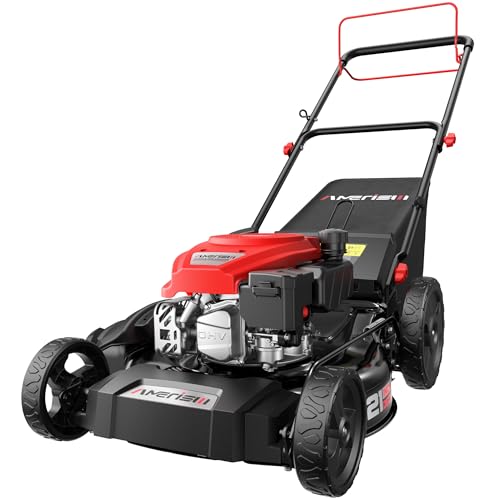
AMERISUN 21 Self-Propelled Gas Lawn Mower 170cc OHV Engine

SENIX 22 201cc Variable Speed Rear Wheel Self Propelled Gas Lawn Mower

YARDMAX 22 in. 201cc Select PACE 6 Speed CVT High Wheel FWD 3-in-1 Gas Walk Behind Self Propelled Lawn Mower

24 in. 201cc Electric Start Select PACE 6 Speed CVT High Wheel RWD 3-in-1 Gas Walk Behind Self Propelled Lawn Mower
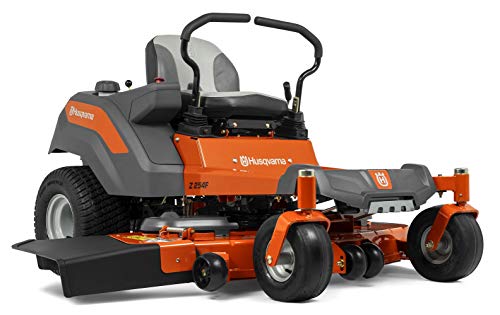
Husqvarna Z254F 54 in. 23 HP Kawasaki Zero Hydrostatic Turn Riding Mower

Honda HRX-BE 21-Inch Walk Behind Battery Powered Lawn Mower (HRX217YXBEXA6)
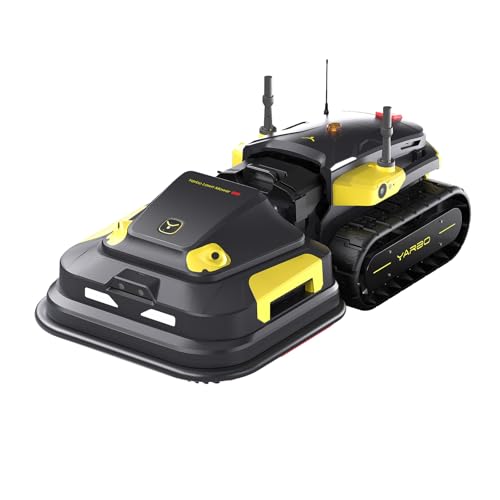
YARBO Upgraded Robot Lawn Mower Pro

21 Self-Propelled Gas Lawn Mower 170cc 4-Cycle Engine
More Details On Our Top Picks
A 22-inch deck gives you enough cutting width to cover a modest yard without making the mower feel unwieldy around trees or fences. The rear-wheel-drive setup matters here, because it helps keep traction steadier on uneven ground, and that makes this a sensible match for everyday mowing rather than spotless turf only.
The 170cc four-cycle engine, the 3-in-1 setup, and the six height settings make the PowerSmart useful in mixed conditions, from clippings-heavy spring growth to a cleaner finish later in the season. The trade-off is simple, gas upkeep stays part of the routine, so this suits you best when dependable power matters more than quiet operation.
Strong Points
- 22-inch cutting width helps you cover ground faster than a 21-inch machine.
- Rear-wheel drive gives you better push on bumpy or sloped lawns.
- Mulching, bagging, and side discharge give you room to handle different grass conditions.
- Six height settings help you match the cut to seasonal growth without fuss.
Things To Consider
- Gas upkeep means fuel storage, spark plug attention, and routine cleaning stay in the picture.
- The wider deck can feel less nimble in tight passages than a smaller 21-inch mower.
Feature Snapshot
Who It Suits Best
You’ll get the most from this in a standard suburban yard where traction, width, and simple versatility matter more than a feather-light chassis.
A Better Fit Elsewhere
YARDMAX 22 in. 201cc Select PACE 6 Speed CVT High Wheel FWD 3-in-1 Gas Walk Behind Self Propelled Lawn Mower suits you better when adjustable pace control matters more than straightforward rear-drive handling.
This AMERISUN keeps things a touch leaner than the PowerSmart, with a 21-inch deck that’s easier to work around edging, beds, and narrow gates. The 170cc OHV engine, meaning overhead-valve engine design, usually favors simpler efficiency and steady cutting in routine lawn care.
The 1.4-bushel catcher is the part that stands out in real use, because you can bag clippings without stopping every few minutes to empty the bin. For most home lawns, that balance of self-propelled help, bagging, and basic width makes sense, though the smaller deck gives up a little coverage speed.
What We Like
- 21-inch deck keeps the mower manageable in tighter yard layouts.
- 1.4-bushel catcher helps reduce how often you empty clippings.
- Mulch, side discharge, and bagging give you several cleanup styles.
- Six cutting heights help you tune the look of the lawn across the season.
Small Caveats
- The 21-inch width takes a bit longer on wide, open lawns than a 22-inch deck.
- Bagging adds extra maintenance, since the catcher and deck need regular clearing.
Core Details
Made For
You’ll appreciate this most in a smaller or medium lawn where maneuverability matters as much as raw deck width.
Another Choice May Suit
PowerSmart 22-Inch 170cc Self Propelled Gas Lawn Mower works better for you when a wider deck and rear-wheel drive matter more than a compact feel.
The SENIX leans into control, and that shows up first in the variable-speed rear-wheel drive. Variable speed means you can match your pace to the lawn instead of being pulled along at one fixed rate, which helps on slopes, thick patches, and longer mowing sessions.
Compared with the AMERISUN, this one feels better suited to yards that change character from one section to the next. The 201cc engine and 22-inch deck also give it a more serious stance, so it suits you well when the property is bigger than a simple patch of turf.
Positives
- Variable-speed rear drive lets you set a walking pace that feels comfortable.
- 22-inch deck keeps wider lawns moving at a reasonable clip.
- Three cutting modes give you room to bag, mulch, or discharge.
- Six cutting heights help you adjust the lawn look through the season.
- 201cc engine gives this model a stronger spec sheet than the 170cc picks above it.
Areas To Watch
- The stronger engine and wider deck can feel like more mower than you need for a tiny yard.
- Gas ownership still means regular cleanup around the deck and fuel system.
Details At A Glance
Who Should Grab It
You’ll get the most value from this on sloped or uneven suburban lawns where pace control makes mowing feel less tiring.
Swap It Out When
YARDMAX 24 in. 201cc Electric Start Select PACE 6 Speed CVT High Wheel RWD 3-in-1 Gas Walk Behind Self Propelled Lawn Mower suits you better when a wider deck and electric start matter more than this mower’s simpler layout.
YARDMAX takes a more tuned approach than the rear-drive models above it, because the Select PACE system uses a continuously variable transmission, or CVT, to shape how the mower moves. That matters in a long mowing session, since pace control often changes more than engine power does.
The high wheels help this model roll more easily over rougher spots, and the front-wheel-drive layout gives it a different feel from the rear-drive SENIX. In practical terms, it suits you best when you want a mower that responds cleanly to your walking speed and you don’t mind a little more mechanical complexity.
Highlights
- CVT pace control gives you a more tailored mowing feel.
- High wheels help smooth movement across uneven turf.
- 22-inch deck keeps it efficient for medium and larger lawns.
- Three mowing modes let you adapt to cleanup and growth conditions.
- 201cc engine gives it enough muscle for steady weekly work.
Points To Note
- The more adjustable drive system adds complexity compared with simpler self-propelled setups.
- The product page notes hazardous-material shipping rules, so handling and delivery can be less straightforward than usual.
Core Details
The Right Fit
You’ll like this most on rougher lawns where wheel size and adjustable pace matter more than a stripped-down mower feel.
Where A Sibling Pick Shines
SENIX 22 201cc Variable Speed Rear Wheel Self Propelled Gas Lawn Mower suits you better when you want rear-drive stability without the extra transmission tuning.
This YARDMAX looks like the practical step up in the group, mainly because the 24-inch deck trims larger areas with fewer passes. Electric start also matters more than it sounds on paper, since it removes one of the usual annoyances of gas ownership.
The Select PACE CVT drive stays in place here, but the rear-wheel-drive layout gives the mower a more planted feel than the front-drive YARDMAX above. For larger properties, that combo of width, pace control, and startup convenience makes the whole machine feel more polished, though it’s still a heavier gas mower to store and maintain.
Reasons To Buy
- 24-inch deck helps cover bigger lawns faster.
- Electric start cuts down on pull-start hassle.
- CVT pace control gives you better walking comfort.
- Rear-wheel drive supports steadier traction on uneven sections.
- Three mowing modes keep clipping handling flexible.
Worth Noting
- The wider deck takes more storage room than the 21-inch and 22-inch picks.
- Gas upkeep still means regular cleaning, fuel care, and seasonal prep.
Technical Sheet
Built With In Mind
You’ll appreciate this most on larger yards where startup convenience and a wider deck save noticeable time.
Look Elsewhere When
PowerSmart 22-Inch 170cc Self Propelled Gas Lawn Mower fits you better when storage space is tight and you want a simpler, narrower machine.
Once you move into riding equipment, the scale changes fast, and the Husqvarna makes that plain with a 54-inch deck. Zero-turn steering means the machine can pivot tightly around obstacles, which is useful on acreage with trees, beds, and fence lines.
The 23 HP Kawasaki engine puts this in a very different lane from the walk-behind mowers above it. It’s a serious match for large properties, though the trade-off is obvious, because storage, maintenance, and maneuvering a rider take more room and more commitment than a push mower.
Best Bits
- 54-inch deck cuts a very wide swath.
- Zero-turn steering helps you work around obstacles quickly.
- 23 HP Kawasaki engine suits larger mowing workloads.
- Riding format reduces the physical strain of long mowing sessions.
- Built for properties where walk-behind mowing starts to feel slow.
Minor Gripes
- Riding mowers need more storage room than walk-behind options.
- The size can feel like too much machine for smaller suburban lots.
Feature Rundown
Whose Shelf It Belongs On
You’ll get the most value from this on acreage or large homesteads where riding speed matters more than compact storage.
Reach For A Different Pick When
YARBO Upgraded Robot Lawn Mower Pro suits you better when you want automated care across a very large yard instead of riding manually.
This Honda reads like the thoughtful middle ground between gas power and a cleaner, battery-assisted routine. The 21-inch deck keeps the shape familiar, while the variable-speed self-propelled drive helps the mower suit your walking pace instead of forcing a fixed tempo.
The two battery bays are the detail that changes how you think about ownership, because having a second bay can support longer sessions without the same stop-start feel you get from a single-pack setup. The catch is straightforward, battery systems ask you to think about charging habits and pack condition, so this suits you best when convenience matters and you prefer a quieter mowing routine.
Positives
- Battery-powered design keeps gas handling out of the picture.
- Variable-speed self-propelled drive helps match your stride.
- Two battery bays can support longer mowing sessions.
- 2.2-bushel grass bag gives you a decent clipping load.
- Easy-off bag design should make emptying less awkward.
Room For Improvement
- Battery ownership means charging planning and storage for the packs.
- The 21-inch deck is practical, but it won’t cover a large lawn as quickly as a 24-inch mower.
Quick Facts
Best Suited To
You’ll like this most in a neighborhood setting where battery convenience and a quieter feel matter more than sheer deck size.
Skip It When
YARDMAX 24 in. 201cc Electric Start Select PACE 6 Speed CVT High Wheel RWD 3-in-1 Gas Walk Behind Self Propelled Lawn Mower fits you better when you want more width and don’t mind gas upkeep.
The YARBO is the most different machine in the list, because it leans into automation instead of manual pushing or riding. Dual 300W motors, AI vision, and RTK navigation point to a machine built for large yards that need organized pathing rather than a human walking every strip.
That 20-inch cutting width is modest compared with the Husqvarna’s 54-inch deck, but the robot approach changes the math completely. The honest read is that this suits you best when your property is large enough for automation to matter and you’re comfortable with a more involved setup process.
Bright Spots
- AI vision and RTK navigation support organized mowing routes.
- Auto-charge behavior reduces day-to-day hands-on management.
- Dual 300W motors give the platform serious drive capability.
- Up to 6 acres of coverage suits very large properties.
- Modular design gives the platform a more expandable feel than a standard mower.
Softer Spots
- The system is more complex than a walk-behind mower, so setup and learning curve matter.
- A 20-inch cutting width is efficient for a robot, but it still works differently from a wide riding deck.
- Large-property automation can mean more planning around boundaries and obstacles.
Spec Overview
Built For
You’ll value this most when your yard is large, segmented, or awkward enough that automation saves real time.
Consider Something Else When
Husqvarna Z254F 54 in. 23 HP Kawasaki Zero Hydrostatic Turn Riding Mower suits you better when you’d rather stay in direct control over every pass.
The Ezasin keeps the formula familiar, which is often a good thing for routine mowing. A 21-inch deck, a 170cc four-cycle engine, and self-propelled movement give you the basics without adding the heavier footprint or more specialized control systems found in some of the earlier picks.
The 7-position height range and included 1.9-bushel bag help this model stay flexible for weekly cleanup. That said, the honest read is that it suits you best as a straightforward utility mower, especially when you want mulch, bag, or side discharge without stepping into the more complex end of the list.
Highlights
- 21-inch deck keeps the mower easy to handle in common yard spaces.
- Seven cutting heights give you a little more adjustment range than several others here.
- 1.9-bushel bag offers solid clipping capacity for routine work.
- Three cutting modes keep cleanup options flexible.
Honest Caveats
- The 21-inch deck is practical, but it will take more passes than the 24-inch YARDMAX.
- Gas care still means regular maintenance and seasonal storage attention.
- The design is more utilitarian than the more tuned control systems in higher-tier options.
Feature Card
Who Will Love This
You’ll appreciate this most as a dependable weekly mower for a standard yard without unusual terrain or storage constraints.
Where Another Pick Suits Better
AMERISUN 21 Self-Propelled Gas Lawn Mower 170cc OHV Engine is a better fit when bagging convenience matters more than a slightly larger height range.
How To Choose The Right Commercial Lawn Mowers
Deck Width, Drive Type, And Yard Shape
Deck width sets the rhythm of the job. A 21-inch mower is easier around gates, trees, and narrow side yards, while 22-inch and 24-inch decks trim more grass per pass and save time on open lawns.
Drive type matters just as much. Rear-wheel drive usually feels steadier on slopes, front-wheel drive can feel lighter to maneuver, and variable-speed systems let you match your walking pace more closely to the turf.
Engine, Battery, Or Robot Logic
Gas engines still make sense for heavy grass, uneven terrain, and long sessions where refueling is easier than managing packs. OHV engines, or overhead-valve engines, often point to a more efficient gas layout, while larger displacements like 201cc generally suit tougher work than 170cc units.
Battery-powered mowers trade fuel handling for charging planning, which feels especially good in quiet neighborhoods or smaller properties. Robot mowers go a step further, since they shift the job from mowing to setup and supervision, so they fit owners with large yards and a tolerance for tech.
Clipping Control And Cleanup Habits
Mulching returns fine clippings to the lawn, bagging collects them, and side discharge pushes them out the chute for faster work. That choice affects cleanup more than many shoppers expect, because a bagged lawn looks tidier while mulching can reduce the stop-and-empty routine.
Bag size, deck width, and cutting height all shape the experience in a real yard. A bigger bag helps on thick spring growth, and more height settings give you better control through heat, drought, or quick seasonal growth.
What To Weigh Before You Choose
Common Shopping Slip Ups
One common mistake is choosing deck size by number alone. A wider mower sounds efficient, but a 24-inch deck becomes annoying in tight side yards, narrow gates, or yards full of landscaping.
Another slip-up is overlooking drive style. A mower that feels fine on flat turf can become awkward on slopes or rough patches, so traction and pace control deserve real attention.
What The Higher Tier Buys
Higher-tier machines usually spend extra on convenience, control, and coverage. That can mean electric start, larger decks, more adjustable drive systems, stronger engines, or robot navigation that reduces hands-on labor.
The upgrade tends to pay off on larger properties, steep lawns, or schedules where mowing time really matters. For smaller yards, that extra money often buys features you won’t use often enough to justify the jump.
Frequently Asked Questions
What size deck works best for commercial mowing?
A 21-inch deck fits tighter spaces and smaller properties more easily. A 22-inch or 24-inch deck makes more sense for larger lawns where pass count matters.
Is rear-wheel drive better than front-wheel drive?
Rear-wheel drive usually feels steadier on slopes and rough ground. Front-wheel drive can feel easier to pivot in flatter, simpler yards.
Are battery mowers strong enough for bigger yards?
Battery mowers work well for many residential lawns, especially when noise and startup convenience matter. Very large or thick lawns still often suit gas or riding equipment better.
What does 3-in-1 mowing mean?
It means the mower can mulch, bag, or side discharge clippings. That gives you more control over cleanup and how the lawn looks after a cut.
When does a riding mower make sense?
A riding mower starts to make sense when pushing a walk-behind takes too long or feels tiring on large acreage. It also helps when obstacles are spread out and a wider deck saves real time.
Closing Thoughts
You’ve got a wide spread here, from compact walk-behind workhorses to a full riding mower and a robot that changes the whole routine. The right choice depends less on brand names than on your lawn size, terrain, and how much effort you want to put into maintenance. For a standard yard, the 21-inch and 22-inch walk-behinds make the most sense, while larger properties point toward the Husqvarna or YARBO. Choose the machine that fits your yard shape first, and the rest gets much easier.
