

You want lawn fertilizer that fits the yard you actually have, not just the label in the bag. Some lawns need a balanced feed, some need starter support after seeding, and some do better with a formula tuned for warm-season grass or quicker green-up.
This roundup keeps the focus on practical fit, coverage, and nutrient ratios, so your choice feels less like guesswork and more like a clear match for your soil, season, and routine.
The Shortlist At A Glance

Hi-Yield New Process Premium Lawn Fertilizer 15-5-10 20 lbs

Jonathan Green Veri-Green Starter Fertilizer 12-18-8 1,500 Sq. Ft.

Fertilome Centipede Lawn Fertilizer 15-0-15 16 lbs

Fertilome Lawn Food Plus Iron 24-0-4 20 lbs

PetraMax Neighbor’s Envy Grass Fertilizer 1 Gallon
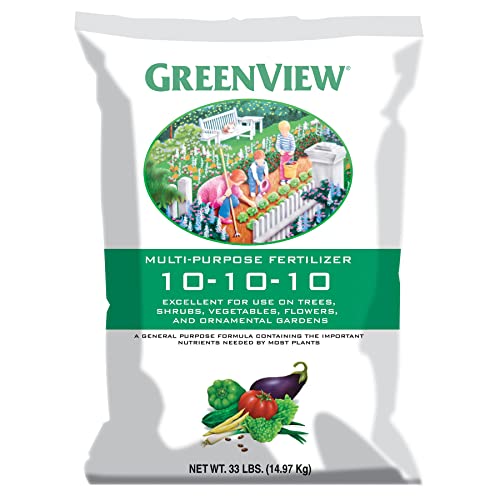
GreenView Multi-Purpose Fertilizer NPK 10-10-10 33 lb.

GreenView Fairway Formula Lawn Fertilizer 33 lb. Bag

Supply Solutions 16-16-16 Complete Lawn & Garden All Purpose Granular Fertilizer 5lbs

GreenView Lawn Food 16 lb. Bag
More Details On Our Top Picks
Hi-Yield sits in that useful middle ground between a specialty formula and a plain all-purpose bag. The 15-5-10 ratio gives you more nitrogen than phosphorus, which suits established lawns that need steady color and thicker growth without a heavy surge.
The 20-pound bag also feels manageable for a weekend yard routine, especially for homeowners who want a straightforward granular spread. Compared with Jonathan Green’s starter mix, this one is better for feeding an existing lawn than helping brand-new seed get going.
Strong Points
- 15-5-10 analysis gives a practical balance for regular lawn feeding.
- Granular format spreads evenly with a standard broadcast or drop spreader.
- Slow-release nitrogen helps stretch feeding between applications.
- Works well for homeowners keeping an established yard in shape.
Things To Consider
- It’s not tailored to fresh seed, so starter use belongs elsewhere.
- Granular bags need dry storage so the product stays free-flowing.
- The balanced formula may feel modest for lawns that want a fast color jump.
Feature Snapshot
Who It Suits Best
Homeowners maintaining an established lawn get the clearest fit here, especially with a standard spreader and a regular mowing schedule.
A Better Fit Elsewhere
Jonathan Green Veri-Green Starter Fertilizer 12-18-8 1,500 Sq. Ft. suits you better for new seed or sod, where phosphorus support matters more than a general feed.
This bag is built around the moment new grass needs help most, right after seeding or sodding. The 12-18-8 ratio puts phosphorus front and center, and that matters because phosphorus supports root development during establishment.
The 1,500 square foot coverage is useful for patch jobs, small front lawns, or a newly repaired section that needs focused feeding. Compared with Hi-Yield, this one is less about maintaining a finished lawn and more about giving a young one a stronger start.
What We Like
- Starter-style NPK ratio fits seed and sod projects well.
- Coverage size works nicely for small renovation zones.
- Granular format is familiar for spreader-based application.
- Good match for homeowners tackling a fresh lawn repair.
Worth Noting
- Coverage is limited, so larger yards need multiple bags.
- It’s a targeted formula, not a general maintenance feed.
- Starter fertilizers can be overused on mature turf that does not need the extra phosphorus.
Core Details
Made For
You get the most from this choice during lawn establishment, especially on a small area where you want a clean, focused start.
Where A Sibling Pick Shines
GreenView Fairway Formula Lawn Fertilizer 33 lb. Bag suits you better for ongoing maintenance on a larger yard, since its long feed window reduces how often you need to spread again.
Warm-season turf tends to be fussier about the formula it gets, and this one leans into that reality. The 15-0-15 blend skips phosphorus, adds high iron, and uses slow-release nitrogen, so it fits centipede, St. Augustine, and similar grass types more cleanly than a generic lawn food.
The 16-pound bag is a sensible size for spot feeding or smaller yards, though the exact spread area depends on how you apply it. Compared with Fertilome Lawn Food Plus Iron, this bag is more specialized and less of a universal fix.
Highlights
- Formulated for centipede and other warm-season grasses.
- High iron supports richer color without changing the grass type focus.
- Slow-release nitrogen gives a steadier feed pattern.
- 15-0-15 ratio keeps the blend more targeted than a general lawn product.
Small Caveats
- Specialized use means it’s not the most flexible bag in the group.
- Warm-season focus makes it a poor match for every yard.
- Granular storage matters, since moisture can affect handling.
Details At A Glance
Whose Shelf It Belongs On
You’ll appreciate this most when your yard is planted with centipede or another warm-season grass that needs a more tailored feed plan.
Another Choice May Suit
Hi-Yield New Process Premium Lawn Fertilizer 15-5-10 20 lbs is the broader fit for mixed lawn care, especially when you want a balanced bag instead of a grass-specific formula.
This is the bag for a yard that needs a visible turnaround without drifting into specialty territory. The 24-0-4 formula uses two nitrogen sources, one for a quicker start and one for longer feeding, while iron supports a greener look and helps with yellowing grass foliage.
Coverage up to 5,000 square feet makes the 20-pound bag practical for a medium lawn. Compared with the more specialized Fertilome Centipede formula, this one feels broader and easier to slot into routine home care.
Bright Spots
- Dual nitrogen sources support both quick color and longer feeding.
- Iron adds a useful green-up boost for tired-looking turf.
- Coverage reaches a useful mid-size lawn area.
- Fits a wide range of lawn types better than specialty blends.
Areas To Watch
- The stronger nitrogen profile may feel more aggressive than a gentle maintenance bag.
- Granular product care still matters, so dry storage helps it stay easy to spread.
Feature Card
Best Suited To
You’ll like this most for a routine lawn refresh where fast color and dependable feeding both matter.
Look Elsewhere When
Jonathan Green Veri-Green Starter Fertilizer 12-18-8 1,500 Sq. Ft. is the better call for a new lawn project, since its ratio is tuned for establishment rather than general turf recovery.
Liquid fertilizer changes the rhythm of yard care because you’re mixing and spraying instead of spreading granules. PetraMax leans into that workflow with a 7-in-1 concentrate that includes nitrogen, iron, humic ingredients, and sea kelp, so it targets turf color and soil support in one step.
The big coverage claim makes this a strong fit for larger lawns or homeowners who prefer liquid application. Compared with Fertilome Lawn Food Plus Iron, this one asks for more setup but gives you a different style of coverage and application control.
Reasons To Buy
- Liquid concentrate can suit sprayer-based lawn routines.
- Seven-part formula gives you a broader nutrient mix.
- Coverage range is appealing for large turf areas.
- Useful for homeowners who want to feed and spray in one pass.
Room For Improvement
- Liquid application means extra mixing and cleanup.
- Sprayer compatibility matters, so your equipment has to suit the job.
- The broad formula may feel more complex than a simple granular bag.
Core Details
Built With In Mind
You’ll get the most from this if you already use a sprayer and want a liquid routine for a broad yard.
Skip It When
GreenView Lawn Food 16 lb. Bag is the simpler route for homeowners who want a basic granular feed without mixing or spray cleanup.
Some yards need a lawn bag, some need a garden bag, and this one sits comfortably in the middle. The 10-10-10 analysis is evenly balanced, so it works as a general plant food for vegetables, flowers, trees, shrubs, and ornamental beds instead of staying locked to turf alone.
The 33-pound bag with 3,300 square foot coverage is handy for mixed-property upkeep, especially around home gardens with a few different plant types. Compared with Hi-Yield, this is less turf-specific and more about giving you a versatile granular option for several areas at once.
Positives
- Equal nutrient balance makes it easy to understand.
- Broad plant use keeps one bag relevant across the yard.
- Larger bag size works for recurring garden tasks.
- Good fit for homeowners juggling lawn and planting beds.
Points To Note
- It is general-purpose, so lawn-only shoppers may want a more targeted formula.
- Coverage is moderate, not huge, for the bag size.
- Like most granules, it should be kept dry and sealed between uses.
At A Glance
The Right Fit
You’re in the sweet spot with this bag when your yard care moves between lawn, vegetables, and ornamental beds.
Reach For A Different Pick When
Fertilome Lawn Food Plus Iron 24-0-4 20 lbs is the stronger choice for a turf-first routine, especially when greener grass matters more than all-purpose flexibility.
This one is built for people who want less frequent reapplication and a steadier feed. The 30-0-12 formula uses slow-release nitrogen, and the product page notes feeding that lasts up to 12 weeks, which suits a yard care routine that leans toward set-it-and-follow-the-calendar upkeep.
The 33-pound bag and 10,000 square foot coverage make sense for larger lawns, especially where spreader work already feels like a chore. Compared with GreenView Lawn Food, this formula stretches longer between applications and gives you a more maintenance-oriented approach.
Upsides
- Slow-release nitrogen supports a longer feeding window.
- Coverage suits larger turf areas.
- Good match for homeowners who prefer fewer applications.
- NPK balance leans toward lawn feeding and resilience.
Softer Spots
- It’s more specialized for turf than for mixed garden use.
- Larger bag weight can feel bulky in tight storage spaces.
- Long-feed formulas still need even spreading for the best result.
Technical Sheet
Who Should Grab It
You’ll like this most for a bigger lawn where longer feeding fits a low-maintenance routine.
Swap It Out When
GreenView Lawn Food 16 lb. Bag is the simpler move for a smaller yard, especially when you want a lighter package and a shorter planning cycle.
This bag is the small-project helper in the group. The 16-16-16 ratio is evenly balanced, and the five-pound size keeps it manageable for container work, small beds, or a modest patch of lawn without forcing you into a large bag.
Because it’s listed for plants, vegetables, fruits, and berries, it earns a place in mixed-use sheds more easily than a turf-only product. Compared with GreenView Multi-Purpose Fertilizer, this one is the better fit when storage space is tight and you only need a compact amount.
Best Bits
- Compact five-pound size stores easily.
- Balanced ratio works across many plant types.
- Handy for small gardens and container projects.
- Useful for homeowners who do not want a bulky bag.
Minor Gripes
- Small size means it’s not aimed at large lawns.
- General-purpose use can be less focused than a turf-specific bag.
- Like other granular fertilizers, it should stay dry after opening.
Quick Facts
Perfect Match For
You’ll get the most value from this bag in a small garden setup where you want one compact fertilizer for several plant types.
A Better Fit Elsewhere
GreenView Fairway Formula Lawn Fertilizer 33 lb. Bag is the stronger lawn-only option for larger turf areas and a longer feeding cycle.
GreenView Lawn Food takes the plain-language route, and that works in its favor. The 22-0-4 formula is geared toward restoring soil nutrients and giving the lawn a steady feed for up to 8 weeks, which suits a regular yard routine without a lot of fuss.
The 16-pound bag and 5,000 square foot coverage make it easy to plan around a typical suburban lawn. Compared with GreenView Fairway Formula, this bag feels less marathon-like and more like a straightforward maintenance product for routine care.
Standout Traits
- Balanced enough for regular feeding without feeling overly specialized.
- Coverage works well for many standard home lawns.
- Eight-week feeding window supports a tidy schedule.
- Simple format suits homeowners who want a familiar lawn bag.
Honest Caveats
- It’s a lawn-focused pick, so garden beds need something else.
- The bag size is practical, though not especially large.
- Granular fertilizer still benefits from careful storage after opening.
Core Details
Who Will Love This
You’ll appreciate this bag most for steady lawn care on a standard home yard where you want a simple schedule.
Where Shoppers Go Wrong
Supply Solutions 16-16-16 Complete Lawn & Garden All Purpose Granular Fertilizer 5lbs is the smarter pick for mixed planting areas, since it carries more broad-use flexibility in a smaller bag.
How To Choose The Right Cheap Lawn Fertilizers
Nutrient Ratio Comes First
NPK stands for nitrogen, phosphorus, and potassium, the three numbers on most fertilizer labels. Nitrogen supports leafy growth and color, phosphorus supports root development, and potassium helps the plant handle stress and overall function.
For established lawns, a nitrogen-forward ratio often makes sense, while new seed and sod benefit from more phosphorus support. Warm-season grass types can also need a different balance than cool-season turf, so the same bag won’t suit every yard.
Match The Formula To The Job
Starter fertilizer belongs with fresh seeding or sodding, not with a fully settled lawn. A maintenance fertilizer fits routine feeding, while a specialty product such as one made for centipede grass works best when your turf type is known.
That’s why a broad bag like Hi-Yield or GreenView Lawn Food can feel practical for everyday use, while Jonathan Green Veri-Green is more focused. The right formula saves you from overfeeding the wrong part of the lawn.
Think About Coverage And Form
Coverage numbers matter because a small bag may be fine for patch work but awkward for a full yard. Liquid concentrates suit sprayers and large areas, while granular products suit spreaders and a more traditional weekend routine.
You’ll also want to think about storage and cleanup. Granules need dry storage, and liquids bring mixing and rinsing into the picture, which is fine for some households and a hassle for others.
Look At Feeding Length And Maintenance Pace
Some fertilizers feed for a short window, while slow-release formulas stretch the time between applications. That matters for busy yards, because the less often you fertilize, the easier it is to stay on schedule.
Longer feeding does not replace proper spreading, though. It just gives you more breathing room between applications, which can be useful for larger lawns or anyone who prefers fewer yard chores.
Things Worth Knowing First
Mistakes Worth Dodging
One common slip is choosing by bag size alone and ignoring the coverage rate. A compact bag can be plenty for a patch repair, but it can also leave you short on a full lawn.
Another misstep is using a starter formula on established turf or a specialty grass product on the wrong grass type. That mismatch is easy to avoid once you read the NPK numbers and the label’s use case together.
The Upgrade Payoff
Higher-tier options usually cost more because they offer more specific nutrient blends, better coverage, or ingredients such as iron, humic components, or slow-release nitrogen. Those details can matter in a yard where color, consistency, and feeding length all matter at once.
The upgrade makes more sense for larger lawns, finicky grass types, or anyone who wants fewer applications through the season. For a small repair, a simpler bag often does the job without extra complexity.
Frequently Asked Questions
What does NPK mean on lawn fertilizer?
NPK shows the percentage of nitrogen, phosphorus, and potassium in the mix. Those numbers help you match the fertilizer to lawn growth, rooting, and overall plant support.
Should you use starter fertilizer on an old lawn?
Starter fertilizer is built for seeding and sod work, so it usually fits best at lawn establishment. An established lawn more often benefits from a maintenance formula.
How often should you apply lawn fertilizer?
Feeding frequency depends on the formula and the yard’s needs. Slow-release products stretch farther between applications than fast-acting ones.
Is granular fertilizer easier than liquid?
Granular fertilizer is usually simpler for a spreader-based routine. Liquid fertilizer can cover quickly, but it also adds mixing and cleanup.
What’s the safest way to store leftover fertilizer?
Keep the bag sealed and dry so the product stays usable. A cool, sheltered storage spot also helps prevent clumping.
Closing Thoughts
The best choice is the one that matches your grass type, your yard size, and the kind of upkeep you actually want to do. A starter formula helps with new grass, a balanced bag helps with routine care, and a specialty pick can matter more than you’d expect once your lawn has a clear identity. For most homes, the smartest buy is the one that makes the next mowing day look a little easier.
