

You want a mower that moves with less strain, handles weekly grass without drama, and still leaves room in the budget for everything else on the property. That usually means weighing wheel drive, deck size, engine displacement, and how much height control you need for your turf. This roundup focuses on gas walk-behind picks for small to medium yards, sloped spots, and jobs where push effort starts to feel like a chore.
Some of these models lean simple and practical, while others bring larger decks, rear-wheel drive, or adjustable pace control that helps on uneven ground. The point is to match the mower to your yard, not the other way around.
The Shortlist At A Glance

PowerSmart 22-Inch 170cc Self Propelled Gas Lawn Mower

PowerSmart EasyGlide 21-Inch Gas Lawn Mower
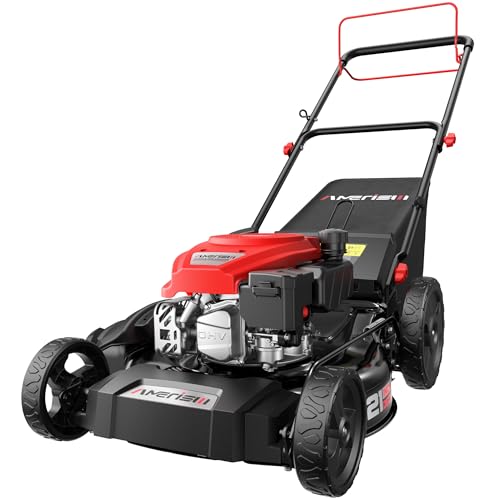
AMERISUN 21″ Self-Propelled Gas Lawn Mower

PowerSmart 22-Inch Self Propelled Gas Lawn Mower

PowerSmart 21-Inch Self Propelled Gas Lawn Mower

PowerSmart EasyCut 18-Inch Gas Lawn Mower

YARDMAX 22 in. 201cc Select PACE 6 Speed CVT Lawn Mower

PowerSmart 21″ Gas Self-Propelled Lawn Mower for Hills
More Details On Our Top Picks
A 22-inch deck gives you a wider path than the smaller entries below, so this one suits a weekly routine where you’d rather spend less time overlapping passes. Rear-wheel drive helps on slopes and rough patches, and the 3-in-1 setup gives you mulch, bag, or side discharge without forcing one lawn style.
The trade-off is simple, a larger gas mower asks for a bit more storage room and a little more muscle around turns. For medium yards with uneven spots, that’s a fair exchange.
Strong Points
- Rear-wheel drive helps keep motion steady on sloped sections and damp grass.
- The 22-inch cut covers more ground per pass, which trims time on larger lawns.
- Three discharge modes let you match clippings to the season and cleanup style.
- Six height settings give you room to tune the cut for shorter or taller grass.
Things To Consider
- The larger deck can feel less nimble in tight side yards or around heavy landscaping.
- Gas upkeep means fuel, oil, and seasonal cleaning all stay part of ownership.
- The self-propelled setup adds convenience, but it also adds parts you’ll want to keep clear of debris.
Key Specs
Who It Suits Best
It fits you well if your yard is medium-sized, a little uneven, and you want a self-propelled mower that keeps the job moving without feeling fussy.
A Better Fit Elsewhere
PowerSmart 21-Inch Self Propelled Gas Lawn Mower can suit you better when you want a slightly smaller footprint and rear-wheel drive in a simpler 21-inch format.
This one takes a stripped-back route, since you get a push mower with a 21-inch deck, a steel deck build, and three clipping modes without the complexity of self-propelled drive. For flatter lawns, that simpler layout can feel easy to live with, especially when storage space is tight.
Compared with PowerSmart’s rear-drive picks above, you trade away hill assistance and get a lighter, more straightforward walk-behind feel. That suits smaller yards and owners who prefer to guide the mower themselves.
What We Like
- The steel deck should hold up well to routine bumps and storage bumps better than lighter housings.
- Three cutting modes let you mulch, bag, or send clippings out the side.
- The 21-inch width keeps the mower manageable for tighter sheds and narrower side gates.
- Six height settings make it easier to adapt the cut as grass conditions change through the season.
Room For Improvement
- Push operation means your pace matters more, which can feel tiring on longer lawns.
- The 144cc engine is better matched to lighter work than rough, hilly terrain.
- Steel decks benefit from regular cleaning after wet cuts, since grass buildup can linger.
Feature Snapshot
Built With In Mind
It suits you best when you want a plain, dependable mower for a flatter yard and you’d rather keep maintenance and handling straightforward.
Where A Sibling Pick Shines
PowerSmart 22-Inch 170cc Self Propelled Gas Lawn Mower fits better for you if the lawn has slopes or you want the mower to do more of the walking work.
The AMERISUN model stands out because it pairs self-propelled motion with a 1.4-bushel catcher, which gives you a clearer path for bagging jobs and thicker spring growth. That makes sense for yards where clippings pile up fast and you want less raking afterward.
Compared with PowerSmart’s more basic 21-inch options, this one leans harder into cleanup flexibility. The honest read is that the bag capacity matters most when your lawn throws a lot of grass at you in one session.
Highlights
- Self-propelled drive reduces push effort during routine mowing.
- The 1.4-bushel catcher gives you a useful middle-size bag for clipped grass.
- Three cut paths, including mulch and side discharge, help you adapt to the lawn’s condition.
- Six cutting heights let you shift from a trim look to a taller setting with ease.
- The 21-inch deck stays manageable without feeling undersized.
Softer Spots
- The grass catcher adds another part to empty and store after each mow.
- Bagging works best with regular cleanup, so damp clippings can still slow the rhythm.
- Like most gas mowers, it asks for fuel care and seasonal maintenance.
Details At A Glance
Whose Shelf It Belongs On
It belongs with you if your yard needs frequent clipping pickup and you prefer a mower that gives you more collection control than the simpler PowerSmart push model.
Another Choice May Suit
YARDMAX 22 in. 201cc Select PACE 6 Speed CVT High Wheel FWD Lawn Mower suits you better when pace control and hill handling matter more than a catcher-focused setup.
Rear discharge is the detail that gives this mower a slightly different personality from the other PowerSmart 22-inch model. You still get self-propelled movement and a 170cc four-cycle engine, but the rear-outlet setup can suit clipping flow in yards where you want grass moving straight back rather than off to the side.
For routine lawn care, that makes it a steady all-rounder with enough width to reduce passes. The only real wrinkle is that more options can also mean a little more attention to cleanup after each run.
Upsides
- Rear discharge gives you another way to handle heavier grass without bagging right away.
- The 22-inch deck helps cover ground efficiently on regular-sized lawns.
- Self-propelled drive takes the edge off longer mowing sessions.
- Six cutting heights let you adjust for seasonal growth or a shorter finish.
Minor Gripes
- Rear discharge can leave more visible clippings than bagging, depending on grass length.
- With a larger deck, turning around flower beds takes a bit more care.
- Gas mower upkeep still applies, including fuel handling and deck cleaning.
Core Details
Who Will Love This
You’ll like this most if you want a broad-cut self-propelled mower that handles weekly maintenance without pushing you toward a single clipping method.
Look Elsewhere When
AMERISUN 21″ Self-Propelled Gas Lawn Mower is the better fit for you if bagging volume and a catcher are more important than a rear-discharge layout.
This 21-inch PowerSmart sits in a useful middle lane, with rear-wheel drive and a steel deck giving it a more grounded feel than the lighter push model. That combination suits yards with a few grade changes, since rear drive usually keeps traction calmer than front-only setups.
For most suburban lawns, it lands in the sweet spot between size and maneuverability. Nothing fancy, just a steady machine that handles the weekly cut without asking for much fuss.
Bright Spots
- Rear-wheel drive helps the mower stay planted on slight slopes.
- Steel deck construction adds a sturdier feel for regular use and storage.
- The 21-inch width is a good fit for medium yards and easier sheds.
- Three cut modes let you switch between mulch, bag, and discharge.
Points To Note
- It still needs gas-engine care, which means more upkeep than electric options.
- A 21-inch deck can take more passes than larger mowers on wide open lawns.
- Steel surfaces need routine wiping and cleaning to keep grass buildup in check.
Spec Overview
Best Suited To
It suits you best if you want a reliable 21-inch mower for a medium lawn and prefer the steadier pull of rear-wheel drive.
Skip It When
PowerSmart EasyCut 18-Inch Gas Lawn Mower makes more sense for you if storage space matters more than traction and you’re mowing a smaller yard.
The smaller 18-inch deck is the first thing you notice here, and that smaller footprint helps in narrow storage spaces and tighter backyards. Since it’s a push model, you’re trading self-propelled ease for simpler handling, which can be a sensible swap on flat ground.
Compared with PowerSmart’s 21- and 22-inch self-propelled picks, this one is about trimming size, not mowing power through hills. It works best as a plain, manageable mower for less demanding lawns.
Best Bits
- The 18-inch width is easier to tuck into a crowded shed or garage corner.
- Three cut modes give you ordinary lawn-care flexibility in a smaller package.
- Six height positions let you set a shorter or fuller finish as needed.
- The push layout keeps the mower straightforward and light on mechanical complexity.
Areas To Watch
- Push mowing can feel demanding on longer or sloped yards.
- The smaller deck means more passes on medium lawns.
- Regular cleaning still matters, especially around the deck after damp cutting.
Feature Rundown
Right Fit For
You’ll get the most from it if your lawn is compact, fairly level, and storage space is at a premium.
Reach For A Different Pick When
PowerSmart 21-Inch Self Propelled Gas Lawn Mower suits you better when you want rear-wheel drive and less pushing on slightly tougher terrain.
This YARDMAX model is the most control-heavy pick in the lineup, thanks to its Select PACE system with six speed settings and CVT drive, which means continuously variable transmission, a setup that lets pace change smoothly instead of jumping in fixed steps. High wheels and front-wheel drive also make it a strong fit for uneven ground where a mower needs to roll more easily over rough patches.
Compared with the simpler PowerSmart mowers, this one gives you more tuning room under your hands. The trade-off is a more involved feature set, which makes it better for shoppers who know they’ll use that extra control.
Reasons To Buy
- Six speed settings let you match the mower’s pace to your walking speed.
- CVT drive keeps speed changes smooth rather than abrupt.
- High wheels help the mower move over uneven turf with less drag.
- The 22-inch deck covers a broad path on medium and larger lawns.
- Three-in-one cutting gives you familiar mulch, bag, and discharge choices.
Worth Noting
- The control system asks for a little more learning than a basic single-speed mower.
- Front-wheel drive can feel different from rear-drive models on steep ground.
- Non-returnable listing terms make it worth reading the product page closely before you commit.
Technical Sheet
Who Should Grab It
It suits you best when your yard has mixed footing, you want pace control, and you don’t mind spending more time learning the setup.
Swap It Out When
PowerSmart 21″ Gas Self-Propelled Lawn Mower for Hills & Medium Yards is the easier fit for you if rear-wheel traction matters more than speed tuning.
This PowerSmart leans into hill handling more clearly than the other budget entries, with rear-wheel drive, an alloy steel deck, and an easy-start design that should feel friendlier on regular yard days. It’s the sort of setup that makes sense for medium lawns with slopes, since the mower’s own motion does more of the work for you.
Compared with the broader 22-inch PowerSmart picks, this one keeps the deck at 21 inches, which helps balance maneuverability and coverage. That mix makes it a sensible match for yards that have some incline but do not demand a bulky machine.
Positives
- Rear-wheel drive is a strong match for slopes and uneven patches.
- The alloy steel deck adds a solid feel without moving into a bulky format.
- Easy start design lowers the friction of getting the mower ready for routine use.
- Three cut modes cover mulching, bagging, and discharge needs.
- Six height positions give you practical control across changing grass growth.
Small Caveats
- The self-propelled setup helps on hills, but it still needs regular gas mower care.
- A 21-inch deck means a bit more overlap on broad open areas than a 22-inch model.
- Alloy steel still benefits from cleaning after cutting damp grass.
Core Details
The Right Fit
You’re the right fit for this mower if your yard includes hills or sloped areas and you want a self-propelled machine that stays manageable in size.
Where A Sibling Pick Shines
YARDMAX 22 in. 201cc Select PACE 6 Speed CVT Lawn Mower makes more sense for you if pace adjustment matters more than a rear-drive, hill-friendly setup.
How To Choose The Right Budget Self-Propelled Lawn Mowers
Match The Drive To Your Ground
Rear-wheel drive helps on slopes because the powered wheels stay loaded while you push the handle and guide the deck. Front-wheel drive turns more easily, which can feel nicer around beds and patios, while a push mower makes the most sense on flat, compact lawns. The right call depends less on brand and more on whether your yard has incline, soft turf, or lots of turns.
Self-propelled drive also matters more than many shoppers expect. A mower with a steady pace can save energy on long runs and reduce the stop-start rhythm that makes mowing feel harder than it should.
Size The Deck To The Yard
Deck width changes how many passes you make, and that has a real impact on time and storage. An 18-inch mower tucks away more easily, 21-inch models strike a middle ground, and 22-inch decks suit bigger weekly cuts. Wider decks help on open lawns, while narrower decks feel friendlier in fenced side yards and tighter gates.
Deck material matters too. Steel and alloy steel decks usually feel sturdier in daily use, but they still need cleaning after damp cuts so grass does not cling and harden underneath.
Think In Terms Of Clippings, Not Just Power
Mulching keeps clippings circulating back into the lawn, bagging collects them, and discharge moves them out quickly. That means the best setup changes with season, growth rate, and how tidy you want the finish to look. A yard that sheds a lot of leaves or tall clippings can benefit from more than one discharge option.
Engine size helps, but it is only part of the story. A 170cc engine is common for budget self-propelled mowers, while higher displacement can help on thicker turf or larger properties that need more reserve.
Look Past The Sticker-Style Extras
Height adjustment, easy-start features, and pace control affect daily use more than flashy wording does. Six cutting heights give you room to work through seasonal growth, and a smoother start can make regular mowing less of a hassle. Storage space, service access, and how much upkeep you tolerate matter just as much as raw power.
For most small and medium yards, the best budget pick is the one that keeps upkeep realistic. A mower that fits your shed, your terrain, and your clipping habits will usually feel better after the first month than a bigger machine that sounds impressive on paper.
Things Worth Knowing First
Common Shopping Slip Ups
Many people focus on engine size and miss the drive type, which is where comfort on slopes really shows up. Deck width gets overlooked too, even though it changes how quickly you finish and how easily the mower fits in storage.
Another common miss is forgetting about clippings. A mower with only one discharge path can feel limiting once grass gets taller or leaf cleanup season rolls in.
Why Top Tier Costs More
Higher-tier mowers usually bring stronger drive systems, smoother pace control, better deck materials, or more refined adjustment ranges. Those details matter in yards with hills, rough patches, or long mowing sessions where small comfort gains add up.
That extra spending starts to make sense when you mow often, manage a larger lawn, or want a machine that handles varied terrain without as much effort from you. For a small flat yard, the upgrade may be nice but not necessary.
Frequently Asked Questions
Are self-propelled mowers worth it for small yards?
Yes, especially when your lawn has even a mild slope or uneven spots. A push mower can still work fine, but self-propelled drive takes strain out of longer sessions.
What deck size suits a budget mower best?
For many yards, 21 inches is the safest middle ground. A 22-inch deck saves time on open lawns, while 18 inches works better in tighter spaces.
Does rear-wheel drive matter more than front-wheel drive?
Rear-wheel drive usually feels steadier on hills and rough ground. Front-wheel drive can feel easier to steer around obstacles on flatter lawns.
How many cutting heights should you look for?
Six positions give you useful flexibility through the growing season. That range helps you keep the lawn shorter after a trim or taller during hotter stretches.
Is bagging better than mulching?
Bagging helps when the lawn throws up lots of clippings or leaves a mess after mowing. Mulching is often easier for routine cuts because it keeps the clippings on the lawn.
Closing Thoughts
The right budget self-propelled mower depends on how your yard actually behaves, not on the longest feature list. Rear-wheel drive helps on slopes, wider decks save time on open grass, and simpler push models still make sense for smaller flat spaces. A good match should feel easy to store, easy to start, and easy to live with through the season. Choose the setup that fits your terrain first, and the rest gets simpler fast.
