

Blue Lawn Seeds cover a lot of ground, from cool-season Kentucky bluegrass to warm-season Bermudagrass mixes for hotter regions. You need different seed types for different yards, and the wrong match can leave you with patchy growth, extra watering, or a lawn that never quite settles in. This roundup helps you sort the blue-toned choices by climate, traffic, repair needs, and the kind of maintenance you actually want to live with.
Quick Look At The Shortlist
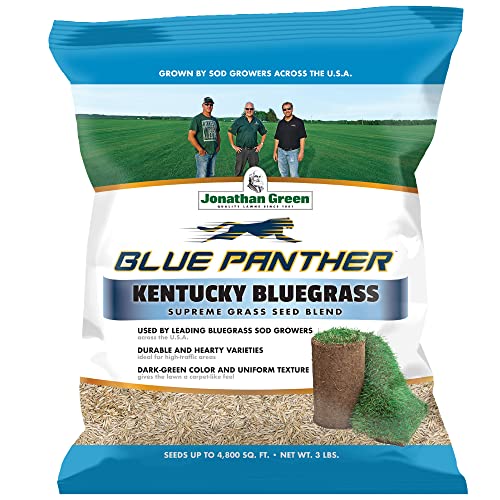
Jonathan Green Blue Panther Kentucky Bluegrass Grass Seed 3 lb

Jonathan Green Black Beauty Rocky Mountain Colorado Grass Seed Mixture 7 lb

Jonathan Green Blue Panther Southern Lawn Grass Seed 3 lb

Jonathan Green Blue Panther Bermudagrass Grass Seed 4 lb

Jonathan Green Blue Panther Bermudagrass Grass Seed 1 lb
Jonathan Green Blue Panther Patcher Lawn Bare Spot Repair 3 lb

Jonathan Green Black Beauty Original Grass Seed Blend 15 lb

GreenView Pure Grass Seed Kentucky Bluegrass Blend 7 lb Bag
Outsidepride SPF-30 Hybrid Bluegrass Seeds 10 lbs

Scotts Grass Seed Drought Tolerant Mix 4 lbs
More Details On Our Top Picks
Bluegrass purists usually start here, because this bag is built for a classic Kentucky bluegrass lawn rather than a blended compromise. It wants full sun to partial shade, and that makes it a sensible match for open front yards, side lawns, and places that get real foot traffic.
The darker color and fine, even leaf texture matter most once the lawn starts filling in, since that uniform look is what many people want from a bluegrass stand. Mid-August through mid-October is the sweet spot for many cool-season yards, though spring planting still gives you a workable second window.
Strong Points
- 100% Kentucky bluegrass keeps the lawn type consistent.
- Dense growth helps a yard look filled in instead of wispy.
- The darker green tone suits a polished front-lawn look.
- Handles regular foot traffic better than many delicate seed mixes.
Things To Consider
- Bluegrass establishment usually asks for patience, especially in uneven soil.
- Shade tolerance stops at partial shade, so deep shade spots need another plan.
Feature Snapshot
Who It Suits Best
You get the most from this one in a cool-season yard where you want a traditional bluegrass finish and don’t mind giving the lawn time to settle.
Where A Sibling Pick Shines
Jonathan Green Black Beauty Original Grass Seed Blend 15 lb fits broader shade tolerance and tougher dry spells better, which makes it a stronger match for a mixed-condition yard.
This regional blend speaks to Colorado, Montana, Utah, and Wyoming conditions instead of pretending one mix works everywhere. For high-altitude yards, variable weather, and cool-season lawns that need a more tailored seed mix, that local focus is the whole point.
It should appeal to you more than the pure Kentucky bluegrass in pick one when your yard gets a mix of sun, cooler nights, and harsher seasonal swings. The honest read is that a region-matched blend is often less glamorous on paper, but more useful once the lawn has to live through real weather.
What We Like
- Built for a defined mountain-region climate zone.
- Blend format can soften rougher growing conditions.
- Useful for yards that need a cool-season lawn with local tuning.
Room For Improvement
- The mix is narrower in geographic fit, so it is less flexible outside the target states.
- You may need to pay close attention to local soil prep, since regional seed does not replace groundwork.
Core Details
Who Should Grab It
You fit this pick best when your yard sits in the mountain West and you want a mix shaped for that climate instead of a generic cool-season bag.
Another Choice May Suit
GreenView Pure Grass Seed Kentucky Bluegrass Blend 7 lb Bag makes more sense for broader sun-and-light-shade coverage in a less region-specific setting.
Some lawns need a bridge between hot summers and cooler shoulder seasons, and that’s the job this southern blend is trying to handle. It combines Bermudagrass, Texas bluegrass, and tall fescue, so your yard gets a mix that can stand up to seasonal swings better than a single grass type.
That makes it a smart match for transitional climates and southern yards that still see cooler periods. You’ll also notice the full-sun to partial-shade guidance matters here, because the mix works best where light is generous and moisture can be kept steady during germination.
Highlights
- Three-grass blend covers different temperature ranges across the year.
- Dark green finish suits homeowners who want a richer lawn look.
- Traffic tolerance is useful for active yards and play areas.
- The mix fits transitional zones better than a pure warm-season single grass.
Points To Note
- The seed bed needs steady moisture during establishment, which means a firmer watering routine.
- Full sun still gives the best results, so heavy shade can limit the payoff.
Quick Facts
Built With In Mind
You suit this seed best if your yard lives in a southern or transition climate and you want a blend that can handle both heat and cooler stretches.
Look Elsewhere When
Jonathan Green Blue Panther Kentucky Bluegrass Grass Seed 3 lb fits better for a true cool-season lawn where a pure bluegrass stand matters more than climate blending.
This one keeps things focused on southern lawns, with Bermudagrass as the main event. Compared with the Southern Lawn Blend above, you get a simpler warm-season direction, which can appeal to people who know they want Bermuda behavior and less seasonal mixing.
That simpler approach also makes the lawn easier to think about in warm regions where winter overseeding is usually less of a priority than in traditional Bermudagrass setups. For most backyards in the South, that narrower purpose is a strength, not a limitation.
Reasons To Buy
- Warm-season focus suits southern states well.
- Less dependence on winter overseeding than older Bermudagrass routines.
- Simple grass type makes planning easier for warm-climate lawns.
Small Caveats
- Single-purpose Bermuda can be less forgiving in cooler transition zones.
- Shadier yards may want a different seed mix with more shade tolerance.
Feature Card
Right Fit For
You’re the best match for this seed if you live in a warm region and want a straightforward Bermuda lawn with fewer seasonal extras to juggle.
Reach For A Different Pick When
Scotts Grass Seed Drought Tolerant Mix 4 lbs makes more sense for smaller areas where Kentucky bluegrass and tall fescue in one bag fit your plan better.
This smaller bag keeps the same warm-season Bermuda focus as the 4 lb version, but in a more approachable size for patchwork jobs and modest lawns. You may find that matters more than it sounds, because a small bag is easier to store, move, and use up without leftover seed hanging around.
The growth profile is aggressive, with vertical and lateral rooting aimed at quick density, so it suits active spaces like home play areas and athletic strips. The trade-off is simple, since this kind of growth asks for full sun and steady early watering, especially while germination is still getting underway.
Upsides
- Small bag size works well for limited repairs and smaller lawns.
- Strong rooting supports a dense, durable turf feel.
- Traffic tolerance suits high-use areas around the house.
- Useful for warm-climate yards that need quick coverage.
Areas To Watch
- Not a broad fit for shaded spots.
- Early watering discipline matters during establishment.
- Fall planting is not the right match here, so seasonal timing is less forgiving.
Details At A Glance
Whose Shelf It Belongs On
You fit this bag best when your lawn is warm-climate Bermuda territory and your space is small enough that a 1 lb package makes practical sense.
Swap It Out When
Jonathan Green Blue Panther Patcher Lawn Bare Spot Repair 3 lb is the better move for damaged areas that need seed, mulch, and fertilizer in one blend.
Patch kits live or die by convenience, and this one bundles seed, fertilizer, coconut coir, and mulch into a single repair mix. That matters in a busy yard, because bare spots from pets or traffic usually need a fast, tidy fix rather than a multi-step project spread over several bags.
The coir, which is a fiber made from coconut husk, helps keep the seedbed moist and improves seed-to-soil contact. The mulch also stays in place instead of needing removal later, so the repair feels less fussy once new growth starts to show.
Best Bits
- Combines several patching jobs into one bag.
- Useful for pet-damaged or thin spots that need fast attention.
- Moisture-holding mulch supports seed establishment.
- No cleanup step after growth fills in.
Worth Noting
- Patch products are narrower in use than full-lawn seed.
- Results still depend on soil contact and consistent watering.
- Most useful for localized repairs, not whole-yard reseeding.
Technical Sheet
Made For
You suit this best when the problem is a bare patch, not an entire lawn, and you want a blended repair approach with less extra work.
Where Shoppers Go Wrong
Jonathan Green Blue Panther Bermudagrass Grass Seed 4 lb makes more sense for a broader warm-season lawn plan, since this patcher is built for spot repairs rather than full coverage.
This tall fescue blend is aimed at yards that need a tougher cool-season base, especially where drought and variable shade make life harder. Its deeper rooting habit gives it a more survival-minded profile than the pure bluegrass in pick one, and that difference matters in larger, less pampered lawns.
The waxy leaf coating helps hold moisture when heat shows up, which is a practical benefit for real yards that don’t get perfect watering schedules. The honest read is that this kind of resilience is often worth more than a fancier color story, especially in full-sun and part-shade spaces.
Bright Spots
- Deep roots support better drought tolerance.
- Works in sunny and shaded parts of the yard.
- Uniform tall fescue texture keeps mowing results more even.
- The 15 lb size suits larger lawns or heavier overseeding jobs.
Minor Gripes
- Tall fescue has a different look from classic Kentucky bluegrass, so it is less of a pure bluegrass choice.
- Large-bag storage needs a dry place with room to spare.
Core Details
Who Will Love This
You fit this blend best when your lawn needs toughness first and a classic cool-season appearance second.
Not Your Match When
GreenView Pure Grass Seed Kentucky Bluegrass Blend 7 lb Bag is the better fit for someone who wants a finer Kentucky bluegrass look with more direct bluegrass character.
This bag leans into a straightforward Kentucky bluegrass blend for sunny lawns with only light shade. Compared with Jonathan Green’s pure Blue Panther seed, the appeal here is the broader blend of Kentucky bluegrass varieties, which can suit mixed conditions while still keeping that fine-texture look.
The coverage estimate is helpful for planning larger spaces, and the 14 to 28 day germination range gives you a sensible expectation for emergence. You also get a weed-free claim on the seed itself, though the yard still needs clean soil and basic prep to support a tidy result.
Standout Traits
- Fine-textured Kentucky bluegrass blend suits a classic lawn look.
- Handles sunny areas with some light shade.
- Good coverage for medium-to-larger home lawns.
- Useful for owners who want a familiar bluegrass profile.
Points To Note
- Bluegrass still asks for patience during establishment.
- The weed-free seed claim does not replace soil prep.
At A Glance
The Right Fit
You fit this blend best when you want Kentucky bluegrass character across a sun-heavy lawn with only a little shade to work around.
Where Another Pick Suits Better
Jonathan Green Black Beauty Original Grass Seed Blend 15 lb is the stronger choice for deeper shade tolerance and a tougher drought-minded lawn plan.
This hybrid mix is built for tougher warm-region conditions, especially where Kentucky bluegrass alone tends to struggle. The combination of Texas bluegrass and Kentucky bluegrass gives you a more climate-flexible seed profile, and the coating is meant to support better establishment.
For yards in hot states, that balance can matter more than a pure bluegrass identity. Depending on your soil and watering habits, the hybrid approach may feel easier to live with than a single-species lawn that needs more coddling through summer.
Reasons To Buy
- Hybrid mix is shaped for demanding warm climates.
- OptiGrowth coating supports establishment.
- Low-maintenance positioning suits busy lawn routines.
- Large bag size works for substantial coverage projects.
Areas To Watch
- Hybrid grass still needs the usual soil prep and watering discipline.
- Warm-region fit narrows its usefulness in cooler northern lawns.
Feature Rundown
Who It Suits Best
You fit this pick best when your lawn sits in a hot climate and you want a hybrid bluegrass approach instead of a more delicate single-grass route.
Skip It When
Jonathan Green Blue Panther Kentucky Bluegrass Grass Seed 3 lb is the cleaner choice for a classic cool-season yard where pure Kentucky bluegrass is the main goal.
This mix keeps the formula direct: Kentucky bluegrass and tall fescue in one bag for lawns that need drought tolerance without giving up cool-season flexibility. That combination is practical for smaller spaces and overseeding jobs, especially where you want a seed that can help fill bare patches as it establishes.
The 99.99% weed-free seed claim is appealing on paper, but your soil still has to be clean and ready for the best shot at an even lawn. The mix also fits spring and fall applications in the 65°F to 85°F range, so timing matters just as much as the seed itself.
Positives
- Combines Kentucky bluegrass with tall fescue for a useful cool-season blend.
- Drought-tolerant focus suits yards that need to conserve water.
- Self-repair behavior helps thin spots fill in over time.
- Smaller bag size is practical for modest projects and overseeding.
Softer Spots
- Smaller pack size is less suited to large lawn installs.
- Temperature window narrows the best planting timing.
- Mixed-grass lawns can look less uniform than pure bluegrass stands.
Spec Overview
Best Suited To
You suit this mix best when you want a smaller, drought-minded cool-season seed for overseeding or a modest new lawn.
A Better Fit Elsewhere
Jonathan Green Black Beauty Original Grass Seed Blend 15 lb is the smarter move for larger areas that need a deeper-rooted, more expansive lawn plan.
How To Choose The Right Blue Lawn Seeds
Start With Your Climate, Not The Label
Blue lawn seed is not one category, it’s a family of grass types with very different habits. Kentucky bluegrass leans cool-season and loves a more traditional lawn look, while Bermudagrass belongs in warm-season settings that get real summer heat. The first filter is simple, match the seed to your region before you think about color or bag size.
That matters because a seed can look great on paper and still underperform in the wrong weather pattern. Transitional yards sit in the middle, so blends like Jonathan Green Blue Panther Southern Lawn Grass Seed or Outsidepride SPF-30 Hybrid Bluegrass Seeds make more sense there than a single-species option.
Look At Sun, Shade, And Foot Traffic Together
Sun exposure changes everything, especially with bluegrass and fescue mixes. Full-sun lawns have the widest choice set, but light shade narrows the field, and deeper shade often pushes you toward tougher tall fescue blends instead of pure Kentucky bluegrass.
Traffic matters too, because a lawn that hosts kids, pets, or regular backyard movement needs stronger wear recovery. Jonathan Green Blue Panther Kentucky Bluegrass and Black Beauty Original show two different ways to handle that pressure, one with classic bluegrass density and the other with deeper-rooted tall fescue strength.
Think About The Job You Need The Seed To Do
Not every lawn project is the same. Full reseeding, overseeding, and bare-spot repair call for different products, and that’s where a patch kit like Blue Panther Patcher stands apart from a standard seed bag. The repair mix bundles seed, fertilizer, and mulch, so it fits spot fixes better than a whole-yard overhaul.
Bag size matters as well. A 1 lb package suits touch-ups and compact yards, while 10 lb and 15 lb bags make more sense for broader coverage and larger installations.
Pay Attention To Maintenance And Patience
Some grass types ask for more watering and a steadier setup period than others. Bluegrass usually rewards patience, while Bermudagrass asks for warm-season timing and consistent early moisture, especially during establishment. If your schedule is tight, a lower-maintenance blend can feel easier to live with than a lawn that needs a very specific routine.
The best seed for you is the one that fits your climate, your schedule, and the amount of lawn care you actually plan to keep up with. That’s the real shortcut here, because the right seed reduces second-guessing later.
What To Weigh Before You Choose
Mistakes Worth Dodging
Many shoppers start with color and skip climate, which is how warm-season seed ends up in cool-season yards, or the other way around. Another common miss is buying too small a bag for a larger yard, then having to stop mid-project with uneven coverage.
Soil prep gets overlooked too. Even a strong seed mix struggles in compacted or weedy soil, and the weed-free wording on a bag never replaces basic ground prep.
The Upgrade Payoff
Higher-tier seed often costs more because the mix is better tuned to a specific climate or includes extras that help it settle in. Coatings, blended grasses, deeper roots, and repair ingredients all add value when you need better establishment or easier upkeep.
That extra spend makes the most sense for yards with stress, such as hot climates, bare patches, or heavy foot traffic. For simpler lawns, a straightforward cool-season bag can be enough without paying for features you’ll never use.
Frequently Asked Questions
What makes Kentucky bluegrass different from Bermudagrass?
Kentucky bluegrass is a cool-season grass, while Bermudagrass is built for warm-season lawns. Your climate should decide between them.
Can blue lawn seed work in partial shade?
Some blends do handle light shade, especially certain Kentucky bluegrass and tall fescue mixes. Deep shade usually calls for a different grass plan.
How long does bluegrass seed usually take to sprout?
Several products in this roundup point to a two-to-four week germination window. Weather, watering, and soil prep still shape the pace.
Is a patch repair mix worth it for small bare spots?
Yes, because a repair mix can combine seed, mulch, and fertilizer in one bag. That makes spot work simpler than juggling separate products.
Should you choose a pure bluegrass seed or a blend?
Pure bluegrass suits a more uniform lawn look. A blend often makes more sense for mixed conditions, tougher weather, or easier upkeep.
Closing Thoughts
The right blue lawn seed depends less on the word “blue” and more on where your lawn lives, how much sun it gets, and how much upkeep you want to handle. A pure Kentucky bluegrass bag fits a classic cool-season yard, while a warm-season Bermudagrass or a climate-specific blend makes more sense in hotter regions. For repairs, a patch formula saves time. For bigger, rougher lawns, deeper roots and mixed grasses usually earn their keep. Choose the seed that matches your yard’s real conditions, and you’ll set yourself up for a lawn that feels easier to live with.
