

Choosing a battery for a riding mower sounds simple until you face different terminal styles, CCA ratings, and battery chemistries all in one aisle. You want a fit that starts cleanly, matches your mower’s tray, and doesn’t turn spring upkeep into a guessing game. This roundup keeps the focus on practical matchups for home lawns, heavier garden tractors, and anyone replacing a tired U1 battery with something that suits the machine instead of just the label.
Quick Look At The Shortlist

UPLUS U1 Riding Lawn Mower Battery 12V 330CCA

MARXON U1 Riding Lawn Mower Battery 280CCA
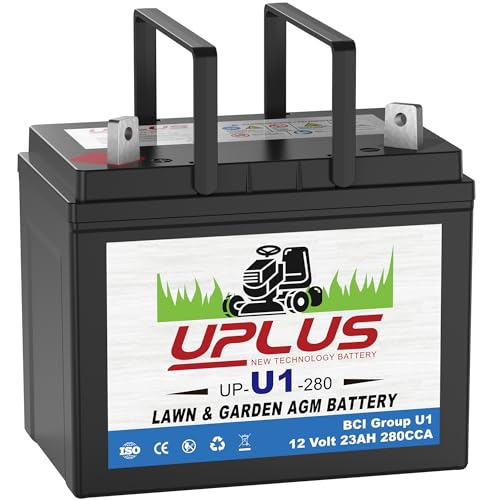
UPLUS U1 Riding Lawn Mower Battery 12V 280CCA

Autocessking Lawn Garden AGM Battery Group 1 U1-320CCA

ML-U1R-CCAHR 12 Volt 320 CCA NB Terminal Battery
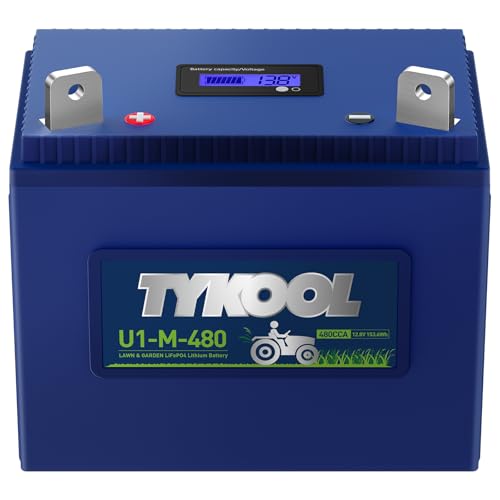
TYKOOL 480CCA 12AH Group U1 Lithium LiFePO4 Battery

DKLU1R Group U1 Lithium LiFePO4 Battery 12V 3Ah 450CCA

Energizer EN-U1-350-GEL 12 Volt 350 CCA Battery

WEIZE Lawn Garden AGM Battery 12V 300CCA Group U1
More Details On Our Top Picks
The 330CCA rating gives this UPLUS battery a little more starting headroom than the lower-output U1 options below, which matters on cool mornings or for mowers that have seen a few seasons of use. AGM, short for absorbed glass mat, means the electrolyte is held inside the separator material, so the battery stays maintenance free and less fussy about routine ownership.
That makes it a sensible match for homeowners who want a familiar 12V U1 replacement without extra upkeep. The trade-off is simple, it’s still a lead-acid style battery, so the weight and charging habits are closer to the conventional side of this category than the lithium picks later on.
Strong Points
- 330CCA gives you a stronger margin for stubborn starts.
- AGM construction keeps routine care simple.
- U1 sizing suits many common riding mowers.
- Good middle ground for regular yard schedules.
Things To Consider
- Lead-acid weight is part of the package.
- Fit still depends on tray size and terminal layout.
Feature Snapshot
Who It Suits Best
Homeowners with a standard riding mower who want a dependable U1 replacement and a little extra starting cushion fit this battery well.
A Better Fit Elsewhere
TYKOOL 480CCA 12AH Group U1 Lithium LiFePO4 Battery suits you better when you want lighter weight and a more modern chemistry.
MARXON keeps things simple with a 280CCA U1 format, which is enough for many garden tractors that don’t ask for extra cranking muscle. AGM construction is the practical part here, because it supports low-maintenance ownership and a cleaner swap for a tired sealed lead-acid battery.
Compared with the UPLUS 330CCA model, this one leans more toward straightforward replacement than added reserve. That’s a fair trade for a mower that starts easily and spends most of its life doing routine lawn duty rather than heavy, cold-weather work.
What We Like
- Simple U1 sizing keeps replacement planning easy.
- AGM format suits everyday mower storage.
- Lower output can still be enough for many routine starts.
Room For Improvement
- 280CCA leaves less buffer than the stronger U1 options.
- Best fit depends on a mower that starts without much strain.
At A Glance
Made For
You get the most out of this battery in a basic riding mower that only needs a standard U1 replacement and sees regular, predictable use.
Another Choice May Suit
UPLUS U1 Riding Lawn Mower Battery 12V 330CCA suits you better when you want a little more starting cushion without changing the overall format.
This UPLUS model sits in the same 12V U1 lane as the MARXON battery, but it brings a familiar AGM build with a slightly more established feature set for general lawn equipment. In plain terms, it’s the kind of replacement you reach for when you want a tidy swap and don’t need extra performance flourishes.
The honest read is that 280CCA works best for machines that have never been difficult starters. Owners who keep a mower indoors or under cover between cuts usually benefit from that lower-effort fit, while heavier use or colder storage conditions push you toward the 330CCA UPLUS version above.
Highlights
- Compatible 12V U1 format for many common tractors.
- AGM design keeps regular care light.
- Good match for uncomplicated mowing schedules.
Small Caveats
- 280CCA is fine for basic use, but not generous.
- Less appealing for older mowers with harder starts.
Core Details
Right Fit For
You’re in the sweet spot with this one when your mower is a familiar weekend machine that usually starts without drama.
Look Elsewhere When
Autocessking Lawn Garden AGM Battery Group 1 U1-320CCA makes more sense for you when you want a bit more crank reserve from a sealed lead-acid build.
Autocessking steps up the starting figure to 320CCA, which gives it a more work-ready profile than the 280CCA U1 batteries earlier in the list. The AGM build and SLA, short for sealed lead acid, structure point to a conventional sealed battery that fits the expectations of most riding mowers and garden tractors.
One thing worth considering is the shipping and handling note, because this item is marked non-returnable and treated as hazardous material transport. That doesn’t make it a bad fit, but it does mean you’ll want to double-check fit, terminal style, and mower model before it lands on your porch.
Best Bits
- 320CCA gives it a stronger starting profile.
- AGM and SLA construction suit familiar mower setups.
- Good match for regular use on larger home lots.
Areas To Watch
- Non-returnable status raises the need for careful fit checks.
- Hazardous-material shipping can feel less flexible.
Details At A Glance
The Right Fit
You’ll appreciate this battery most in a garden tractor that sees steady service and benefits from a little more turning force at startup.
Swap It Out When
WEIZE Lawn Garden AGM Battery 12V 300CCA Group U1 makes more sense when you want a simpler, more common U1-shaped replacement.
Nut-and-bolt terminals set this Mighty Max battery apart, and that detail matters more than many shoppers expect. A battery can have the right voltage and cranking rating yet still be awkward in the tray, so the terminal style is what helps this model line up cleanly with the equipment that needs it.
Compared with the Autocessking unit, this one speaks more directly to fit-sensitive replacements than to broad garden-tractor flexibility. The trade-off is that you need to be more certain about your mower’s terminal setup, but the payoff is a neater connection once the match is right.
Positives
- Nut-and-bolt terminals are the main draw here.
- 320CCA gives respectable starting support.
- AGM SLA construction keeps the format familiar.
- Good option for equipment that needs NB terminals.
Honest Caveats
- Terminal style narrows the pool of compatible mowers.
- Fit checks matter more than with a basic U1 shape.
Feature Rundown
Built With In Mind
You’re the right match for this one when your mower or tractor calls for nut-and-bolt terminals rather than the more common post setup.
Where A Sibling Pick Shines
UPLUS U1 Riding Lawn Mower Battery 12V 330CCA suits you better when your priority is broader U1 compatibility instead of terminal specificity.
This TYKOOL battery moves into LiFePO4, which is the lithium iron phosphate chemistry used in many newer power packs. That matters because lithium units usually shave weight and feel less old-school in daily handling, so you notice the difference when you’re lifting it into a mower tray or storing it between uses.
The 480CCA figure also gives it a more aggressive starting profile than the AGM options earlier in the list. The catch is that lithium fit and charging habits tend to reward a shopper who is comfortable checking compatibility rather than assuming every U1 label means the same thing.
Upsides
- Lithium LiFePO4 chemistry keeps the package modern.
- 480CCA is a strong starting figure.
- 12AH capacity gives the label a useful energy reference.
- Group U1 format still keeps it in familiar territory.
Points To Note
- Lithium ownership often asks for closer compatibility checks.
- Not the most traditional choice for someone replacing a basic AGM unit.
Spec Overview
Whose Shelf It Belongs On
You’ll like this battery most in a mower setup where lighter handling and a newer chemistry matter as much as raw starting power.
Skip It When
WEIZE Lawn Garden AGM Battery 12V 300CCA Group U1 is the calmer choice for you if you want a basic AGM replacement without a chemistry shift.
DKLU1R pushes the lithium angle even further with a 450CCA rating, so it lands near the top of the list for starting authority. The 12V, 3Ah labeling gives you a slimmer energy figure than the TYKOOL battery, which makes the profile feel more specialized and less like a broad conventional swap.
That specialization is useful for people who care more about a brisk start than about sticking close to a lead-acid feel. For some mowers, that’s exactly the right trade, though it’s wise to check the battery compartment and charging setup carefully before treating it like a direct substitute for an AGM unit.
Bright Spots
- 450CCA gives this pack a very strong start rating.
- Lithium LiFePO4 build keeps it in the modern camp.
- Group U1 format still anchors the fit.
Worth Noting
- 3Ah is a lean capacity figure beside the TYKOOL option.
- Best suited to shoppers who already know their fit needs.
Key Specs
Best Suited To
You fit this battery best when you want a lithium upgrade for a mower or small tractor and care most about starting strength.
Reach For A Different Pick When
TYKOOL 480CCA 12AH Group U1 Lithium LiFePO4 Battery suits you better when you want the same modern chemistry with a more spacious capacity label.
Energizer brings a familiar name and a 350CCA rating, which places this battery near the stronger end of the AGM group here. That extra margin can feel reassuring for tractors that sit between seasons or machines that seem to prefer a firmer first spin of the starter.
The listing points to a long-lasting sealed lead-acid AGM rechargeable battery, so you’re still in conventional territory rather than lithium. That makes it an easier mental shift for many homeowners, though the brand name does not replace the need to confirm group fit, dimensions, and terminal setup.
Reasons To Buy
- 350CCA gives it a stronger starting cushion.
- AGM sealed construction keeps the format familiar.
- Works well for routine tractor use.
Minor Gripes
- The name recognition still doesn’t replace fit checks.
- Stays in the lead-acid category, so it’s not a light carry.
Technical Sheet
Who Will Love This
You’re a good match for this battery when you want a conventional replacement with a bit more starting reserve than the lower-rated AGM choices.
Where Shoppers Go Wrong
UPLUS U1 Riding Lawn Mower Battery 12V 330CCA suits you better when you want a similar AGM path with a more explicit U1 mower focus.
WEIZE stays close to the classic U1 formula, and that’s a good thing for shoppers who want a plain replacement path without extra fuss. The 300CCA rating sits right in the middle of the group, so it feels like a middle-ground option rather than a statement piece.
In practical terms, that usually suits a mower that lives in a normal garage and gets standard seasonal use. The trade-off is that the listing gives you less of a performance cushion than the stronger 330CCA, 350CCA, and lithium options, so it’s a fit call rather than a universal answer.
Plus Points
- 300CCA lands in a comfortable middle range.
- Group U1 labeling makes replacement planning familiar.
- AGM design keeps upkeep uncomplicated.
Softer Spots
- Not the strongest starter in this lineup.
- Best for routine use rather than demanding conditions.
Core Details
Perfect Match For
You’ll get the best fit from this battery when your mower needs a straightforward U1 replacement and you value familiarity over extra output.
Another Choice May Suit
Energizer EN-U1-350-GEL 12 Volt 350 CCA Battery makes more sense when you want a bit more reserve from a comparable sealed design.
How To Choose The Right Battery For Tractor Lawn Mower
Start With Fit, Then Judge Output
U1 and Group U1 labels tell you the battery family, but they don’t erase the need to compare tray space, height, and terminal placement. That matters because a mower battery can have the right voltage and still sit awkwardly in the compartment, especially on older tractors with tighter boxes.
CCA, or cold cranking amps, measures how much starting punch the battery can deliver in a cold-start style scenario. For a mower stored in a shed or garage through chilly nights, a stronger CCA figure often feels more forgiving than a bare-minimum match.
Choose Chemistry For Your Routine
AGM and SLA batteries stay in the familiar sealed lead-acid lane, which suits you well when you want a direct replacement and don’t want to rethink charger habits. They’re heavier, though, and that weight can be noticeable when you lift the battery into place or carry it for seasonal storage.
LiFePO4 lithium batteries change that feel completely, because they usually bring lighter handling and a more modern power profile. The trade-off is that they reward careful compatibility checks, so they make more sense for a shopper who likes to match specs closely rather than grabbing the nearest U1 box.
Match The Battery To Your Mower’s Life
A weekend mower on a small suburban lawn can get by with a modest output battery, especially when starts are predictable and the machine stays protected from weather. Larger garden tractors, older engines, and equipment that sits unused for stretches benefit from more starting reserve, which is why the 320CCA to 350CCA zone looks appealing here.
For heavier use, the practical question is not just “will it start?” but “how calm will the whole process feel next season?” That’s where a stronger AGM or a lithium upgrade can be worth the extra attention, since dependable starting usually matters more than chasing the lightest possible pack.
Think About Ownership, Not Just Day One
AGM batteries usually ask less of you day to day, which makes them comfortable for homeowners who just want the mower ready on Saturday. Lithium options can feel easier to handle and store, but they make more sense when you’re willing to keep an eye on compatibility and equipment fit.
Shipping notes matter too, especially on heavier sealed batteries that may be marked with handling restrictions or non-returnable terms. That’s a practical part of ownership, not a footnote, because a careful fit check before purchase saves you from a very annoying spring swap.
Things Worth Knowing First
Hidden Buying Traps
Shoppers often focus on CCA and forget the connector style, which is how a battery ends up being close but still awkward to install. The other common miss is assuming every U1 battery has the same dimensions, when the tray and terminal layout can still change the real fit.
Another easy mistake is treating lithium and AGM as interchangeable. They can both live in the same mower category, but the handling feel, charging expectations, and general ownership style are different enough to deserve a closer look.
What The Higher Tier Buys
Higher-tier options usually cost more because you’re paying for stronger starting numbers, lighter chemistry, or more specialized terminal layouts. In this list, that shows up most clearly in the lithium models, which shift the experience away from classic lead-acid convenience and toward more modern handling.
The upgrade makes sense when your mower is stubborn, your storage setup is awkward, or you want to lift a battery without feeling like you’re wrestling it. For a simple mower that already starts cleanly, a midrange AGM battery often feels like the calmer, more sensible choice.
Frequently Asked Questions
What Does U1 Mean On A Mower Battery?
U1 is a common group size used for many riding mowers and garden tractors. It helps you narrow the physical fit before you compare output and terminal style.
Is Higher CCA Always Better?
Not always, because the right number depends on your mower’s engine and climate. A higher figure helps in tougher starting conditions, but a basic machine may not need it.
Should You Choose AGM Or Lithium?
AGM works well for familiar, maintenance-light replacement needs. Lithium makes more sense when you want lighter handling and you’ve confirmed compatibility carefully.
Why Do Some Batteries List Ah And CCA?
Ah shows capacity, while CCA shows starting strength. Both matter, but they answer different questions about how the battery behaves in daily use.
What Should You Check Before Ordering?
Confirm group size, terminal type, and the space available in the battery tray. That quick check saves you from a replacement that looks close but doesn’t sit right.
Final Thoughts
Your best match here depends on how your mower starts, where it’s stored, and how much handling convenience matters to you. The stronger AGM choices make sense for most everyday tractor owners, while the lithium picks suit a more careful, upgrade-minded setup. U1 fit still rules the process, so the right call starts with your machine, not the marketing label. Get that part right and the rest gets a lot easier.
