
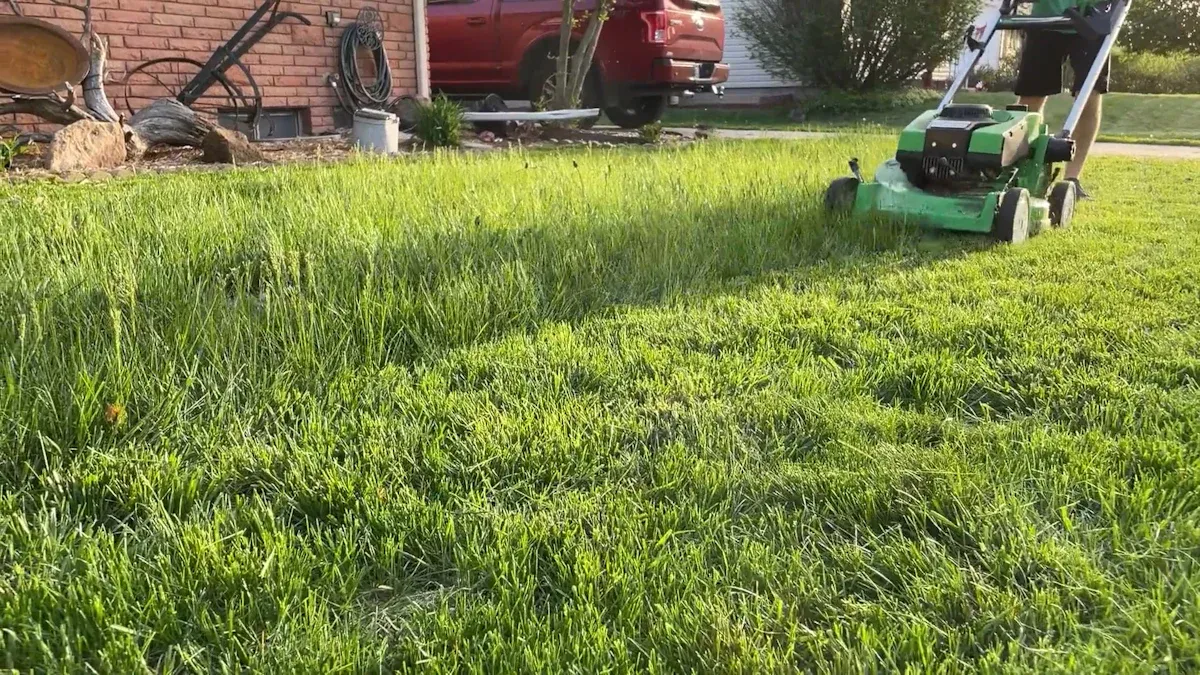
Battery-powered lawn mowers typically run for about 30 to 90 minutes on a single charge, depending on the model and grass conditions. Factors such as grass thickness and terrain can impact performance. In recent years, these mowers have gained popularity due to their numerous advantages over gas models. They offer quiet operation, zero emissions, and lower maintenance needs. This shift in consumer preference reflects a growing awareness of environmental concerns and technological advancements in battery efficiency.
Key Takeaways
Battery-powered lawn mowers typically run for 30 to 90 minutes on a single charge. Choose a model with higher voltage for better performance.
Regular mowing helps maintain grass height and improves battery efficiency. Shorter grass requires less energy to cut.
Charging times vary by model. Fast chargers can reduce downtime, allowing you to mow larger lawns without interruptions.
Battery maintenance is crucial. Avoid deep discharges and follow proper charging practices to extend battery life.
Consider long-term costs. Battery-powered mowers require less maintenance and have lower emissions, making them a cost-effective choice over time.
Runtime of Battery-Powered Lawn Mowers
Average Runtime
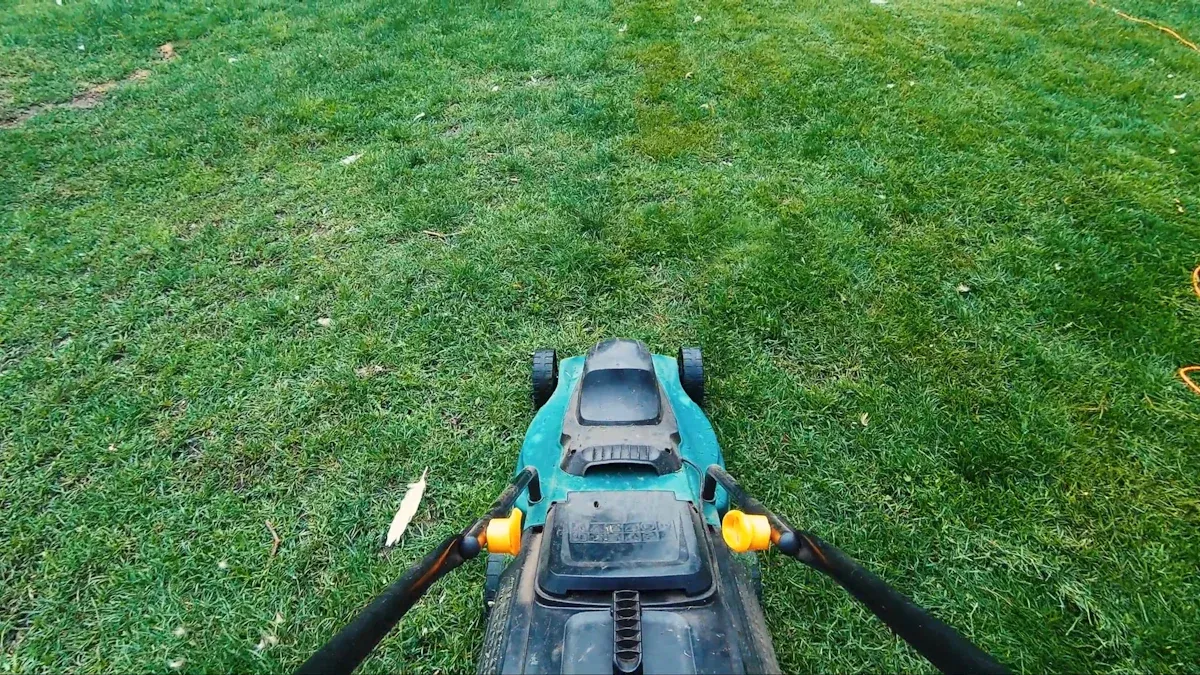
Battery-powered lawn mowers typically offer a runtime of 30 to 90 minutes on a single charge. This variation depends on several factors, including the model and the conditions of your lawn. For instance, if you use a mower with a higher voltage, such as a 56V dual-battery model, you can expect better performance and longer runtime, especially in challenging conditions.
In a real-world scenario, a homeowner in central Virginia faced a lawn with tall fescue growing to nearly 7 inches after heavy rains. Using a 40V single-battery electric mower resulted in poor cutting performance, with clippings clumping behind the deck. However, switching to a 56V dual-battery model allowed the lawn to be mowed effectively in two passes. This example illustrates how higher voltage and dual batteries can significantly improve runtime and cutting efficiency in dense grass.
Factors Affecting Runtime
Several factors influence the runtime of battery-powered lawn mowers. Understanding these can help you maximize your mower’s efficiency and performance.
Battery Capacity: The capacity of the battery directly affects how long you can mow. Here’s a quick overview of how different capacities impact runtime:
Battery Capacity (Ah) | Runtime (Minutes) |
|---|---|
8 | 30 |
12 | 45 |
Grass Conditions: The height and density of your grass play a crucial role. Mowing regularly with shorter intervals helps manage the workload on the mower. This efficient energy use leads to better battery preservation and improved lawn quality.
Temperature Extremes: High temperatures can accelerate battery degradation. Cold weather can slow down chemical reactions, affecting battery output and lifespan.
Depth of Discharge (DoD): Discharging a battery deeply before recharging shortens its lifespan. Keeping the discharge level higher can significantly extend battery life.
Charging Habits: Leaving a battery on the charger after it is fully charged can reduce its lifespan. Proper charging practices, such as avoiding low states of charge, are crucial for maintaining battery health.
By considering these factors, you can enhance the performance of your cordless lawn mower and ensure it operates at its best.
Charging Times
Average Charging Time
Charging times for battery-powered lawn mowers vary significantly based on the model and battery capacity. Here’s a quick overview of average charging times for some popular models:
Model | Charging Time |
|---|---|
STIHL FSA 90 R | 12 – 44 min |
STIHL FSA 90 | 18 – 67 min |
STIHL FSA 110 R | 25 – 120 min |
STIHL FSA 120 | 30 – 130 min |
STIHL FSA 120 R | 10 – 60 min |
STIHL FSA 130 R | 10 – 54 min |
STIHL FSA 135 R | 10 – 54 min |
STIHL FSA 400 | 12 – 25 min |
STIHL FSA 200/FSA 200 R | 10 – 70 min |
STIHL RGA 140 | 13 – 120 min |
As you can see, some models charge quickly, while others take longer. The charging time can affect your mowing schedule, especially if you have a larger lawn.
Charging Options
When it comes to charging your cordless mower, you have several options. Different chargers can impact how quickly you can get back to mowing. Here’s a breakdown of common charger types and their efficiency:
Charger Type | Charging Time |
|---|---|
Standard 240V 15 amp adapter | 11 hours |
Standard 120V power adapter | 30 hours |
240V 30 amp fast charger | 6 hours |
14 kw Fast Charger | 2.5 hours |
Using a fast charger can significantly reduce downtime. If you have a larger lawn, consider investing in an extra battery. This way, you can swap batteries while one charges, ensuring you never run out of power mid-mow.
Tip: Always check the compatibility of your charger with your mower model. Using the wrong charger can lead to inefficiency or even damage.
By understanding charging times and options, you can make informed decisions that enhance your mowing experience.
Long-Term Costs of Battery-Powered Lawn Mowers
Purchase Price Comparison
When considering the long-term costs of battery-powered lawn mowers, the initial purchase price plays a significant role. Prices can vary widely based on size, features, and brand. Here’s a breakdown of typical price ranges for some of the best battery-powered lawn mowers:
Price Range | Model Size | Features |
|---|---|---|
$200 | Small | Shorter run times |
$800 | Large | Packed with special features |
You may notice that higher voltage models, typically 60 volts and up, offer more power and longer battery life. However, these models often come with a higher price tag and may weigh more. Investing in a quality mower can save you money in the long run due to better performance and durability.
Maintenance and Lifespan
Battery-powered lawn mowers require less maintenance than gas-powered models. This difference can lead to significant savings over time. Here are some typical maintenance costs you might encounter over a five-year period:
Battery replacement costs around $75 after five years.
Blade sharpening or replacement costs approximately $20 every two years, averaging $10 per year.
Replacement batteries for electric mowers typically range from $100 to $300 at the five-year mark.
The lifespan of the batteries also affects your long-term costs. Lithium-ion batteries usually last about five years under normal use. They are often warrantied for three years, providing some peace of mind. In contrast, lead-acid batteries may only last 1 to 4 years, leading to more frequent replacements.
Battery Type | Lifespan (Years) | Replacement Cost ($) |
|---|---|---|
Lead-Acid | 1 – 4 | 100 – 250 |
Lithium-Ion | 4 – 15 | 100 – 250 |
Lithium Iron Phosphate | 4 – 6 times longer than Lead-Acid | 100 – 250 |
Longer-lasting batteries decrease the frequency of replacements, leading to lower overall expenses. Modern batteries, such as lithium-ion, offer better performance and require less maintenance.
Additionally, warranty terms can impact your long-term ownership costs. Warranties cover defects and repairs, reducing unexpected costs as your mower ages. Over 50% of products experience at least one failure within the first two years, with average repair costs around $325. This highlights the importance of warranty coverage.
In summary, battery-powered lawn mowers offer several advantages over gas models. They typically run for 30 to 90 minutes, depending on the model and grass conditions. Charging times vary, with some models charging in as little as 10 minutes. Long-term costs are generally lower due to reduced maintenance needs and fewer emissions.
When choosing between battery-powered and gas mowers, consider your specific needs:
Mowing Frequency: If you mow irregularly, gas mowers may handle longer grass better.
Lawn Size: Battery mowers suit small, even lawns, while gas mowers excel in larger, uneven terrains.
Noise Levels: Battery mowers operate quietly, making them ideal for noise-sensitive areas.
Ultimately, battery-powered mowers can match or exceed the performance of gas models, making them a competitive choice for many homeowners. 🌱
FAQ
What is the average lifespan of a battery-powered lawn mower?
Most battery-powered lawn mowers last about 5 to 10 years with proper care. Lithium-ion batteries typically last longer than lead-acid batteries, which may only last 1 to 4 years.
Can I use my battery-powered mower in wet conditions?
Avoid mowing wet grass. Wet conditions can lead to poor cutting performance and may damage the mower. Always wait for the grass to dry before mowing.
How do I maintain my battery-powered lawn mower?
Regularly check the blades for sharpness and clean the mower after each use. Store the mower in a dry place and follow the manufacturer’s guidelines for battery care.
Are battery-powered mowers quieter than gas mowers?
Yes! Battery-powered mowers operate much quieter than gas mowers. This feature makes them ideal for residential areas where noise restrictions may apply.
Can I replace the battery in my mower?
Yes, most battery-powered mowers allow for battery replacement. Check your mower’s manual for specific instructions on how to replace the battery safely.