

Choosing lawn fertilizer gets easier once you stop thinking in vague “green-up” terms and start matching the mix to your grass, soil, and season. A starter blend helps new sod settle in, a slow-release formula suits busy schedules, and liquid options make sense for larger yards that need broader coverage with less fuss. The right pick can save you from patchy growth, weak color, or feeding a lawn that already has enough of one nutrient. This roundup keeps the focus on real use cases, not hype.
Quick Look at the Shortlist

Jonathan Green Veri-Green Starter Fertilizer 12-18-8 1,500 Sq. Ft.

Fertilome Centipede Lawn Fertilizer 15-0-15 16 lbs

PetraMax Neighbor’s Envy Grass Fertilizer 1 Gallon

GreenView Fairway Formula Lawn Fertilizer 33 lb. Bag

Scotts Turf Builder Healthy Plus Lawn Food 13.70 lbs.
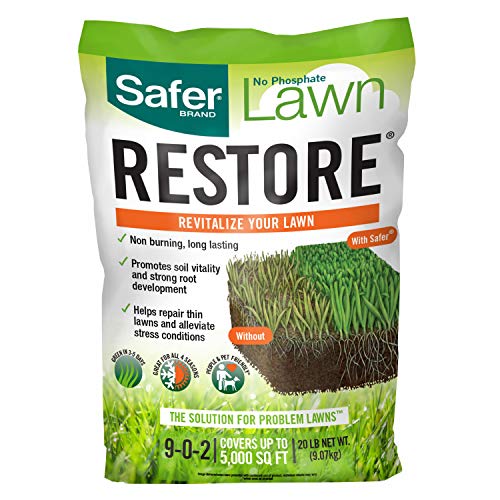
Safer Brand Lawn Restore Natural Lawn Fertilizer 9335SR 9-0-2
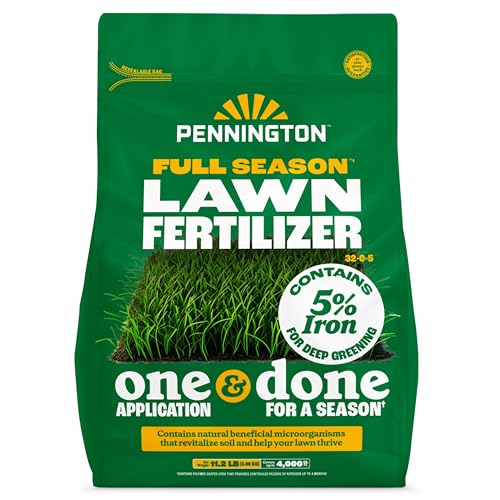
Pennington Full Season Lawn Fertilizer 4M 32-0-5 RF 3/11.2Lb

Purely Organic Products Lawn Food 10-0-2 15 LB
Starter fertilizer earns its keep around new seed, fresh sod, and thin patches that need a careful first push. Jonathan Green’s 12-18-8 blend leans into that job with a higher middle number, which means more phosphorus than nitrogen or potassium for root support during establishment.
The 1,500 square foot coverage keeps it manageable for small and medium lawns, though you’ll want to measure your space instead of guessing. For homeowners reseeding a front yard or filling worn spots after a long season, that balanced starter profile makes sense without feeling overbuilt.
Strong Points
- 12-18-8 analysis suits establishment work.
- Coverage fits smaller repair projects well.
- Works for both seed and sod.
- Straightforward bag size helps with storage.
Things To Consider
- Coverage is modest for larger yards.
- Starter blends are not a full-season answer.
- You still need even spreading for clean results.
Feature Snapshot
Who It Suits Best
You get the most from this pick during seeding, sodding, or spot repairs in a small yard.
Swap It Out When
Pennington Full Season Lawn Fertilizer 4M 32-0-5 RF 3/11.2Lb suits homeowners who want a longer feeding window instead of a starter-focused blend.
Warm-season lawns can be picky, and this formula speaks directly to that. The 15-0-15 analysis keeps nitrogen and potassium in balance, while the added iron helps deepen color without pushing the mix into a high-phosphorus lane.
That makes it a sensible fit for centipede, St. Augustine, and similar grasses where you want steady feeding rather than a dramatic jolt. The 16-pound bag is easy to handle, though larger properties will likely need more than one bag for full coverage.
What We Like
- Tailored for centipede and St. Augustine grass.
- Iron supports stronger color in many lawns.
- 15-0-15 keeps nutrients more balanced.
- Bag size stays easy to store.
Room For Improvement
- Warm-season focus narrows the audience.
- Larger yards may need extra bags.
- It helps more with maintenance than rescue work.
Core Details
Made For
You are the best match for this pick if your lawn is centipede, St. Augustine, or another warm-season grass that prefers balanced nutrition.
Look Elsewhere When
Jonathan Green Veri-Green Starter Fertilizer 12-18-8 1,500 Sq. Ft. suits new sod and seeding far better than a maintenance blend like this one.
Liquid fertilizer changes the pace completely, and this one is built for coverage. The gallon concentrate is listed for up to 16,000 square feet, so it suits bigger lawns or anyone who prefers mixing once and covering a lot of ground.
The ingredient lineup also stands out, with nitrogen, iron, humic components, and sea kelp in the mix. That combination gives you a broader-feeling feed than a simple one-note formula, although the trade-off is that liquid products usually ask for more attention during mixing and application.
Positives
- Large coverage supports bigger properties.
- Liquid format spreads quickly across turf.
- Includes several supporting ingredients.
- Useful for fast seasonal refreshes.
- Single gallon format stores neatly.
Points To Note
- Mixing steps add a little extra work.
- Liquid feeding can run faster than granules.
- It may feel excessive for tiny yards.
Details At A Glance
Whose Shelf It Belongs On
You get the most from this choice if your lawn is large and you want a liquid feed that handles broad coverage without breaking into many small containers.
Reach For A Different Pick When
GreenView Fairway Formula Lawn Fertilizer 33 lb. Bag fits homeowners who want a slower, granule-based schedule instead of a liquid concentrate.
Some lawns need a long, steady feeding cycle more than a flashy nutrient spike. GreenView leans into that with a 30-0-12 analysis and slow-release nitrogen, which means the lawn gets a more measured feed instead of a quick burst that fades fast.
The 33-pound bag covers 10,000 square feet, so it makes sense for medium yards where one application needs to go a long way. The 12-week feeding span also helps reduce the rush to reapply, though the bag is heavier and less nimble than smaller picks on this list.
Bright Spots
- Slow-release nitrogen supports steady feeding.
- Large coverage suits medium lawns.
- 12-week feeding window reduces upkeep.
- 30-0-12 works well for general turf care.
Areas To Watch
- Bag weight is less convenient to move.
- Not the fastest route for quick correction.
- Works better as routine care than repair.
Feature Card
The Right Fit
You suit this pick well if you want a broad-use fertilizer for routine lawn care on a medium-sized yard.
Another Choice May Suit
Safer Brand Lawn Restore Natural Lawn Fertilizer 9335SR 9-0-2 is a softer-feeling option for smaller lawns and gentler feeding needs.
Dual-action lawn care appeals to a lot of homeowners because it trims down the number of separate products you need on the shelf. This pick combines lawn food with a fungicide, so it speaks to turf that needs feeding and a little extra protection in the same pass.
The 4,000 square foot coverage keeps it in the small-to-mid yard lane, and the 13.70-pound bag is easy enough to manage in a garage or shed. The trade-off is simple, though: combination products can be a smart shortcut, but they are less flexible than buying fertilizer and treatment separately.
Reasons To Buy
- Combines feeding with fungicide use.
- Smaller bag is easy to store.
- Coverage fits compact properties.
- Can simplify routine lawn care.
Small Caveats
- Combination formulas reduce flexibility.
- Coverage is modest for larger yards.
- Not the right fit for every lawn issue.
Quick Facts
Built With In Mind
You get the best fit here if you want a compact treatment option for a smaller lawn and prefer fewer separate products.
Skip It When
GreenView Fairway Formula Lawn Fertilizer 33 lb. Bag makes more sense for a larger yard that only needs routine feeding.
Not every lawn needs a heavy feed, and this one takes the gentler route. The 9-0-2 analysis keeps the formula lighter than the higher-nitrogen picks in this lineup, which can suit lawns that only need routine support and not a dramatic push.
The brand also markets it as non-burning, a phrase that usually matters most to cautious homeowners spreading fertilizer in warm weather or on turf that’s already a bit stressed. Coverage tops out at 5,000 square feet, so it’s a reasonable fit for smaller lawns and straightforward seasonal upkeep.
Upsides
- Gentler 9-0-2 mix suits routine care.
- Coverage works for smaller properties.
- Non-burning positioning will appeal to cautious gardeners.
- Simple format makes storage easy.
Trade Offs
- Less concentrated than stronger feeding blends.
- Coverage is limited compared with larger bags.
- May feel too mild for a tired lawn.
Spec Overview
Right Fit For
You suit this pick well if you want a milder fertilizer for a smaller lawn and prefer a calmer approach to feeding.
Where A Sibling Pick Shines
Pennington Full Season Lawn Fertilizer 4M 32-0-5 RF 3/11.2Lb makes more sense for homeowners who want longer-lasting feeding from a stronger analysis.
This is the pick for people who want to feed once and move on. The 32-0-5 analysis is strong on nitrogen, and the slow-release design aims to stretch that feeding across the season instead of fading after a short burst.
The “4M” marking points to a controlled-release style, which usually matters most when you want more even growth and fewer calendar reminders. One bag weighs 11.2 pounds, so it stays manageable, though this kind of long-view fertilizer does best in yards where a single seasonal plan actually fits your routine.
Best Bits
- Strong nitrogen level supports green-up.
- Slow-release format helps stretch the feeding cycle.
- Single-season use reduces repeat applications.
- Bag size stays relatively manageable.
Honest Caveats
- Season-long feeding is not for every yard schedule.
- Higher nitrogen may be more than some lawns need.
- Controlled-release products can feel slower at first.
Feature Rundown
Who Should Grab It
You get the best fit here if your schedule favors one seasonal application and your lawn responds well to a stronger nitrogen-driven feed.
A Better Fit Elsewhere
Purely Organic Products Lawn Food 10-0-2 15 LB suits smaller, simpler lawn routines better than this more aggressive seasonal formula.
A simpler lawn food can be exactly what a small yard needs. Purely Organic Products keeps the formula pared back at 10-0-2, so the focus stays on routine feeding rather than a heavy nutrient push or a specialty treatment angle.
The 15-pound bag covers 3,000 square feet, which makes it a tidy match for compact lawns, townhouses, or patch work around an otherwise healthy yard. It’s not the most aggressive option in this roundup, and that restraint is part of the appeal for homeowners who want straightforward upkeep.
Highlights
- Simple formula keeps the feed plan easy.
- Coverage suits smaller lawns.
- 15-pound size is easy to handle.
- Works well for routine maintenance.
Areas To Watch
- Coverage is limited compared with larger bags.
- Light formula may feel too modest for struggling turf.
- Not built for specialty correction tasks.
Core Details
Perfect Match For
You are the right match for this pick if your lawn is small and you want a no-fuss fertilizer for regular maintenance.
Consider Something Else When
PetraMax Neighbor’s Envy Grass Fertilizer 1 Gallon suits larger lawns better when broad liquid coverage matters more than simplicity.
How To Choose The Right Types Of Fertilizer For Lawn
NPK Basics Without The Jargon
NPK stands for nitrogen, phosphorus, and potassium, the three numbers printed on most fertilizer bags. Nitrogen pushes leafy growth and color, phosphorus helps roots and establishment, and potassium supports general plant function and stress tolerance.
Your lawn’s needs shift by season and situation, so a starter blend like Jonathan Green’s 12-18-8 makes sense for seed or sod, while a lawn-food formula like GreenView’s 30-0-12 fits routine upkeep. For most yards, the wrong ratio causes more frustration than the wrong brand.
Granules, Liquids, And The Workload They Create
Granules are dry particles spread with a broadcast or drop spreader, and they usually suit people who want a measured, tidy application. Liquids mix with water and cover ground fast, which works well for larger lawns but asks for more attention during mixing and spraying.
PetraMax shows the upside of liquid coverage, while Pennington and GreenView point to the slower, more scheduled granule route. The honest read is that neither format is better in every yard, because storage space, equipment, and how much time you want to spend outside all matter.
Match The Formula To Your Grass Type
Warm-season grasses such as centipede and St. Augustine tend to respond best to formulas built around their needs, which is why Fertilome earns a clear place in this roundup. A generic fertilizer can still work, but the fit gets better when the nutrient balance lines up with the grass in your yard.
Shade, foot traffic, and soil condition change the picture too. A thin front lawn near a sidewalk may need a different feed style than a backyard where the grass grows steadily with less wear.
Think About Coverage And Reapplication
Coverage tells you how much area a bag or jug can handle, and that number matters more than many shoppers expect. Purely Organic covers 3,000 square feet, while PetraMax stretches much farther, so the right choice often comes down to yard size before anything else.
Reapplication timing also shapes the experience. Slow-release picks like GreenView and Pennington reduce how often you need to revisit the lawn, which helps anyone juggling a packed weekend schedule.
What To Weigh Before You Choose
Mistakes Worth Dodging
The most common slip-up is matching fertilizer to the wrong job. A starter formula for new sod is not the same as a maintenance feed for an established yard, and the difference shows up quickly in how the lawn grows.
Another easy miss is underestimating coverage. A bag that looks substantial can still fall short on a larger property, so the square-foot figure deserves more attention than the packaging artwork.
What The Higher Tier Buys
More expensive lawn fertilizers usually bring tighter nutrient targeting, slow-release design, or a broader ingredient mix. That extra structure can mean less guesswork, smoother feeding, and fewer applications across the season.
The upgrade matters most for larger properties, picky grass types, or anyone who wants a more tailored result. In a small yard with simple needs, a basic formula often makes more sense and leaves less product to store.
Frequently Asked Questions
What does the first number in NPK mean?
That number shows the nitrogen percentage in the product. Nitrogen drives leaf growth and color, so it often gets the most attention.
Are starter fertilizers different from regular lawn food?
Yes, starter formulas usually lean harder on phosphorus for root development. Regular lawn food is built more for ongoing feeding after the grass is established.
Do liquid fertilizers work faster than granules?
Liquids usually feed more quickly because they’re applied in diluted form. Granules often release nutrients more gradually, which can suit a slower maintenance rhythm.
How do you choose fertilizer for warm-season grass?
You want a formula that matches the grass type and the season, not just a big nutrient number. Fertilome is a good example of a product shaped for centipede and St. Augustine lawns.
Why does coverage matter so much?
Coverage tells you whether one package fits your property or only part of it. It also helps you compare value without relying on package size alone.
Closing Thoughts
The best fertilizer for your lawn depends on where you’re starting, how much ground you need to cover, and how hands-on you want the process to be. Starter blends help new grass get moving, slow-release formulas suit routine care, and liquid concentrates make sense for larger spaces that need broad coverage. Once you match the product to the job, the choice feels much less complicated. Pick the one that fits your yard’s pace, and the rest gets a lot easier.
