

Spring feeding gets easier when you match the formula to your grass, your schedule, and how much yard you actually manage. Some yards need a slow-release granule that stays steady for weeks, while others benefit from a liquid boost or a weed-and-feed shortcut. This roundup helps you sort out those trade-offs without turning your weekend into a project.
You’ll also see where coverage area, nitrogen strength, and add-ons like iron change the feel of each pick. That matters in a small yard, a larger property, or a lawn that needs a cleaner-looking reset after winter.
Quick Look At The Shortlist
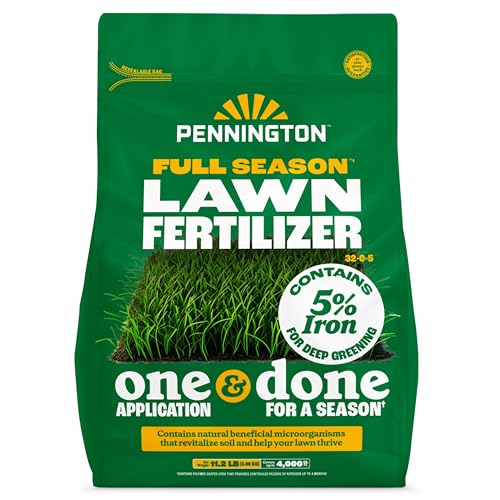
Pennington Full Season Lawn Fertilizer 4M 32-0-5 RF 3/11.2Lb
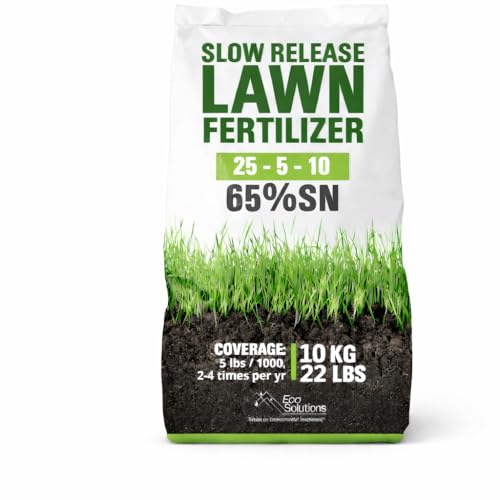
Slow Release Lawn Fertilizer 25-5-10 NPK 65% Granular Nitrogen Formula 10kg (22lbs) Bag

Sunday Lawn Kickstart Liquid Lawn Fertilizer 2 Pack 10,000 Sq Ft

Sunday Dandelion Doom Iron-Based Weed & Moss Killer 32oz 2-Pack

Scotts Turf Builder Lawn Food 12.5 lbs.

Scotts Green Max Lawn Food 16.67 lbs.
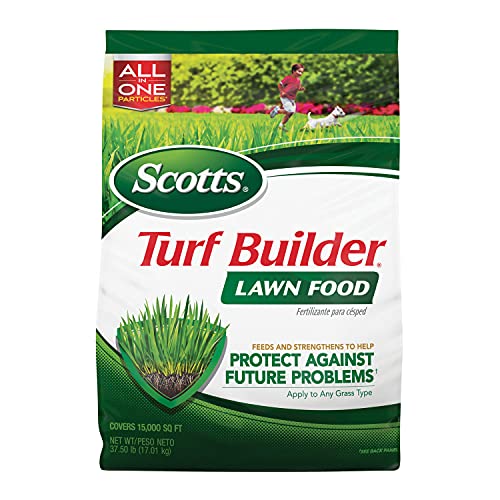
Scotts Turf Builder Lawn Food 37.50 lbs.

Scotts Turf Builder Weed & Feed3 14.29 lbs.
More Details On Our Top Picks
Pennington’s 32-0-5 blend leans hard into nitrogen, which is the nutrient most lawns show first in spring. The slow-release approach matters because it feeds over time instead of asking you to keep reapplying after every warm spell, and that suits a busy yard routine. You may still need to watch your spreader settings carefully, because concentrated formulas can punish sloppy application.
Compared with the liquid Sunday Kickstart, this bag is the steadier, less hands-on route. It fits lawns that need a season-long plan more than a quick visual pop, and the 4M coverage claim points to broad use across a full property rather than a tiny patch.
Strong Points
- Slow-release feeding helps stretch out the spring routine.
- 32-0-5 signals a nitrogen-forward formula for greener growth.
- One seasonal application suits people who prefer fewer lawn chores.
- Large-area coverage can simplify planning for an average suburban yard.
Things To Consider
- Granular application takes a spreader and a little setup time.
- The stronger nitrogen level calls for even coverage to avoid striping.
- It focuses on feeding, not weed cleanup or quick cosmetic correction.
Feature Rundown
Who It Suits Best
You’ll like this most for a standard lawn that needs steady spring feeding and a simple schedule.
Where A Sibling Pick Shines
Sunday Lawn Kickstart is the better fit for you when a fast liquid application matters more than a long-feed granular plan.
This Eco Solutions bag leans on a 25-5-10 nutrient mix and a granular nitrogen share, so you’re getting a feeding formula that’s built to last rather than vanish fast. The 110-day feeding window is the kind of spec that helps in a busy yard, because it reduces how often you need to think about the next pass. The trade-off is simple, it’s a dry product, so you still need spreading equipment and a bit of patience.
Against Pennington’s 32-0-5, this one looks a touch more balanced on paper, while still staying nitrogen-forward. The 10kg bag also makes sense for shoppers who want a single bag that covers a substantial area without jumping into a very large format.
What We Like
- 25-5-10 gives you a more rounded feeding profile.
- Slow-release granules support a longer feeding stretch.
- 110-day guidance helps you plan fewer applications.
- 22-lb packaging suits many average-size spring lawns.
Room For Improvement
- Granular spreading still requires even technique for a clean look.
- It focuses on feeding, so it won’t solve weed issues.
- The bag size may be more than you need for a compact yard.
Core Details
The Right Fit
You’ll get the most from this in a typical home yard where slower feeding and fewer reapplications matter.
Another Choice May Suit
Scotts Turf Builder Lawn Food is a better match for you when you want a simpler all-grass formula without the extra nitrogen detail.
Liquid fertilizer changes the pace of spring care, and this Sunday two-pack is built for that faster style. Its 22-0-2 analysis brings nitrogen, iron, and potassium together, so the lawn food is aimed at color, density, and general spring recovery without making you mix anything from scratch. In a yard that needs a quick visual refresh, that can feel as simple as watering with a purpose.
Compared with the granular picks above, this one is far more immediate in use, especially since it includes a hose-end sprayer and two 42.3oz bottles. The coverage claim for 10,000 square feet makes it a stronger fit for medium-sized lawns, though the sprayer format means your hose setup needs to be practical and reachable.
Highlights
- Liquid format gives you a faster, more direct application.
- Nitrogen, iron, and potassium create a useful spring blend.
- The included hose-end sprayer simplifies the setup.
- Two bottles help you cover a wider lawn area.
- Good fit for lawns that need a quicker cosmetic lift.
Small Caveats
- Liquid application depends on hose access and water pressure.
- It suits fast feeding, not long-release scheduling.
- The format can be a little less tidy than a dry granule.
At A Glance
Built With In Mind
You’ll appreciate this most for a yard that needs quick spring color and a simpler liquid routine.
Look Elsewhere When
Pennington Full Season Lawn Fertilizer fits better for you when a slower granular feed and fewer touchpoints sound more practical.
Some spring lawns need more than feeding, and this Sunday two-pack leans into that problem with a spot-treatment approach. The iron-based formula is aimed at broadleaf weeds, moss, algae, and lichen, so it fits the kind of yard where a few stubborn patches sit inside an otherwise healthy lawn. Once dry, the pet-friendly note may matter to households that need a more measured routine around the yard.
Compared with Scotts Turf Builder Weed & Feed3, this option is more targeted and less all-over. That makes it useful for patch work, but it also means you’re solving a visible problem rather than feeding the whole lawn in one pass.
Bright Spots
- Spot treatment keeps the focus on trouble areas.
- Iron-based formulation suits lawns that need selective cleanup.
- It handles weeds, moss, algae, and lichen in one product.
- Two-bottle pack helps with repeated patch work.
Points To Note
- It is a problem-solver, not a broad feeding product.
- Dry-time handling matters before pets return to the area.
- Spot treatment can take more judgment than a single lawn pass.
Technical Sheet
Whose Shelf It Belongs On
You’ll get the most from this in a yard with isolated weed and moss trouble rather than a broad feeding project.
Swap It Out When
Scotts Green Max Lawn Food fits better for you when lawn color and feeding matter more than spot-treating problem patches.
This Scotts bag is the straightforward middle ground in the group, especially for people who want a familiar lawn-food format without extra complication. It covers 5,000 square feet and works across all grass types, which makes the decision easier in mixed neighborhoods or yards where the grass variety isn’t the main focus. Nothing flashy, just a clean feed for a standard spring pass.
Compared with Pennington’s stronger 32-0-5 analysis, this one reads as more general-purpose and less concentrated. That can be a plus for homeowners who want a simple routine, though it also means you’re not getting the sharper nutrient profile of the more specialized picks.
Upsides
- Works across all grass types for easier planning.
- 5,000 sq. ft. coverage suits many small to mid-size yards.
- Simple lawn-food format keeps the routine familiar.
- Good choice for general spring maintenance.
Areas To Watch
- It is more general than the stronger nutrient-targeted options.
- Coverage may be modest for a larger property.
- It does not address weed cleanup or moss issues.
Details At A Glance
Made For
You’ll like this for routine spring feeding on a modest-size lawn where you want a plain, dependable format.
A Better Fit Elsewhere
Scotts Turf Builder Lawn Food 37.50 lbs. makes more sense for you when the yard is large and coverage matters more than portability.
Green Max adds iron to the usual lawn-food formula, and that matters when the turf looks a little washed out after winter. Iron is a micronutrient, meaning it’s needed in small amounts but can still influence color, so this pick leans toward a cleaner, deeper-looking green rather than just raw feeding. The 5,000 square foot coverage keeps it in the same yard size lane as Scotts Turf Builder Lawn Food, but the feel is more cosmetic.
That makes it a smart upgrade for lawns that need both food and a stronger color push. The trade-off is that it still follows a granular, spreader-based routine, so it’s not the easiest choice for someone who wants a quick liquid application.
Reasons To Buy
- Iron support helps with a deeper-looking green cast.
- 5,000 sq. ft. coverage works for many home lawns.
- Combines feeding and color support in one bag.
- Good fit for lawns that look tired after winter.
Softer Spots
- Granular spreading takes a little more setup than liquid spray.
- Color-focused feeding may be more than some lawns need.
- Coverage is practical, but not especially large.
Feature Snapshot
Who Should Grab It
You’ll get the most from this in a lawn that needs feeding plus a visible color boost rather than basic maintenance alone.
Reach For A Different Pick When
Sunday Lawn Kickstart is the better fit for you when liquid application and hose-end convenience matter more than iron-led greening.
Large lawns need a bag that doesn’t disappear halfway through the job, and this 37.50-lb Scotts format is built for that reality. It covers 15,000 square feet and works across all grass types, so it’s the broadest coverage option in this roundup without adding extra complexity. That scale makes it useful for properties with long front strips, back sections, or a lot of open turf.
Compared with the 12.5-lb Scotts bag, this one is the more practical route for bigger spaces. The catch is storage and handling, because a bigger bag is less friendly to tight sheds and quick carry-ins, even though the lawn math gets easier.
Best Bits
- 15,000 sq. ft. coverage suits large properties.
- All-grass compatibility keeps the choice uncomplicated.
- One large bag can reduce mid-project refills.
- Good fit for full-yard spring maintenance.
Worth Noting
- Heavy packaging can be awkward in small storage spaces.
- It still follows a granular routine with spreader setup.
- Large coverage makes it more than many compact yards need.
Core Details
Best Suited To
You’ll appreciate this most for a big lawn where coverage and fewer repeat bags matter more than portability.
Where Shoppers Go Wrong
Scotts Turf Builder Lawn Food 12.5 lbs. makes more sense for you when the yard is modest and storage space is tight.
This Scotts weed-and-feed formula pulls double duty, which is handy in spring when dandelions and clover are part of the problem. It covers 5,000 square feet, so it lines up with mid-size home lawns, and the combined approach means you’re feeding while also addressing visible weeds in the same pass. That can save time in a yard that needs cleanup and feeding together.
Compared with the dedicated Sunday Dandelion Doom treatment, this one is less targeted but more convenient for a broad spring refresh. The trade-off is that weed-and-feed products work best when the lawn issue is common enough to justify the combined step, not just a few isolated spots.
Standout Traits
- Combines feeding and weed control in one application.
- Targets dandelions and clover, two common spring problems.
- 5,000 sq. ft. coverage fits many standard yards.
- Useful when your lawn needs cleanup and nutrition together.
Minor Gripes
- Combined formulas are less precise than separate treatments.
- It suits common weed pressure more than isolated problem spots.
- Spreader work still matters for an even finish.
Quick Facts
Who Will Love This
You’ll like this most for a lawn that needs both feeding and broadleaf weed cleanup in the same spring job.
Skip It When
Sunday Dandelion Doom is the better fit for you when the weeds are spotty and you want a more focused treatment.
How To Choose The Right Spring Lawn Fertilizers
Start With Your Lawn’s Real Job
Spring feeding is not one generic task. A lawn that looks tired after winter often benefits from a nitrogen-forward formula, while a yard with patchy weeds may need a weed-and-feed or a separate spot treatment first.
That’s why coverage and product style matter as much as the nutrient ratio. Granules suit homeowners who want a slower, steadier schedule, while liquids fit quicker jobs and easier visual changes.
Match The Formula To Your Yard Size
Coverage claims tell you more than package weight alone. A 5,000-square-foot bag can make sense for a front-and-back city lot, while a 15,000-square-foot option is a better match for wider suburban turf.
Large packages can save repeat trips, but they also take more storage room and more handling effort. Smaller bags are easier to store, though you may finish one and need another sooner than you expected.
Choose Feeding Speed On Purpose
Slow-release fertilizer is built for longer spacing between applications. It suits busy schedules and lawns that do better with a calmer nutrient pace, though it won’t give the instant look some shoppers want.
Liquid formulas move faster and feel simpler in use, especially with a hose-end sprayer. The trade-off is that they can ask for more attention during application, and they usually don’t replace the long-feed convenience of a granular bag.
Don’t Ignore Add-Ons And Multi-Use Formulas
Iron can help a lawn look greener without changing the whole feeding plan, which is useful for turf that looks dull in early spring. Weed-and-feed products go a step further by combining nutrition with broadleaf weed control, but they work best when that dual purpose actually matches the yard’s condition.
A clean lawn-care plan usually means fewer products, not more. Still, the right add-on can save time and simplify the season, especially in yards where the same problem returns every spring.
Things Worth Knowing First
Wrong Turns To Avoid
Shoppers often reach for a bag that looks powerful without checking the coverage math. That can leave a large lawn underfed or a small lawn with more product than you need.
Another common slip is using a weed-and-feed product for a yard that only needs a nutrient boost. Separate problems deserve separate products, and that usually leads to a cleaner result.
What The Higher Tier Buys
Higher-end spring lawn fertilizers usually pay for more refined ingredient balance, added features like iron, or a format that spreads more evenly. Liquid kits and multi-part packages also cost more to package and use, since they add convenience hardware or more complex formulas.
That extra spend makes sense for bigger lawns, weak-looking turf, or homeowners who want fewer steps in the season. For a small yard with healthy grass, a simple granular food often does enough without extra complexity.
Frequently Asked Questions
Should You Use Slow-Release Or Liquid Fertilizer In Spring?
Slow-release works well for a steadier feeding rhythm and fewer applications. Liquid suits faster turnaround and more immediate coverage.
Do All Grass Types Need The Same Formula?
No, grass type and lawn condition both matter. A general all-grass formula is easier, but a stronger nitrogen blend may suit lawns that need a bigger spring push.
Is Iron Worth Paying Attention To?
Iron matters when the lawn looks dull or pale, because it can support a deeper green appearance. It’s a useful add-on, not a replacement for balanced feeding.
What Size Bag Makes Sense For A Normal Yard?
That depends on your square footage, not the package label alone. A 5,000-square-foot product fits many average home lawns, while larger properties need much more coverage.
Can You Use Weed-And-Feed Instead Of Separate Products?
Yes, for lawns that need both feeding and broadleaf weed control at the same time. Separate products make more sense when the weed issue is limited to a few spots.
Closing Thoughts
The right spring lawn fertilizer depends on how your yard behaves, not just how the bag looks. A slow-release granule like Pennington or Eco Solutions suits a calmer routine, while Sunday Kickstart fits a faster refresh and Scotts Weed & Feed3 helps when weeds are part of the problem. For large lawns, the bigger Scotts Turf Builder bag keeps the math simple, and Green Max adds a little extra color support. Choose the one that matches your yard’s real condition, and spring work starts to feel much less complicated.
