

Steep yards change the whole mowing job. Traction, stability, turning radius, and seat comfort matter more than raw power, especially on uneven ground where a slow, controlled pass saves you from constant corrections.
These seven picks cover very different ways to handle slopes, from traditional riding tractors to wire-free robots and remote-control machines. That mix helps you match the machine to your yard, not the other way around.
Quick Look At The Seven Picks

EGO Power+ Electric Riding Lawn Mower 42 Deck Lawn Tractor TR4204
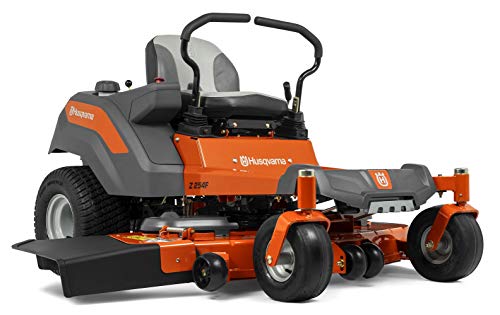
Husqvarna Z254F 54 in. 23 HP Kawasaki Zero Hydrostatic Turn Riding Mower
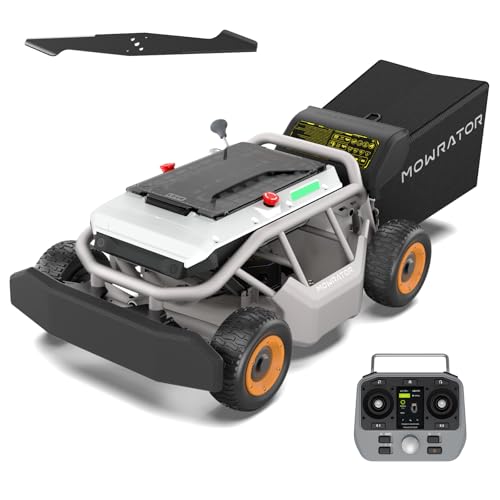
Mowrator S1 4WD 12Ah Remote Control Lawn Mower 21-Inch 37° Slope

AIWEIYA Remote Control Lawn Mower Oil-Electric Hybrid Crawler Track Mower 1.1-5.9 Inch Cutting Height
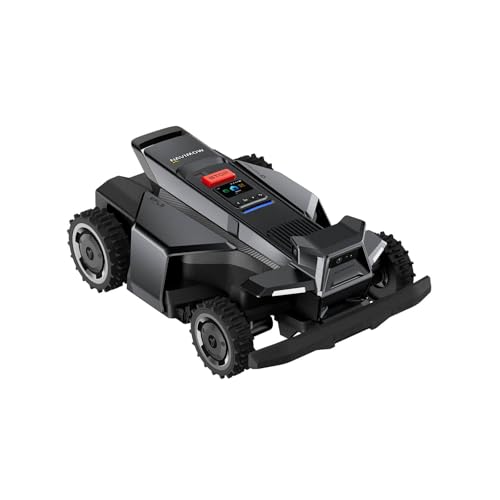
Segway Navimow X430 Robot Lawn Mower Wire Free for up to 1 Acre 4WD for 84% Slopes

Husqvarna Z248F 48 23HP Kawasaki Zero Turn Lawn Mower

YARBO Robot Lawn Mower Wire-Free with Modular Design Covers 6 Acres
More Details On Our Top Picks
For a hillier home lawn, the appeal here starts with the electric format and a 42-inch deck, which gives you a cleaner, quieter path than a gas machine without feeling tiny. That size lands in a useful middle ground for suburban yards, where tight storage and modest slopes often matter just as much as cutting width.
The honest trade-off is range planning and charging time, so this feels better suited to routine mowing than marathon sessions on sprawling acreage. Compared with the Husqvarna Z254F, you get a more modern, lower-noise ownership feel, which suits you if your neighborhood is close-packed.
Strong Points
- Electric drive keeps everyday mowing calmer and less smoky.
- 42-inch deck fits typical residential passes without feeling bulky.
- Good match for yards where noise matters near neighbors.
- Lower routine upkeep than a typical gas tractor.
Things To Consider
- You need to plan around battery charging between sessions.
- Very large or heavily sloped properties may want more range.
- Less suited to the sort of all-day work a commercial user might expect.
Key Specs
Who It Suits Best
Homeowners with moderate slopes and a medium-size suburban yard will get the most from this layout.
Where Another Pick Suits Better
The Husqvarna Z254F suits you better for faster coverage on wider, more open ground where a gas setup makes more sense.
This one leans into speed and broad coverage, thanks to the 54-inch deck and zero-turn layout. Zero-turn means the rear wheels can pivot in opposite directions, which helps you swing around obstacles with far less backing up, especially in open yards with trees or beds.
The Kawasaki engine adds to the appeal for shoppers who want a proven gas setup for regular mowing and a more traditional ownership pattern than the EGO electric option. The catch is that wide decks can feel less forgiving in tighter gates or side yards, so it suits open property better than cramped lots.
Highlights
- 54-inch deck covers broad stretches quickly.
- Zero-turn steering helps around landscape obstacles.
- Gas-powered format suits long mowing sessions.
- Good fit for open yards with fewer tight corners.
Points To Note
- Wide turning style needs more room than a compact tractor.
- Gas upkeep is a bigger part of ownership than with electric models.
- Less nimble in narrow side yards and fence pinch points.
Feature Snapshot
Made For
It suits homeowners with open acreage who want to move efficiently through broad mowing areas.
A Better Fit Elsewhere
The EGO Power+ TR4204 is the smarter match for quieter suburban use and tighter storage spaces.
Remote-control mowing changes the whole job, because you stand clear while the machine handles ground that would feel awkward or risky to walk behind. The 4WD layout, meaning four-wheel drive, gives it more grip across uneven areas, and the 21-inch deck keeps the footprint manageable for tight slope work.
It also brings a 12Ah LiFePO4 battery, a lithium iron phosphate pack known for stable energy delivery, plus height settings from 1.5 to 4.3 inches and coverage up to 0.75 acre. Compared with the Husqvarna Z254F, it gives you far more slope-focused control, though the smaller cutting width makes it less suited to big flat acreage.
What We Like
- Remote operation keeps you away from steep footing.
- 4WD helps it hold traction on uneven terrain.
- 21-inch deck is easier to place in awkward sections.
- Height range gives useful mowing flexibility.
- Battery capacity suits a compact-to-mid hillside lot.
Softer Spots
- Smaller deck means more passes on wide lawns.
- Remote-control use takes some getting used to.
- Battery-powered operation still asks for charging planning.
Core Details
Best Suited To
You get the most value from this pick on steep, awkward terrain where standing behind a mower feels like the wrong approach.
Look Elsewhere When
The Husqvarna Z254F suits you better for broad, open turf where a larger deck saves time.
Tracked mowers usually make sense when traction matters more than a delicate lawn feel, and this oil-electric hybrid follows that logic closely. Its crawler tracks should help it keep its footing on steep, rough ground, while the 1.1 to 5.9 inch cutting range gives you room to adapt to different grass heights.
Compared with the Mowrator S1, this feels aimed at larger estate work and more demanding terrain rather than smaller remote-control cleanup jobs. The trade-off is that tracked machines tend to feel heavier to maintain and store, so the right fit is a property where rugged grip matters more than compact convenience.
Upsides
- Tracked drive is built for stubborn, uneven ground.
- Remote control keeps you out of the steepest sections.
- Wide height range gives you more trimming flexibility.
- Hybrid layout suits demanding property maintenance routines.
Room For Improvement
- Tracked machines usually take more space to store.
- Maintenance can feel more involved than simpler riding options.
- Less convenient for small, tidy suburban lawns.
Details At A Glance
The Right Fit
This suits estate owners and landscape crews working steep, rough sections that need strong ground contact.
Swap It Out When
The Mowrator S1 makes more sense for a smaller hillside property where simpler charging and a lighter footprint matter more.
For hills and slopes, this robot stands out because it skips boundary wire setup and still handles serious grade claims. The 4WD system and zero-turn behavior point toward better control on awkward terrain, while the 0.75 to 4 inch cutting range keeps it in the everyday-lawn zone.
It also uses two 180W motors and is sized for up to one acre, which makes it a strong fit for homeowners who want to spend less time behind the mower altogether. Compared with the YARBO, it covers less ground, but that narrower focus can be easier to manage for a normal hillside yard.
Positives
- Wire-free setup keeps installation simpler than boundary systems.
- 4WD helps it move more confidently on slopes.
- Zero-turn behavior helps around yard obstacles.
- Two motors support steady everyday mowing.
- Good fit for owners who want less manual mowing time.
Minor Gripes
- Robot mowing still asks for setup and ongoing monitoring.
- One-acre coverage may feel narrow for larger estates.
- Steep or uneven spots can still need careful mapping.
Feature Card
Whose Shelf It Belongs On
This belongs with homeowners who want slope handling and automation for a yard up to about an acre.
Where A Sibling Pick Shines
The YARBO suits you better for much larger property coverage, especially when the lawn stretches well beyond the Navimow’s range.
With a 48-inch deck and zero-turn steering, this Husqvarna sits between the larger Z254F and the smaller electric or robot options. That middle-ground size makes sense for slopes on mid-size properties, where you want speed but not something so wide that it becomes awkward in side passages.
The 23HP Kawasaki engine gives it the sort of gas-powered confidence many homeowners still prefer for regular mowing. The trade-off is predictable, it needs the maintenance rhythm that comes with a traditional riding mower, so it suits you best when the property is large enough to justify that routine.
Bright Spots
- 48-inch deck balances coverage with maneuverability.
- Zero-turn steering helps on lawns with obstacles.
- 23HP Kawasaki engine supports steady mowing sessions.
- Good middle-size fit between compact and wide mowers.
Areas To Watch
- Gas upkeep is part of the ownership package.
- Not as roomy as the larger Z254F for broad acreage.
- Less hands-off than the robot options in this list.
Quick Facts
Built With In Mind
It fits homeowners with mid-size lawns who want a traditional riding mower that still turns cleanly around obstacles.
Reach For A Different Pick When
The EGO Power+ TR4204 works better for quieter, lower-fuss mowing around homes with tighter storage space.
This is the big-property option in the group, and the 6-acre coverage figure tells you that immediately. Dual 150W motors, AI vision, and RTK navigation point toward a mower that wants to map and manage a much larger property with less manual steering from you, while the 20-inch cutting width keeps each pass practical.
The modular design is the detail that makes it feel different from the Navimow X430, because it hints at a broader system rather than a single-purpose mower. The honest read is that this sort of machine makes the most sense when your lawn size and slope mix justify the higher complexity, not for an average suburban lot.
Best Bits
- Up to 6 acres suits very large properties.
- Wire-free setup avoids boundary wire work.
- AI vision and RTK navigation support precise pathing.
- 70% slope claim fits demanding ground.
- Auto-charge behavior keeps upkeep more hands-off.
Small Caveats
- More advanced features mean more to understand at setup.
- Likely more machine than smaller yards need.
- Modular systems can take extra storage planning.
Feature Rundown
Who Should Grab It
You get the most from this pick on a large estate where automation and slope handling matter together.
Another Choice May Suit
The Segway Navimow X430 is the easier fit for a smaller lawn up to one acre, especially when you want a simpler robot setup.
How To Choose The Right Riding Lawn Mowers For Hills And Slopes
Traction And Drive Matter More Than Raw Size
Hills punish a mower that only looks strong on paper. You want drive systems that hold course on loose soil, damp grass, and uneven transitions, so 4WD, tracked movement, or a stable zero-turn layout can matter more than a huge deck.
On a mild slope, a standard riding tractor can feel fine, but steeper yards ask for more grip and better weight distribution. That’s why the Mowrator S1 and AIWEIYA make sense for difficult ground, while the Husqvarna gas models feel more natural on open terrain with gentler angles.
Match The Machine To The Yard Shape
Deck width changes how you move through the lawn. A 54-inch deck cuts more grass per pass, but it also asks for room to turn and line up, which can be a poor match for narrow side yards or fenced corners.
Smaller decks around 21 to 42 inches tend to work better on layered slopes, tighter gates, and odd-shaped property lines. That’s where the EGO Power+ and Mowrator S1 feel easier to live with, even though the wider Husqvarna Z254F will save time on broad open sections.
Think About Power, Noise, And Maintenance
Electric riding models reduce routine gas upkeep and usually feel calmer around close neighbors. The trade-off is charging planning, which matters more on larger lawns or properties with more than one mowing zone.
Gas machines still bring the familiar refuel-and-go rhythm, and that can suit longer sessions across bigger acreage. Robots shift the workload again, but they reward you only when you’re comfortable with setup, mapping, and occasional adjustments.
Cut Height And Slope Conditions Need To Work Together
Cutting height sounds minor until a hill forces you to avoid scalp marks on high spots or drag on rough patches. A wider height range helps you adapt to seasonal growth and mixed terrain, especially after rain or during fast spring growth.
For more severe slopes, the slope rating matters, but so does the overall shape of the hill and the traction under the tires or tracks. You get the smoothest ownership experience when the mower’s slope claim, deck size, and drive system all point toward the same kind of property.
A Quick Reality Check Before You Choose
Mistakes Worth Dodging
Plenty of shoppers focus only on deck width and forget turning room. That usually leads to a mower that sounds efficient but feels clumsy near trees, fences, or narrow grades.
Another common miss is underestimating how much slope changes the job. A machine that works on a flat lot can feel out of place on a side hill, so traction and control deserve as much attention as cutting speed.
The Case For Spending Up
Higher-tier models usually bring stronger traction systems, smarter navigation, larger coverage, or more serious motors. Those upgrades cost more because they reduce the amount of manual correction and rework you do later.
That extra spend starts to make sense on larger or steeper properties, where a basic machine can leave you stuck with too many passes or too much strain. On a modest yard, a simpler model often feels more practical.
Frequently Asked Questions
What matters most for mowing steep hills?
Traction usually comes first, then control and deck size. A mower that stays planted is easier to trust on uneven ground.
Are robot mowers useful on slopes?
Yes, but only when the slope rating and terrain match the yard shape. They work best on properties with a clear layout and manageable obstacles.
Do electric riding mowers handle slopes well?
They can, as long as the model has the right drive and stability for your terrain. The quieter operation is a nice bonus for suburban use.
Should you choose a zero-turn mower for a hillside yard?
Zero-turn steering helps around obstacles and tight turns. It works best where the slope is paired with enough open space to maneuver safely.
What size mower fits a mixed slope yard?
Mid-size decks often strike the best balance for mixed terrain. They’re easier to place than extra-wide mowers and still cover ground faster than very small decks.
Closing Thoughts
The right hill mower depends less on brand name and more on how your property behaves under the tires. For smaller suburban slopes, the EGO Power+ and Husqvarna Z248F feel practical and approachable. For steeper or more demanding ground, the Mowrator, AIWEIYA, Navimow X430, and YARBO each bring a more specialized answer. Match the machine to the shape of your yard, and mowing stops feeling like a weekly negotiation.
